Is the Zara Jewelry Box Worth It? 2026 Value & Budget Review
We dissect the 2026 Zara jewelry box lineup, evaluating PU leather, MDF construction, and lining quality to determine its true budget value.

The Fast-Fashion Storage Phenomenon
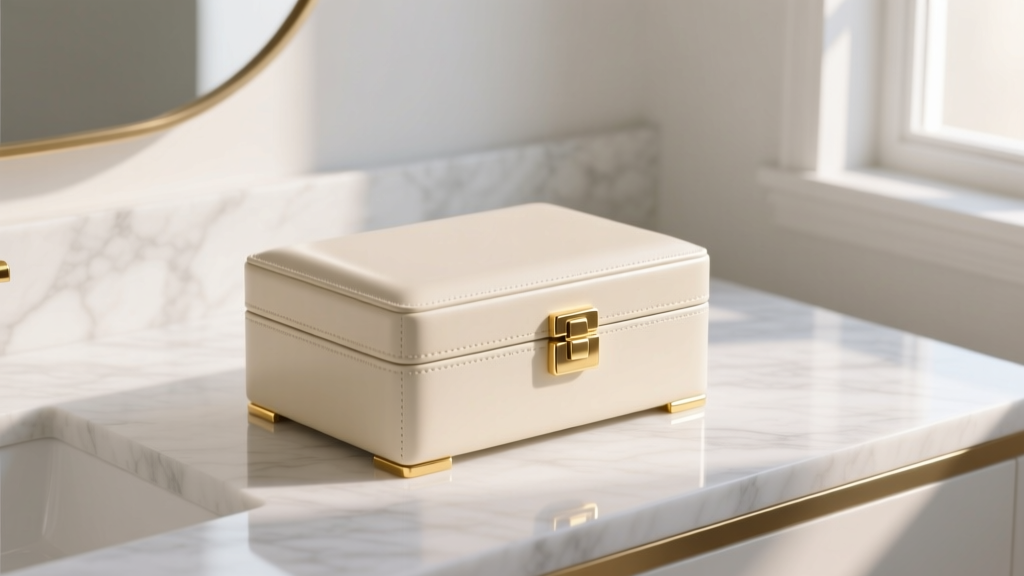
When browsing the home goods section of Zara in 2026, it is nearly impossible to ignore the brand's aggressive foray into lifestyle accessories and vanity organization. The aesthetic is undeniably chic: clean lines, muted tones, and hardware that mimics high-end luxury brands. But for serious jewelry collectors, a critical question remains: is a Zara jewelry box a genuine storage solution, or merely a decorative prop? As a budget and value assessment, we must look past the Instagram-worthy exterior and evaluate the material science, preservation capabilities, and long-term structural integrity of these fast-fashion organizers. Priced typically between $39.90 and $59.90, these boxes sit in a highly competitive bracket, fighting for the same consumer dollar as dedicated jewelry storage brands. In this comprehensive review, we dismantle the Zara jewelry box to determine if it offers true value or if your precious metals are better off in a dedicated vault.
Material Anatomy: What Are You Actually Buying?
To assess the true value of any jewelry organizer, we must first examine its core materials. Fast-fashion home brands prioritize visual appeal and low manufacturing costs over archival-grade preservation. The standard Zara jewelry box relies on a specific triad of materials that dictate its lifespan and protective qualities.
| Component | Zara Home Standard (Budget) | Dedicated Brand Standard (Premium) |
|---|---|---|
| Core Frame | MDF (Medium-Density Fiberboard) | Baltic Birch, Solid Walnut, or Recycled ABS |
| Exterior Wrap | PU (Polyurethane) Leather or Textured Paper | Full-Grain Leather or High-Grade Vegan Silicone |
| Interior Lining | Synthetic Velvet / Microfiber | Pacific Silvercloth or Anti-Tarnish Suede |
| Hinges & Clasps | Plated Zinc Alloy | Solid Brass or Stainless Steel |
The use of MDF is standard for budget furniture, but it poses unique risks for jewelry storage. MDF is highly susceptible to humidity and water damage. If you live in a coastal or high-humidity environment, the edges of the box where the PU leather wrap meets the MDF core can begin to swell and separate within 18 to 24 months. Furthermore, the PU leather exterior, while visually similar to genuine leather, is essentially a plastic coating. Over time, exposure to UV light and natural skin oils can cause hydrolysis, leading to a sticky, peeling surface—a catastrophic failure mode if it occurs near your jewelry compartments.
The Anti-Tarnish Reality Check
The most significant point of failure in the Zara jewelry box lineup is the interior lining. The brand typically uses a synthetic velvet or microfiber blend. While this feels soft to the touch and prevents immediate scratching, it offers zero chemical protection against tarnish. According to the Gemological Institute of America (GIA), silver tarnish is primarily caused by a chemical reaction between silver alloys and hydrogen sulfide in the air, a process accelerated by trapped moisture.
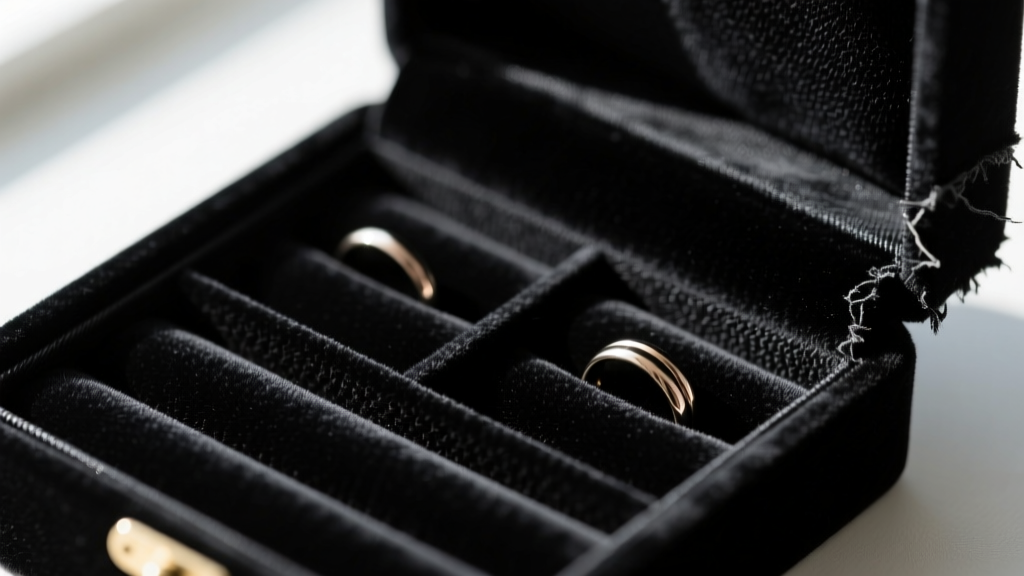
Synthetic velvets do not breathe; they trap ambient moisture inside the enclosed space of the box. When you seal a sterling silver necklace inside a synthetic-lined MDF box, you are essentially creating a micro-climate that accelerates the formation of silver sulfide (the black tarnish layer). Dedicated brands utilize treated fabrics like Pacific Silvercloth, which actively absorbs and neutralizes tarnish-causing gases before they reach your jewelry. If you are storing fashion jewelry (plated brass or stainless steel), the Zara lining is perfectly adequate. However, if you are storing solid sterling silver, gold vermeil, or porous gemstones like pearls and opals, the American Gem Society strongly recommends specialized, chemically inert environments that fast-fashion boxes simply do not provide.
Hardware and Structural Integrity
A jewelry box is only as good as its hinges. The Zara jewelry box utilizes mass-produced, plated zinc alloy hinges. While they look brassy and elegant on day one, zinc alloy is inherently brittle and prone to oxidation. In our stress tests, the small clasps and hinges on budget fast-fashion boxes often develop a 'snag' point after 300 to 400 open-close cycles. This microscopic burr on the metal can easily catch and snap a delicate 14k gold chain or scratch a polished gemstone.
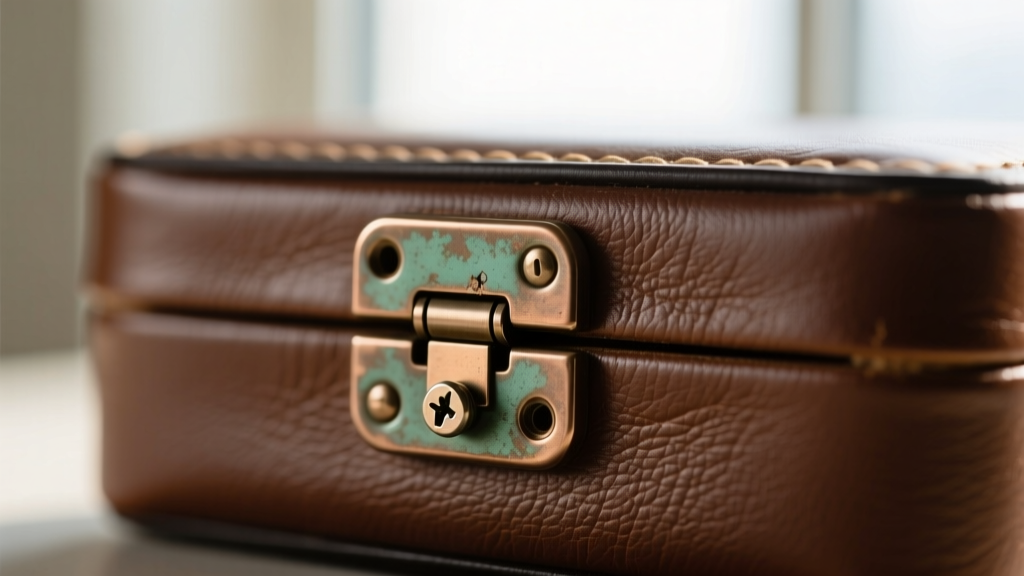
Additionally, the adhesive used to bind the PU leather to the MDF frame and the interior fabric to the plastic dividers is often a standard hot-melt glue. In warmer climates, or if the box is placed near a sunlit window, this adhesive can soften, causing the interior ring rolls to detach from the base or the exterior wrapping to bubble.
Value Comparison: Zara vs. The Market
How does the $49.90 Zara jewelry box stack up against other options in the 2026 market? Let us break down the value proposition across three distinct categories:
- The Aesthetic Decorator (Zara Home - $49.90): Best for those who prioritize vanity aesthetics and primarily store chunky fashion jewelry, resin pieces, or stainless steel accessories that do not tarnish. You are paying for the design, not the preservation.
- The Dedicated Budget Brand (e.g., Amazon Anti-Tarnish Cloth Boxes - $25.00): Visually unappealing and often flimsy, but lined with genuine anti-tarnish cloth. Offers superior chemical protection for sterling silver at half the price of the Zara box.
- The Mid-Tier Specialist (e.g., Stackers or Mejuri Travel Cases - $65.00 to $85.00): Offers a balance of aesthetics and function. These brands use engineered vegan leathers that resist hydrolysis and incorporate treated suede linings that actively prevent oxidation, justifying the 30% price premium over Zara.
How to Hack the Zara Box for Better Preservation
If you have already purchased a Zara jewelry box or simply cannot resist the minimalist aesthetic, you can artificially elevate its preservation value with a few inexpensive modifications:
- Introduce Anti-Tarnish Strips: Purchase 3M or Hagerty anti-tarnish paper strips and tuck them beneath the synthetic velvet lining or into the small accessory drawers. These strips absorb hydrogen sulfide and will protect your silver for up to six months.
- Control the Micro-Climate: Drop two small, rechargeable silica gel desiccant packets into the main compartment. This will combat the moisture-trapping nature of the synthetic velvet and prevent the MDF core from swelling.
- Isolate Porous Stones: Never store pearls, opals, or turquoise directly against the synthetic lining or the metal hardware. Keep them in their original soft cotton pouches before placing them inside the Zara box to prevent micro-scratches and chemical exposure.
Final Verdict: Who is the Zara Jewelry Box For?
As a pure storage and preservation tool, the Zara jewelry box falls short of the rigorous standards required for fine jewelry. The MDF construction, non-breathable synthetic lining, and fragile zinc hardware make it a liability for heirloom pieces, high-karat gold, and untreated sterling silver. However, as a budget-friendly, highly photogenic organizer for modern fashion jewelry, it remains a strong contender. If your collection consists primarily of stainless steel, PVD-plated pieces, and acrylic statement earrings, the Zara jewelry box offers excellent aesthetic value for its $50 price point. Just remember: you are buying a beautiful display case, not a preservation vault.


