How to Choose and Restore a Vintage Porcelain Jewelry Box
Learn how to authenticate, clean, and safely re-line a vintage porcelain jewelry box to protect your collection from tarnish and damage.

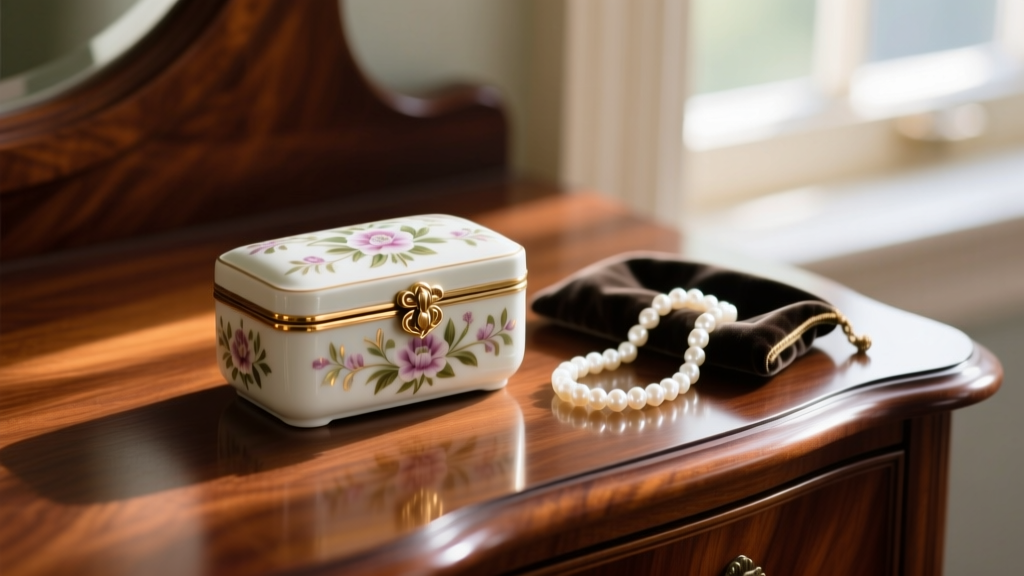
The Timeless Appeal of Porcelain for Jewelry Storage
When curating a jewelry storage system, collectors often overlook the exterior materials of their organizers, focusing solely on interior compartments. However, a vintage porcelain jewelry box offers a unique combination of aesthetic heritage and chemical stability that modern plastic or MDF alternatives simply cannot match. Porcelain is inherently non-porous when properly glazed, meaning it will not off-gas volatile organic compounds (VOCs) that can degrade delicate gemstones or react with precious metals.
For beginners stepping into the world of antique jewelry organization, sourcing a vintage porcelain piece is both a rewarding treasure hunt and a practical investment. Whether you are storing heirloom cameo brooches, everyday sterling silver rings, or delicate pearl strands, understanding how to select, authenticate, and properly restore these fragile vessels is critical. In this 2026 guide, we break down the exact material science, historical markers, and archival restoration techniques you need to safely integrate vintage porcelain into your modern jewelry care routine.
Decoding Maker's Marks and Porcelain Types
Not all porcelain is created equal. The durability of a vintage porcelain jewelry box depends heavily on its clay composition and firing temperature. According to Britannica's guide to porcelain composition, true hard-paste porcelain is fired at temperatures exceeding 1,400°C (2,550°F). This vitrification process makes the material glass-like, highly resistant to moisture, and incredibly durable despite its delicate appearance.
Hard-Paste vs. Soft-Paste
- Hard-Paste: Made from kaolin clay and petuntse. It rings with a clear, bell-like tone when gently tapped. This is the gold standard for jewelry storage as it resists micro-cracking.
- Soft-Paste: Fired at lower temperatures (around 1,200°C). It is more prone to chipping and can absorb moisture over time if the glaze is crazed (covered in fine spiderweb cracks).
- Bone China: A British variation incorporating bone ash. It is exceptionally white and translucent but requires careful handling to avoid stress fractures along the hinge lines.
Identifying Authentic Origins
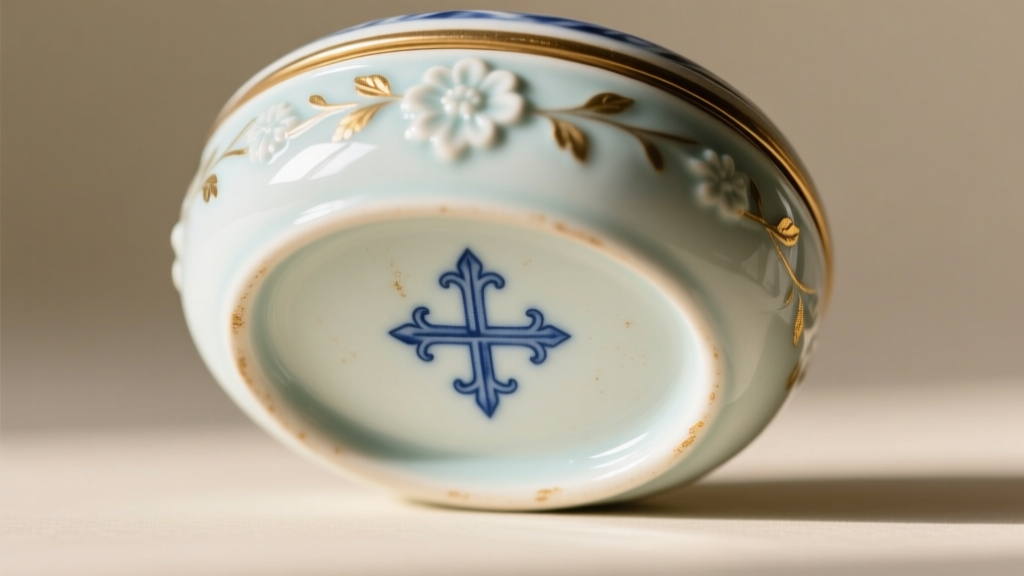
Authenticating your box requires examining the maker's mark, typically stamped or painted on the unglazed underside. Look for the crossed swords of Meissen (Germany), the intricate crests of Royal Worcester (England), or the specific artist signatures found on Limoges pieces from France. The Metropolitan Museum of Art's decorative arts archive provides excellent visual references for identifying 18th and 19th-century European ceramic marks.
The Tarnish Trap: Why Old Linings Damage Silver
Here is a hard truth that many vintage buyers discover too late: the original interior lining of a vintage porcelain jewelry box is often a hazard to your silver. Boxes manufactured between the 1890s and the 1950s were frequently lined with silk, velvet, or satin using animal-based hide glues and acidic synthetic dyes.
Expert Insight: As these vintage adhesives and fabrics degrade over decades, they release sulfur dioxide and acidic vapors. When trapped in the enclosed microclimate of a closed porcelain box, these gases react with sterling silver to form silver sulfide—the black tarnish that ruins polished pieces.
If you open a vintage box and notice a distinct musty odor, or if the velvet lining has turned a rusty brown or brittle, you must remove it immediately. Storing your jewelry in the original, unrestored lining will accelerate tarnishing far faster than leaving your pieces exposed to open air.
Step-by-Step Archival Re-Lining Guide
Restoring the interior of your vintage porcelain jewelry box is a straightforward process that requires patience and the right archival materials. Do not use standard craft glues or modern felt, as these often contain acidic sizing.
- Remove the Old Lining: Use a bamboo skewer or a plastic spudger to gently lift the edges of the old fabric. Avoid metal scrapers, which can scratch the interior glaze.
- Dissolve the Adhesive: Dampen a cotton swab with 99% isopropyl alcohol or a citrus-based adhesive remover. Gently roll it over the remaining glue residue. Never soak the porcelain, as liquid can seep into crazed glaze and stain the clay body.
- Cut Archival Material: Measure the interior base and lid. Cut pieces of Pacific Silvercloth or acid-free, lignin-free archival felt. Pacific Silvercloth is embedded with microscopic silver particles that intercept tarnishing gases before they reach your jewelry.
- Apply Archival Adhesive: Use a pH-neutral PVA (polyvinyl acetate) glue. Apply a razor-thin layer to the porcelain using a foam brush, wait 60 seconds for it to become tacky, and carefully press your new lining into place.
Market Valuation and Pricing Tiers
Understanding the market value of a vintage porcelain jewelry box helps you avoid overpaying for mass-produced reproductions while recognizing genuine antiques. Prices in the current 2026 market vary wildly based on provenance, condition, and the complexity of the hinge hardware.
| Maker / Origin | Era | Distinguishing Features | Estimated Price Range |
|---|---|---|---|
| Limoges (France) | 1890–1920 | Hand-painted florals, brass piano hinges, artist signed | $120 – $350 |
| Staffordshire (UK) | 1920–1940 | Transferware patterns, soft-paste, simple clasp | $40 – $85 |
| Occupied Japan | 1947–1952 | Marked 'Made in Occupied Japan', intricate lacework | $25 – $60 |
| Meissen (Germany) | 18th–19th C. | Crossed swords mark, hand-molded figurines on lid | $600 – $2,500+ |
Safe Cleaning Protocols for Antique Glazes
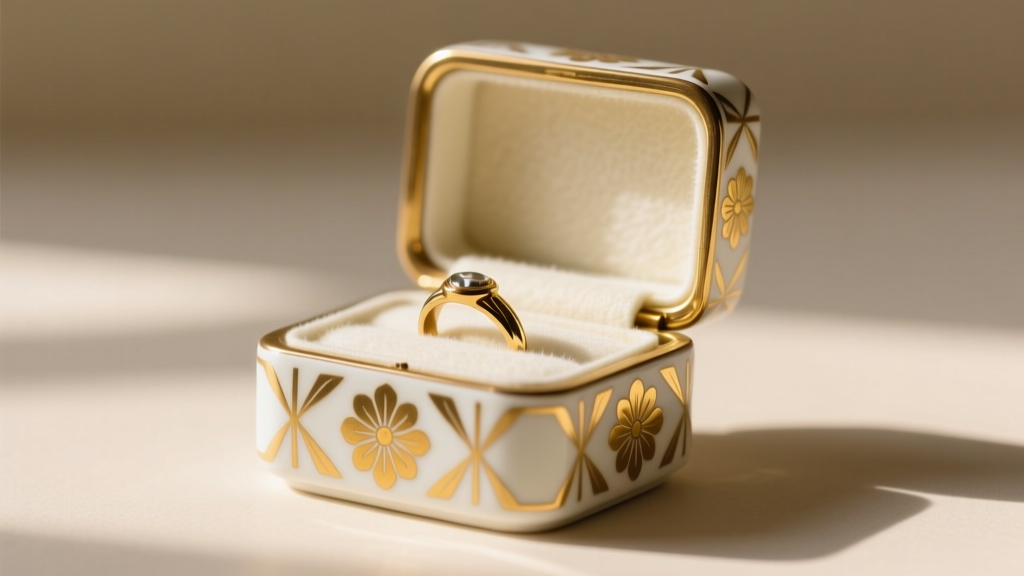
Maintaining the exterior of your vintage porcelain jewelry box requires a gentle touch. The painted enamels used in the 19th and early 20th centuries were often overglaze, meaning they sit on top of the clear protective layer and are highly susceptible to abrasion.
What to Avoid
Never use ultrasonic cleaners, baking soda pastes, or ammonia-based glass cleaners. These will strip the gold leaf detailing (which is often just 22-karat gold dust suspended in a flux) and dull the painted enamels. Furthermore, avoid submerging the box in water; the metal hinges are frequently made of ferrous pot metal or early brass alloys that will rust or seize when exposed to prolonged moisture.
The Proper Cleaning Method
Mix a few drops of pH-neutral dish soap (like Dawn) into a bowl of distilled water. Dip a microfiber cloth into the solution, wring it out until it is barely damp, and gently wipe the porcelain surface. Immediately dry the box with a separate, lint-free cotton cloth. For the metal hardware, use a dry, soft-bristled makeup brush to dust away debris from the hinge crevices without applying any liquid polishes that could drip onto the porcelain.
Final Thoughts on Curating Your Collection
A vintage porcelain jewelry box is more than just a pretty vessel; it is a piece of functional art that, when properly restored, provides a chemically stable environment for your most cherished accessories. By taking the time to authenticate the porcelain type, strip away hazardous vintage linings, and replace them with modern archival materials, you bridge the gap between historical craftsmanship and contemporary jewelry preservation. Whether you are housing a single diamond solitaire or a curated collection of vintage enamel pins, a properly prepped porcelain box ensures your treasures remain pristine for generations to come.


