How to Clean, Protect, and Maintain an Alabaster Jewelry Box
Learn how to properly clean, protect, and maintain your alabaster jewelry box to prevent etching, staining, and damage while keeping gems safe.

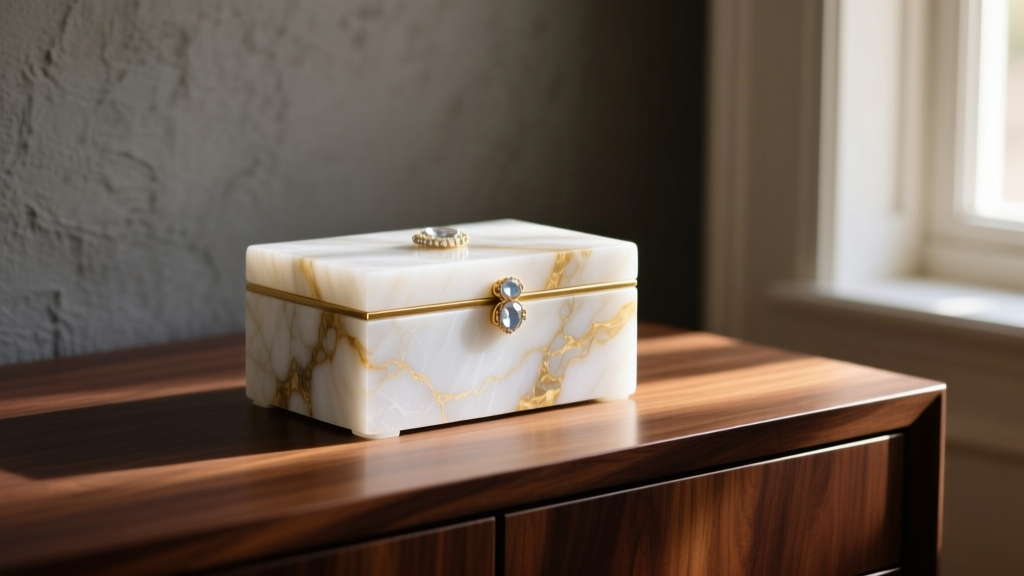
An alabaster jewelry box is more than just a storage solution; it is a sculptural statement piece that elevates any vanity or dresser. With its soft, translucent glow and unique natural veining, alabaster has been prized for centuries in decorative arts. However, its breathtaking beauty comes with a significant caveat: alabaster is an incredibly delicate, porous mineral that requires highly specific care. Unlike hardwood, leather, or acrylic organizers, an alabaster jewelry box can be permanently ruined by standard household cleaners, excessive moisture, and even the natural oils from your skin.
If you have invested in this luxurious stone vessel, understanding its geological vulnerabilities is the first step toward preserving it. This comprehensive guide will walk you through the exact, conservation-grade steps to clean, seal, and organize your alabaster jewelry box, ensuring it remains a pristine heirloom for decades to come.
Understanding Alabaster: Why It Needs Special Care
Before applying any cloth or cleaner to your storage piece, you must understand the material. True alabaster is a gypsum-based mineral, which registers at a mere 1.5 to 2 on the Mohs scale of mineral hardness. To put that into perspective, your fingernail is a 2.5, meaning you can actually scratch genuine alabaster with your nail. According to the Gemological Institute of America (GIA), materials with such low hardness and high porosity are highly susceptible to abrasion, chemical etching, and water absorption.
Furthermore, gypsum alabaster is slightly soluble in water. Prolonged exposure to humidity or liquid will cause the surface to dissolve, resulting in a dull, chalky, or pitted texture. It is also highly reactive to acids. Everyday vanity items like perfume, citrus-based lotions, and acidic silver polishes will instantly etch the surface, leaving permanent, cloudy white rings that cannot be wiped away. Recognizing these vulnerabilities is crucial for adapting your jewelry storage maintenance routine.
Step-by-Step Guide to Cleaning an Alabaster Jewelry Box
Forget everything you know about cleaning standard stone surfaces like granite or marble. The Getty Conservation Institute emphasizes that porous, soft stones require a minimalist, non-aqueous approach whenever possible. Follow these steps to safely remove dust and grime without damaging the stone's polished finish.
Step 1: Dry Dusting and Debris Removal
Never start with a wet cloth. Water acts as a solvent for gypsum. Instead, use a clean, ultra-soft makeup brush or a dedicated conservation dusting brush to gently sweep away loose dust, skin cells, and powder residues from the crevices, hinges, and interior corners of the box. This prevents abrasive particles from being ground into the soft stone during the wiping phase.
Step 2: The Damp Wipe Technique (No Soaking!)
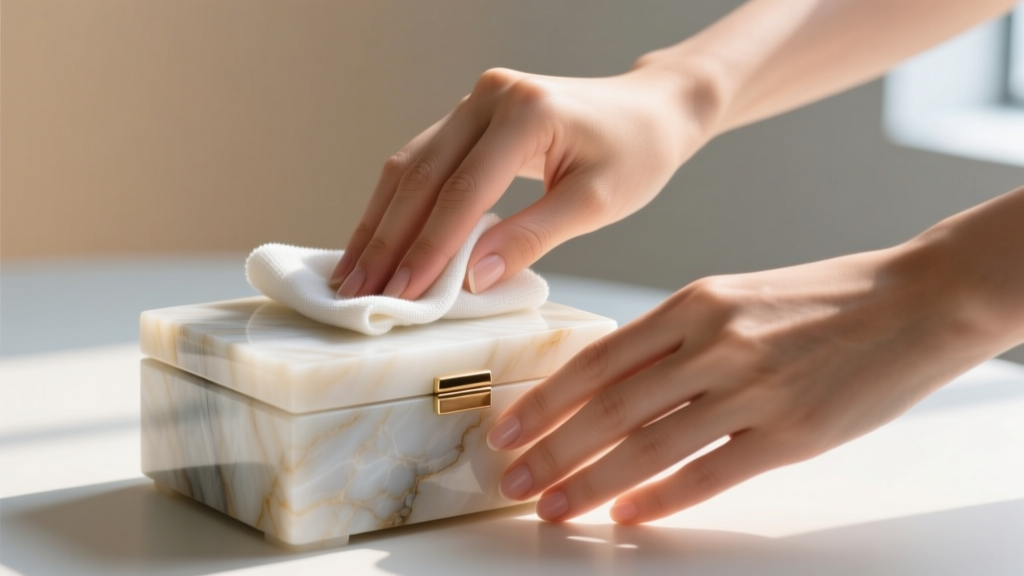
If the exterior has fingerprints or smudges, you must use a barely damp microfiber cloth. Use distilled water only—tap water contains minerals and chlorine that can leave micro-deposits and cause discoloration over time. Lightly mist the cloth (never spray the stone directly) and gently wipe the surface in small, circular motions. Work in small sections to ensure the moisture does not penetrate the stone's pores.
Step 3: Immediate Drying and Buffing
Moisture is the enemy of alabaster. Immediately after wiping a section with the damp cloth, follow up with a completely dry, lint-free cotton or microfiber towel. Buff the surface gently to restore its natural luster and ensure zero moisture remains on the surface or in the microscopic pores of the stone.
How to Protect Alabaster from Stains and Etching
Cleaning is only half the battle; proactive protection is what keeps an alabaster jewelry box looking flawless on a busy vanity. Because the stone is naturally porous, it will absorb oils from your hands and ambient humidity. To combat this, museum conservators use microcrystalline wax to seal soft stones.
Applying a Microcrystalline Wax Sealant
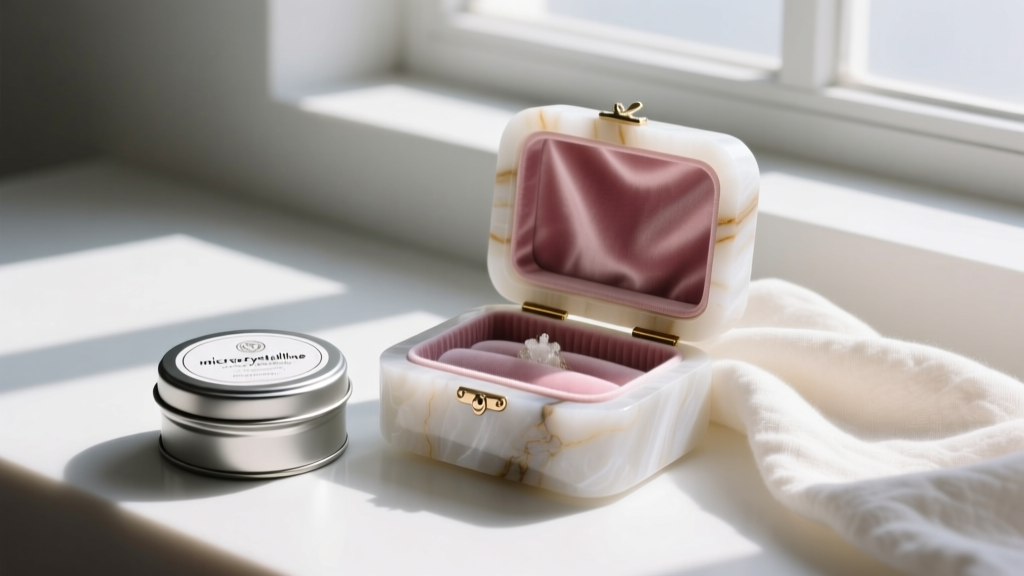
Products like Renaissance Wax (a staple in the Smithsonian Museum Conservation Institute) are ideal because they are pH-neutral, non-yellowing, and provide a hard, moisture-resistant barrier. To apply, use a soft cotton cloth to rub a microscopically thin layer of wax over the exterior of the dry, clean box. Allow it to haze for 15 to 20 minutes, then buff it vigorously with a clean cloth until the surface is smooth and glossy. Reapply this sealant every six months to maintain the protective barrier.
Common Household Hazards to Avoid
Keep your alabaster box away from the following common vanity items to prevent irreversible chemical etching and staining:
| Hazard | Effect on Alabaster | Prevention Strategy |
|---|---|---|
| Perfume & Body Mist | Alcohol and essential oils dissolve the wax sealant and etch the gypsum, leaving cloudy spots. | Apply fragrance and let it dry completely before handling the jewelry box. |
| Silver Polish | Highly abrasive and chemically reactive; will strip the polish and stain the porous stone black. | Polish silver jewelry over a separate towel, far away from the alabaster surface. |
| Tap Water & Humidity | Minerals in tap water cause scaling; high humidity softens the gypsum structure. | Keep the box in a climate-controlled room; use silica gel packets inside the interior. |
| Citrus Lotions | Acidic compounds instantly eat away at the calcium and gypsum bonds, causing permanent pitting. | Wash and dry hands thoroughly before opening the box to retrieve your daily pieces. |
Organizing Jewelry Inside an Alabaster Box
The interior of an alabaster jewelry box presents its own set of organizational challenges. While the exterior is polished, the interior is often left rougher or lined with a basic fabric that may degrade over time. Properly organizing the interior protects both your fine jewelry and the stone itself.
Lining the Interior to Prevent Scratches
Heavy metal jewelry, sharp prongs, and diamond edges can easily scratch the soft interior walls of the box if it is unlined or poorly padded. If your box lacks a high-quality insert, line the bottom and sides with acid-free, anti-tarnish felt or plush velvet. Avoid using adhesives or double-sided tape to secure the lining, as the glue will seep into the porous alabaster and cause permanent yellow or brown staining. Instead, use custom-cut inserts that fit snugly via friction.
Weight Distribution and Structural Integrity
While alabaster feels heavy and substantial, it is geologically brittle and lacks tensile strength. Overloading one side of a large alabaster box with heavy silver bangles or chunky metal watches can create stress fractures, especially near the hinges or the lid's connection points. Distribute the weight of your jewelry evenly across the base, and avoid resting heavy items on the lid when it is open.
Troubleshooting Common Alabaster Issues
Even with meticulous care, accidents happen. Here is how to troubleshoot the most common issues associated with alabaster jewelry storage:
- Water Spots and Rings: If water has left a cloudy white ring, do not scrub it. The moisture has likely penetrated the wax sealant and slightly dissolved the surface gypsum. Apply a tiny amount of microcrystalline wax to the spot, let it sit, and buff it gently. This often rehydrates the visual appearance of the stone and masks the cloudiness.
- Minor Surface Scratches: Because alabaster is a 1.5 on the Mohs scale, micro-scratches from rings and bracelets are inevitable. You can gently buff out very fine surface scratches using a dry, ultra-fine 0000-grade steel wool pad, moving in the direction of the natural stone grain. Follow up immediately with a wax sealant.
- Dullness and Loss of Luster: If the box looks chalky and dull, it has likely been exposed to high humidity or harsh cleaners. A thorough dry buffing followed by a fresh, generous coat of conservation wax will restore the translucent, glowing finish that makes alabaster so desirable.
Final Thoughts on Stone Care
Maintaining an alabaster jewelry box requires a shift in how you interact with your vanity space. By treating the stone not just as a container, but as a delicate geological specimen, you ensure its longevity. Stick to dry dusting, distilled water for emergencies, and a strict microcrystalline wax sealing schedule. When paired with a plush, anti-tarnish interior lining, your alabaster box will remain a stunning, functional sanctuary for your most treasured jewelry pieces for years to come.


