I'll Put Love In A Jewelry Box: Preserving Sentimental Heirlooms
Learn how to safely store irreplaceable heirloom jewelry. Discover museum-grade archival materials, humidity controls, and expert troubleshooting tips.

The True Meaning of Safeguarding Sentimental Jewelry
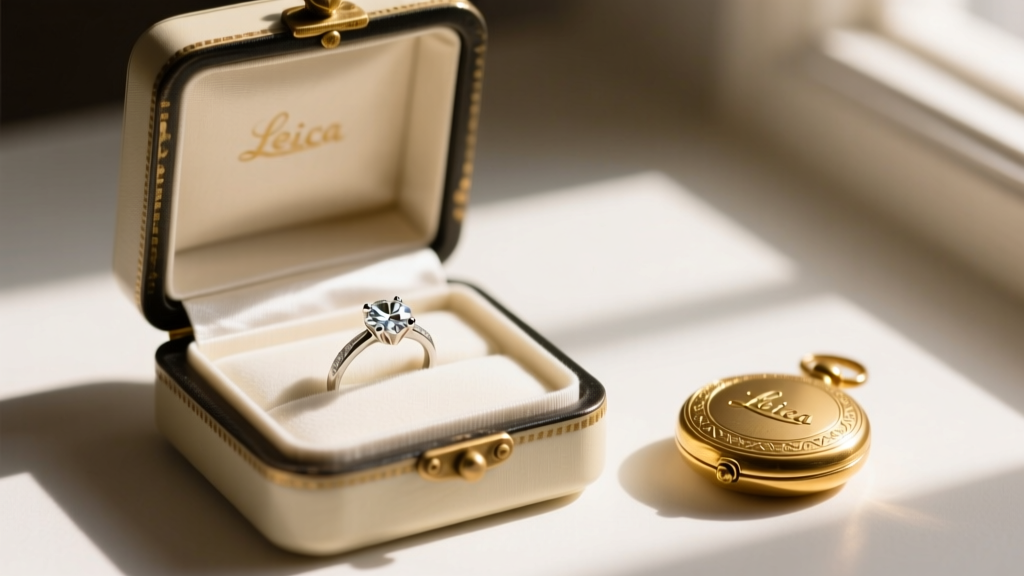
When we say, 'I'll put love in a jewelry box,' we are usually speaking metaphorically about safeguarding our most precious memories. An inherited Edwardian locket, a grandmother's natural pearl strand, or a vintage engagement ring are not just accessories; they are physical manifestations of family history. However, from a conservation standpoint, the act of placing these irreplaceable items into a standard commercial jewelry box is often the very thing that destroys them.
The core problem most collectors and families face is a lack of awareness regarding material science. Standard jewelry organizers are manufactured for visual appeal and low cost, not for long-term preservation. This guide serves as a comprehensive troubleshooting manual for identifying storage-induced damage and engineering a museum-grade archival environment for your most sentimental pieces.
The Chemical Warfare Inside Standard Jewelry Boxes
Mass-produced jewelry boxes are often constructed with materials that actively degrade precious metals and organic gemstones. The primary culprit is Polyvinyl Chloride (PVC). When PVC breaks down, it releases hydrochloric acid gas, which rapidly accelerates the tarnishing of sterling silver and can cause microscopic pitting in karat gold alloys. Furthermore, the synthetic velvets used to line these boxes are highly abrasive to high-purity gold (22k and 24k) and trap ambient moisture against gemstone settings, leading to prong corrosion.
According to the Canadian Conservation Institute, avoiding off-gassing materials is the first rule of preventive conservation. Below is a breakdown of material substitutions required to transition from commercial storage to archival preservation.
| Component | Standard Commercial Box | Museum-Grade Archival Alternative |
|---|---|---|
| Plastics & Dividers | PVC, Polystyrene (Off-gasses acids) | Polyethylene (PE), Polypropylene (PP), Mylar |
| Interior Linings | Synthetic Velvet, Polyurethane Foam | Unbuffered Acid-Free Tissue, Tyvek, Cotton Flannel (washed) |
| Adhesives | Rubber cement, Animal glues, Hot melt | Acrylic adhesives, Heat sealing, Stainless steel staples |
| Hardware & Hinges | Uncoated Brass, Zinc alloys | Lacquered Brass, 316 Stainless Steel |
| Wood Substrates | Raw Oak, MDF (Emits formaldehyde) | Sealed Maple, Anodized Aluminum, Acrylic |
Troubleshooting Specific Heirloom Vulnerabilities
Different materials react to poor storage environments in distinct ways. Troubleshooting heirloom damage requires identifying the specific failure mode of the material in question.
Sterling Silver and the Sulfide Problem
Silver tarnish is not a surface dirt issue; it is a chemical reaction between silver and hydrogen sulfide (H2S) in the air, forming silver sulfide. Storing silver in airtight plastic bags traps existing H2S and moisture, accelerating the blackening process. The Fix: Wrap silver pieces in Pacific Silvercloth, a specialized cotton flannel embedded with microscopic silver particles. These particles act as a sacrificial anode, absorbing the sulfides before they reach your heirloom. Pair this with 3M Anti-Tarnish strips, which absorb airborne sulfur compounds for up to six months.
Opals, Emeralds, and Dehydration Crazing
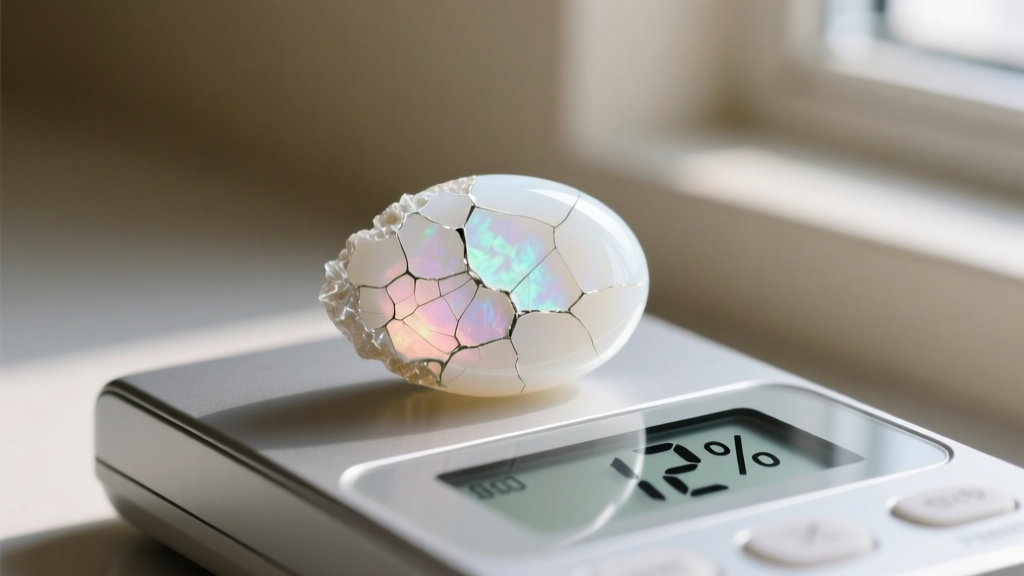
Organic and porous gemstones contain structural water. Opals typically contain between 3% and 21% water. When stored in environments with low relative humidity (below 30%), such as near heating vents or in standard safes with desiccants, opals lose their water content and develop a network of microscopic fractures known as 'crazing.' Similarly, emeralds are almost always treated with cedar oil to mask natural fissures; dry environments cause this oil to evaporate, leaving the stone looking cloudy and heavily included. The Gemological Institute of America (GIA) strictly advises against storing opals in overly dry conditions or exposing them to sudden temperature shifts.
Natural Pearls and Conchiolin Degradation
Pearls are composed of calcium carbonate crystals held together by an organic protein called conchiolin. If stored in an airtight plastic environment, pearls cannot 'breathe,' causing the conchiolin to dry out, yellow, and eventually crack. Furthermore, buffered acid-free tissue (which contains calcium carbonate) can cause long-term chemical imbalances. The Fix: Store pearl strands flat—not hung, which stretches the silk thread—in unbuffered acid-free tissue paper inside a well-ventilated, non-plastic container. For deep cleaning and restringing protocols, refer to the GIA Pearl Care Guidelines.
Sourcing Museum-Grade Archival Storage Components
To build a true 'love box' that preserves heirlooms for the next century, you must source materials from archival conservation suppliers rather than standard jewelry retailers. Companies like Gaylord Archival, University Products, and Talas supply the exact materials used by the Smithsonian and the Met.
- Enclosures: Look for corrugated polyethylene (Coroplast) or archival-grade polypropylene boxes. These are chemically inert and will not off-gas.
- Cushioning: Use unbuffered, acid-free, lignin-free tissue paper to stuff hollow items like vintage lockets or brooches to prevent structural collapse. Avoid standard cotton batting, which often contains bleaching agents and sulfur.
- Dividers: Use Mylar (polyester) sheets to separate pieces. Mylar is completely inert, crystal clear, and prevents metal-to-metal contact without scratching.
Designing the Ultimate Environmental Microclimate
Temperature and humidity fluctuations are the silent killers of heirloom jewelry. The ideal storage environment maintains a stable temperature of 65°F to 70°F (18°C to 21°C) and a Relative Humidity (RH) of 45% to 55%. Achieving this inside a localized storage box requires active microclimate management.
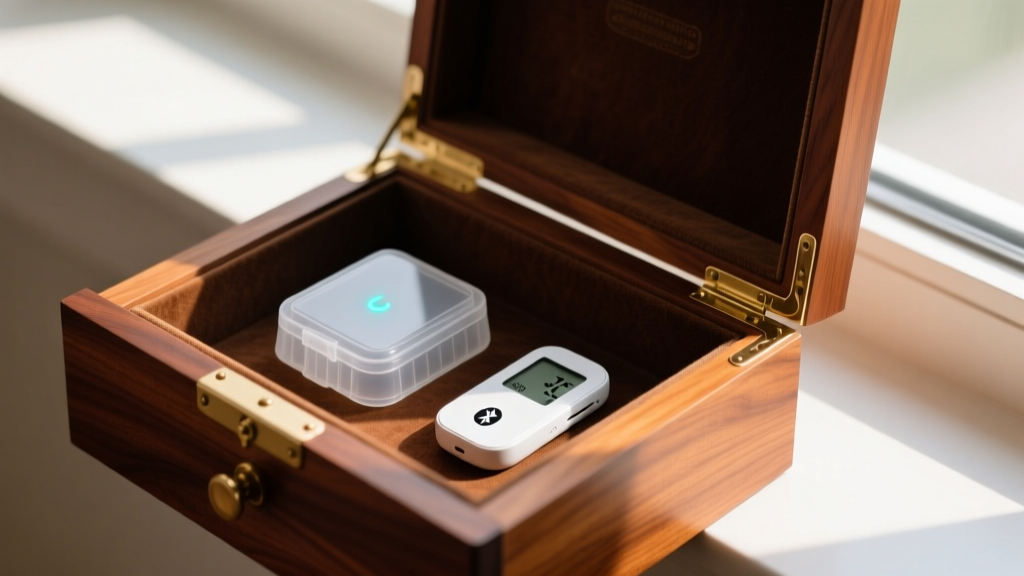
Instead of loose silica gel packets (which can over-dry the environment and crush against delicate prongs), invest in conditioned silica gel cassettes from brands like Prosorb. These cassettes can be preconditioned to maintain exactly 50% RH. If the environment gets too humid, the silica absorbs moisture; if it gets too dry, the silica releases it. Place a smart Bluetooth hygrometer (such as a SensorPush) inside the chest to monitor RH levels remotely via your smartphone, ensuring your microclimate remains stable year-round.
Security and Fire Mitigation
Preservation also means protecting the physical asset from catastrophic loss. While archival materials protect against chemical degradation, they offer no defense against fire or theft. If you are storing high-value sentimental pieces in a home safe, the safe must carry a UL-rated fire certification (e.g., UL 72 Class 350), which guarantees the interior temperature will not exceed 350°F for at least one hour in a 1700°F fire. Standard 'fireproof' document bags often fail under direct flame and can melt onto the jewelry they are meant to protect.
Furthermore, ensure the safe is bolted directly to the structural framing of the floor. A heavy, unbolted safe can easily be removed by intruders and opened off-site. By combining physical security with museum-grade chemical preservation, you ensure that when you say, 'I'll put love in a jewelry box,' that love remains pristine, untarnished, and structurally sound for generations to come.


