Jewelry Gift Certificate Buying Guide: What to Look For & Avoid
Discover what to look for when buying a jewelry gift certificate. Learn about expiration laws, brand perks, and how to choose the perfect option.

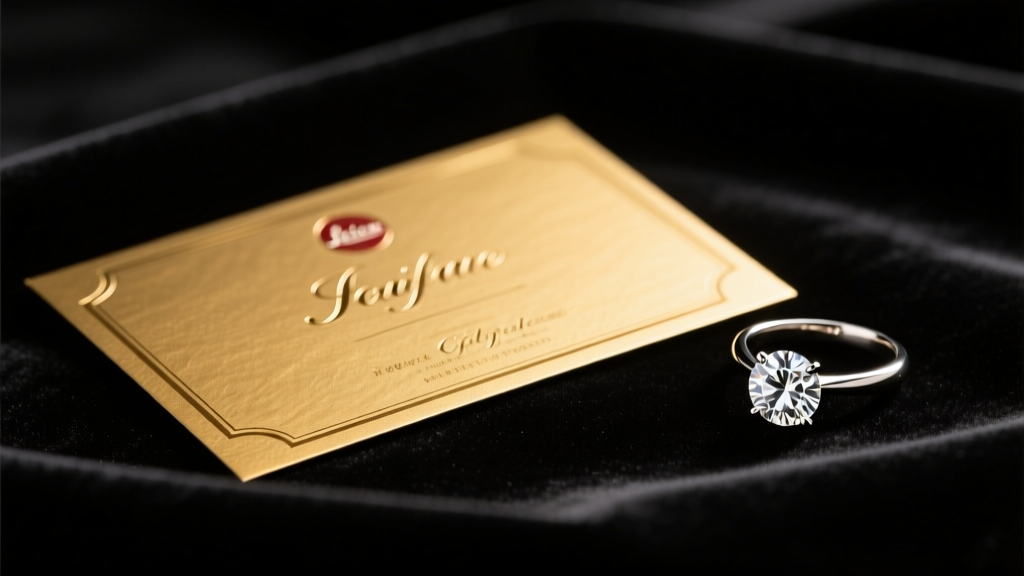
Gifting fine jewelry is an inherently intimate act, but it is also fraught with logistical landmines. Guessing a partner's exact ring size, metal preference, or gemstone cut can turn a romantic gesture into an exchange nightmare. Enter the jewelry gift certificate: a versatile, high-value alternative that empowers the recipient to choose their perfect piece. However, not all certificates are created equal. From complex state-level expiration laws to funding bespoke CAD designs, purchasing a jewelry gift certificate requires strategic foresight. This comprehensive buying guide breaks down exactly what to look for, what to avoid, and how to maximize the sentimental and financial value of your gift.
Physical vs. Digital: Evaluating the Format
The first decision you will face is whether to purchase a traditional paper certificate or a digital gift card. While they serve the same fundamental purpose, their utility, presentation, and legal protections differ significantly. Independent bench jewelers often rely on physical, serialized paper certificates, whereas large-scale chains and e-commerce brands utilize digital, barcode-driven gift cards.
| Feature | Physical Paper Certificate | Digital Gift Card / E-Certificate |
|---|---|---|
| Presentation | High-end, tactile, often foil-stamped; ideal for handing over in a greeting card. | Instant delivery via email; lacks physical weight but highly convenient. |
| Redemption | Usually requires in-store presentation; manual ledger tracking by the jeweler. | Can be redeemed online or in-store via barcode or PIN code. |
| Loss/Theft Risk | High; if lost, it is rarely replaceable as it functions like cash. | Moderate; digital codes can often be reissued by customer support. |
| Legal Protections | Varies wildly by state; some states exempt paper from federal expiry laws. | Generally protected under the federal CARD Act (minimum 5-year validity). |
If you are gifting an heirloom-level budget (e.g., $5,000+ for an engagement ring), a physical certificate presented in a leather folio carries the appropriate ceremonial weight. For smaller budgets or last-minute gifts, digital is the pragmatic choice.
Decoding the Fine Print: Expiration Dates and Dormancy Fees
The most critical aspect of buying a jewelry gift certificate is understanding the legal framework governing its lifespan. Many consumers mistakenly believe all gift instruments are protected by the Federal CARD Act of 2009, which mandates that gift cards cannot expire for at least five years and bans dormancy fees within the first 12 months of inactivity. However, the legal distinction between a "gift card" and a "gift certificate" can dramatically alter your protections.
"Under federal law, gift cards must be valid for at least five years. However, paper gift certificates, promotional certificates, and items issued by specific small businesses may be exempt from these federal protections, defaulting instead to state-level statutes."
State laws offer a patchwork of regulations. For example, under Jewelers of America guidelines and state-specific consumer protection laws, states like California (Civil Code 1749.5) and Florida mandate that gift certificates cannot have an expiration date whatsoever, nor can they charge service fees. Conversely, in states with laxer regulations, a paper certificate from a local jeweler could legally expire in 12 months. Actionable Advice: Always flip the certificate over and read the terms. If the jeweler's website does not explicitly state "No Expiration," call the store to confirm their policy and get the name of the manager you spoke with.
Funding Bespoke Commissions and Custom CAD Work
A jewelry gift certificate is not just for buying pre-made inventory off the shelf; it is an exceptional tool for funding bespoke jewelry commissions. Custom jewelry involves multiple financial milestones, and a certificate can be applied to specific phases of the creation process.
Where Certificates Add the Most Value in Custom Work
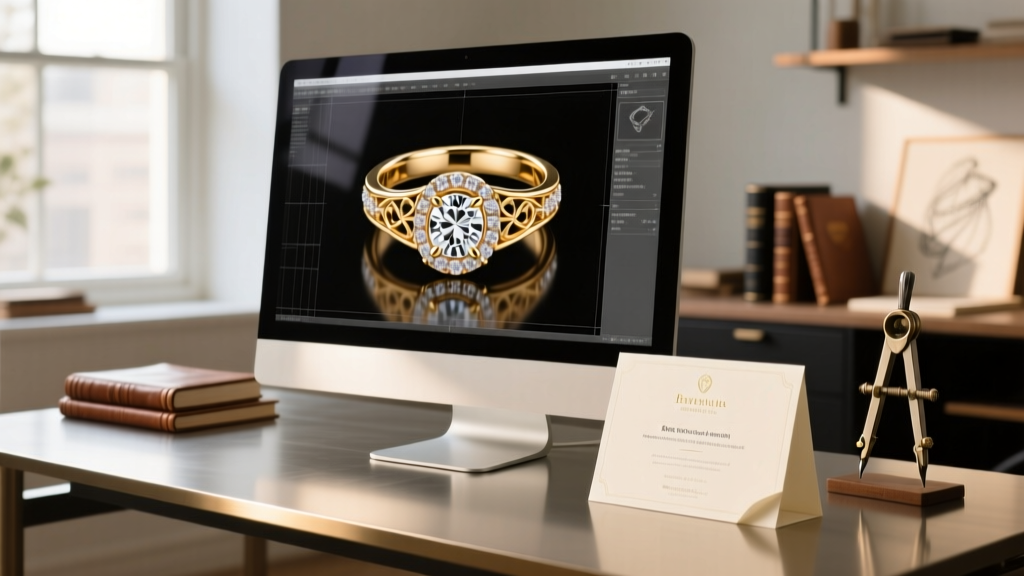
- CAD Design Fees: Before a ring is cast, a 3D Computer-Aided Design (CAD) model is created. This non-refundable service typically costs between $150 and $500. A certificate perfectly covers this initial hurdle.
- Gemstone Sourcing Deposits: If the recipient wants to hand-select a natural sapphire or an antique Old European Cut diamond, jewelers often require a deposit to source loose stones from diamond dealers. Certificates can secure these sourcing trips.
- Metal Upgrades: A recipient might have their heart set on a specific setting but want to upgrade the metal from standard 14k gold to 18k gold or platinum. A certificate acts as a dedicated "upgrade fund" for the metal premium.
When purchasing a certificate for bespoke work, ask the jeweler to write "For Custom Design Consultation and CAD Services" on the physical document. This signals to the recipient that they are being invited into the creative process, not just handed a store credit.
Assessing Retailer Financial Stability
When you buy a jewelry gift certificate, you are effectively acting as an unsecured creditor to that business. If the jewelry store goes out of business or files for bankruptcy before the certificate is redeemed, the funds are typically lost. This risk is negligible with legacy brands like Tiffany & Co. or Cartier, but it is a genuine concern when purchasing from independent mall kiosks, pop-up gem shows, or struggling local storefronts.
To mitigate this risk, evaluate the jeweler's footprint. Have they been in the same physical location for over a decade? Are they accredited by the Better Business Bureau or members of the American Gem Society (AGS)? If you are buying a high-value certificate (over $2,000) from a smaller independent jeweler, consider purchasing it with a credit card that offers extended purchase protection, and redeem it sooner rather than later.
Elevating the Presentation: The Placeholder Strategy
Handing over a paper envelope can feel anti-climactic, especially for milestone events like anniversaries or graduations. To solve this, industry experts recommend the "Placeholder Strategy." Pair the jewelry gift certificate with a tangible, jewelry-adjacent item that the recipient can unwrap immediately.
- The Loupe and Light: Pair the certificate with a professional 10x triplet jeweler's loupe and a UV flashlight. This is a brilliant way to say, "You are going to use these tools to pick out your own diamond."
- The Travel Case: Gift a high-quality leather jewelry travel roll or a velvet-lined watch box, placing the certificate inside the main compartment.
- The Care Kit: Include a premium ultrasonic jewelry cleaner, a polishing cloth, and a horsehair brush. It sets the expectation of fine jewelry maintenance.
Final Pre-Purchase Checklist
Before you finalize your transaction at the register or online checkout, run through this rapid verification checklist to ensure your investment is protected:
- Verify the Expiration Policy: Is it compliant with your state's consumer protection laws? Is there a dormancy fee?
- Confirm Transferability: Can the recipient use this certificate across all of the brand's retail locations, or is it restricted to the single franchise store where you bought it?
- Check the Tax Implications: In most jurisdictions, sales tax is applied when the jewelry is purchased, not when the certificate is bought. Ensure the recipient knows the certificate covers the pre-tax retail price.
- Secure the Receipt: Keep the original purchase receipt in a safe place. If a physical certificate is lost or destroyed in a fire, the point-of-sale receipt is often the only way a jeweler's corporate office can verify the transaction and reissue the funds.
By approaching a jewelry gift certificate not as a cop-out, but as a strategic financial instrument, you grant the recipient the ultimate luxury: the freedom to curate their own collection while enjoying a premium, guided retail experience.