Masonic Jewelry for Men: A Budget & Value Buyer's Guide
Discover how to evaluate masonic jewelry for men. We break down metal grades, pricing tiers, and symbolism to help you find authentic, high-value gifts.

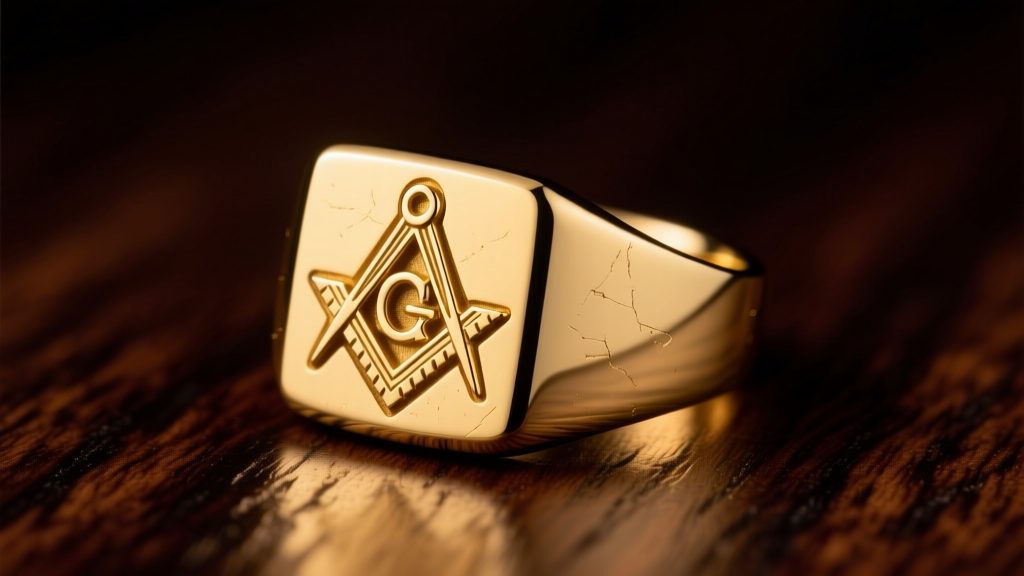
Finding the perfect gift for a husband, father, or brother who is a Freemason requires navigating a niche market steeped in history, symbolism, and varying levels of craftsmanship. Masonic jewelry for men is not merely decorative; it serves as a profound reminder of moral teachings, fraternal bonds, and personal milestones within the lodge. However, as precious metal prices continue to fluctuate in 2026, buyers must be highly strategic to avoid overpaying for mass-produced trinkets or inadvertently purchasing base-metal counterfeits that tarnish and degrade.
This comprehensive budget and value assessment breaks down the true cost of fraternal jewelry. We will evaluate metal grades, analyze the pricing differences between Blue Lodge and appendant body regalia, and provide a practical framework for authenticating vintage pieces. Whether you are shopping for a classic Square and Compasses signet ring or a specialized Scottish Rite pendant, this guide ensures your investment honors the tradition without compromising on material integrity.
The True Cost of Fraternal Symbolism: Market Overview
The market for Masonic jewelry is uniquely bifurcated. On one end, you have authorized lodge vendors and specialized heritage jewelers who produce solid gold and sterling silver pieces using traditional die-striking and lost-wax casting methods. On the other end, the internet is flooded with ultra-cheap, mass-produced alloy rings featuring vague geometric symbols that lack official recognition or material longevity.
When evaluating masonic jewelry for men, it is crucial to understand that you are paying for two distinct factors: the intrinsic melt value of the precious metal and the specialized labor required to accurately render complex fraternal heraldry. According to the Scottish Rite Northern Masonic Jurisdiction, the symbols used in Masonry are deeply specific, and reputable jewelers invest heavily in precision tooling to ensure the proportions of the Square and Compasses, the double-headed eagle, or the Knights Templar cross are historically and geometrically accurate. Budget buyers often make the mistake of prioritizing heavy, oversized designs over metal purity, ending up with brass rings coated in a microscopic layer of gold electroplating that wears off within months of daily wear.
Decoding Metal Grades and Pricing Tiers
To assess value accurately, you must look past the product photos and scrutinize the metal hallmarks. The durability and pricing of Masonic rings and pendants are directly tied to their metallurgical composition. The Gemological Institute of America (GIA) notes that the alloy mix in gold jewelry dictates both its color and its resistance to scratching and deformation—a critical factor for men who wear their rings during manual labor or daily tasks.
| Metal Type & Grade | Typical Price Range | Durability & Wear Profile | Value Assessment |
|---|---|---|---|
| 10k Yellow/White Gold | $150 - $300 | Highly durable, resists scratching, slightly paler color. | Excellent budget choice for daily-wear signet rings. |
| 14k Solid Gold | $350 - $800+ | Industry standard, rich color, balances purity and strength. | Best overall value for heirloom-quality gifts. |
| 925 Sterling Silver | $80 - $200 | Prone to tarnish from sulfur and skin acidity, softer metal. | Great for pendants; less ideal for heavy manual labor rings. |
| Tungsten Carbide | $40 - $120 | Extremely scratch-resistant, but brittle and cannot be resized. | Good for tight budgets, but lacks traditional heirloom value. |
| Zinc Alloy / Brass (Plated) | $15 - $45 | Poor. Plating flakes, base metal turns skin green. | Avoid entirely. Fails the basic test of fraternal respect. |
For buyers seeking the best intersection of budget and prestige, 10k gold remains the undisputed champion for men's Masonic rings. Because it contains 41.7% pure gold mixed with strengthening alloys like copper and zinc, it withstands the impacts of daily wear far better than 18k gold, which is prone to denting and losing intricate engraved details over time.
Symbolism, Appendant Bodies, and Craftsmanship
The specific Masonic order to which your recipient belongs heavily influences the price and availability of the jewelry. The foundational Blue Lodge (Craft Masonry) utilizes the Square and Compasses, often with a 'G' in the center. Because this is the most common symbol, jewelers produce these designs in high volume, keeping costs relatively low. You can easily find a high-quality, solid 10k gold Blue Lodge ring in the $180 to $250 range.
The Premium of Appendant Bodies
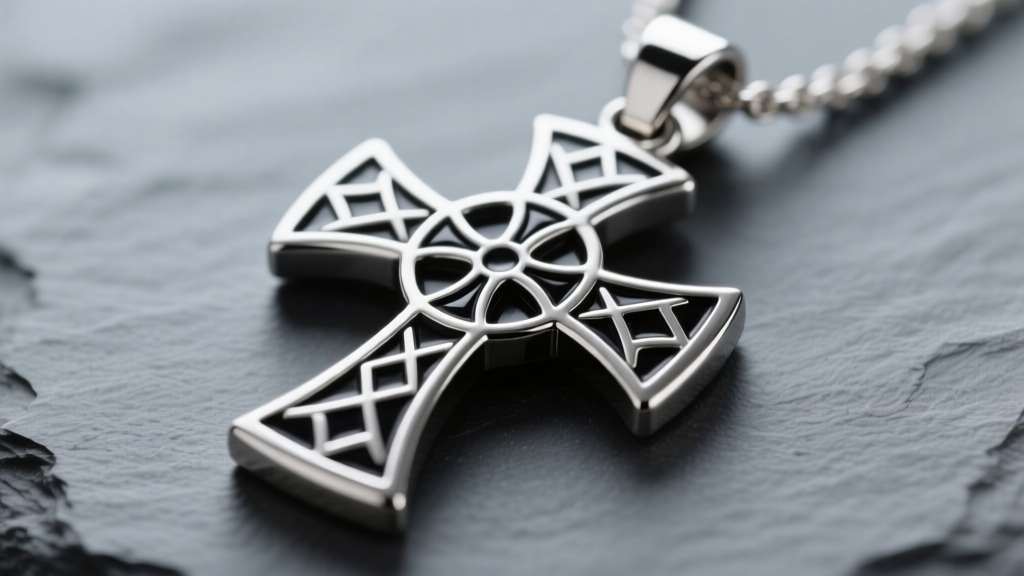
Conversely, jewelry representing appendant bodies—such as the Scottish Rite (featuring the 33rd Degree double-headed eagle), the York Rite, or the Knights Templar (featuring the red and black cross)—often commands a 20% to 40% premium. These pieces require more complex multi-axis casting and frequently incorporate vitreous enameling. The Scottish Rite eagle, for instance, requires precise detailing on the feathers and the triangle, which increases the jeweler's bench time. When budgeting for these specialized pieces, expect to pay a minimum of $400 for a solid gold pendant or ring of acceptable weight (at least 4 to 6 grams).
Enamel vs. Solid Metal Inlay: A Durability Assessment
Many Masonic rings feature black, blue, or red enamel to make the symbols pop against the gold or silver background. When assessing value, you must determine whether the jeweler is using soft epoxy resin or hard vitreous enamel. Epoxy is cheap, applied by hand in a liquid state, and will eventually yellow, chip, or peel when exposed to hand sanitizers, UV light, and temperature changes. Vitreous enamel, however, is powdered glass fired at high temperatures. It is incredibly durable, retains its color indefinitely, and is a hallmark of a jeweler who refuses to cut corners. Always ask the vendor if the piece is 'cold enameled' (epoxy) or 'fired' (vitreous) before making a purchase over $200.
Authenticating Vintage vs. Modern Masonic Pieces
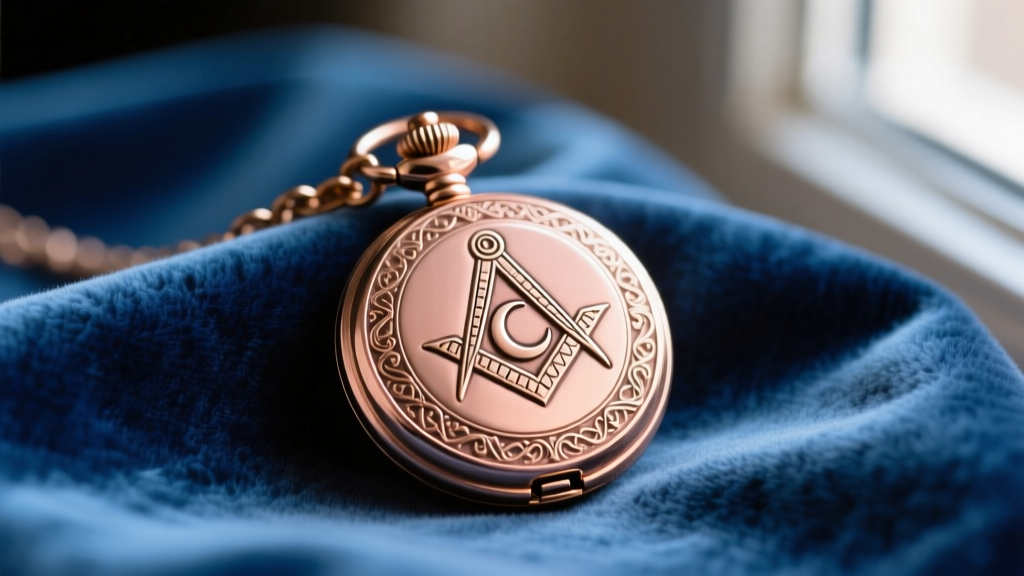
One of the most effective strategies for acquiring high-value Masonic jewelry on a budget is to explore the antique and estate jewelry market. Vintage Masonic pocket watch fobs, lapel pins, and signet rings from the early to mid-20th century offer exceptional value. During this era, it was common for jewelers to cast pieces in 10k or 14k rose and yellow gold with substantial metal weight, often featuring hand-engraved scrollwork on the shanks that is prohibitively expensive to replicate today.
When shopping vintage, look for the 'Shriners' crescent and scimitar, or the '32nd Degree' eagle. To authenticate and assess value, check the interior of the ring band or the bail of the pendant for a stamped karat mark (e.g., '10K', '14K') and a maker's mark. Be highly suspicious of modern 'vintage-style' rings that lack hallmarks or feature a uniform, overly bright polish that indicates modern CNC machining rather than historical casting. A genuine vintage 10k gold Masonic fob can often be acquired for $150 to $250 at estate sales or specialized online auctions, offering a heavier gold weight and superior historical character compared to a brand-new, mass-produced modern equivalent.
Final Verdict: Maximizing Your Budget
Purchasing masonic jewelry for men requires a balance of respect for the institution and a sharp eye for metallurgical reality. To maximize your budget, avoid the trap of oversized, gold-plated base metals that degrade quickly. Instead, focus your budget on solid 10k or 14k gold, prioritizing the accuracy of the symbolism and the quality of the casting over sheer size. If your recipient belongs to an appendant body like the Knights Templar or the Shriners, be prepared to invest slightly more for the specialized tooling required to render their specific heraldry. Finally, do not overlook the vintage market, where mid-century craftsmanship offers an unmatched ratio of gold weight, historical resonance, and affordability. By applying these value assessment principles, you will secure a meaningful, enduring gift that honors his fraternal journey for decades to come.