How to Tell if Your Jewelry is Real: A Trend Analyst's Guide
Learn how to tell if your jewelry is real when shopping trending vintage and demi-fine styles. Expert tips on hallmarks, acid tests, and moissanite.

The 2026 Landscape: Why Advanced Fakes Are Flooding Trending Styles
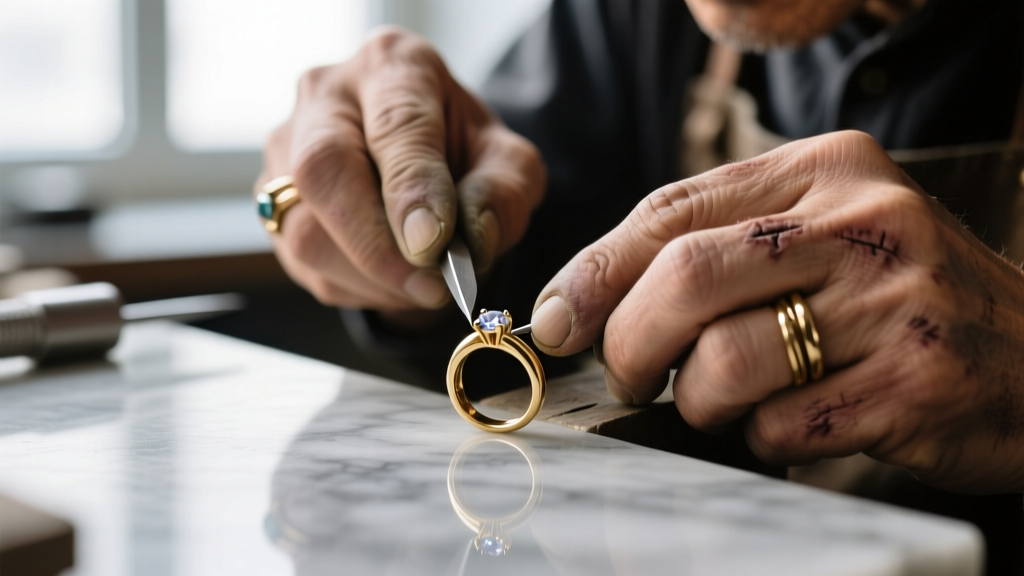
The current jewelry market is defined by a massive resurgence in vintage estate pieces, "quiet luxury" demi-fine collections, and lab-grown alternatives. However, as these trends have surged, so has the sophistication of counterfeit manufacturing. If you are wondering how to tell if your jewelry is real when navigating today's hottest styles, standard visual inspections are no longer sufficient. Modern counterfeiters utilize CNC machining, advanced electroplating, and high-density core metals to bypass traditional at-home tests. As a trend analyst and authenticity researcher, I have compiled this deep-dive guide to help you verify the materials dominating today's fashion landscape, from chunky estate gold to moissanite simulants.
Decoding the "Demi-Fine" Illusion: Vermeil vs. Flash Plating
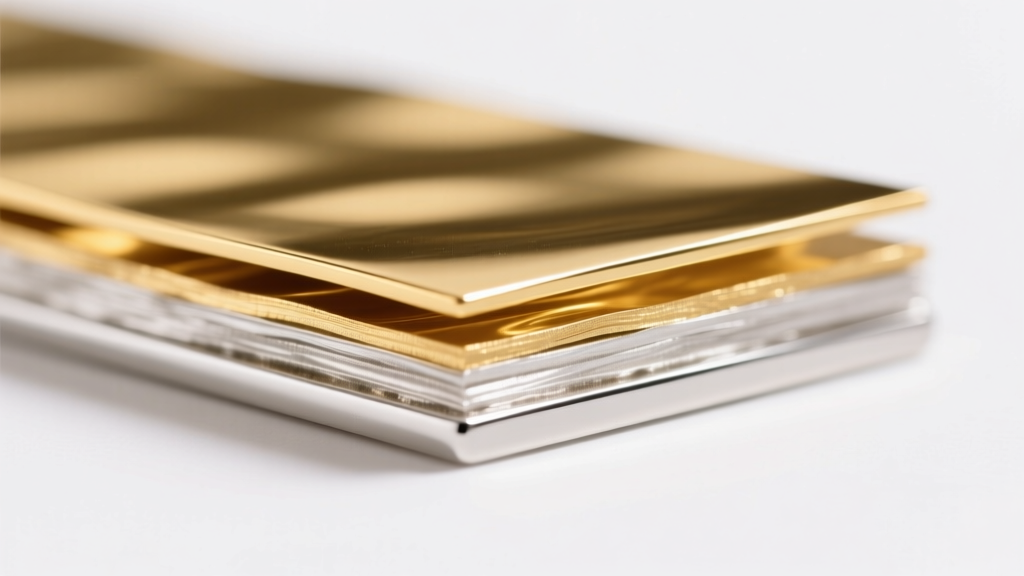
The "quiet luxury" trend has heavily popularized demi-fine jewelry—pieces that bridge the gap between cheap costume jewelry and solid fine jewelry. The gold standard for this category is gold vermeil. According to the Federal Trade Commission Jewelry Guides, for a piece to be legally sold as vermeil in the United States, it must have a base of sterling silver (925) and be plated with gold of at least 10k fineness, with a minimum thickness of 2.5 microns.
The Micron Reality Check and Acid Testing
Many trending boutique brands pass off "flash-plated" brass as demi-fine. Flash plating is typically a mere 0.1 to 0.5 microns thick and will wear off within months, exposing a cheap, skin-irritating base metal. To determine how to tell if your jewelry is real vermeil, you must look for specific stamps: "925" alongside "Vermeil," "G.V.," or a micron stamp like "2.5µ".
If the stamps are suspicious, a discreet nitric acid test is the ultimate truth-teller. Using a jeweler's file, make a microscopic notch in an inconspicuous area (like the inside of a ring band) to penetrate the gold layer. Apply a drop of nitric acid:
- Green Reaction: The base metal is brass or copper. It is a fake.
- Milky/White Reaction: The base metal is sterling silver. It is genuine vermeil.
- No Reaction: The piece is solid gold throughout.
Vintage Gold Trends: Hallmarks, Stamps, and the Tungsten Threat
Chunky vintage gold—specifically 18k yellow gold signet rings, heavy Cuban link chains, and textured herringbone necklaces—remains a dominant trend. However, the secondary market is currently battling an influx of tungsten-core gold fakes. Tungsten has a specific gravity of 19.25 g/cm³, which is dangerously close to pure 24k gold (19.32 g/cm³). This means the traditional "water displacement" or specific gravity density tests will completely fail to identify a tungsten-core fake chain.
Hallmark Cheat Sheet for Trending Estate Gold
Authentic vintage pieces rely on international hallmarks rather than simple "14K" stamps, which are easily forged. When evaluating estate gold, use a 10x triplet loupe to inspect the clasps and inner bands for these specific regional marks:
| Trend / Origin | Authentic Hallmark | Meaning & Verification |
|---|---|---|
| French Estate (18k) | Eagle Head (Tête d'Aigle) | Guarantees minimum 75% pure gold. Look for the maker's mark (losange shape) nearby. |
| Italian Vintage (14k/18k) | 750 or 585 + Maker's Number | Often stamped with a provincial code (e.g., "VI" for Vicenza) and a registration number. |
| British Antique (9k/18k) | Crown + Fineness + Date Letter | Must include the assay office mark (e.g., Leopard for London) and a specific date letter. |
| Suspicious Generic | "18KGP" or "14K HGE" | Means Gold Plated or Heavy Gold Electroplate. Not solid gold, despite the bold stamp. |
To bypass the tungsten density loophole, professional authenticators now use XRF (X-ray Fluorescence) scanners or ultrasound thickness gauges. Ultrasound measures the speed of sound through the metal; sound travels through tungsten at a vastly different velocity than it does through gold, instantly exposing a hollow or cored chain.
The Moissanite and Lab-Grown Diamond Dilemma
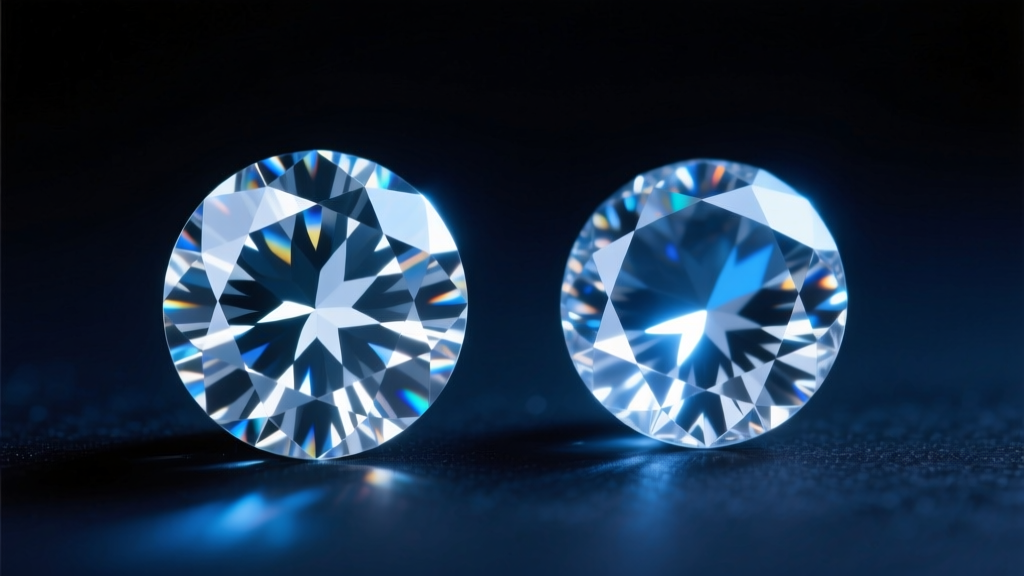
The "Toi et Moi" (You and Me) two-stone ring trend and vintage-inspired halo settings have driven massive demand for large-carat center stones. Consequently, moissanite is frequently passed off as natural or lab-grown diamond by bad actors in the resale market. Moissanite is a beautiful, durable stone (9.25 on the Mohs scale), but it costs a fraction of a diamond's price. You must know how to tell if your jewelry is real diamond versus a simulant.
Optical and Electrical Verification
Standard thermal diamond testers are obsolete for this task because moissanite conducts heat almost identically to diamond, causing basic testers to beep "diamond." To accurately identify moissanite, you must rely on two distinct physical properties:
- Double Refraction (Optical): Diamonds are singly refractive. Moissanite is doubly refractive. If you look through the crown (top) of a moissanite stone with a 10x loupe and focus on the pavilion (bottom) facet junctions, you will see a "doubling" effect, appearing as blurred or duplicated lines. Diamonds will show sharp, single lines.
- Electrical Conductivity: While both conduct heat, moissanite is an electrical conductor. Natural diamonds (with the rare exception of Type IIb blue diamonds containing boron) are electrical insulators. A Presidium Multi-Tester uses electrical conductivity to definitively separate moissanite from diamond.
"The democratization of lab-grown diamonds and high-grade simulants is a triumph for consumer accessibility, but it places the burden of gemological verification squarely on the buyer. Always demand a laser inscription on the girdle that matches a verifiable GIA or IGI digital report." — Director of Gemological Education, Jewelers of America
Quick-Reference Authenticity Checklist for Trend Shoppers
When sourcing pieces from estate sales, online vintage curators, or social media marketplaces, run through this rapid diagnostic checklist before transferring funds:
- The Magnet Test (First Line of Defense): Gold, silver, and platinum are non-magnetic. If a "solid gold" chain clings to a neodymium magnet, it contains a ferrous core (like steel or iron) and is an immediate fake. Note: This does not catch tungsten or brass.
- The Clasp and Jump Ring Inspection: High-end vintage jewelry utilizes solid, well-soldered lobster clasps or secure spring rings. If a piece stamped "18K" features a cheap, hollow, or easily bent base-metal clasp, the entire piece is likely counterfeit.
- The Skin Discoloration Check: Inspect the interior of vintage rings. If there is a buildup of green or black oxidation, the piece is likely copper or brass plated with a microscopic layer of gold, not solid karat gold.
- The Price-to-Weight Ratio: Calculate the scrap melt value of the piece based on its gram weight and current spot gold prices. If a seller is offering a 50-gram "14k solid gold" Cuban chain for $400, it is mathematically impossible. The melt value alone would be over $1,800. Trend or no trend, gold retains its intrinsic baseline value.
Understanding how to tell if your jewelry is real requires moving beyond superficial aesthetics and engaging with the metallurgical and gemological realities of the pieces you wear. By mastering these specific testing methods and recognizing the hallmarks of genuine craftsmanship, you can confidently navigate the 2026 jewelry market and build a collection that is both stylish and authentically valuable.
Related stories
By Material
How To Repair Earring: A Practical, Step-by-Step Guide for Gold, Silver, and Hypoallergenic Studs & Hoops

By Material
How to Tell if Jewelry is Real: A Budget Buyer's Value Guide

By Material