How to Tell if Jewelry is Real: A Budget Buyer's Value Guide
Learn how to tell if jewelry is real before buying. Master budget-friendly acid, magnet, and hallmark tests to assess true estate and thrifted value.

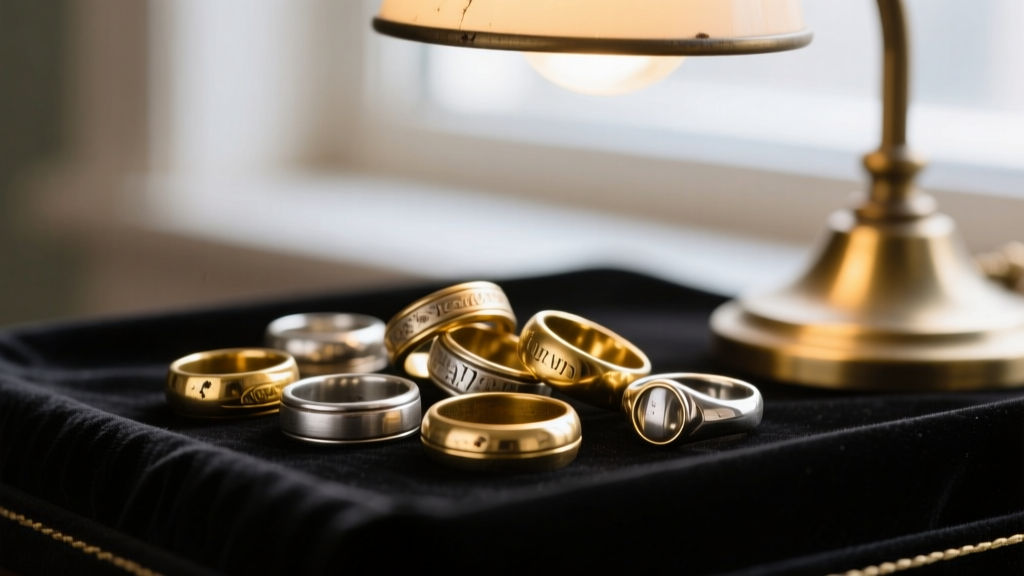
Scouring estate sales, thrift stores, and online marketplaces for precious metals is one of the most thrilling treasure hunts in the secondhand economy. However, as we navigate the fluctuating precious metal markets of 2026, the influx of high-quality counterfeits and heavily plated base metals has never been higher. For the budget-conscious collector or flipper, knowing how to tell if jewelry is real is not just about avoiding fakes—it is about accurately calculating melt value, assessing retail markup, and ensuring you never overpay for a gold-plated illusion.
This guide strips away the fluff and provides a rigorous, budget-friendly framework for authenticating and valuing secondhand jewelry using accessible diagnostic tools.
The Economics of Plated vs. Solid: Knowing What You Are Buying
Before deploying any tests, you must understand the financial difference between solid precious metals and their plated counterparts. A heavy gold electroplate (HGE) ring might weigh 15 grams and look identical to a solid 14K gold ring, but its intrinsic melt value is practically zero. The base metal (usually brass or copper) holds no precious metal value, and the microscopic layer of gold costs more to extract than it is worth.
When assessing budget jewelry, your primary goal is to separate solid karat gold and sterling silver from gold-filled, vermeil, and electroplated items. Solid pieces scale directly with the daily spot price of metals, making them excellent liquid assets. Plated pieces are strictly fashion accessories, and their value is capped at a few dollars regardless of weight.
Decoding Hallmarks: Your First Line of Value Defense
The fastest way to begin your appraisal is by examining the stamps. According to the FTC Jewelry Guides, manufacturers are legally required to stamp the metal purity and include a registered trademark if they make a quality claim. However, counterfeiters frequently stamp base metals with fake purity marks.
Common Stamps and Their True Meanings
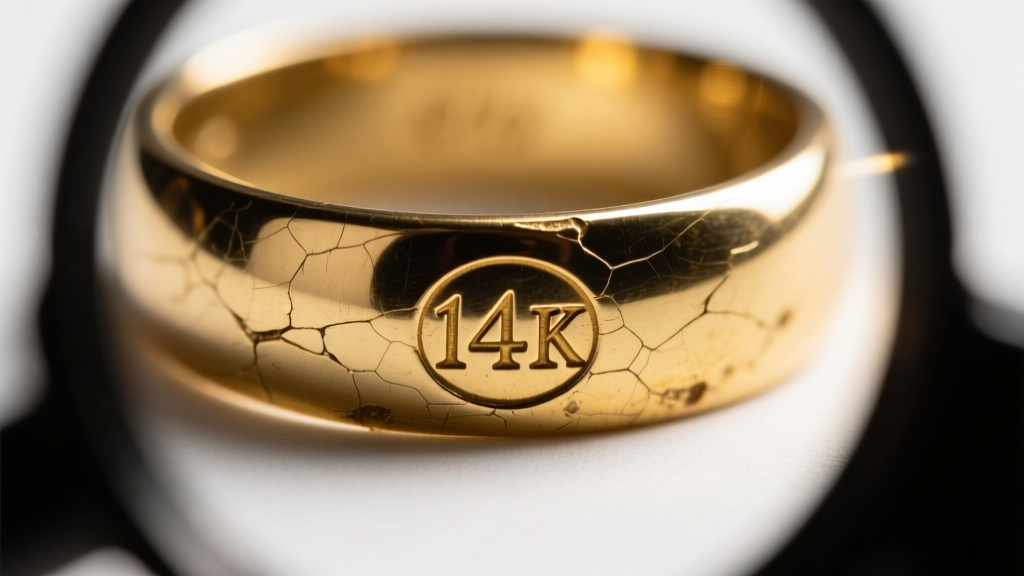
Use a 30x jeweler's loupe to inspect the interior of bands and the backs of clasps. Look for signs of wear; if a ring stamped '14K' is showing heavy brass discoloration at the wear points, the stamp is a lie.
| Stamp | Material Claim | Budget Appraisal Value |
|---|---|---|
| 925 / Ster | Sterling Silver (92.5%) | High (Scrap silver value) |
| 10K / 417 | 10 Karat Gold (41.7%) | High (Lowest karat scrap gold) |
| 14K / 585 | 14 Karat Gold (58.5%) | High (Standard US scrap gold) |
| 18K / 750 | 18 Karat Gold (75.0%) | Very High (Premium scrap value) |
| HGE / HGP | Heavy Gold Electroplate | Zero (Base metal only) |
| 1/20 14K GF | Gold Filled (5% gold by weight) | Very Low (Difficult to refine) |
| 925 GP | Sterling Silver with Gold Plating | Medium (Silver scrap value only) |
The Budget Tester’s Toolkit: At-Home Diagnostics
You do not need an expensive XRF (X-ray fluorescence) machine to filter out the obvious fakes. A $20 toolkit can save you hundreds of dollars in bad purchases.
The Neodymium Magnet Test
Gold, silver, and platinum are strictly non-magnetic. However, a weak refrigerator magnet is insufficient for testing. You must use a neodymium magnet (grade N42 or higher). If a piece snaps to the magnet, it contains ferrous metals (iron, steel, or nickel) and is instantly disqualified as solid precious metal. Note: Some vintage European gold pieces may have steel springs inside the clasps, so always test the main body of the chain or ring, not just the clasp.
The Ceramic Scratch Test
For gold items, an unglazed ceramic tile (which ranks at a 7 on the Mohs hardness scale) is a brutal but effective truth-teller. Gently drag the item across the unglazed surface. Real gold is soft (Mohs 2.5-3) and will leave a distinct, shiny golden streak. Pyrite (fool's gold) or gold-plated brass will leave a dark grey or black streak. Warning: This is a destructive test and will permanently scratch the item, so only use it on the inside of bands or inconspicuous areas of heavy chains.
Acid Testing: The Ultimate Budget Appraisal Method
When visual inspection and magnets are inconclusive, acid testing is the gold standard for budget appraisers. The Gemological Institute of America (GIA) notes that while acid testing has limitations with certain high-karat alloys, it remains the most accessible chemical verification method for standard jewelry.
Executing the Scratch Stone Method
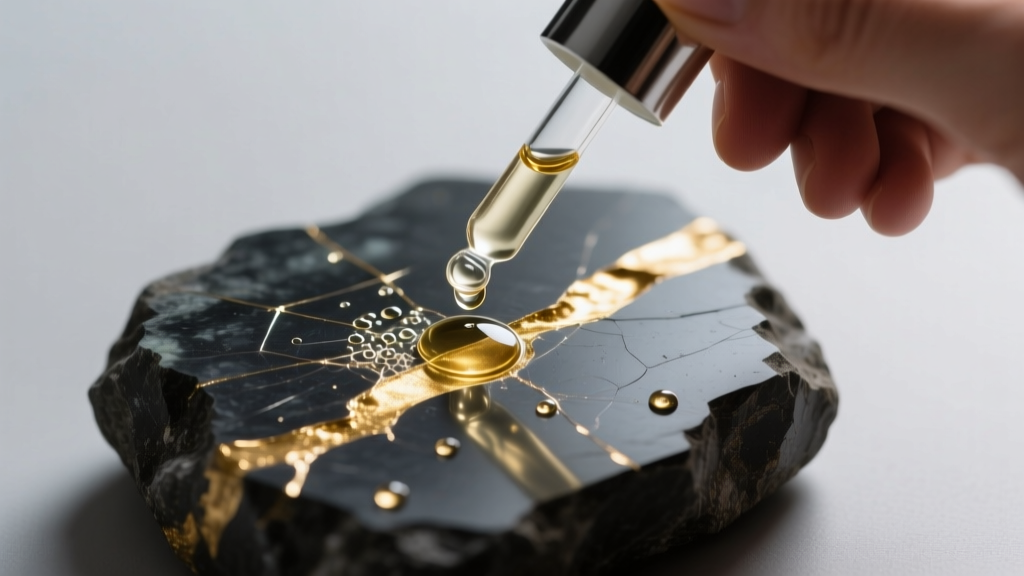
- Rub the item firmly against a black basalt testing stone to leave a visible metal streak.
- Apply a single drop of testing acid (nitric or aqua regia, depending on the kit) directly onto the streak.
- Observe the reaction for 5 to 10 seconds.
Reading the Color Reactions
- Real 14K Gold: The streak remains completely unaffected and retains its bright yellow color when tested with 14K acid.
- Real 10K Gold: The streak may turn slightly brown or dull when tested with 14K acid, but will remain intact with 10K acid.
- Fake / Plated Gold: The streak will immediately bubble, turn milky, or dissolve into a bright greenish-blue, indicating the acid is eating through copper or brass.
- Sterling Silver: Silver testing acid (usually containing potassium dichromate) will turn the streak a deep, blood-red color if it is genuine 925 silver. Green indicates base metal.
Safety Note: Always wear nitrile gloves and work in a well-ventilated area. Neutralize the acid on the stone with a baking soda and water solution after testing.
Calculating Melt Value vs. Retail Markup
Once you have confirmed a piece is real, the next step in budget assessment is calculating its baseline melt value. Never pay retail prices for secondhand jewelry unless it possesses significant brand provenance (e.g., Tiffany & Co., Cartier) or rare gemstones.
The Melt Value Formula
Precious metals are traded in troy ounces (31.1 grams), but jewelry is weighed in standard grams. To find the pure metal content:
- Weigh the item in grams (e.g., 20 grams).
- Multiply by the purity decimal (e.g., 14K gold = 0.585). 20 x 0.585 = 11.7 grams of pure gold.
- Divide by 31.1 to convert to troy ounces. 11.7 / 31.1 = 0.376 troy oz.
- Multiply by the current daily spot price of gold.
As a budget buyer, your target purchase price should be 60% to 80% of the calculated melt value. This margin accounts for the buyer's premium, refining costs, and your profit if you intend to flip the piece. If an estate seller is asking for 120% of melt value for a plain, unbranded gold chain, walk away.
When to Walk Away: Red Flags in Estate Pricing
Even with a solid testing methodology, certain market scenarios require immediate caution. Beware of the following red flags when assessing budget jewelry lots:
- The 'Too Good to Be True' Weight Discrepancy: If a massive, thick Cuban link chain weighs only 40 grams, it is almost certainly hollow-core or heavily plated tungsten. Solid gold of that volume would weigh well over 150 grams.
- Mismatched Clasps: A chain stamped 14K with a clasp stamped 925 or lacking any stamp is a massive red flag. Scammers frequently attach real gold clasps to plated chains to pass the initial hallmark inspection.
- Resin or Epoxy Fills: Some fraudulent sellers inject heavy epoxy resin into hollow gold rings or pendants to artificially inflate the gram weight. If a ring feels unusually thick but sounds 'dull' or plastic-like when tapped against a glass surface, suspect a fill.
Mastering how to tell if jewelry is real is a blend of scientific testing and market awareness. By combining a neodymium magnet, a jeweler's loupe, and a reliable acid test kit, you can confidently navigate the 2026 secondhand market, secure genuine precious metals, and build a highly profitable, authentic jewelry portfolio on a strict budget.


