What Does s925 on Jewelry Mean? Step-by-Step Verification Guide
Learn what the s925 on jewelry means. Follow our step-by-step verification guide to test sterling silver authenticity and spot fakes at home.

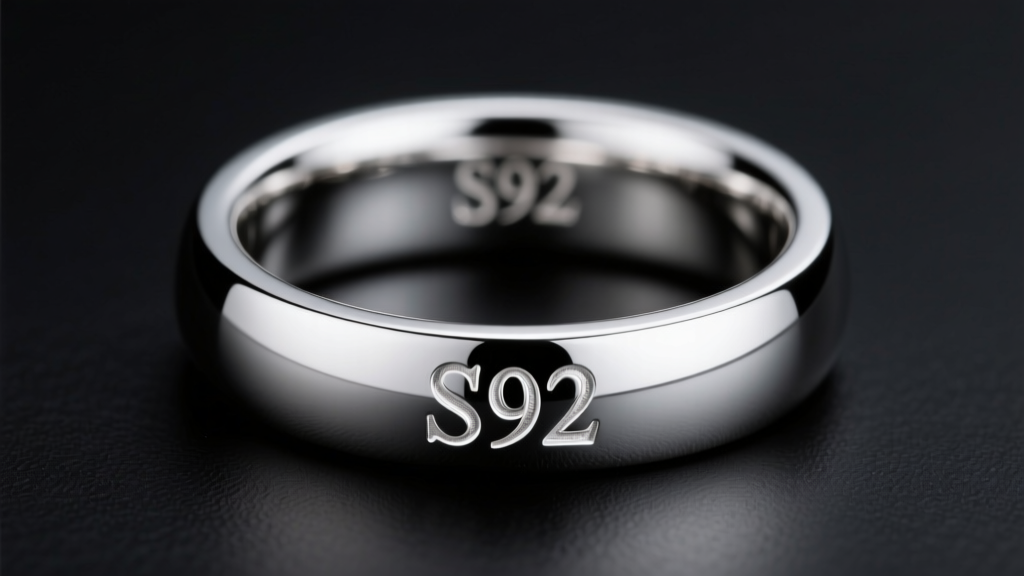
If you have ever examined the inside of a silver ring or the clasp of a necklace, you have likely encountered the s925 on jewelry stamp. While this tiny hallmark is the global standard for indicating sterling silver, the rise of sophisticated counterfeit manufacturing means that a stamp alone is no longer a guarantee of authenticity. In today's market, silver-plated base metals and nickel alloys are frequently stamped with "s925" to deceive buyers.
As a jewelry authenticity specialist, I have tested thousands of pieces marked with this hallmark. This comprehensive, step-by-step guide will teach you exactly what the s925 stamp means, the metallurgical science behind it, and how to definitively verify your jewelry's authenticity using both at-home methods and professional assays.
The Metallurgy Behind the S925 Stamp
The "s" in s925 stands for silver, and the "925" represents the purity of the metal. Genuine sterling silver is an alloy composed of exactly 92.5% pure silver and 7.5% other metals. Pure silver (999 fine silver) is too soft for functional jewelry; it would bend, scratch, and lose its shape under daily wear. The 7.5% alloy—most commonly copper, but sometimes zinc or platinum—adds the necessary tensile strength and durability.
According to the Silver Institute, this 92.5% ratio has been the accepted standard for sterling silver since the 12th century. However, modern counterfeits often use a brass or copper core plated with a microscopic layer of silver, deceptively stamped with s925. To separate the genuine articles from the fakes, we must look beyond the stamp and test the physical properties of the metal.
Step 1: Visual and Tactile Inspection of the Hallmark
Before applying any chemical or physical tests, start with a meticulous visual inspection. The quality of the hallmark often reflects the quality of the manufacturing.
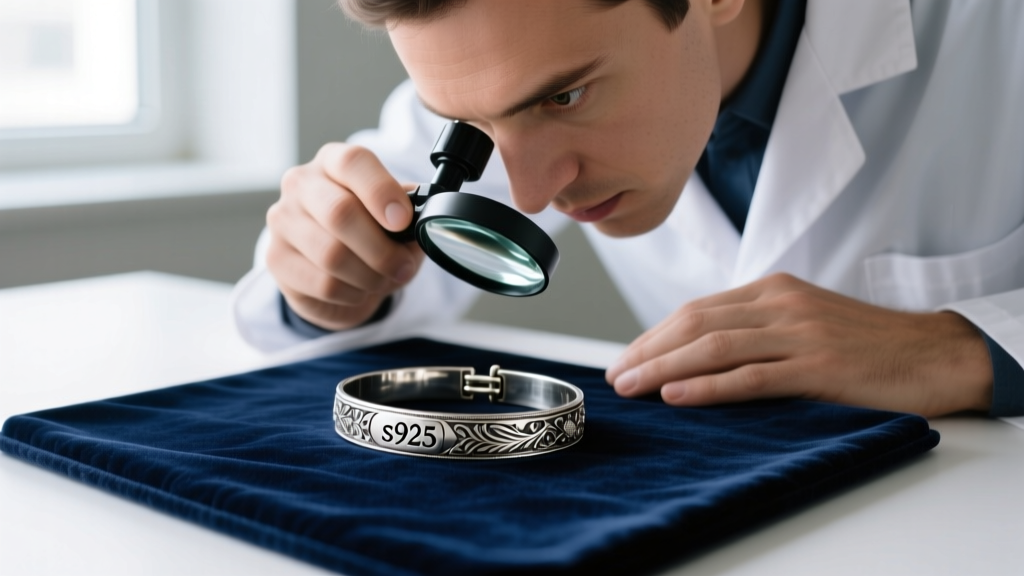
- Font and Alignment: Authentic s925 stamps are typically crisp, evenly spaced, and perfectly aligned. Counterfeit stamps often appear blurry, tilted, or feature irregular font weights.
- Depth of the Strike: Using a 10x jeweler's loupe, examine the depth of the stamp. A genuine mechanical punch leaves a clean, deep impression with sharp edges. Laser-etched s925 marks on modern jewelry should be perfectly uniform in depth.
- Wear and Tear Consistency: If a piece shows heavy signs of wear, scratches, and patina, but the s925 stamp looks brand new and untouched, it may have been restamped after the fact to increase its resale value.
Step 2: The Neodymium Magnet Test (The First Filter)
Silver is diamagnetic, meaning it does not attract to magnets; in fact, it exhibits a very weak repulsion. This makes the magnet test an excellent first-line filter for identifying fake s925 jewelry that contains ferromagnetic metals like iron, cobalt, or nickel.
Pro Tip: Do not use a standard refrigerator magnet. You must use a high-grade N52 Neodymium magnet to generate a strong enough magnetic field to detect trace amounts of ferrous metals hidden beneath thick silver plating.
How to perform the test: Place the N52 magnet flat against the thickest part of the jewelry (avoiding the clasp, which often contains steel springs). If the piece snaps to the magnet or exhibits any noticeable pull, it is not solid sterling silver. If it slides off or feels completely neutral, proceed to the next step.
Step 3: The Ice Cube Thermal Conductivity Test
Silver possesses the highest thermal conductivity of any common metal, measuring at an impressive 429 W/m·K (Watts per meter-Kelvin). This means it transfers heat (and cold) faster than copper, brass, or stainless steel. We can exploit this physical property to test s925 authenticity without damaging the piece.
- Place your s925 stamped jewelry flat on a table at room temperature.
- Take a freshly frozen ice cube and place it directly on the metal.
- Observe the melt rate: On genuine sterling silver, the ice will begin to melt almost instantaneously, significantly faster than an ice cube sitting on a glass or wood table. The silver will also become painfully cold to the touch within seconds as it rapidly pulls the ambient heat from your fingers to melt the ice.
If the ice melts at a normal, sluggish rate, the core of the jewelry is likely brass or stainless steel, indicating a silver-plated fake.
Step 4: The Polishing Cloth Oxidation Test
Genuine sterling silver reacts with sulfur in the air to form silver sulfide, which presents as a yellowish or black tarnish. When you rub genuine tarnished silver with a microfiber or specialized silver polishing cloth, the cloth will pick up a distinct black or dark grey residue.
If you rub the jewelry vigorously and the cloth comes away clean, or if the cloth picks up a green or blue residue, you are dealing with a plated item. A green residue indicates a copper or brass base metal where the thin silver plating has worn away. Furthermore, if the s925 stamped piece is impossibly shiny and shows zero tarnish despite being years old, it may be rhodium-plated silver (which is legitimate) or simply polished stainless steel (which is fake).
Advanced Verification: Acid Testing and XRF Analysis
For definitive proof, especially when dealing with high-value estate pieces or bulk wholesale purchases, you must move beyond at-home physics tests and utilize chemical or spectrographic analysis.
The Silver Acid Test (Schwerter's Solution)
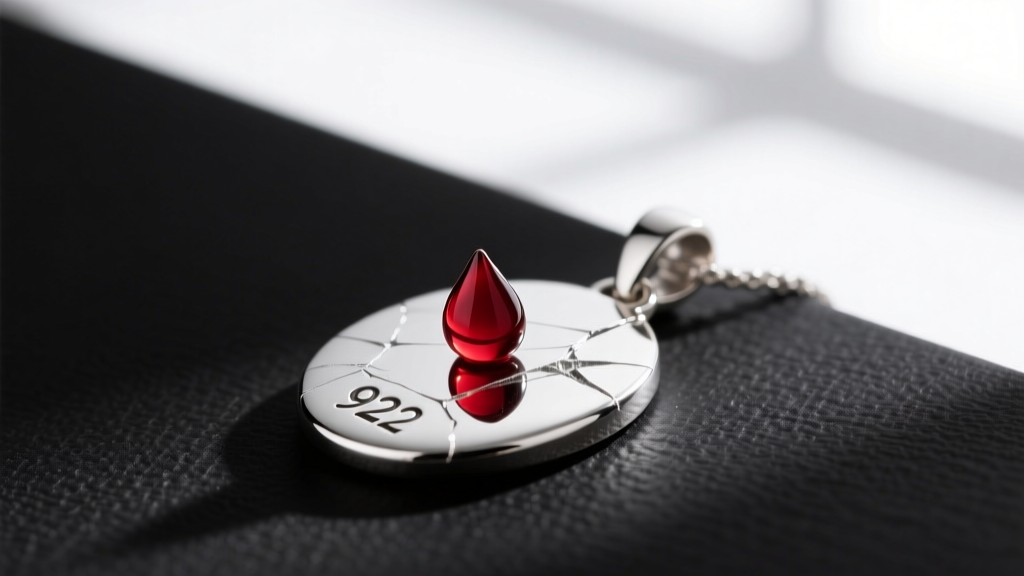
An acid test kit uses a solution of nitric acid and potassium dichromate. You must file a small, inconspicuous notch into the jewelry to bypass any surface plating, then apply a single drop of the acid.
| Acid Reaction Color | Indicated Metal / Purity | Authenticity Verdict |
|---|---|---|
| Bright Dark Red | 925 Sterling Silver | Authentic S925 |
| Darker Brown/Black | 800 or Lower Grade Silver | Not 925 Standard |
| Green | Base Metal (Copper/Brass) | Fake / Plated |
| Blue | Nickel or Stainless Steel | Fake / Plated |
X-Ray Fluorescence (XRF) Spectrometry
For non-destructive, laboratory-grade verification, jewelers use XRF analyzers. These handheld devices shoot X-rays into the metal and measure the fluorescent emission to determine the exact elemental breakdown. An XRF scan will instantly reveal if a piece stamped with s925 is actually 92.5% silver, or if it is a 100% copper core with a 2-micron silver plating. While XRF machines cost upwards of $15,000, many local pawn shops and professional appraisers offer XRF testing for a small fee.
International Hallmarking Laws: Context Matters
Understanding the legal requirements of the s925 stamp helps in identifying fakes based on geography. In the United States, the Federal Trade Commission (FTC) dictates that if a piece is stamped with a quality mark like "925" or "Sterling," it must also bear a registered trademark or maker's mark. However, enforcement on imported goods is notoriously lax, leading to a flood of unbranded s925 stamped jewelry from overseas manufacturers.
Conversely, in the United Kingdom, the 1973 Hallmarking Act makes it illegal to sell silver over 7.78 grams without a full hallmark from an official Assay Office. A genuine UK piece will feature the 925 stamp, a lion passant (for sterling), an assay office mark (like an anchor for Birmingham), and a date letter. If a heavy piece claims to be vintage British silver but only has a simple "s925" laser etching, it is almost certainly a modern counterfeit.
Red Flags: When to Walk Away
Even if a piece passes the visual inspection, keep an eye out for these critical red flags that indicate the s925 on jewelry is fraudulent:
- Suspiciously Low Pricing: Silver is a traded commodity. If a heavy 100-gram chain is stamped s925 but priced at $30, it is mathematically impossible for it to be solid silver. Always check the current spot price of silver before purchasing.
- The "Tibetan Silver" Trap: Items marketed as "Tibetan Silver" or "Tibetan s925" are almost entirely base metal alloys containing zero actual silver, and often contain dangerous levels of lead and arsenic.
- Magnetic Clasps on Non-Magnetic Chains: While the internal spring of a lobster clasp is steel and will attract a magnet, the outer shell should be silver. If the entire clasp body sticks firmly to a magnet, the chain is likely stainless steel plated in silver.
- Flaking or Peeling: Solid silver tarnishes; it does not flake. If you see the silver "skin" peeling away to reveal a yellow or grey metal underneath, the s925 stamp is a lie.
Final Thoughts on S925 Verification
The s925 on jewelry is a vital indicator of quality, but it is only as trustworthy as the manufacturer who applied it. By combining a rigorous visual inspection with the diamagnetic, thermal, and chemical tests outlined above, you can confidently verify the authenticity of your sterling silver pieces. When in doubt, always seek the counsel of a certified gemologist or utilize XRF technology to ensure your investment is genuinely backed by precious metal.
Related stories

By Material
Best Choosing Clean: How Authenticity CI/CD Automation Eliminates Build Contamination and Ensures Reproducible Releases
By Material
How To Repair Earring: A Practical, Step-by-Step Guide for Gold, Silver, and Hypoallergenic Studs & Hoops

By Material