April Birthstone Jewelry: Beginner's Guide to Diamonds
Discover everything about April birthstone jewelry. Learn diamond grading, budget-friendly alternatives like white sapphire, and expert buying tips.

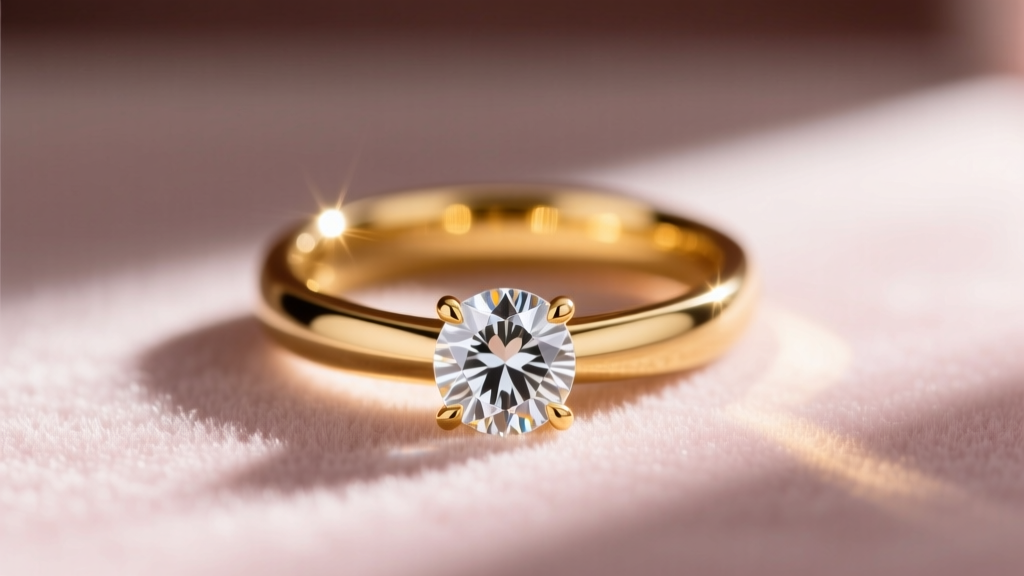
When shopping for april birthstone jewelry, the sheer volume of options can overwhelm even the most enthusiastic gemstone lover. The traditional birthstone for April is the diamond, a gemstone universally revered for its unparalleled brilliance, durability, and timeless elegance. However, navigating the complexities of diamond grading, understanding the modern market shift toward lab-grown stones, and exploring budget-friendly alternatives requires a strategic approach. Whether you are purchasing a milestone anniversary gift, a personalized birthday pendant, or an everyday right-hand ring, this beginner-friendly explainer will equip you with the gemological knowledge needed to make a confident, informed decision in 2026.
The Diamond Standard: Decoding the 4Cs
The foundation of evaluating any diamond jewelry piece rests on the 4Cs: Cut, Color, Clarity, and Carat weight. Established by the Gemological Institute of America (GIA), this framework is the global standard for diamond quality. For beginners, understanding how these factors interact is crucial to maximizing your budget without sacrificing visual beauty.
1. Cut: The Engine of Brilliance
Cut is widely considered the most critical of the 4Cs because it dictates how effectively light enters the stone, reflects internally, and returns to the viewer's eye as brilliance and fire. A poorly cut diamond, even one with flawless clarity and colorless grades, will appear dull and lifeless. For round brilliant diamonds, always aim for an 'Excellent' or 'Ideal' cut grade. In fancy shapes (like oval, emerald, or pear), look for optimal length-to-width ratios and symmetrical facet alignment to avoid the 'bow-tie effect'—a dark shadow that can obscure the center of elongated stones.
2. Color: The Pursuit of Colorlessness
The GIA color scale ranges from D (completely colorless) to Z (light yellow or brown). For april birthstone jewelry set in white gold or platinum, we recommend staying within the D to J range. Diamonds graded D, E, and F are exceptionally rare and command premium prices. However, near-colorless grades (G, H, I, and J) offer a phenomenal sweet spot for value. A G-color diamond will face up completely white to the naked eye when set in a ring, yet it costs significantly less than its D-color counterpart.
3. Clarity: Flaws Under the Microscope
Clarity measures the presence of internal inclusions and external blemishes. The scale spans from Flawless (FL) to Included (I3). As a general rule for everyday jewelry, you want an 'eye-clean' diamond—meaning no inclusions are visible without 10x magnification. VS1 and VS2 (Very Slightly Included) grades are the ultimate value tier. Even SI1 (Slightly Included) diamonds can be entirely eye-clean if the inclusions are located near the girdle edge rather than dead center under the table facet.
4. Carat: Size vs. Spread
Carat refers to a diamond's weight, not its physical dimensions. A 1.00-carat round diamond typically measures about 6.5mm in diameter. If you desire the look of a larger stone without the exponential price jump of a higher carat weight, consider elongated shapes like ovals or marquises, which have a larger 'spread' (surface area) and appear visibly larger than round diamonds of the exact same carat weight.
Natural vs. Lab-Grown Diamonds in 2026
The most significant shift in the april birthstone jewelry market over the last few years has been the mainstream acceptance and technological perfection of lab-grown diamonds. Chemically, physically, and optically identical to mined diamonds, lab-grown stones are created using Chemical Vapor Deposition (CVD) or High Pressure High Temperature (HPHT) methods. According to Federal Trade Commission Jewelry Guides, retailers must clearly disclose the origin of lab-grown stones to prevent consumer confusion.
From a pricing perspective, the 2026 market has seen lab-grown diamond prices stabilize at highly accessible levels. While a natural 1.00-carat G/VS1 diamond might retail between $4,500 and $6,000, an identical lab-grown specimen can be acquired for $600 to $900. This dramatic price differential allows buyers to prioritize superior cut quality and larger carat sizes while staying well within budget. However, it is important to note that natural diamonds retain a higher resale value and hold traditional appeal for collectors and purists.
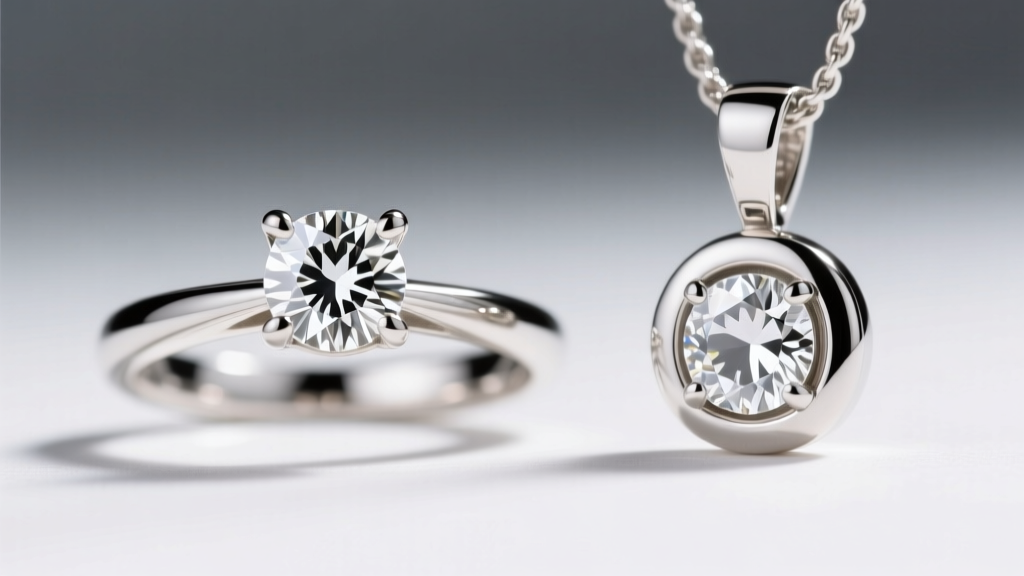
Budget-Friendly Alternatives to Diamond
While diamonds are the undisputed traditional birthstone for April, they are not the only option. If you are seeking the aesthetic of a clear, sparkling gemstone without the diamond price tag, several durable alternatives are perfect for daily-wear jewelry. The GIA Gem Encyclopedia provides extensive data on the physical properties of these simulants and alternative gemstones.
| Gemstone | Mohs Hardness | Refractive Index (Brilliance) | Avg. Price (1 Carat) | Best For |
|---|---|---|---|---|
| Diamond (Natural) | 10 | 2.42 | $4,500 - $6,000+ | Heirloom pieces, investment |
| Moissanite | 9.25 | 2.65 (High Fire) | $300 - $600 | Maximum sparkle, engagement rings |
| White Sapphire | 9 | 1.77 | $400 - $800 | Subtle elegance, halo settings |
| Clear Quartz | 7 | 1.54 | $10 - $50 | Fashion jewelry, occasional wear |
Moissanite: The Sparkle Heavyweight
Moissanite is a silicon carbide crystal that actually possesses a higher refractive index and dispersion (fire) than a diamond. This means it throws off more rainbow-colored flashes of light. With a Mohs hardness of 9.25, it is exceptionally resistant to scratching and chipping, making it a top-tier choice for april birthstone jewelry intended for daily wear, such as tennis bracelets or solitaire rings.
White Sapphire: The Understated Classic
Natural and lab-created white sapphires offer a more subdued, icy white brilliance compared to the fiery sparkle of diamonds and moissanites. Because their refractive index is lower, they require more frequent cleaning to maintain their luster, as oils and lotions can easily dull their appearance. However, at a Mohs hardness of 9, they are highly durable and make beautiful center stones for vintage-inspired settings.
Clear Quartz: The Accessible Option
Often used in bohemian or artisanal jewelry designs, clear quartz (sometimes called Herkimer diamond) is an affordable, earth-mined alternative. However, with a Mohs hardness of only 7, it is highly susceptible to scratching and abrasion. Clear quartz should be reserved for earrings or pendants, and strictly avoided in rings or bracelets that are subject to frequent impact.
Selecting the Right Metal and Setting
The longevity of your april birthstone jewelry depends heavily on the metal choice and the setting style. For diamonds, moissanites, and white sapphires, you need a metal that can securely hold the prongs over decades of wear.
- Platinum: The ultimate choice for security. Platinum is dense, hypoallergenic, and develops a natural patina over time. When platinum prongs are bent, the metal displaces rather than breaking, keeping your gemstone secure.
- 14k or 18k White Gold: A highly popular, cost-effective alternative to platinum. It is rhodium-plated to achieve a bright white finish, though it will require re-plating every few years. 14k gold is slightly harder and more durable than 18k due to its higher alloy content.
- 14k Yellow or Rose Gold: Excellent for creating contrast. A near-colorless diamond (G-J) will reflect the warm tones of yellow or rose gold, allowing you to save money by dropping down the color scale without the setting negatively impacting the stone's perceived color.
For those with active lifestyles, a bezel setting (where a thin rim of metal completely encircles the gemstone's girdle) offers superior protection against chipping compared to a traditional four-prong or six-prong setting. While prongs maximize light entry and brilliance, they can snag on clothing and bend upon impact.
Essential Care and Maintenance
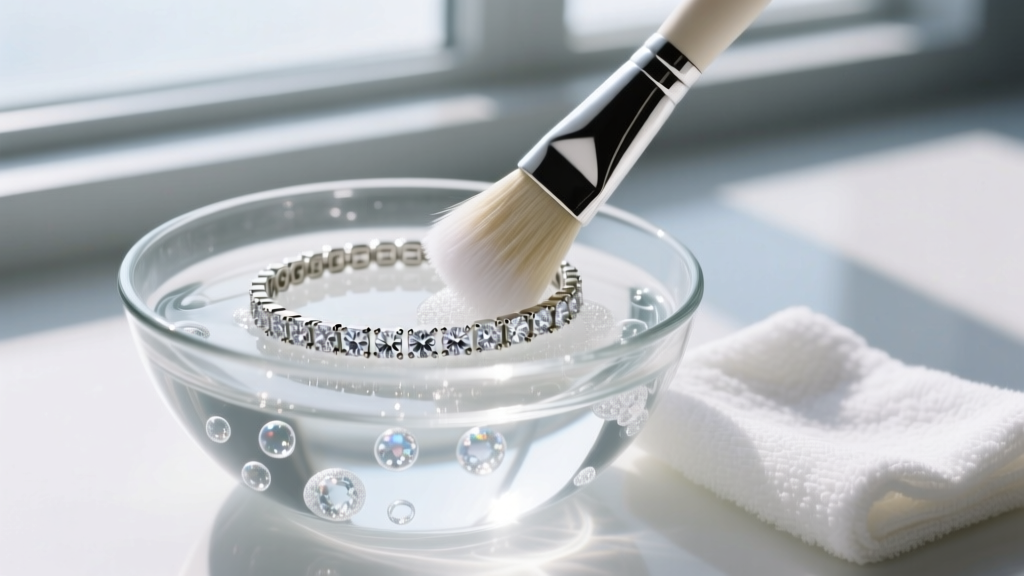
Diamonds are lipophilic, meaning they naturally attract and hold onto oils from your skin, lotions, and soaps. A buildup of grease on the pavilion (the bottom of the stone) will severely restrict light return, making even a flawless diamond look cloudy and opaque. To keep your april birthstone jewelry looking pristine, follow this simple maintenance protocol:
- Weekly Cleaning: Fill a small bowl with warm water and a few drops of mild, non-detergent dish soap. Let the jewelry soak for 15 minutes to loosen debris.
- Gentle Brushing: Use a dedicated, ultra-soft baby toothbrush or jewelry brush to gently scrub the underside of the gemstone and the setting. Never use hard-bristled brushes, which can scratch the gold or platinum metalwork.
- Rinsing and Drying: Rinse thoroughly under lukewarm running water (ensure the drain is closed!). Pat dry with a lint-free microfiber cloth.
- Avoid Harsh Chemicals: Never expose your jewelry to chlorine bleach or abrasive household cleaners. Chlorine can chemically react with the alloys in white gold, causing structural weakness and microscopic pitting in the prongs.
Final Thoughts on April Birthstone Shopping
Investing in april birthstone jewelry is a celebration of clarity, resilience, and light. Whether you opt for the unmatched prestige of a natural diamond, the technological marvel and value of a lab-grown stone, or the unique charm of a white sapphire, the key to a successful purchase lies in understanding the gemological data. Prioritize cut quality above all else, choose a setting that aligns with your daily lifestyle, and commit to a regular cleaning routine. Armed with this knowledge, you can confidently select a piece that will sparkle brilliantly for generations to come.
Related stories

By Material
Birthstone Assessment: 7 Common Mistakes That Compromise Accuracy and Value
By Material
Evidence vs. Storage: How Birthstone Authentication Relies on Verifiable Data, Not Just Safekeeping
By Material