Beginner's Guide to Birthstone Jewelry April Options
Discover the best birthstone jewelry April options. Learn about diamonds, budget-friendly alternatives, and how to choose the perfect stone.

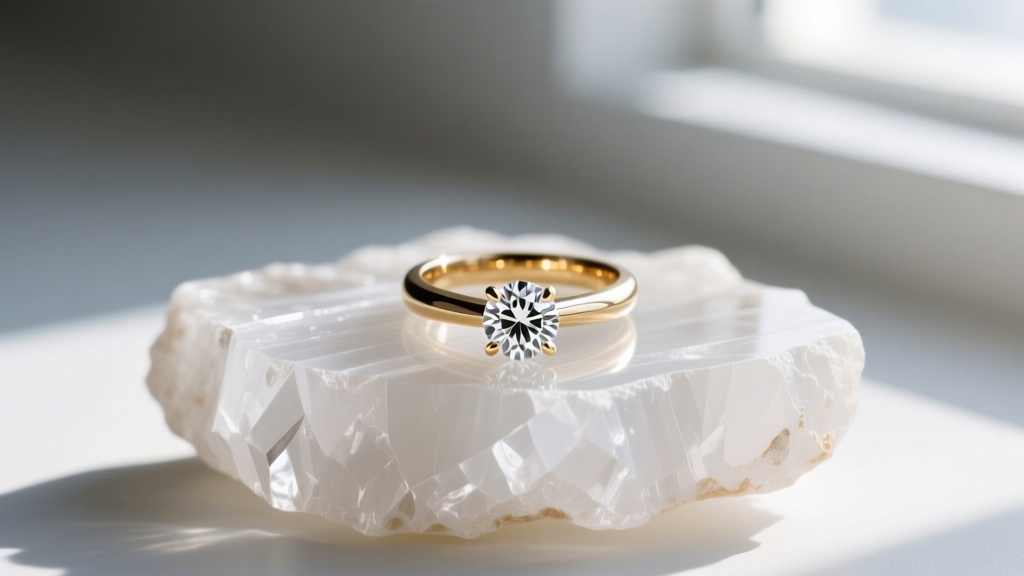
Navigating the market for birthstone jewelry April options requires understanding both traditional standards and modern gemological alternatives. April is uniquely dominated by the diamond, a stone that has shaped global jewelry trends for over a century. However, for beginners, first-time buyers, or those working within specific budgets, the world of April birthstones extends far beyond the traditional diamond solitaire. This comprehensive guide breaks down the exact specifications, material grades, and practical considerations you need to make an informed purchase in 2026.
The Dominance of the Diamond: Understanding the Baseline
According to the Gemological Institute of America (GIA), the diamond remains the undisputed traditional and modern birthstone for April. Its unmatched Mohs hardness rating of 10 makes it the most scratch-resistant natural material on earth, an essential trait for everyday wear items like engagement rings and staple pendants.
However, not all diamonds are created equal. When shopping for diamond birthstone jewelry, beginners should focus on the "value sweet spot" rather than chasing flawless grades. A diamond with VS1 or VS2 clarity and a G or H color grade will appear completely eye-clean and near-colorless to the naked eye, yet it will cost 20% to 35% less than a D-color, VVS1 stone of the exact same carat weight. For round brilliant cuts, always prioritize an "Excellent" or "Ideal" cut grade, as the facet alignment dictates the stone's light return and brilliance far more than its carat weight.
Beyond the Diamond: Modern April Alternatives
While diamonds are the standard, the high cost per carat has driven massive demand for optical and physical alternatives. If you are exploring birthstone jewelry April alternatives, three stones currently dominate the market: Moissanite, White Sapphire, and Clear Quartz.
Moissanite (Silicon Carbide)
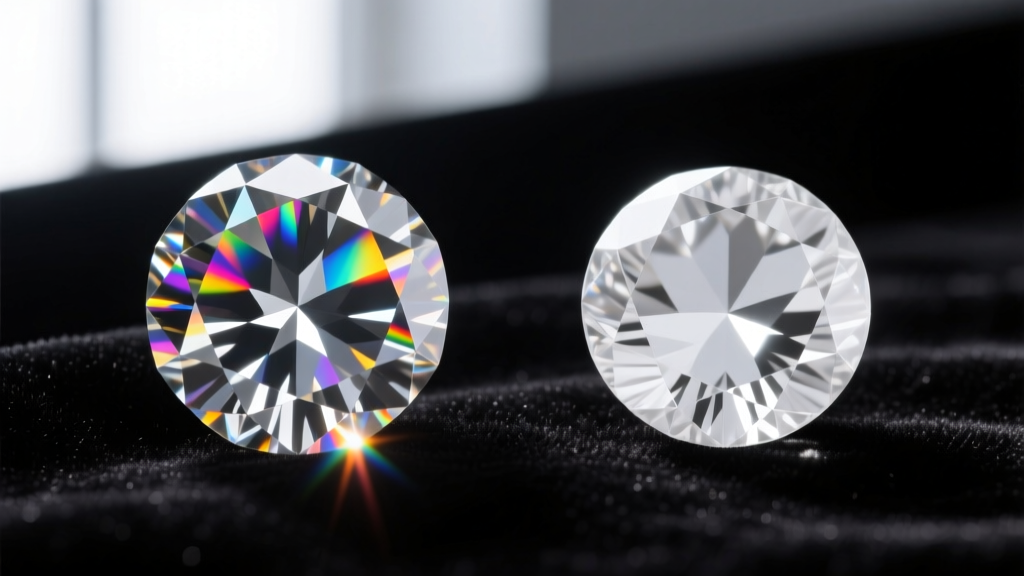
Originally discovered in meteorites, lab-created moissanite is a powerhouse alternative. It boasts a Mohs hardness of 9.25, making it highly durable for daily wear. More importantly, its refractive index (2.65) is significantly higher than a diamond's (2.42), resulting in intense "fire" or rainbow-colored light dispersion. For beginners wanting maximum sparkle on a budget, a 1-carat equivalent moissanite typically ranges from $300 to $600, compared to $4,000+ for a comparable diamond.
White Sapphire (Corundum)
As detailed by the GIA's sapphire grading guidelines, white sapphires are a natural alternative ranking at 9 on the Mohs scale. Unlike moissanite, white sapphire does not exhibit high dispersion; instead, it offers a subtle, icy brilliance. The critical drawback for beginners to note is that white sapphire attracts oils and dirt rapidly, requiring weekly cleaning to maintain its transparency. A high-quality, unheated 1-carat white sapphire generally costs between $800 and $1,500.
Clear Quartz
For fashion jewelry or pieces meant for occasional wear, clear quartz is a historically recognized April birthstone in some older Tibetan and ancient calendars. Ranking at 7 on the Mohs scale, it is prone to scratching and should be reserved for pendants or earrings rather than rings, which face high impact risks.
Comparing April Birthstone Options
To help you visualize the physical and financial differences, refer to the data table below before selecting your center stone.
| Gemstone | Mohs Hardness | Refractive Index | Est. Price (1ct) | Best Application |
|---|---|---|---|---|
| Natural Diamond | 10 | 2.42 | $4,000 - $8,000+ | Heirloom Rings, Daily Wear |
| Lab Moissanite | 9.25 | 2.65 | $300 - $600 | High-Sparkle Rings, Budget |
| White Sapphire | 9 | 1.76 | $800 - $1,500 | Natural Stone Purists |
| Clear Quartz | 7 | 1.54 | $20 - $50 | Pendants, Occasional Wear |
Decoding Metal Settings for Clear Stones
The metal you choose dramatically alters the visual impact of an April birthstone. Because diamonds, moissanite, and white sapphires act as optical prisms, they reflect the color of the metal surrounding them.
- Platinum (950 Grade): The premium choice. It is naturally white, hypoallergenic, and highly durable. When scratched, platinum displaces rather than losing metal, developing a patina over time. Expect to pay a 30-40% premium over gold.
- 14k White Gold: The most popular budget-friendly white metal. It is an alloy of yellow gold and white metals (like nickel or palladium), plated with rhodium to achieve a bright white finish. Beginner Tip: You will need to budget $50-$80 every 12 to 18 months to have the rhodium plating reapplied, otherwise, the ring will show a faint yellowish tint.
- 14k Yellow or Rose Gold: Using a warm metal creates a striking vintage contrast with colorless stones. If you choose yellow gold, opt for a setting with white gold or platinum prongs directly holding the stone to prevent the diamond from absorbing too much yellow hue, which lowers its perceived color grade.
First-Time Buyer Checklist: Avoiding Costly Mistakes
Purchasing fine jewelry involves significant financial outlay. Protect your investment by following this strict verification checklist:
- Demand Independent Certification: Never buy a natural diamond over 0.50 carats without a grading report from the GIA or AGS. For lab-grown diamonds and moissanite, IGI or GCAL reports are the industry standard.
- Check the Girdle Thickness: The girdle is the outer edge of the stone. If a GIA report lists the girdle as "Very Thin," the stone is highly susceptible to chipping during the setting process or daily impacts. Always look for "Thin to Slightly Thick."
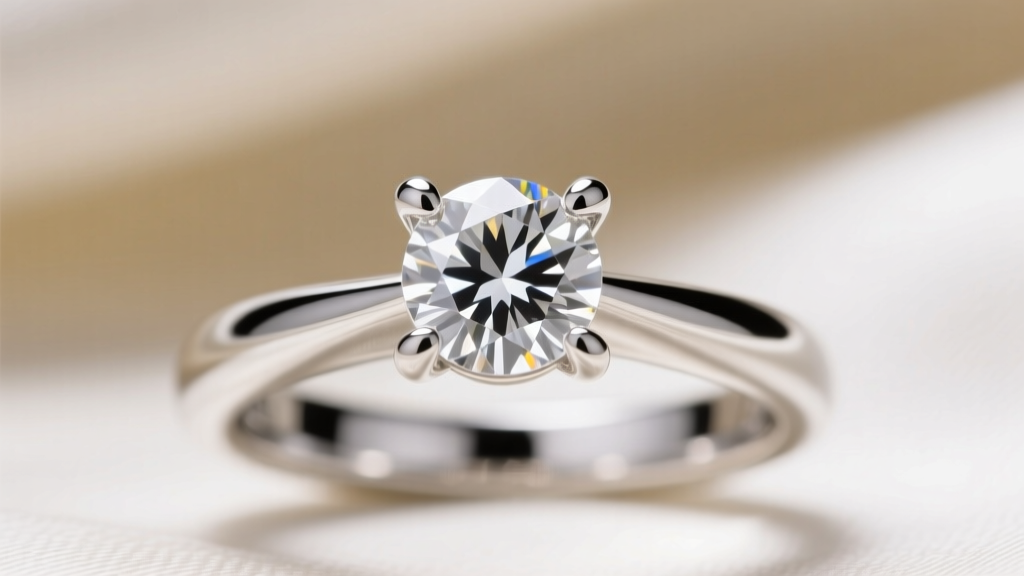
- Verify Prong Gauge and Contact: For a 1-carat center stone, prongs should be at least 1.2mm thick. Ensure the prong tips have adequate "bearings" (the grooved notches that grip the stone's girdle) to prevent the gem from spinning or popping out.
- Beware of Clarity Enhancement: Some diamonds are "fracture-filled" with glass-like resins to hide internal cracks. These stones are significantly cheaper but can be destroyed if placed in a standard ultrasonic cleaner or exposed to a jeweler's torch during resizing.
"The true value of an April birthstone lies not just in its carat weight, but in the precision of its cut and the structural integrity of its setting. A poorly cut 2-carat diamond will look lifeless next to a perfectly proportioned 1-carat stone."
Long-Term Care and Maintenance
April birthstones require specific care routines to maintain their optical clarity. Diamonds and moissanite are highly oleophilic, meaning they attract skin oils and lotions, which quickly dull their sparkle.
For routine cleaning, avoid harsh chemical dips. Instead, use a simple solution of warm water and a few drops of mild, non-detergent dish soap. Soak the piece for 15 minutes, then gently agitate it with a soft-bristled baby toothbrush, focusing on the underside of the stone (the pavilion) where grime accumulates. Rinse thoroughly under warm running water and dry with a lint-free microfiber cloth.
A Critical Warning on Ultrasonic Cleaners: While ultrasonic cleaners are excellent for solid diamonds and sapphires, they will shatter fracture-filled diamonds and can loosen the adhesive in doublets or foil-backed vintage stones. If you are unsure of your stone's treatment history, stick to manual soap-and-water cleaning and schedule a professional prong-check with a bench jeweler every six months.