Beginner Guide to Birthstone Jewelry for July: Rubies & More
Discover the best birthstone jewelry for July. Learn about ruby grades, carnelian alternatives, metal pairings, and pricing in this beginner guide.

The Legacy of the July Birthstone
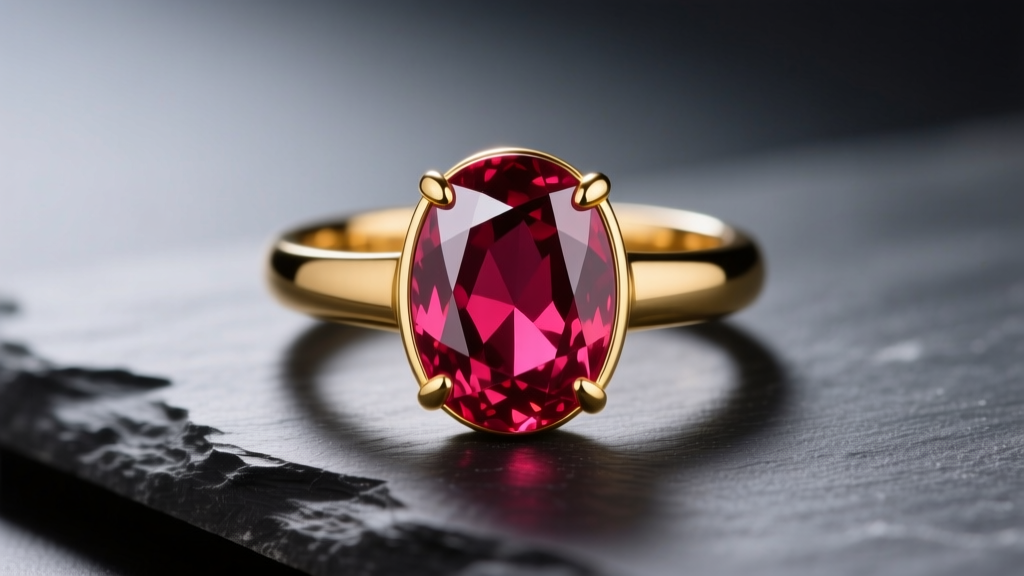
When exploring birthstone jewelry for July, the undisputed monarch of the month is the ruby. Revered for millennia, this fiery red gemstone is a variety of the mineral corundum, colored by trace amounts of chromium. Historically, ancient warriors in Burma and China believed rubies offered invincibility in battle, while European royalty prized them as symbols of wealth and passion. However, the modern jewelry market offers a spectrum of options beyond the traditional ruby, including historical alternatives like carnelian and onyx. For beginners stepping into the world of colored gemstones, understanding the nuances of these stones is critical to making a confident, informed purchase.
Decoding the Ruby: A Beginner’s Buying Framework
Unlike diamonds, which are graded on a strict, universally standardized scale, colored gemstones rely heavily on visual appeal and origin. According to the Gemological Institute of America (GIA), color is the single most important quality factor for rubies. Here is how to evaluate a ruby when shopping for your first piece.
Color and Clarity Expectations
The most prized ruby color is often referred to as "pigeon’s blood"—a vivid, medium-dark purplish-red. Beginners should be wary of stones that are too light (often classified as pink sapphires) or too dark (which can appear brownish or inky). Regarding clarity, rubies naturally contain inclusions. In fact, microscopic rutile needles, known as "silk," are expected and can actually enhance the stone's value by scattering light and softening its color. However, avoid stones with surface-reaching fractures or large, dark inclusions directly under the table facet, as these compromise both durability and brilliance.
The Treatment Trap: Heat vs. Glass Filling
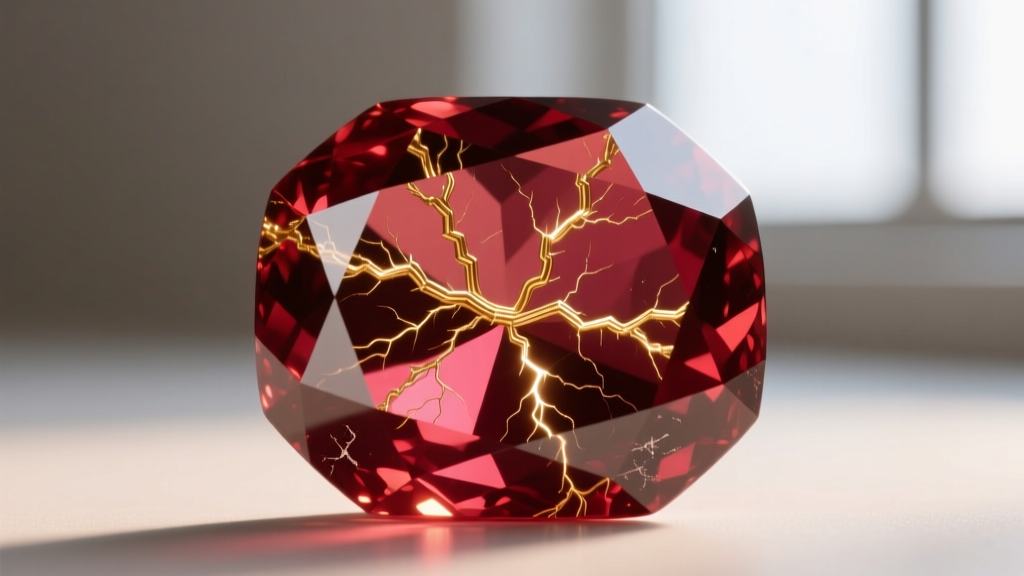
This is the most crucial E-E-A-T insight for novice buyers: almost all natural rubies on the market are heat-treated. Heat treatment is a stable, universally accepted practice that dissolves silk and improves color. However, you must aggressively avoid lead-glass filled rubies. These are low-quality, heavily fractured stones infused with glass to improve transparency. They are extremely fragile, can be damaged by common household acids (like lemon juice), and hold virtually no resale value. Always ask the jeweler for a treatment disclosure, and for stones over $1,000, demand a report from a reputable lab like GIA, GRS, or Gübelin.
Exploring Alternatives: Carnelian and Onyx
While the ruby dominates modern charts, the American Gem Society notes that ancient and traditional birthstone lists often included carnelian and onyx for July. These stones offer incredible aesthetic appeal and are significantly more budget-friendly, making them excellent choices for everyday wear or fashion-forward jewelry.
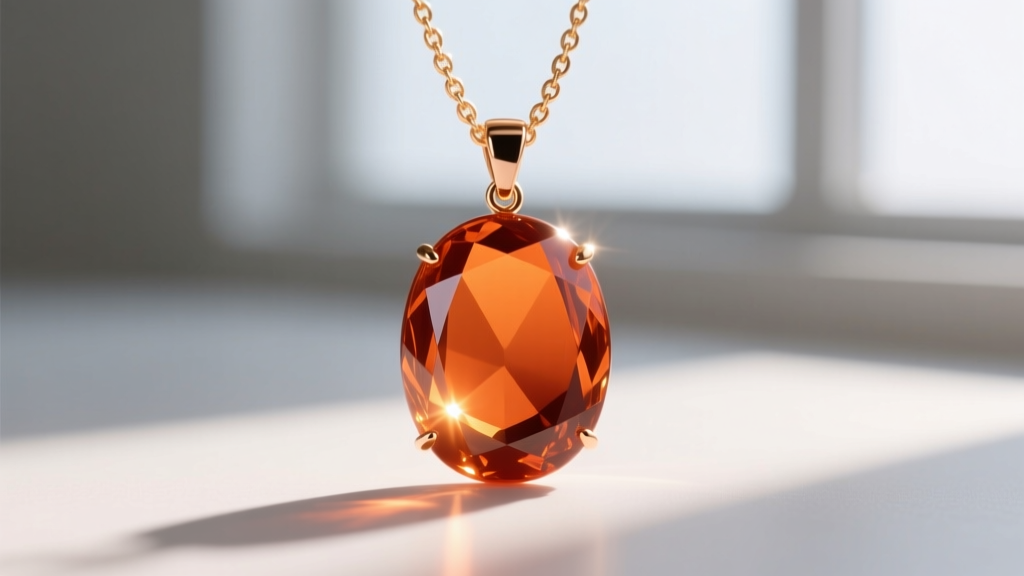
- Carnelian: A variety of chalcedony ranging from pale orange to deep, rusty red. It has a rich history in Roman signet rings and Egyptian amulets. With a Mohs hardness of 6.5 to 7, it is durable enough for pendants and earrings, though it requires care in rings.
- Onyx: Specifically black onyx, this banded chalcedony provides a striking, moody contrast. It is a favorite in men's jewelry and Art Deco-inspired designs, offering a sophisticated, gender-neutral alternative to the vibrant ruby.
Gemstone Comparison Chart
To help you decide which July birthstone aligns with your lifestyle and budget, refer to this comparative breakdown:
| Gemstone | Mohs Hardness | Typical Price (1ct) | Best Metal Pairing | Daily Wear Suitability |
|---|---|---|---|---|
| Natural Ruby | 9.0 | $1,000 - $10,000+ | Platinum / 18k Yellow Gold | Excellent (Rings & Bracelets) |
| Lab-Created Ruby | 9.0 | $50 - $150 | 14k White / Rose Gold | Excellent (Rings & Bracelets) |
| Carnelian | 6.5 - 7.0 | $5 - $20 (Cabochon) | 14k Yellow Gold / Sterling | Moderate (Pendants & Earrings) |
| Black Onyx | 6.5 - 7.0 | $5 - $15 (Cabochon) | Sterling Silver / Platinum | Moderate (Signet Rings & Pendants) |
Strategic Metal Pairings
The metal you choose dramatically alters the visual impact of your July birthstone. For rubies, 18k yellow gold is the classic choice; the warm tones of the gold amplify the stone's inner fire, creating a vintage, regal aesthetic. Conversely, setting a ruby in platinum or 18k white gold creates a high-contrast, modern look that makes the red color appear cooler and more vivid. If you are opting for carnelian, rose gold is a spectacular pairing. The copper alloys in rose gold harmonize with the orange-red hues of the carnelian, resulting in a cohesive, sun-kissed palette.
Pricing Tiers for Every Budget
Understanding market pricing prevents overpaying and helps set realistic expectations. Here is a practical framework for shopping in 2026:
1. Entry-Level ($50 – $300)
At this tier, you are looking at high-quality lab-created rubies (which share the exact chemical and physical properties of natural rubies) or beautifully cut carnelian cabochons. Brands like Mejuri and Catbird offer excellent entry-level lab-grown ruby pieces set in solid 14k gold. This is the smartest route for buyers wanting a large stone with flawless clarity without the natural premium.
2. Mid-Range ($800 – $3,500)
This budget unlocks natural, heat-treated rubies in the 0.50ct to 1.25ct range. You will see visible inclusions, but the color should be vibrant. Reputable online vendors like Blue Nile and James Allen provide high-resolution 360-degree videos, which are essential for evaluating the "extinction" (dark areas) and windowing (transparent areas) of the cut.
3. Investment Grade ($5,000+)
Here, you enter the realm of unheated, origin-specific rubies (such as Burmese or Mozambican) with top-tier color saturation. Purchases in this tier must be accompanied by a laboratory report verifying the lack of heat treatment and geographic origin, as these factors multiply the stone's value exponentially.
Daily Wear and Care Protocols
Durability is a function of both hardness and toughness. While a natural, untreated ruby ranks a 9 on the Mohs scale—making it exceptionally resistant to scratching—it can still chip if struck hard against a surface due to its crystalline cleavage planes. Never put a fracture-filled ruby in an ultrasonic cleaner; the high-frequency vibrations will shatter the glass filling and destroy the stone.
For carnelian and onyx, avoid ultrasonic cleaners entirely. These chalcedony varieties can contain microscopic fluid inclusions or hidden fractures that may expand and crack under ultrasonic stress or sudden temperature changes. The safest, most professional cleaning method for all July birthstones is a simple soak in lukewarm water with a drop of mild dish soap, followed by gentle agitation with a soft-bristled baby toothbrush and drying with a lint-free microfiber cloth. By following these protocols, your July birthstone jewelry will maintain its brilliance and structural integrity for generations.