How to Choose the Perfect Birthstone Jewelry for Moms
Discover what to look for when buying birthstone jewelry for moms. Compare metals, stone settings, and custom designs for a lasting family keepsake.

Buying birthstone jewelry for moms is a deeply personal endeavor. It is not merely about selecting beautiful gemstones; it is about engineering a sentimental keepsake that can withstand the rigors of motherhood. From toddler tantrums and grocery runs to gardening and endless hand-washing, a mother's daily jewelry faces extreme environmental and physical stress. This comprehensive buying guide will walk you through the exact material grades, setting mechanics, and structural configurations required to choose birthstone jewelry for moms that lasts a lifetime.
Why Material Choice Dictates Longevity in Mom Jewelry
The foundation of any enduring piece of jewelry is its metal alloy. When customizing family birthstone pieces, the choice between 14k and 18k gold, or opting for platinum, will drastically alter the piece's lifespan and maintenance requirements.
Gold Alloys: 14k vs. 18k
Pure 24k gold is too soft for daily wear, so it is alloyed with metals like copper, zinc, and silver. 14k gold (58.5% pure gold) is the gold standard for rings and bracelets intended for active mothers. It offers superior Vickers hardness (approx. 140 HV), meaning it resists scratching, denting, and deformation when subjected to the heavy impacts of daily chores. 18k gold (75% pure gold) has a richer, warmer color but is softer (approx. 125 HV). It is highly recommended for necklaces and earrings where impact risk is lower, but it is a poor choice for a mother's daily-wear ring.
The Platinum Advantage and White Gold Realities
Platinum is a dense, heavy metal that does not lose material when scratched; instead, the metal displaces, creating a patina that many jewelers and collectors appreciate. More importantly, platinum prongs are vastly superior for securing expensive gemstones. If you are buying white gold, be aware that it requires rhodium plating to achieve its bright white finish. Frequent exposure to hand sanitizers and household cleaners will strip this plating in 6 to 12 months, requiring costly re-plating. For a low-maintenance white metal, platinum is the undisputed champion.
'A piece of jewelry meant to be worn daily by a mother must pass the toddler tug-test and the kitchen sink test. If the chain gauge is under 1.2mm, it will eventually snap.'
Stone Settings: Security vs. Aesthetics for Active Lifestyles
The way a gemstone is secured into the metal is the most critical failure point in family jewelry. While delicate prongs offer maximum light return, they are notorious snag hazards.
| Setting Type | Security Level | Snag Risk | Best Application for Moms |
|---|---|---|---|
| Bezel | Very High | None | Active moms, daily-wear rings, toddler-proof necklaces |
| Flush / Gypsy | High | None | Stackable rings, subtle everyday bands |
| Channel | Medium-High | Low | Eternity bands, tennis bracelets |
| Prong (4 or 6) | Medium | High | Special occasion pendants, earrings (avoid for rings) |
For a mother who works with her hands, chases young children, or frequently wears knit sweaters, bezel settings are mandatory for rings. A bezel completely encircles the gemstone's girdle with a custom-fitted metal rim, eliminating the gap where prongs can catch on fabric and bend backward, ultimately leading to stone loss.
Gemstone Hardness and Daily Wear Realities
Not all birthstones are created equal. When evaluating birthstone jewelry for moms, you must consult the Mohs scale of mineral hardness, but more importantly, you must understand toughness (resistance to breaking and chipping). According to the Gemological Institute of America (GIA), a stone's durability is a combination of hardness, toughness, and stability.
- Rubies and Sapphires (Corundum - Mohs 9): The ultimate mom-friendly stones. They possess excellent hardness and very good toughness, making them ideal for daily-wear rings.
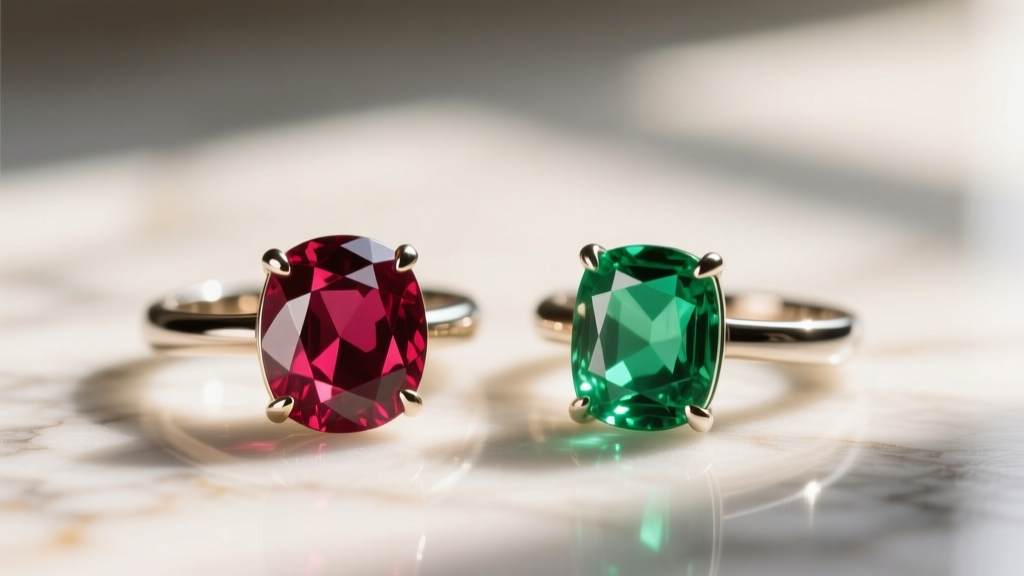
- Emeralds (Beryl - Mohs 7.5-8): While reasonably hard, emeralds are heavily included and naturally brittle. A dropped emerald ring on a tile floor can easily shatter. They are best reserved for pendants or earrings.
- Opals (Mohs 5.5-6.5): Opals contain up to 20% water. They are highly susceptible to 'crazing' (cracking) when exposed to dry heat, sudden temperature changes, or harsh chemicals. Never buy an opal ring for a mom who gardens or cooks daily.
- Pearls (Mohs 2.5-4.5): Organic and incredibly soft. Pearls will dissolve over time when exposed to the acids in human sweat, perfumes, and hairsprays. They require meticulous care and should be put on last and taken off first.
Navigating Multi-Stone Configurations and Chain Gauges
Family jewelry often involves multiple stones representing different children. The configuration you choose impacts both the visual balance and the structural integrity of the piece.
Stackable Rings vs. Multi-Gem Pendants
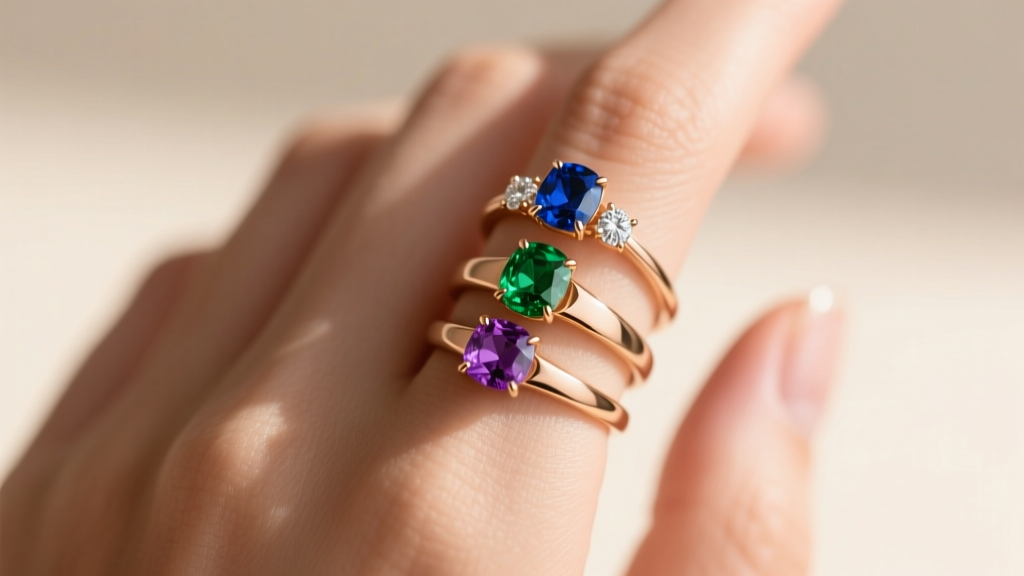
Stackable 1.5mm bands are highly popular, allowing a mother to add a new ring for each child. However, thin bands warp easily. If opting for stackable rings, ensure they are cast in 14k gold and feature flush-set stones to prevent the rings from grinding against each other and wearing down the metal over time.
For necklaces, a multi-gem bar pendant or a cluster 'family tree' design is a beautiful alternative. The critical factor here is the chain gauge. A toddler pulling on a necklace can exert surprising force. Avoid delicate 0.9mm cable chains. Instead, opt for a 1.2mm to 1.5mm box chain or rope chain secured with a sturdy lobster clasp. According to Federal Trade Commission (FTC) jewelry guidelines, ensuring proper karat stamping and structural soundness is vital for consumer protection, but chain tensile strength is rarely regulated, making buyer education essential.
Future-Proofing: The Growing Family Dilemma
One of the most common mistakes buyers make is purchasing a fixed-configuration piece for a young mother who may plan to have more children. If you are buying birthstone jewelry for moms with growing families, consider modular designs:
- Charm Bracelets: A high-quality 14k gold link bracelet allows you to add individual birthstone or initial charms over the years without altering the original piece.
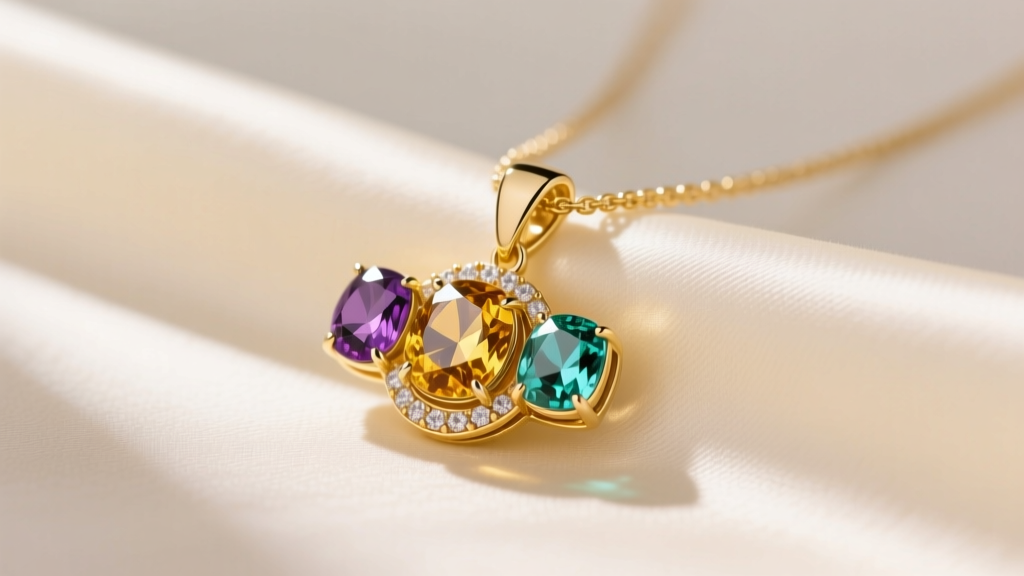
- Adjustable Cluster Pendants: Some custom jewelers design pendants with a central 'mother' stone and detachable halo or drop stones that can be added later.
- Engraved Bangles: A solid gold bangle with interior engravings of birth dates or names can easily be updated by a laser engraver when a new child arrives, avoiding the need to reset stones.
Budgeting and Sourcing Authentic Custom Pieces
Custom birthstone jewelry requires a realistic budget. Mass-produced mall jewelry often uses glued-in stones and hollowed-out metal to cut costs, leading to inevitable failure. When commissioning a custom piece from a reputable bench jeweler, expect the following pricing tiers for solid 14k gold:
- Single Stone Bezel Pendant (14k Gold): $250 - $450
- Custom 3-Stone Cluster Pendant (14k Gold): $450 - $850
- Solid Stackable Birthstone Ring (14k Gold): $180 - $350 per band
- Platinum Upgrade: Add 40% - 60% to the total metal cost
Always request a CAD (Computer-Aided Design) rendering before the piece is cast. This allows you to verify the thickness of the metal shanks, the depth of the bezels, and the exact millimeter dimensions of the gemstones. A reputable jeweler will gladly provide this transparency.
Final Checklist Before Checkout
Before finalizing your purchase of birthstone jewelry for moms, run through this essential quality-assurance checklist:
- Is the metal stamped with a valid hallmark (e.g., 14K, 585, PT950)?
- Are the gemstones appropriate for the intended wear (e.g., no opals in daily-wear rings)?
- Are the settings snag-free (bezel or flush) if the piece is a ring or bracelet?
- Is the necklace chain at least 1.2mm thick with a reinforced jump ring?
- Does the design allow for future additions if the family grows?
By prioritizing structural engineering and material science alongside aesthetic beauty, you can gift a piece of birthstone jewelry that a mother will wear proudly every single day, eventually passing it down as a flawless family heirloom.