Step-by-Step Guide to Caring for October Birthstone Jewelry
Learn how to safely clean, store, and maintain your October birthstone jewelry. Step-by-step care guide for delicate opals and pink tourmaline.

Understanding October's Dual Birthstones
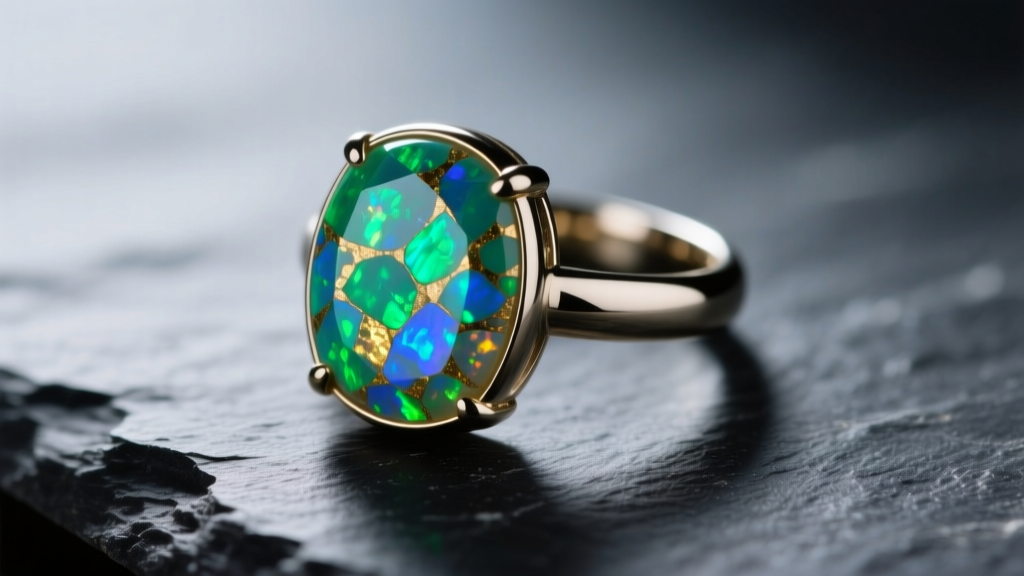
October is unique in the gemological calendar, boasting two spectacular but vastly different birthstones: opal and tourmaline (specifically pink tourmaline). While both offer breathtaking color, their physical properties dictate entirely different maintenance routines. As of 2026, the market is flooded with both natural and lab-created variants, making it crucial to understand the specific material science behind your gems. Opal is a hydrated silica gel with a Mohs hardness of just 5.5 to 6.5, meaning it is highly susceptible to scratching and dehydration. Tourmaline, ranking higher at 7 to 7.5 on the Mohs scale, is more durable but possesses unique pyroelectric properties that attract dust and oils. This comprehensive guide provides a step-by-step framework for preserving the brilliance and structural integrity of your october birthstone jewelry.
Step 1: Identify Your Opal's Origin and Porosity
Before applying any moisture to an opal, you must identify its origin. The cleaning protocol for an Australian opal will actively destroy an Ethiopian opal if done incorrectly.
The Hydrophane Factor (Ethiopian Opals)
Ethiopian opals are 'hydrophane,' meaning they are highly porous and readily absorb liquids. If submerged in water, an Ethiopian opal can absorb moisture, temporarily losing its signature play-of-color and turning completely transparent or milky. Worse, if the water contains dissolved minerals, chlorine, or soap residue, the stone can become permanently clouded. Furthermore, rapid moisture loss can cause 'crazing'—a network of internal fractures that ruins the stone's structural integrity.
Non-Hydrophane Opals (Australian and Mexican)
Australian opals (including boulder and white opals) are non-hydrophane. They contain a stable water content (usually between 6% and 10%) sealed within their silica structure. While they are safe to clean with a lightly damp cloth, they remain soft and vulnerable to thermal shock and harsh chemicals.
Step 2: The Safe Cleaning Protocol for Opals
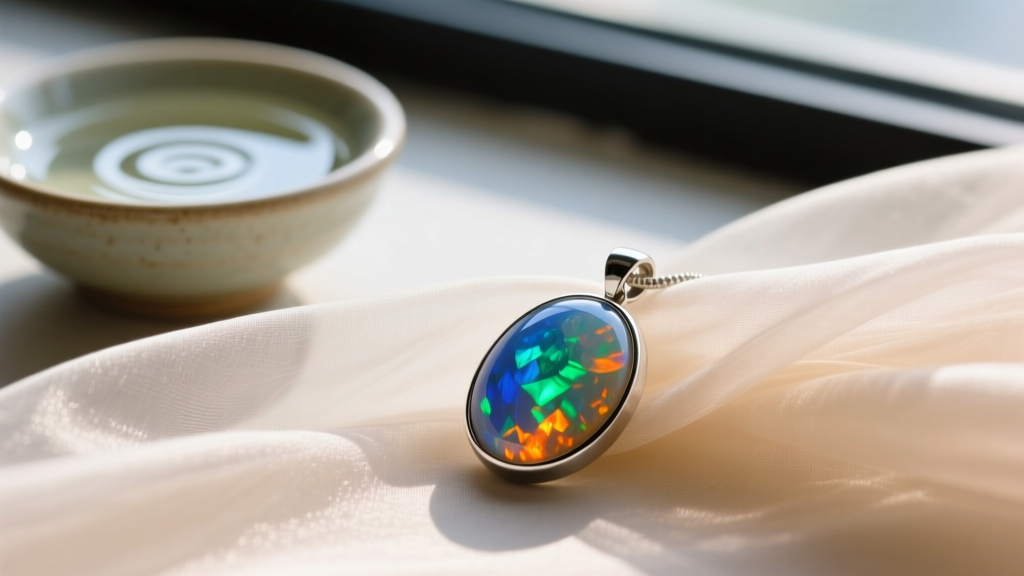
Forget ultrasonic cleaners and steamers; the high-frequency vibrations and intense heat will shatter an opal cabochon in seconds. Follow this strict, step-by-step dry-to-damp cleaning method:
- Dry Dusting: Use a clean, dry microfiber cloth or a very soft makeup brush to gently sweep away surface dust. Opals scratch easily, so rubbing dry dirt into the surface will cause micro-abrasions that dull the play-of-color over time.
- Targeted Spot Cleaning (Australian Opals Only): Dampen a corner of a microfiber cloth with distilled water (never tap water, due to chlorine and hard minerals). Gently wipe the surface of the stone. Do not soak the jewelry.
- Strict Dry Wipe (Ethiopian Opals Only): For hydrophane stones, use a slightly damp cloth (wrung out until almost dry) and immediately follow with a dry polishing cloth to remove skin oils. Never let liquid pool around the setting.
- Setting Maintenance: Use a dry cotton swab to gently clean the metal bezel or prongs. If your opal is set in sterling silver, use a specialized silver polishing cloth on the metal only, ensuring the treated fabric does not aggressively rub against the soft gemstone.
Expert Tip: If your opal cabochon becomes heavily scratched from daily wear, do not attempt to buff it at home. Take it to a professional lapidary. Re-polishing an opal typically costs between $40 and $120, depending on carat weight, and restores the original optical fire.
Step 3: Cleaning Pink Tourmaline Safely
Pink tourmaline is more forgiving than opal, but it presents its own unique challenges due to its crystal structure and pyroelectric nature.
The Pyroelectric Effect
Tourmaline is pyroelectric, meaning it develops a slight electrical charge when subjected to temperature changes or mechanical friction (like rubbing with a cloth). This charge acts like a magnet for dust, lint, and microscopic skin oils. To counteract this, you must use a specific cleaning technique that grounds the stone and removes the charge.
- Prepare a Mild Solution: Mix a few drops of pH-neutral dish soap (like Dawn) into a bowl of lukewarm—not hot—distilled water.
- Soak Briefly: Submerge the tourmaline jewelry for no more than 3 to 5 minutes. This loosens oils without risking damage to fracture-filled stones. (Note: Many commercial pink tourmalines are clarity-enhanced with resins; prolonged soaking can degrade these fillers).
- Soft Brushing: Use an extra-soft baby toothbrush to gently agitate the back of the stone (the pavilion), where light-blocking grease accumulates. Avoid aggressive scrubbing on the crown.
- Rinse and Dry: Rinse under a gentle stream of lukewarm distilled water. Pat dry with a lint-free microfiber cloth. The moisture helps dissipate the pyroelectric charge, leaving the stone dust-free.
Step 4: Storage, Settings, and Daily Wear Rules
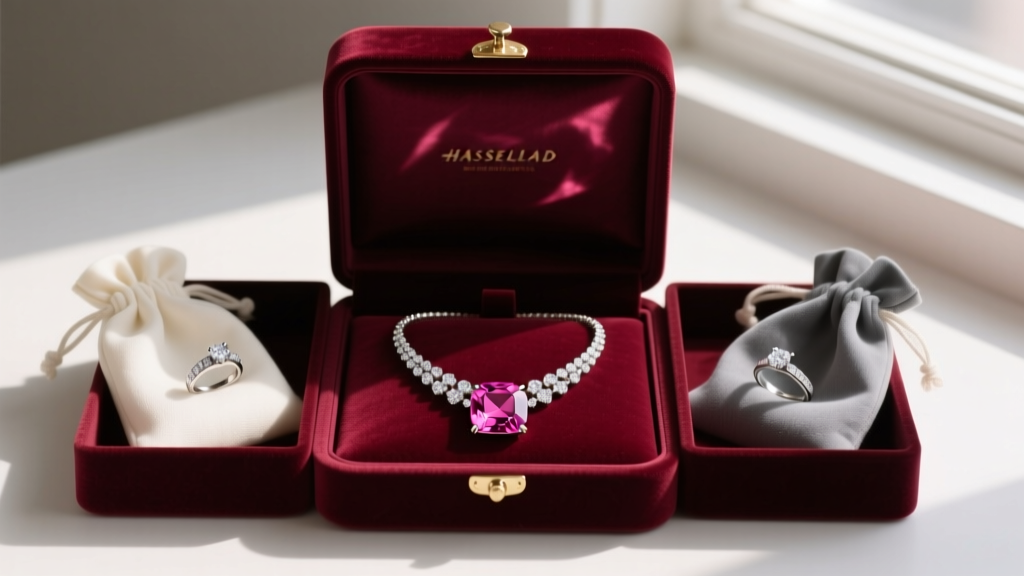
How you store and set your october birthstone jewelry is just as critical as how you clean it. Because opals and tourmalines have different hardness levels, they require distinct protective measures.
| Feature | Opal (Mohs 5.5 - 6.5) | Pink Tourmaline (Mohs 7 - 7.5) |
|---|---|---|
| Ideal Setting | Bezel or Halo (protects fragile girdle) | Prong, Bezel, or Channel |
| Best Jewelry Type | Pendants, Earrings, Brooches | Rings, Bracelets, Pendants |
| Storage Requirement | Humidified pouch or damp cotton ball in a sealed bag (for long-term storage) | Standard fabric-lined jewelry box |
| Scratch Risk | High (scratched by quartz, diamonds, topaz) | Moderate (scratched by diamonds, corundum) |
When storing these pieces, never toss them loosely into a communal jewelry box. Diamonds (Mohs 10) and sapphires (Mohs 9) will effortlessly carve deep scratches into both opals and tourmalines. Store each piece in an individual soft fabric pouch. For opals kept in extremely dry climates or safety deposit boxes, placing a small, damp piece of cotton in a sealed plastic bag alongside the jewelry can prevent the stone from drying out and crazing over time.
Critical Mistakes to Avoid in 2026
- Ultrasonic Cleaners: Never use ultrasonic waves on opals (they will shatter) or included tourmalines (the vibrations will expand internal fractures).
- Steam Cleaners: Thermal shock from steam can cause instant crazing in opals and damage resin fillers in treated tourmalines.
- Wearing in the Shower/Pool: Chlorine and hot water are fatal to opals. The chemicals can eat away at the polish, while the heat causes rapid moisture loss.
- Improper Prong Settings: If you are having a custom piece made, insist on 22-gauge or thicker bezel wire for opals. Thin prongs leave the soft edges of the cabochon exposed to chipping against doorframes and desks.
Final Thoughts on October Birthstone Jewelry Maintenance
Caring for your october birthstone jewelry requires a shift in mindset from standard diamond or sapphire maintenance. By respecting the unique hydration needs of opals and the pyroelectric quirks of tourmaline, you can ensure these vibrant gems survive for generations. For authoritative gemological data on specific treatments and enhancements, always refer to the Gemological Institute of America's Opal Care Guide and the GIA Tourmaline Care Guide. When in doubt, opt for gentle, dry cleaning methods and consult a certified bench jeweler for deep maintenance.