November Birthstone Jewelry: 2026 Budget & Value Guide
Evaluate november birthstone jewelry investments with our 2026 value guide. Compare citrine and topaz pricing, durability, and setting costs.

The November Dilemma: Citrine vs. Topaz Value Proposition
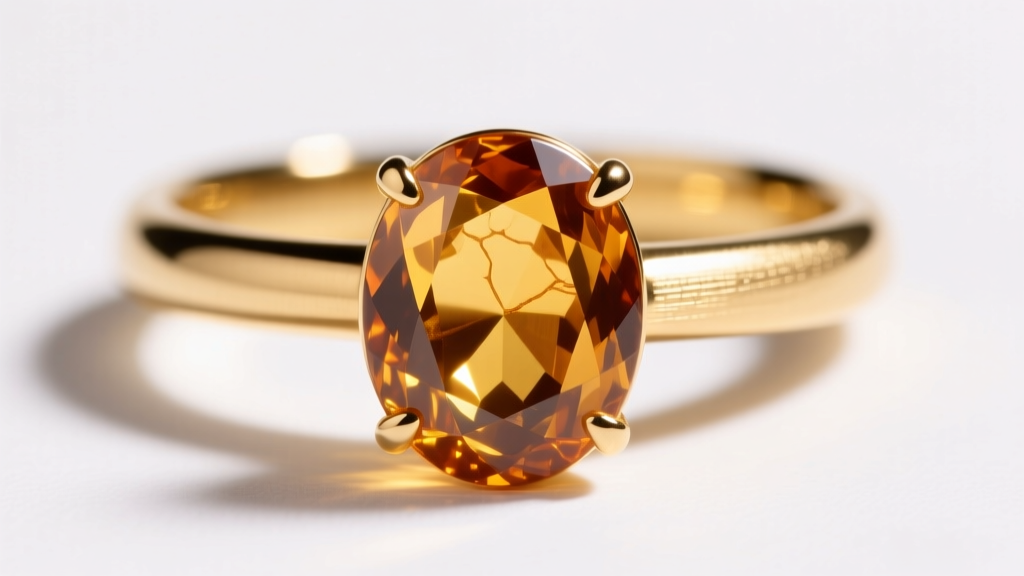
When shopping for november birthstone jewelry, buyers are uniquely positioned with a choice between two vastly different gemstones: Citrine and Topaz. While both offer stunning autumnal hues, their geological properties, market treatments, and long-term value retention differ drastically. In 2026, with precious metal prices fluctuating and gemstone sourcing becoming more transparent, understanding where your money actually goes is critical. This guide strips away the marketing fluff to provide a hard-nosed budget and value assessment of November’s dual birthstones, helping you maximize carat weight, durability, and aesthetic appeal without overpaying for hidden treatments.
Citrine: The Budget-Conscious Buyer's Best Friend
Citrine, the yellow-to-orange variety of quartz, is a Mohs 7 mineral. It is an exceptionally forgiving stone for daily wear, lacking the cleavage planes that plague other gems. However, the citrine market is heavily saturated with treated stones, which fundamentally impacts its value proposition.
Natural vs. Heat-Treated: What You're Actually Paying For
According to the Gemological Institute of America (GIA), the vast majority of commercial citrine on the market is actually amethyst that has been heat-treated at temperatures between 470°C and 560°C. This 'baked amethyst' is chemically stable and visually identical to the untrained eye, but it should command a much lower price per carat than natural, unheated citrine. If a jeweler is charging premium prices for a pale yellow citrine without providing a lab report verifying its natural origin, you are overpaying. True natural citrine often exhibits slight color zoning, whereas heat-treated versions tend to have a uniform, sometimes slightly reddish tint.
2026 Citrine Pricing Matrix
| Citrine Grade | Color Profile | Avg. Price Per Carat (2026) | Value Verdict |
|---|---|---|---|
| Commercial (Treated) | Pale Yellow | $5 - $12 | Excellent for fashion jewelry; avoid paying over $15/ct. |
| Golden Citrine | Warm Honey/Gold | $15 - $30 | Sweet spot for engagement or statement rings. |
| Fire / Madeira | Deep Reddish-Orange | $45 - $120+ | Highest value tier; demand lab verification for natural origin. |
Topaz: Navigating the Massive Price Chasm
Topaz is a silicate mineral with a Mohs hardness of 8, making it harder than citrine. However, hardness does not equal toughness. Topaz possesses perfect basal cleavage, meaning a single hard knock against a granite countertop can split the stone cleanly in half. This geological reality heavily influences how topaz must be set, directly impacting your overall jewelry budget.
Blue Topaz: The Affordable Everyday Option
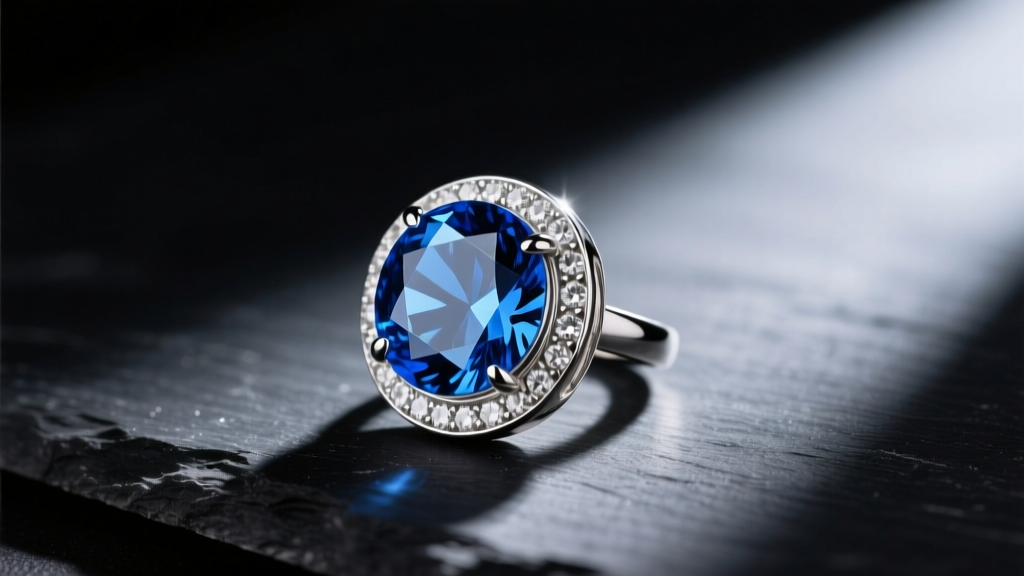
When most consumers think of topaz, they picture Swiss Blue or London Blue. It is an open industry secret that nearly 100% of blue topaz starts as colorless topaz and undergoes electron or gamma irradiation followed by heat treatment to achieve its blue hue. Because the rough material is abundant and the treatment is permanent, blue topaz remains incredibly affordable. You can easily secure a flawless, 5-carat London Blue topaz for under $100 in total gemstone cost. The budget here should be allocated toward the metal and the setting engineering rather than the stone itself.
Imperial Topaz: The Collector's Investment
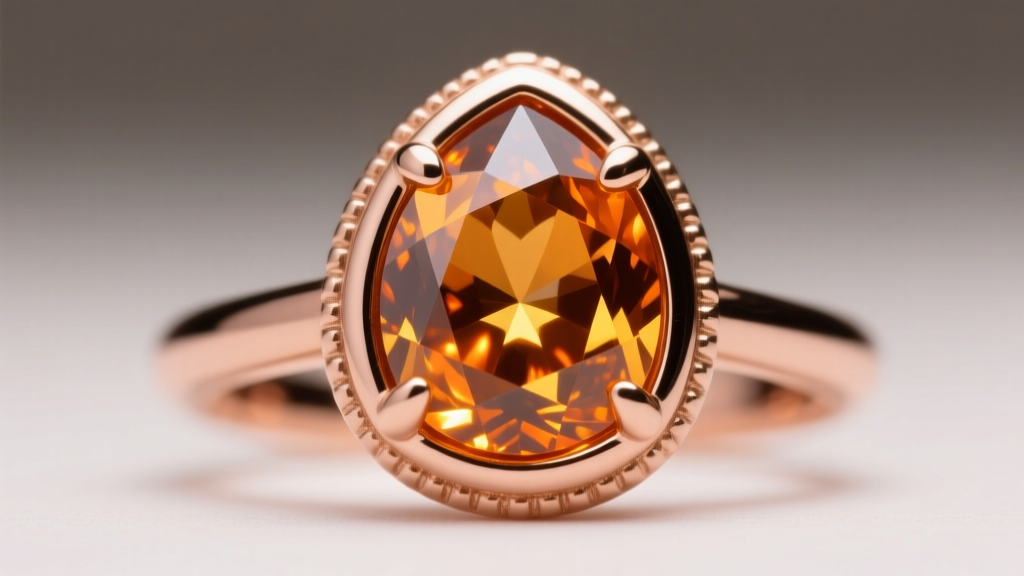
Imperial topaz, featuring natural pink, peach, or deep reddish-orange hues, is an entirely different financial tier. Sourced primarily from Ouro Preto, Brazil, untreated Imperial topaz commands anywhere from $1,000 to $3,500+ per carat. If you are buying Imperial topaz, you are buying a collector's asset. Do not attempt to budget-cut on an Imperial stone; insist on a report from a major lab like GIA or AGL to confirm the absence of heat treatment or coating, as the GIA notes that natural color is the primary driver of its immense value.
Structural Engineering: Metal Pairings and Setting Costs
A common budget mistake in november birthstone jewelry is pairing an expensive stone with a flimsy setting, or over-investing in metal for a cheap stone. Here is the structural framework for allocating your setting budget:
- For Citrine (Mohs 7): Because quartz is susceptible to scratching from household dust (which contains quartz particles), a bezel or semi-bezel setting in 14k solid gold is highly recommended. Avoid 10k gold for heirloom pieces, as the higher alloy content can cause skin reactions and tarnish over decades.
- For Blue Topaz (Mohs 8, High Cleavage): The stone is cheap, so spend your money on a heavy-duty protective setting. A thick 18k yellow gold or platinum bezel is mandatory for rings. Furthermore, ensure the ring shank is at least 2.2mm thick; a thin 1.5mm shank will warp over time, altering the prong tension and risking a catastrophic cleavage fracture.
- For Imperial Topaz: Match the stone's prestige with 18k rose gold or platinum. Use a cathedral setting with reinforced V-prongs at the points if using a pear or marquise cut, as the GIA's care guidelines explicitly warn against ultrasonic cleaners and hard impacts due to topaz's fragile cleavage planes.
The Final Verdict: Where to Allocate Your Funds
Budget Buyers ($100 - $500): Opt for a 2-to-4 carat London Blue Topaz set in a solid 14k gold bezel. You get maximum visual impact, excellent scratch resistance, and a setting that protects the stone's cleavage plane. Avoid cheap citrine in prong settings, as the prongs will catch and the stone will scratch.
Mid-Range Buyers ($500 - $1,500): Invest in a high-quality, natural Madeira Citrine (verified by a lab) set in 18k yellow gold. The deep reddish-orange hue mimics the look of stones costing ten times as much, offering incredible warmth and luxury for the price point.
High-End Investors ($3,000+): Untreated Imperial Topaz is the only November birthstone that holds genuine investment value. Allocate 80% of your budget to the gemstone's color saturation and origin verification, and 20% to a custom, protective platinum setting.
Ultimately, the value of your November birthstone jewelry relies entirely on your transparency with treatments and your willingness to invest in proper structural settings. By understanding the geological vulnerabilities of topaz and the thermal realities of citrine, you can confidently navigate the 2026 market and secure a piece that offers both enduring beauty and financial sense.