Does Brass Jewelry Tarnish? Step-by-Step Prevention & Care Guide
Discover if brass jewelry tarnishes and learn expert step-by-step methods to prevent oxidation, clean darkened alloys, and stop green skin reactions.

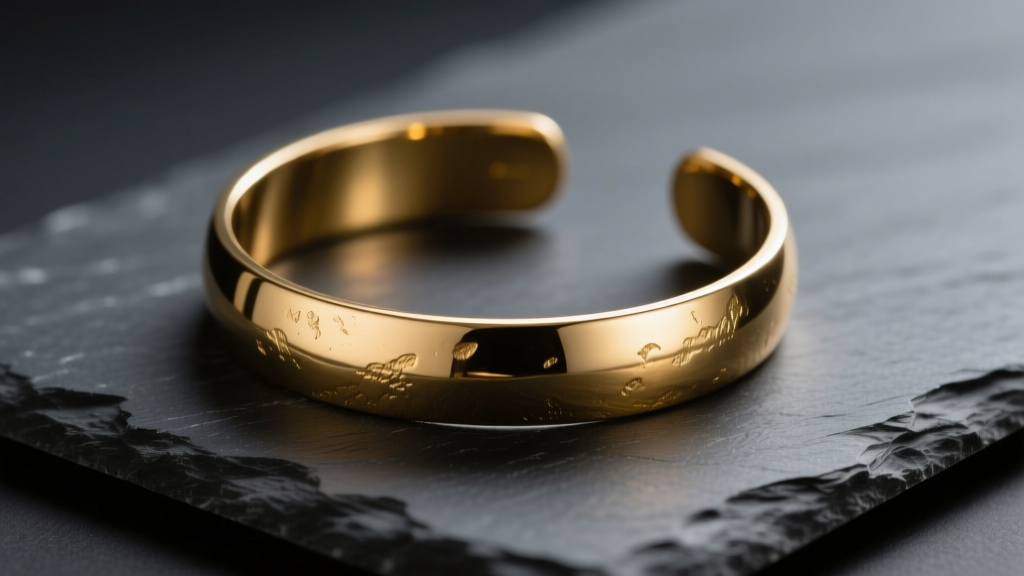
When building a versatile, budget-friendly jewelry collection, brass is a staple material. Its warm, golden hue mimics high-karat gold at a fraction of the cost. However, a common question among collectors and everyday wearers is: does brass jewelry tarnish? The short answer is yes. Because brass is an alloy primarily composed of copper, it is highly susceptible to oxidation and environmental reactions.
But tarnish is not a death sentence for your jewelry. With the right metallurgical understanding and a proactive care routine, you can maintain the brilliant luster of your brass pieces for decades. This guide provides a deep-dive, step-by-step approach to preventing tarnish, safely removing existing oxidation, and mitigating the dreaded 'green skin' reaction.
The Science: Why Brass Oxidizes
To understand how to care for brass, you must first understand its composition. Brass is not a pure elemental metal; it is an alloy of copper (typically 60% to 70%) and zinc (30% to 40%). According to jewelry metallurgy standards outlined by Rio Grande, the specific ratio dictates the alloy's color and workability. For instance, C260 (Cartridge Brass) has a higher copper content, yielding a richer yellow, while higher zinc content results in a paler, more silvery tone.
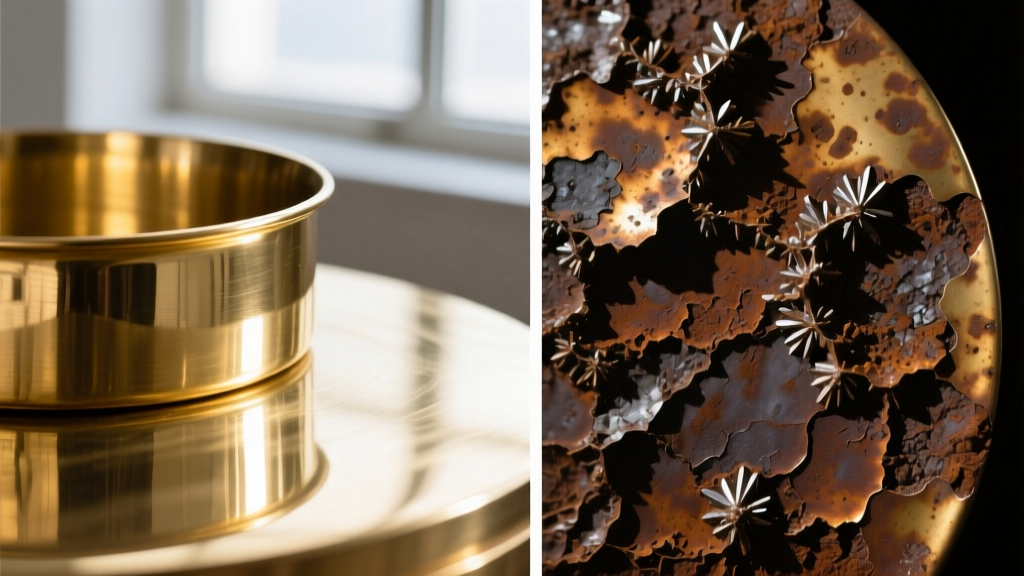
The copper within the brass alloy is the culprit behind tarnish. When copper is exposed to oxygen, moisture, and sulfur compounds in the air, it undergoes a chemical reaction. This creates copper oxide (which appears as a dull brown or black film) and, eventually, copper carbonate or copper sulfate (which appears as a greenish-blue patina known as verdigris). Furthermore, the natural acids, salts, and oils present in human sweat accelerate this electrochemical reaction, which is why brass rings and bracelets tarnish much faster than brass pendants.
Step-by-Step Guide to Preventing Tarnish
Prevention is always easier than restoration. By creating physical barriers and controlling the storage environment, you can halt the oxidation process before it begins.
Step 1: Apply a Micro-Crystalline Barrier
For brass pieces that you wear daily, applying a specialized jewelry sealant is the most effective defense. Products like Everbrite ProtectaClear or Renaissance Wax are industry standards.
- Prep: Ensure the brass is impeccably clean and completely dry. Any trapped moisture or oils will seal the tarnish underneath.
- Application: Apply a micro-thin coat of ProtectaClear using a lint-free microfiber cloth or a soft foam brush. It dries to a durable, 1-mil thick clear coat that is entirely invisible.
- Curing: Allow the piece to cure for 24 hours in a low-humidity environment before wearing.
Step 2: Control Your Storage Environment
When not being worn, brass must be stored in a controlled micro-climate. The Gemological Institute of America (GIA) recommends storing base metals away from high humidity and direct sunlight. Use airtight polyethylene ziplock bags paired with 3M Anti-Tarnish Strips. These strips absorb airborne sulfur compounds and hydrogen sulfide, effectively neutralizing the primary catalysts for copper oxidation. Replace these strips every 3 to 6 months for maximum efficacy.
How to Clean Tarnished Brass Jewelry
If your brass has already darkened, you need to strip the copper oxide layer without scratching the underlying alloy. Below is a comparison of the three most effective cleaning methodologies.
| Method | Active Ingredients | Best Use Case | Risk Level |
|---|---|---|---|
| Mild Surfactant | Dish soap, warm water | Light surface dirt, oils, and fingerprints | Zero (Safe for all stones) |
| Acidic Chelation | Lemon juice, baking soda, salt | Moderate to heavy brown/black oxidation | Medium (Can damage porous gems) |
| Commercial Polish | Ammonia, mild abrasives (e.g., Brasso) | Severe, pitted tarnish on solid brass | High (Strips intentional patinas) |
The Citric Acid & Abrasive Method (Step-by-Step)
For standard tarnish removal on solid brass (without porous gemstones like turquoise or pearls), the acidic chelation method is highly effective and uses common household items.
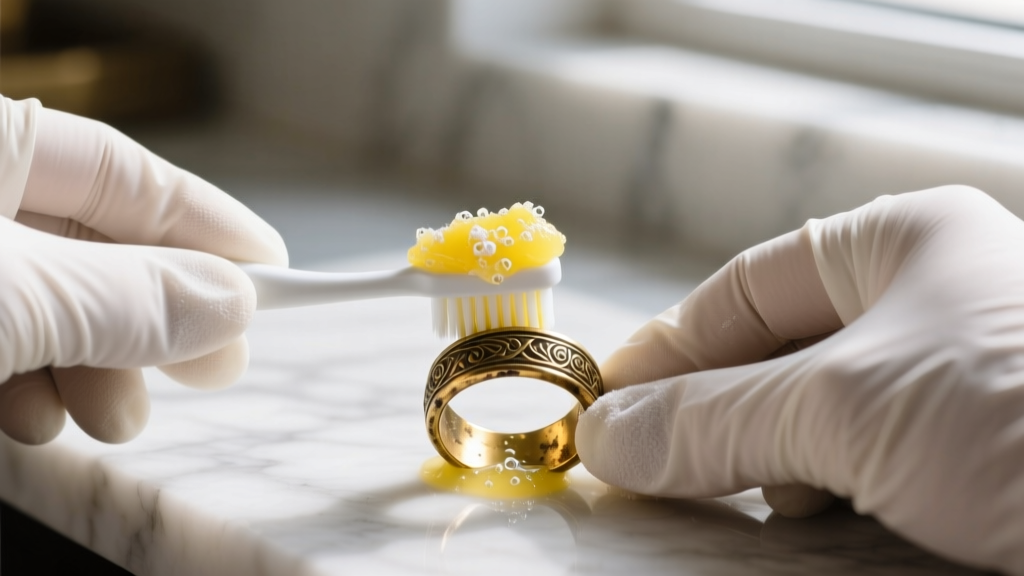
- Mix the Paste: Squeeze half a lemon into a small glass bowl. Gradually stir in baking soda until it forms a thick, fizzing paste. Add a pinch of fine sea salt for extra mechanical abrasion.
- Apply and Agitate: Using a soft-bristled baby toothbrush, gently work the paste into the tarnished brass. The citric acid chemically breaks down the copper oxide, while the baking soda and salt physically lift it away.
- Dwell Time: Let the paste sit on the metal for no more than 2 to 3 minutes. Prolonged acid exposure can cause 'dezincification,' selectively leaching zinc from the alloy and leaving a spongy, pure-copper surface.
- Neutralize and Rinse: Rinse thoroughly under lukewarm running water. The alkaline baking soda naturally neutralizes the citric acid.
- Dry Immediately: Buff completely dry with a microfiber cloth. Air-drying will leave water spots that can restart the oxidation cycle.
Solving the 'Green Skin' Reaction
The green stain left on your skin is not an allergic reaction or a sign of 'fake' metal. It is a harmless chemical byproduct called copper chelates, formed when the copper in brass reacts with the acidic pH of your sweat.
Human skin has a natural pH ranging from 4.5 to 5.5. When this mild acidity interacts with brass, it creates copper salts that absorb into the epidermis. To prevent this without sealing the jewelry, you can alter the skin-metal interface. Applying a thin layer of clear, cosmetic-grade barrier cream or a specialized product like Jewelry Shield to the inside of the ring or bracelet will temporarily block the acid transfer. For a permanent fix, the micro-crystalline wax or ProtectaClear coating mentioned in Step 1 will entirely encapsulate the metal, preventing skin contact and eliminating the green stain.
Long-Term Maintenance Schedule
To keep your brass jewelry in pristine condition, adopt this simple maintenance framework:
- Post-Wear (Daily): Wipe the piece with a dry, untreated polishing cloth to remove sweat, lotions, and environmental sulfur before putting it in storage.
- Deep Clean (Monthly): Wash with a mild dish soap and warm water solution to strip accumulated sebum and cosmetic residues that trap moisture against the metal.
- Re-Seal (Annually): If you use a liquid barrier like ProtectaClear, expect to reapply it every 12 to 18 months, as friction from daily wear will eventually degrade the polymer coating.
Understanding that brass is a reactive, living metal is the first step to appreciating its unique character. By implementing these targeted prevention and cleaning strategies, you ensure your brass jewelry remains a vibrant, golden staple in your collection for years to come.
Related stories

By Material
Step vs. Women: Material Properties, Applications, and Real-World Performance in Copper-Brass Engineering
By Material
Copper Diamond Essentials: Material Science, Applications, and Performance Metrics for Industrial and Architectural Use

By Material