How Do I Clean Copper Jewelry? Metal Properties & Care
Learn how do I clean copper jewelry safely. Compare copper, brass, and bronze oxidation properties and discover expert methods to preserve or remove patina.

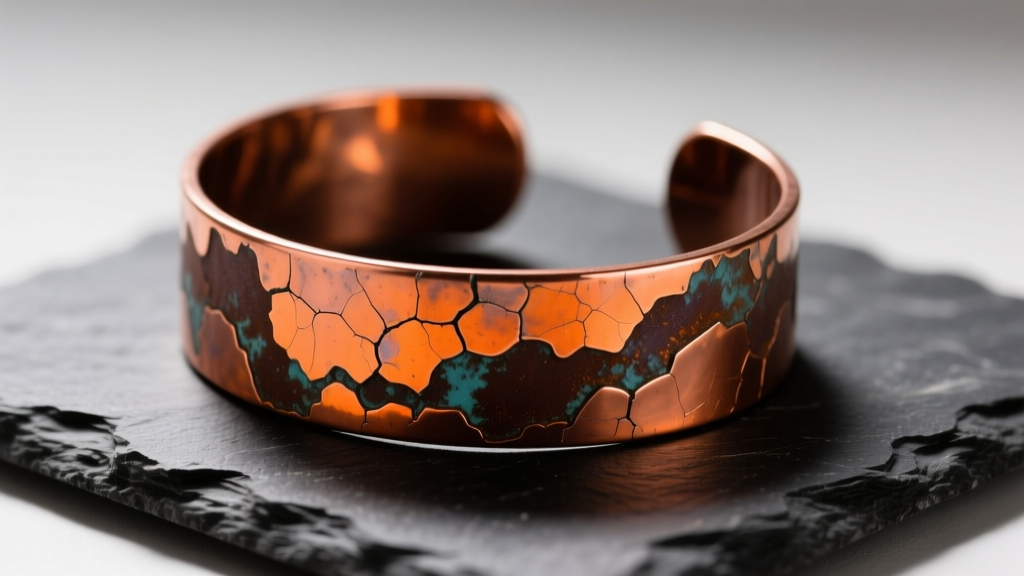
Copper, brass, and bronze are not static metals; they are living materials that interact continuously with their environment. For jewelry collectors and artisans, this reactivity is a double-edged sword. It allows for the development of a rich, antique patina, but it also leads to unwanted tarnish, darkening, and potentially toxic verdigris. When asking, how do I clean copper jewelry, the answer is never a simple one-size-fits-all scrub. The correct approach depends entirely on the metallurgical composition of the piece, the specific type of oxidation present, and whether your goal is to restore a mirror shine or preserve an antique finish.
In this comprehensive guide, we break down the chemical properties of copper alloys and provide a precise, scientifically grounded decision matrix for cleaning, restoring, and sealing your jewelry in 2026 and beyond.
The Metallurgy of Tarnish: Why Copper Reacts
To clean copper effectively, you must first understand what you are actually removing. Pure copper (Cu) reacts with oxygen in the air to form two primary oxides:
- Cuprite (Cu2O): A reddish-brown layer that forms initially. It is relatively stable and often desired for its warm, antique glow.
- Tenorite (CuO): A black, powdery oxide that forms when cuprite is exposed to further oxidation and moisture. This is the dull, dirty-looking tarnish most people want to remove.
When copper is exposed to moisture, carbon dioxide, and environmental pollutants (like sulfur or chlorine), it develops verdigris—a complex mixture of copper carbonates, chlorides, and acetates. Unlike the protective patina on architectural bronze, verdigris on jewelry is powdery, unstable, and can cause skin irritation or damage adjacent gemstones.
How Do I Clean Copper Jewelry? The Decision Matrix
Before applying any chemical or abrasive, identify your end goal. The wrong cleaning agent can strip a valuable antique finish or induce structural weaknesses in copper alloys. Use the matrix below to select your protocol.
| Tarnish Type | Chemical Composition | Recommended Agent | Mechanical Action |
|---|---|---|---|
| Light Dulling | Early Cuprite (Cu2O) | Mild Dish Soap & Warm Water | Microfiber Cloth |
| Dark Oxidation | Tenorite (CuO) | Vinegar & Flour Paste | Soft Nylon Brush |
| Heavy Verdigris | Copper Carbonate/Acetate | Lemon Juice & Coarse Salt | Wooden Skewer / Toothbrush |
| Valuable Patina | Mixed Stable Oxides | Mineral Spirits (Degreasing only) | Cotton Swab |
Method 1: The Acidic Reduction (For High-Shine Restoration)
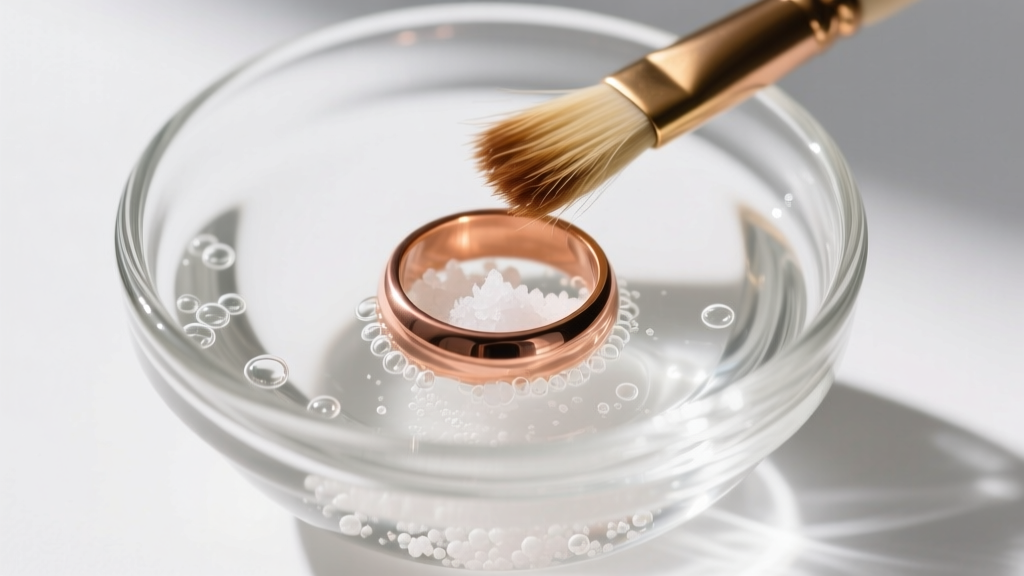
If your goal is to return a piece of solid copper jewelry to a bright, salmon-pink shine, you need a mild acid to dissolve the tenorite layer, combined with a mild abrasive to physically lift it. The most effective, jewelry-safe DIY method is the Vinegar-Flour Paste.
- Mix 1/4 cup of white vinegar (acetic acid) with 1 teaspoon of non-iodized salt. The chloride ions from the salt act as a catalyst, accelerating the dissolution of copper oxide.
- Gradually stir in all-purpose flour until a thick, spreadable paste forms. The flour acts as a rheological modifier, keeping the acidic solution suspended on the vertical surfaces of the jewelry rather than dripping off.
- Apply the paste to the copper using a soft silicone brush. Avoid getting the paste on any soldered joints or porous gemstones.
- Let it sit for exactly 10 to 15 minutes. Do not exceed 20 minutes, as prolonged acid exposure can lead to micro-pitting on the copper surface.
- Rinse thoroughly with distilled water (tap water contains chlorine and minerals that will immediately restart the oxidation process) and dry with a lint-free cloth.
Method 2: The Chelation Approach (For Stubborn Verdigris)
Verdigris often builds up in the crevices of cast bronze or heavily textured copper pieces. While commercial jewelry dips use strong chelating agents, you can safely remove verdigris using a localized application of lemon juice and a wooden tool.
Expert Warning: Never use steel wool or wire brushes on copper alloys. Copper has a Mohs hardness of only 2.5 to 3.0. Steel (Mohs 4.0+) will leave deep, irreversible scratches and embed iron particles into the copper, leading to localized galvanic corrosion and rust spots.
Copper vs. Brass vs. Bronze: Cleaning Tolerances
While often grouped together, copper, brass, and bronze have distinct metallurgical profiles that dictate how aggressively they can be cleaned. According to the Smithsonian Museum Conservation Institute, treating a brass piece like pure copper can result in catastrophic structural failure.
Brass (Copper + Zinc) and the Ammonia Danger
Brass is an alloy of copper and zinc. Many commercial brass polishes contain ammonia because it is highly effective at dissolving copper tarnish. However, ammonia induces stress corrosion cracking (historically known as 'season cracking') in brass. If your brass jewelry has been cold-worked, bent, or features tight wire-wrapping, the residual internal stresses combined with ammonia exposure will cause microscopic fractures, eventually snapping the piece. Never use ammonia-based cleaners on brass jewelry.
Bronze (Copper + Tin) and Abrasive Sensitivity
Bronze is harder than pure copper (Mohs 3.0 to 4.5, depending on tin content) and more resistant to atmospheric corrosion. However, bronze is prone to 'bronze disease'—a cyclical, destructive corrosion caused by cuprous chloride reacting with moisture to form hydrochloric acid. If you spot a powdery, bright green substance on bronze jewelry that returns days after cleaning, it is bronze disease. This requires professional conservation treatment (often involving benzotriazole or BTA stabilization), not a simple kitchen scrub.
Sealing and Post-Cleaning Protection
Once you have cleaned your copper jewelry to the desired level of shine, the bare metal is highly vulnerable to re-oxidation. Human skin has a slightly acidic pH (around 5.5) and secretes sebum and salts, which will tarnish bare copper within hours of wear. To prevent this, you must apply a barrier coating.
Microcrystalline Wax (The Museum Standard)
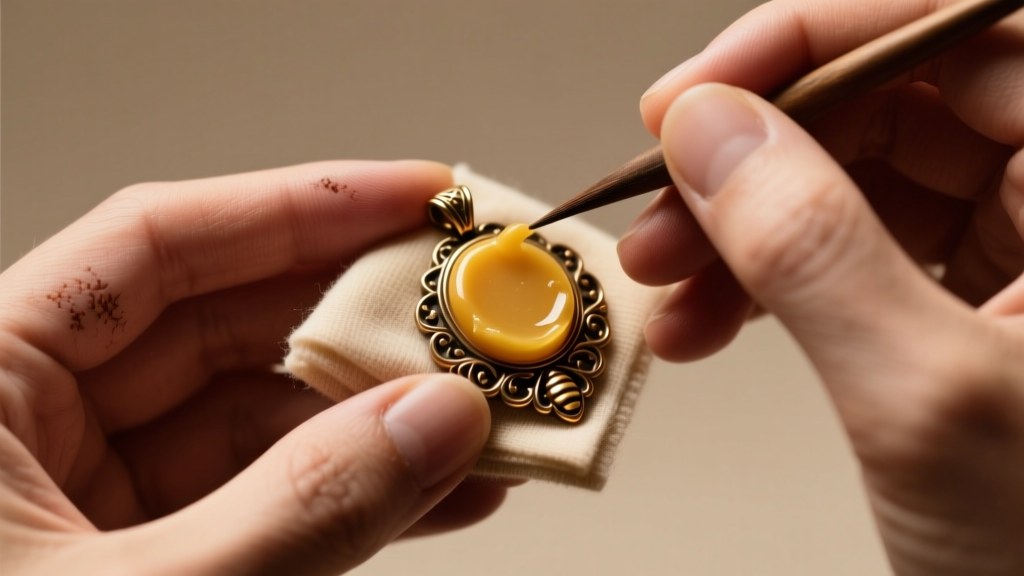
For high-end or artisan copper jewelry, microcrystalline wax (such as Renaissance Wax) is the gold standard. Unlike beeswax, which remains tacky and attracts dust, or carnauba wax, which requires high heat to apply, microcrystalline wax is applied cold, dries completely inert, and does not yellow over time.
- Application: Apply a microscopically thin layer using a lint-free cotton cloth.
- Curing: Allow it to haze for 15 minutes.
- Buffing: Buff gently with a clean horsehair brush to achieve a soft, satin luster.
Clear Lacquers and Enamels
For mass-produced copper jewelry, manufacturers often use clear acrylic or polyurethane lacquers. While these provide a longer-lasting barrier against skin acids, they eventually chip and peel, leaving the jewelry looking patchy. Removing failed lacquer requires harsh solvents like acetone, which can destroy organic gemstones (like amber, pearl, or coral) set in the piece.
Expert Troubleshooting & Common Mistakes
Protecting Porous Gemstones
According to the Gemological Institute of America (GIA), porous gemstones such as turquoise, lapis lazuli, malachite, and opal are highly susceptible to chemical damage. The acids used to clean copper (vinegar, lemon juice) will etch the surface of calcium-based stones (like turquoise) and strip the polish from opals. Always mask adjacent stones with painter's tape or petroleum jelly before applying acidic copper cleaners.
The Mixed-Metal Dilemma
If your jewelry features copper rivets set into a sterling silver or gold frame, avoid immersing the entire piece in a chemical bath. Galvanic reactions between the dissimilar metals in an electrolyte solution (like saltwater or vinegar) will cause the less noble metal (copper) to corrode rapidly at the junction points. Clean mixed-metal pieces using localized application with a cotton swab.
The Conservator's Rule: In the world of antique and vintage jewelry, patina is provenance. Stripping a 19th-century bronze brooch to a bright shine destroys its historical context and significantly reduces its monetary value. When in doubt, degrease with mineral spirits and leave the oxides intact.
Final Thoughts on Copper Care
Understanding how do I clean copper jewelry requires shifting your mindset from 'stain removal' to 'metallurgical management.' By respecting the Mohs hardness of the alloy, avoiding catastrophic chemicals like ammonia on brass, and utilizing proper museum-grade sealants, you can ensure your copper, brass, and bronze pieces remain structurally sound and visually stunning for decades. For further reading on the chemical history of copper oxidation, resources like Corrosion Doctors provide excellent deep-dives into the electrochemistry of these fascinating, living metals.


