Copper Jewelry Benefits: A Metallurgist's Guide to Skin & Patina
Discover the real science behind copper jewelry benefits. We explore antimicrobial properties, transdermal myths, and patina chemistry.

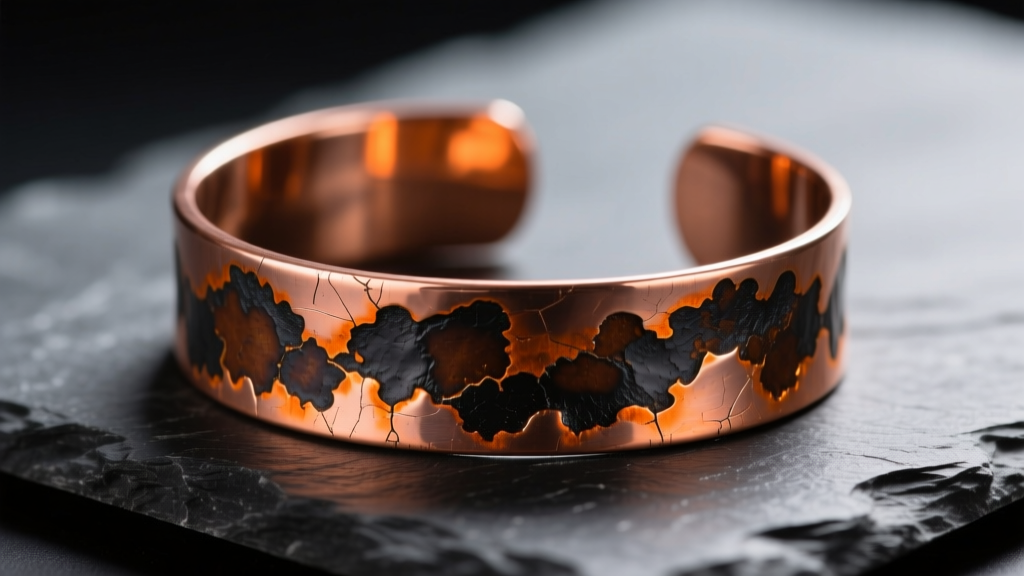
When evaluating the vast landscape of alternative metals in modern adornment, the conversation around copper jewelry benefits is frequently clouded by folklore, marketing hyperbole, and anecdotal evidence. As a materials science enthusiast and jewelry trend analyst, I find it necessary to separate metaphysical claims from verifiable metallurgical and dermatological facts. Copper (Cu, atomic number 29) is a transitional metal with unique electron configurations that dictate how it interacts with human biology, atmospheric oxygen, and environmental pathogens. This expert deep dive bypasses the fluff to examine the exact chemical mechanisms, alloy grades, and physiological interactions that define the true benefits—and limitations—of wearing copper jewelry in 2026.
The Oligodynamic Effect: Antimicrobial Properties of Copper
One of the most scientifically validated copper jewelry benefits is its inherent antimicrobial capability, known in materials science as the oligodynamic effect. Unlike silver, which requires moisture and light to activate its biocidal properties, solid copper alloys continuously release Cu+ and Cu2+ ions. These ions pierce the cell membranes of bacteria and viruses, generating reactive oxygen species (ROS) that destroy the pathogen's DNA and essential proteins.
The United States Environmental Protection Agency (EPA) has officially registered hundreds of copper alloys as antimicrobial materials. According to the EPA's Antimicrobial Copper Alloys registration, uncoated copper alloys continuously kill more than 99.9% of specific bacteria within two hours, even after repeated contamination. While a copper ring will not sanitize your entire body, the localized reduction of microbial load on the skin directly beneath the jewelry is a proven, measurable benefit, particularly for individuals prone to localized bacterial dermatitis.
| Material Grade | Pathogen (E. coli O157:H7) | Kill Time (99.9%) | Moisture Required? |
|---|---|---|---|
| C11000 (Pure Copper) | E. coli O157:H7 | 15 - 30 Minutes | No |
| C26000 (Cartridge Brass) | E. coli O157:H7 | 30 - 60 Minutes | No |
| 316L Stainless Steel | E. coli O157:H7 | Survives >24 Hours | N/A |
| Sterling Silver (925) | E. coli O157:H7 | Variable (Hours) | Yes |
Transdermal Absorption and the Arthritis Myth
No discussion on copper jewelry benefits is complete without addressing the ubiquitous claim that copper bracelets alleviate rheumatoid arthritis and joint pain via transdermal absorption. The hypothesis suggests that micro-doses of copper leach into the sweat, absorb through the epidermis, and reduce systemic inflammation. However, rigorous clinical data paints a different picture.
A landmark randomized, double-blind, placebo-controlled crossover trial published in PLOS One (Richmond et al.) tested the efficacy of copper bracelets and magnetic wrist straps on patients with rheumatoid arthritis. The study concluded that the copper bracelets had no statistically significant clinical effect on pain, swelling, or disease progression compared to the placebo. While copper is an essential trace mineral required for the function of enzymes like cytochrome c oxidase and superoxide dismutase, the human body typically acquires sufficient copper through a standard diet. Therefore, while the aesthetic and antimicrobial benefits of copper are real, relying on it as a transdermal analgesic is a scientifically unsupported endeavor.
The "Green Skin" Reaction: Chemistry, Not Allergy
A common deterrent for new buyers is the infamous "green finger" phenomenon. It is critical to understand that this is not an allergic reaction, nor is it a sign of toxicity; it is a basic acid-base chemical reaction. Human sweat is mildly acidic, with a pH ranging from 4.5 to 7.0, and contains chlorides, lactates, and urea.
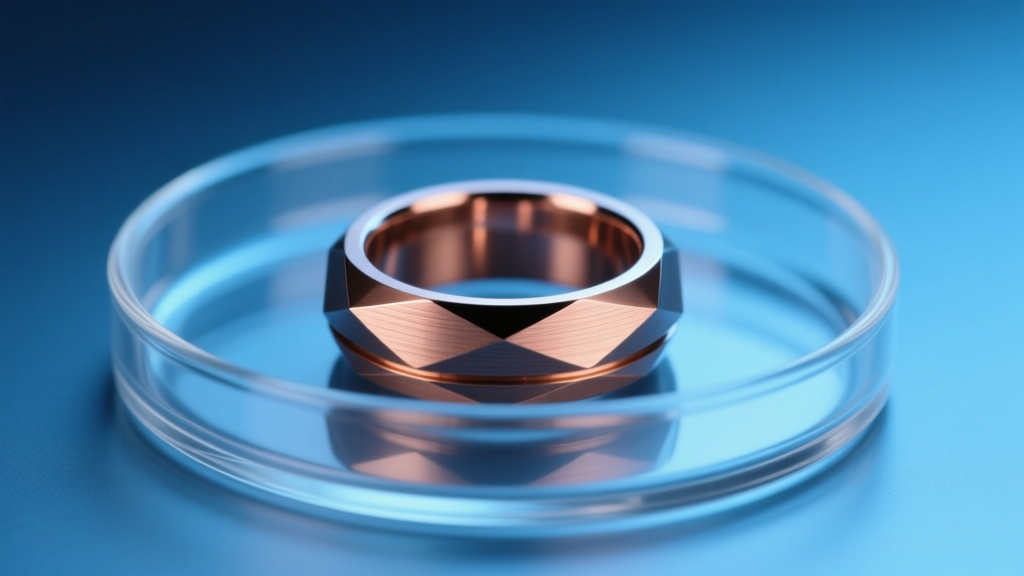
When C11000 (Electrolytic Tough Pitch) copper rests against the skin, the acidic sweat reacts with the metal to form copper chloride and copper carbonate (verdigris). These compounds are highly soluble and easily transfer to the stratum corneum (the outermost layer of skin), resulting in a harmless green stain that washes off with standard soap and water. Interestingly, individuals with highly acidic sweat (lower pH) or those who consume high-protein, high-sodium diets will experience accelerated copper chelation and more pronounced staining. If you wish to retain the skin-contact benefits of copper without the aesthetic drawback of green skin, jewelers often apply a micro-thin layer of Renaissance Wax or a specialized nanoparticle ceramic clear coat to the interior band, preserving the exterior's ability to develop a natural patina.
Technical Guide: Alloying to Preserve Copper Benefits
Pure copper (C11000) is exceptionally soft, rating just 3 on the Mohs hardness scale. This makes it prone to deformation in high-stress applications like tension rings or thin chain links. To engineer jewelry that maintains the oligodynamic benefits while offering structural integrity, metallurgists utilize specific copper alloys. Understanding these grades is essential for making informed purchasing decisions.
C14500: Tellurium Copper
Composed of 99.5% copper and 0.5% tellurium, this free-machining alloy retains nearly all the antimicrobial and conductive properties of pure copper but offers vastly superior machinability and structural stability. It is the premier choice for intricate, CNC-milled copper wedding bands or heavy geometric cuffs that require sharp, enduring edges.
C51000: Phosphor Bronze
Containing roughly 94.8% copper, 5% tin, and 0.2% phosphorus, this alloy sacrifices a small degree of the oligodynamic effect for massive gains in tensile strength and fatigue resistance. Phosphor bronze is the industry standard for copper-based clasps, springs, and ear wires, where metal memory and snap-back are critical to prevent jewelry loss.
Maintenance Framework: Controlling the Patina
The oxidation of copper is not a flaw; it is a dynamic, living finish. However, controlling this patina requires an understanding of sulfur and chloride chemistry. Left to the elements, copper will progress from bright salmon-pink to deep brown, and eventually to a chalky green malachite layer in humid, coastal environments.
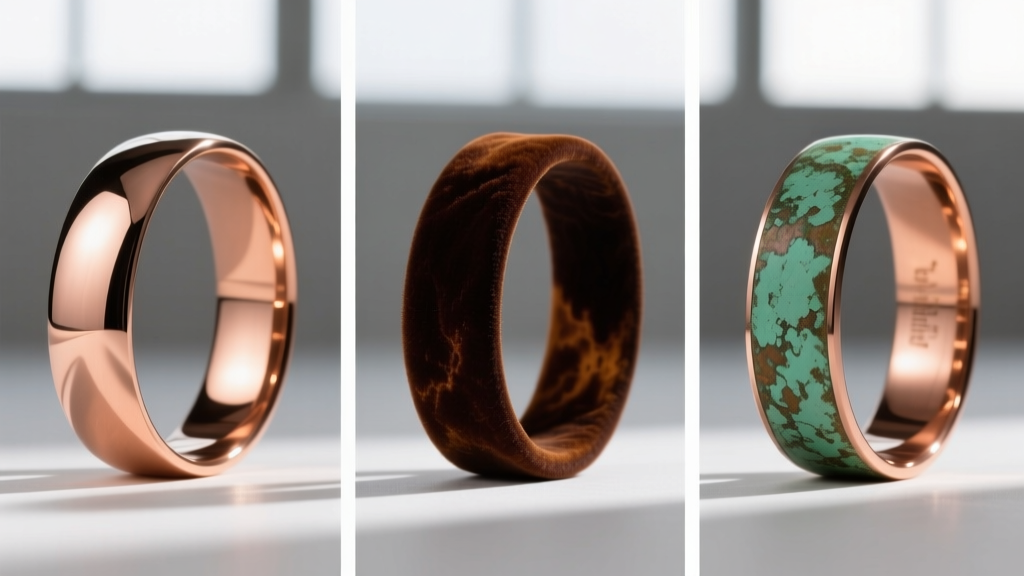
- Forcing a Dark Patina: Jewelers use Liver of Sulfur (potassium polysulfide) to rapidly oxidize copper. A weak solution (a few drops in warm water) dipped for 30 seconds will yield a rich, iridescent bronze-to-black finish that highlights stamped textures and filigree work.
- Restoring Bright Copper: To strip oxidation and return the metal to its raw state, submerge the jewelry in a solution of warm white vinegar and non-iodized salt (1 cup vinegar to 1 tablespoon salt) for exactly 3 to 5 minutes. The acetic acid and sodium chloride combine to dissolve the copper oxide layer instantly. Rinse immediately with distilled water and neutralize with a baking soda paste to halt the acidic etching.
- Sealing the Finish: For museum-grade preservation of a specific patina stage, apply a coat of Paraloid B-72 (an ethyl methacrylate copolymer dissolved in acetone). Unlike cheap polyurethane sprays that yellow and peel, B-72 is UV-stable, reversible, and widely used by archaeological conservators to seal copper artifacts.
Conclusion: A Functional and Aesthetic Powerhouse
The true copper jewelry benefits lie at the intersection of microbiology, materials engineering, and horological aesthetics. While we must discard the pseudoscientific claims regarding transdermal pain relief, the verifiable antimicrobial properties, the unique thermal conductivity, and the unparalleled beauty of a controlled chemical patina make copper an elite choice for informed collectors. By selecting the correct alloy grade (like C14500 for structural pieces) and understanding the acid-base chemistry of your own skin, you can harness the full functional potential of this ancient, reactive metal in your modern wardrobe.