Will Brass Jewelry Tarnish? A Buyer's Guide to Alloys & Finishes
Wondering if brass jewelry tarnishes? Discover which alloys resist oxidation, how to spot quality finishes, and what to look for when buying.

The Short Answer: Yes, But It Depends on the Alloy
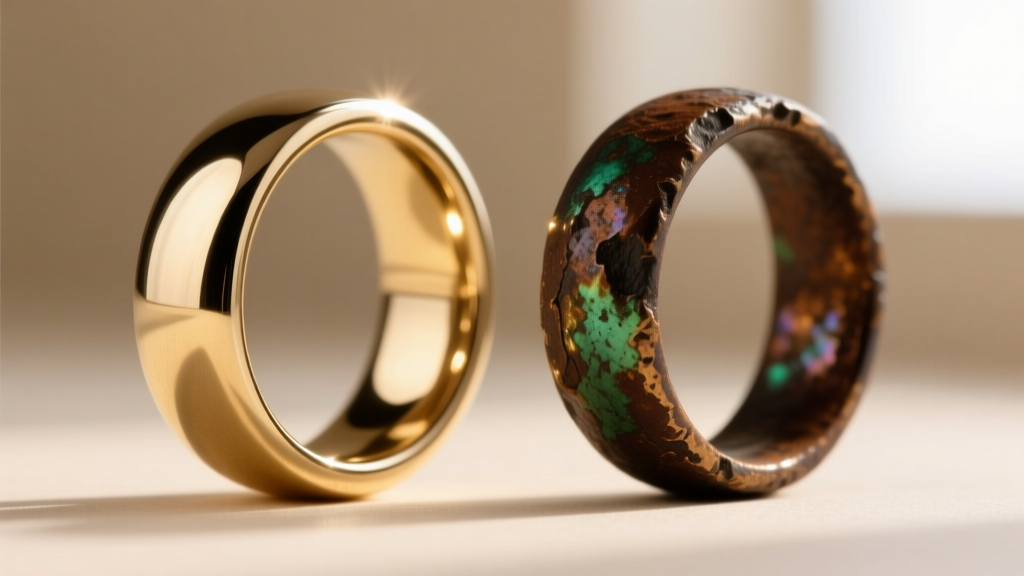
If you are asking, "will brass jewelry tarnish?", the short answer is an unavoidable yes. Brass is an alloy primarily composed of copper and zinc, and copper is highly reactive to oxygen, moisture, and the natural acids in human skin. However, treating all brass jewelry as a single entity is a major buyer's mistake. The rate at which your jewelry tarnishes, the color of the oxidation, and whether it leaves a green residue on your skin depend entirely on the specific metallurgical ratio of the alloy and the protective finishes applied by the manufacturer.
As a buyer in 2026, you have access to a wider variety of brass alloys and advanced sealing technologies than ever before. Understanding these nuances is the difference between purchasing a statement piece that develops a beautiful, intentional patina and buying a cheap accessory that turns patchy, brittle, and green within a month. This guide will break down exactly what to look for on the label, how to inspect finishes, and how to choose the right brass for your lifestyle.
Decoding Brass Alloys: What to Look For on the Label
Not all brass is created equal. The copper-to-zinc ratio dictates the metal's color, malleability, and tarnish profile. High-quality jewelers and metallurgical suppliers, such as Fire Mountain Gems, categorize brass by specific alloy codes. When shopping for premium brass jewelry, look for these specific designations in the product details:
| Alloy Type | Composition | Tarnish Profile | Best Use Case |
|---|---|---|---|
| Yellow Brass (C26000) | 70% Cu / 30% Zn | Fast, dark brown/black | Bold statement pieces, vintage replicas |
| Red Brass (C23000) | 85% Cu / 15% Zn | Slower, warm verdigris | Heirloom cuffs, signet rings |
| White Brass | Cu/Zn/Ni blend | Minimal, dull gray | Silver alternative, minimalist chains |
| Jeweler's Brass | 80% Cu / 20% Zn | Moderate, golden-brown | Everyday wear, wire-wrapped pendants |
The Hidden Danger: Lead and Cadmium in Cheap Brass
When buying raw or uncoated brass, particularly from overseas mass-market platforms, you must verify that the alloy is lead-free. Historically, lead was added to brass (creating "free-machining brass") to make it easier to cut and shape. While safe for plumbing fixtures, leaded brass is hazardous for jewelry. Always look for explicit "Lead-Free" or "California Prop 65 Compliant" certifications. Red brass and jeweler's brass are generally the safest bets for high-quality, skin-safe accessories.
Protective Finishes: E-Coating vs. Lacquer vs. Plating
If you want to buy brass jewelry that will not tarnish or turn your skin green, you must buy sealed brass. However, the type of sealant dictates the lifespan of the piece. Here is how the three main protective finishes compare in real-world wear scenarios:
1. Traditional Lacquer (Polyurethane/Acrylic)
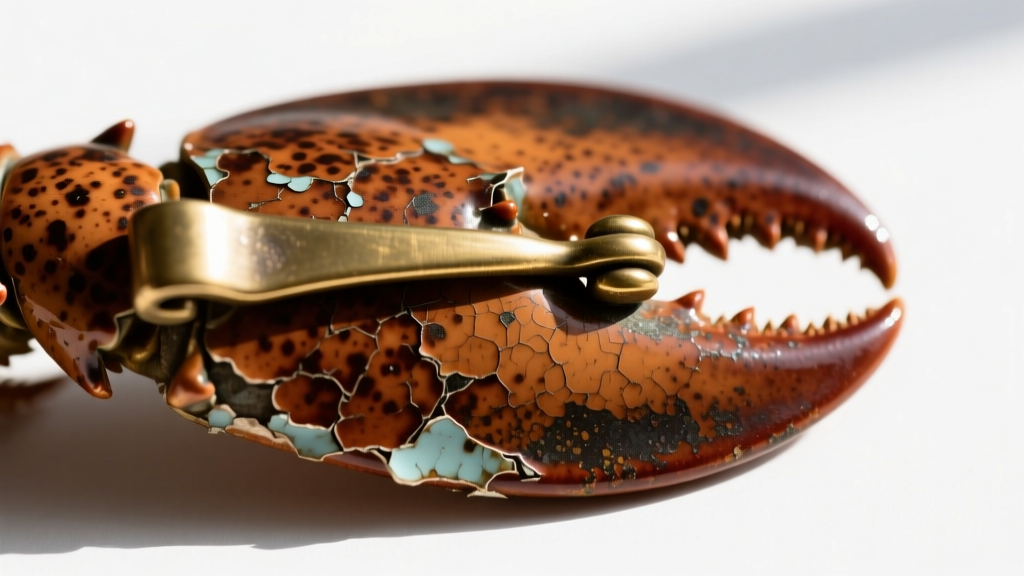
Lacquer is a liquid polymer painted or dipped onto the brass. It is the cheapest method and highly common in fast fashion. The Failure Mode: Lacquer is rigid. As the brass expands and contracts with your body heat, or as the piece suffers micro-scratches, the lacquer chips. Once moisture gets trapped under the lacquer, the brass tarnishes aggressively, creating ugly, patchy brown spots that you cannot polish off without stripping the entire coating with acetone.
2. E-Coating (Electrophoretic Deposition)
E-coating uses an electrical current to bond a microscopic layer of clear resin to the brass. This is the gold standard for modern, tarnish-resistant brass jewelry. The Advantage: It is flexible, entirely uniform, and reaches into deep crevices of textured castings. A high-quality e-coat will prevent tarnishing and skin reactions for 2 to 4 years of regular wear before wearing thin at high-friction points (like the inside of a ring band).
3. Gold or Rhodium Plating over Brass
Brass is an excellent, affordable base metal for plating. However, if the micron thickness of the gold plating is too low (under 1.0 microns), the plating will wear through. When the underlying brass is exposed to sweat, it oxidizes rapidly, and the resulting copper salts can actually cause the remaining gold plating to blister and flake off.
Pro Buyer Tip: If a product description simply says "clear coated," assume it is traditional lacquer. If the brand invests in e-coating, they will almost always explicitly market it as "e-coated," "electrocoated," or "nano-sealed" because it costs significantly more to apply.
The Green Skin Factor: Zinc vs. Copper Ratios
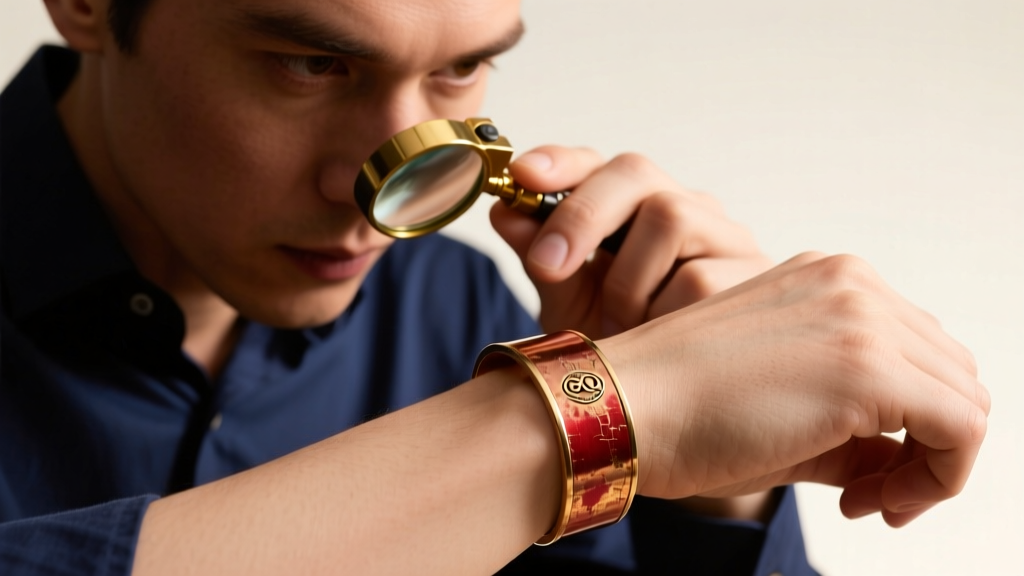
The infamous "green finger" effect is not an allergy; it is a chemical reaction. When the copper in brass mixes with the chlorides, carbonates, and salts in your sweat, it creates copper carbonate (verdigris), which rubs off onto the skin. According to jewelry care experts at The Spruce Crafts, the acidity of your skin and the environment play massive roles in this reaction.
From a buying perspective, the zinc content is your buffer. Zinc does not produce green salts. Therefore, a Yellow Brass ring (30% zinc) is slightly less likely to turn your finger green than a Red Brass ring (15% zinc), assuming both are uncoated. However, higher zinc content makes the brass more brittle, meaning a high-zinc ring is more prone to cracking if dropped on tile or bent to adjust the fit. For rings and bracelets that endure high impact, opt for lower-zinc alloys (Red Brass) but insist on an e-coated finish.
Buyer’s Checklist: Inspecting Brass Jewelry In-Store and Online
Before you add a piece of brass jewelry to your cart or take it to the register, run through this rapid inspection checklist to ensure you are getting a quality product that matches your maintenance preferences:
- Verify the Alloy: Does the seller disclose the type of brass? Avoid generic "brass" listings if you have sensitive skin; look for Jeweler's or Red Brass.
- Identify the Sealant: If you want zero maintenance, confirm the piece is e-coated or heavily plated (minimum 2.0 microns). If you want to develop a patina, ensure it is raw, uncoated brass.
- Check the Hardware: Look closely at jump rings and clasps. If the main pendant is raw brass but the chain is cheap lacquered brass, the chain will degrade and snap long before the pendant looks bad.
- Look for Solid vs. Plated Base: Ensure you aren't buying zinc alloy (pot metal) that has been plated to look like brass. Brass should have a distinct weight and a warm, resonant "clink" when tapped against glass.
- Confirm Prop 65 Compliance: Especially for vintage-style or imported brass, ensure the brand guarantees the metal is free of lead and cadmium.
Conclusion: Embracing the Patina or Preventing It?
Ultimately, answering the question "will brass jewelry tarnish" requires you to decide what kind of jewelry owner you want to be. If you love the idea of a living metal that darkens in the recesses of a casting and polishes bright on the high edges, buy raw, uncoated C23000 Red Brass. It will tarnish, but it will do so beautifully, and you can easily reset it with a simple paste of lemon juice and baking soda. If, however, you want the warm, golden aesthetic of brass without the maintenance or the green skin, seek out modern jewelers who utilize e-coating technology. By understanding the metallurgy and the finishes, you can buy brass jewelry with absolute confidence.


