Caring for Bronze Age Jewelry: Cleaning & Patina Guide
Learn expert care, cleaning, and patina maintenance tips for Bronze Age jewelry replicas. Prevent verdigris and preserve ancient-style bronze.

The Resurgence of Ancient Metallurgy in Modern Wear
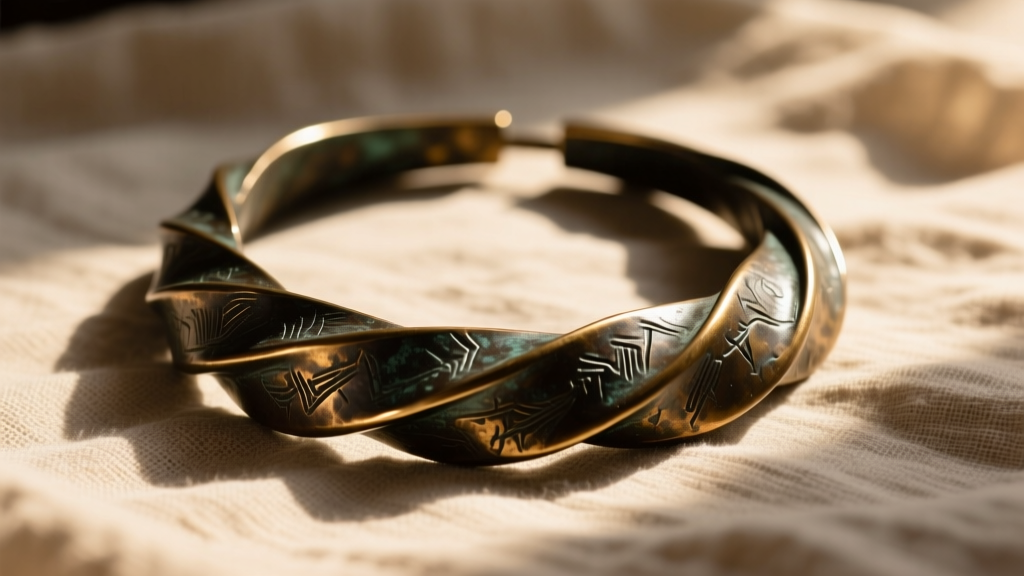
When contemporary artisans and historians craft bronze age jewelry, they are not merely producing accessories; they are resurrecting a 5,000-year-old metallurgical tradition. Modern replicas and historically inspired pieces—ranging from heavy cast torcs to intricate spiral fibulae—rely on traditional lost-wax casting and high-copper alloys to achieve that authentic, unpolished, and deeply textured aesthetic. However, wearing raw, high-copper bronze in the modern world presents unique maintenance challenges. Unlike sterling silver or platinum, bronze is a reactive, porous alloy that interacts dynamically with its environment, your skin chemistry, and the atmosphere.
Proper care for bronze age jewelry requires a fundamental understanding of copper-tin metallurgy. If you treat a cast bronze artifact replica like a modern stamped silver ring, you risk stripping its intentional historical patina, accelerating destructive corrosion, or trapping moisture in microscopic casting pores. This comprehensive guide provides actionable, expert-level frameworks for cleaning, stabilizing, and preserving your ancient-style bronze pieces.
The Metallurgy of Ancient-Style Bronze and Skin Chemistry
Authentic bronze age jewelry replicas are typically cast using an alloy of 88% to 90% copper and 10% to 12% tin. This specific ratio mimics historical artifacts while avoiding the toxic lead or arsenic impurities found in actual archaeological finds. Because copper is highly reactive, it readily oxidizes when exposed to oxygen, sulfur, and moisture.
The 'Green Skin' Phenomenon: Copper Chelation
The most common complaint among wearers of raw bronze is the green or black discoloration left on the skin. This is not an allergic reaction or a sign of cheap metal; it is a basic chemical reaction. When the copper in your bronze age jewelry comes into contact with the lactic acid, salts, and oils in your sweat, it forms copper chelates (specifically copper lactate and copper chloride). These compounds are green and easily transfer to the epidermis.
- High-Acidity Skin: Individuals with a lower skin pH (more acidic) will experience faster copper chelation, resulting in rapid green staining.
- Dietary Factors: Diets high in sodium or acidic foods can alter sweat composition, accelerating the oxidation process on the inner bands of rings or the clasps of torcs.
- Environmental Humidity: High moisture levels in the air create a micro-layer of condensation on the metal, facilitating the ion exchange required for tarnish.
To mitigate this without altering the outer aesthetic of the piece, apply a microcrystalline wax barrier (detailed in the sealing section below) strictly to the interior surfaces that contact the skin.
The Porosity Problem in Lost-Wax Casting
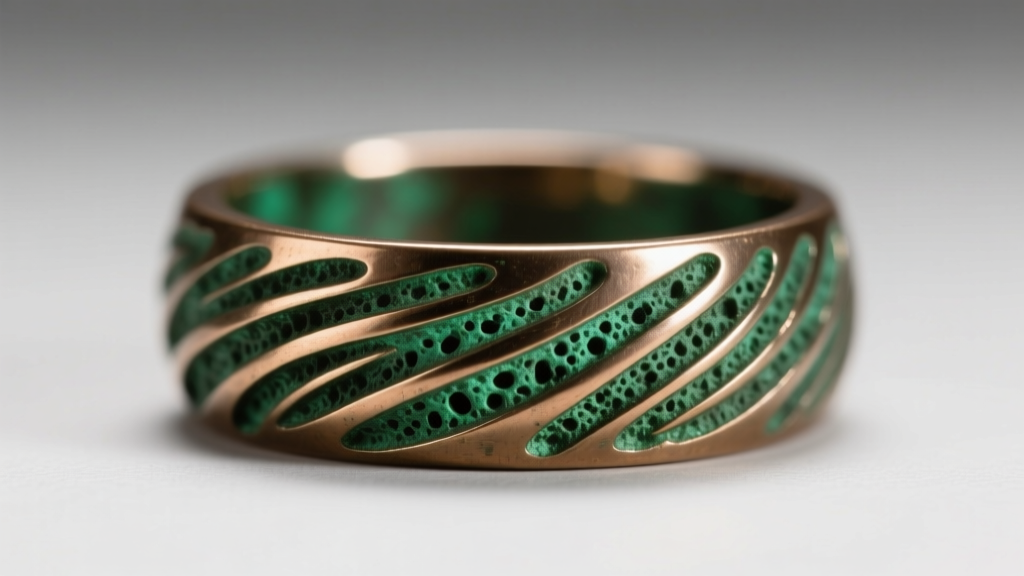
Most high-quality bronze age jewelry is created using the lost-wax casting method. While this technique captures incredible detail—such as the rough, hammered textures and deep cuneiform or geometric engravings typical of ancient designs—it also introduces microscopic porosity. As the molten bronze cools, tiny gas bubbles can become trapped beneath the surface, and the natural shrinkage of the metal creates micro-fissures.
These pores act as sponges for skin oils, lotions, and environmental pollutants. If left uncleaned, the trapped organic matter breaks down and creates an acidic micro-environment within the crevices, leading to localized, aggressive tarnishing that is difficult to reach with standard polishing cloths. Furthermore, you must never use ultrasonic cleaners on porous cast bronze. The high-frequency vibrations can force moisture deep into the micro-fissures, where it becomes trapped and initiates 'bronze disease'—a destructive, self-propagating cycle of cuprous chloride corrosion that actively eats the metal from the inside out.
Cleaning Framework: Agents, Dwell Times, and Risks
When cleaning bronze age jewelry, the goal is rarely to restore it to a bright, mirror-like shine. The objective is to remove destructive, powdery green verdigris and trapped grime while preserving the dark, stable oxidation (the 'artifact patina') in the recessed areas. Below is a comparative framework of cleaning agents suited for ancient-style bronze.
| Cleaning Agent | pH Level | Dwell Time | Best Application | Risk to Patina |
|---|---|---|---|---|
| Distilled Water & Mild Soap | 7.0 (Neutral) | 2-5 Minutes | Routine dust and oil removal | None (Safe for daily use) |
| Baking Soda Paste | 9.0 (Mild Alkaline) | 3-5 Minutes | Neutralizing acids, light surface grime | Low (May slightly dull high spots) |
| Citric Acid Solution (5%) | 2.2 (Acidic) | 30-90 Seconds | Stripping heavy, uniform oxidation | High (Will strip dark crevice patina) |
| Ketchup (Acetic/Citric) | 3.5 (Acidic) | 5-10 Minutes | Targeted spot-cleaning on flat bands | Medium (Requires careful rinsing) |
| Fiberglass Scratch Pen | N/A (Mechanical) | N/A | Removing localized pitting or bronze disease | High (Leaves directional micro-scratches) |
Step-by-Step: The Citric Acid Brightening Bath
If your bronze age jewelry has accumulated a heavy, uniform layer of dull brown oxidation that obscures the historical detailing, a mild acid bath is the most effective remediation. According to conservation guidelines published by the Getty Conservation Institute, weak organic acids are preferred over harsh commercial dips for copper alloys because they are easier to neutralize and less likely to cause stress corrosion cracking.
- Prepare the Solution: Dissolve 1 tablespoon of pure citric acid powder in 1 cup of warm (not hot) distilled water. Do not use tap water, as the chlorine and fluorides can trigger bronze disease.
- Submerge Briefly: Place the jewelry in the solution. Agitate gently. You will see the dark oxidation lift within 30 to 60 seconds. Do not exceed 2 minutes, or the tin in the alloy may begin to de-alloy, leaving a porous, spongy copper surface.
- Neutralize Immediately: Remove the piece and plunge it into a secondary bath of warm water mixed with 2 tablespoons of baking soda. This alkaline shock halts the acid etching instantly.
- Final Rinse and Dry: Rinse under distilled water, then submerge in pure isopropyl alcohol (99%) for 30 seconds to displace all moisture. Blow dry with compressed air to ensure no water remains in the casting pores.
Preserving the 'Ancient' Aesthetic: Mechanical Detailing
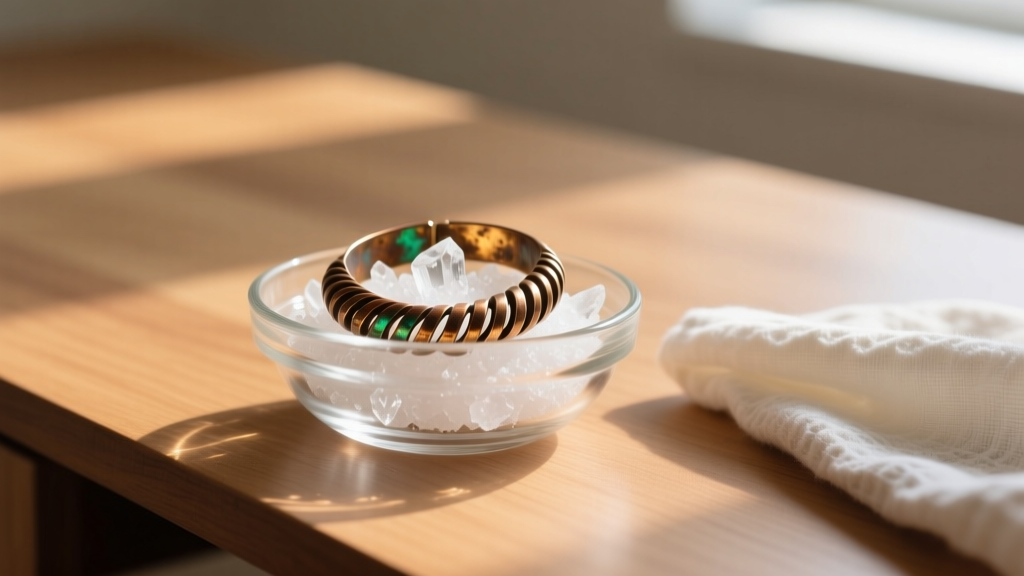
After an acid bath, your bronze age jewelry will appear bright, raw, and distinctly modern—often described as 'penny-colored.' To restore the ancient, excavated aesthetic, you must selectively re-oxidize and mechanically detail the piece.
Use a soft, natural-bristle brush (like a horsehair detailing brush) dipped in a tiny amount of liver of sulfur gel to darken the deep crevices. Once the recesses are black, use a fine-grit (600-800) jeweler's sanding sponge or a brass bristle brush to lightly burnish only the high points of the jewelry. This creates a striking two-tone contrast: dark, aged recesses and warm, softly glowing high points that mimic centuries of wear.
Expert Conservation Tip: Never use steel wool or stainless steel brushes on bronze. The microscopic steel particles will embed themselves in the softer bronze surface and rapidly rust, creating permanent orange pitting that cannot be polished out. Always use brass, copper, or fiberglass tools for mechanical agitation.
Sealing and Long-Term Stabilization
The final, and most critical, step in caring for bronze age jewelry is sealing the metal to prevent future environmental degradation. The Victoria and Albert Museum recommends microcrystalline waxes for the long-term stabilization of copper alloy artifacts because they do not yellow, crack, or cross-link over time like polyurethane sprays or clear nail polishes.
Applying Renaissance Wax
Renaissance Wax, originally developed by the British Museum for artifact preservation, is the gold standard for sealing historical jewelry replicas.
- Application: Using a lint-free cotton cloth, apply a microscopically thin layer of the wax to the entire piece, working it deeply into the textured crevices.
- Curing: Allow the wax to dry and haze over for 10 to 15 minutes. It will not feel sticky or greasy.
- Buffing: Gently buff the high points with a clean, soft microfiber cloth. This leaves the wax in the pores and recesses (protecting against moisture and skin acids) while allowing the warm bronze to show through on the raised areas.
- Maintenance: Reapply the wax every 3 to 6 months, depending on how frequently the piece is worn and exposed to friction.
By understanding the reactive nature of high-copper alloys and employing these targeted, conservation-grade cleaning and sealing techniques, you can ensure your bronze age jewelry remains a stunning, wearable piece of living history for decades to come, free from destructive verdigris and structural degradation.