The Rise of Bronze as Jewelry: 2026 Trend Analysis
Discover why bronze as jewelry is dominating 2026 fashion trends. Explore styling tips, patina care, and the best bronze alloys for everyday wear.

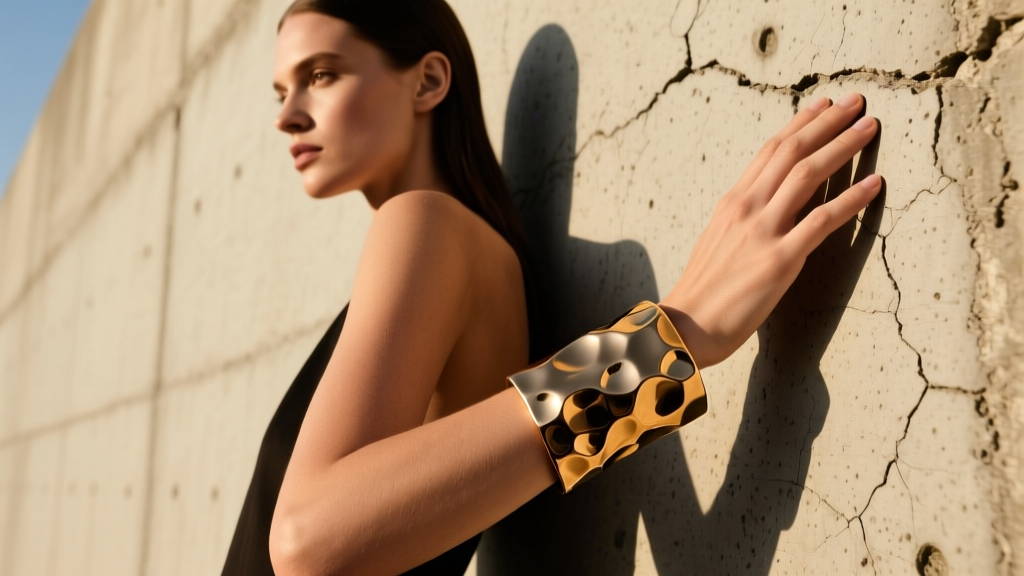
The Shift Toward Neo-Antiquity in 2026
For the past decade, the fine jewelry market has been heavily anchored by hyper-polished white metals and rhodium-plated sterling silver. However, as we navigate the 2026 fashion landscape, a definitive shift is occurring. The industry is embracing "Neo-Antiquity"—a design movement that favors tactile, living metals with historical resonance. At the forefront of this movement is the use of bronze as jewelry. No longer relegated to museum replicas or niche artisan markets, bronze has emerged as a premier material for contemporary, high-end statement pieces. This trend analysis explores the metallurgical realities, style applications, and market drivers making bronze the most compelling alternative metal of the year.
The Metallurgy of Modern Bronze: What You Are Actually Wearing
To understand the appeal of bronze as jewelry, one must first look past the generic term. According to the Copper Development Association, bronze is fundamentally an alloy of copper and tin, but modern jewelers utilize specific variations to achieve distinct colors, durability, and casting properties. Unlike brass (copper and zinc), bronze offers a warmer, deeper golden-pink hue and superior corrosion resistance.
| Alloy Type | Composition | Visual Profile | Best Jewelry Application |
|---|---|---|---|
| Silicon Bronze (Everdur) | 95% Cu, 4% Si, 1% Mn | Warm, rich gold | Heavy cuffs, structural rings |
| Phosphor Bronze | 95% Cu, 4% Sn, 0.25% P | Pinkish-gold, fine grain | Springs, clasps, detailed wirework |
| Statuary Bronze | 90% Cu, 10% Sn | Deep brown-gold | Lost-wax cast pendants, signets |
Silicon bronze, in particular, has become the darling of 2026 studio jewelers. The addition of silicon drastically improves the alloy's fluidity during casting and its resistance to atmospheric oxidation, allowing artisans to create complex, brutalist textures that hold their shape over decades of wear.
Why Bronze as Jewelry is Peaking in 2026
The resurgence of bronze is not accidental; it is deeply tied to broader macro-trends in consumer psychology and sustainable fashion. Global trend forecasters like WGSN have highlighted a growing consumer fatigue with "disposable luxury" and hyper-refined, mass-produced aesthetics. In 2026, buyers are seeking "raw luxury"—materials that feel grounded, organic, and inherently unique.
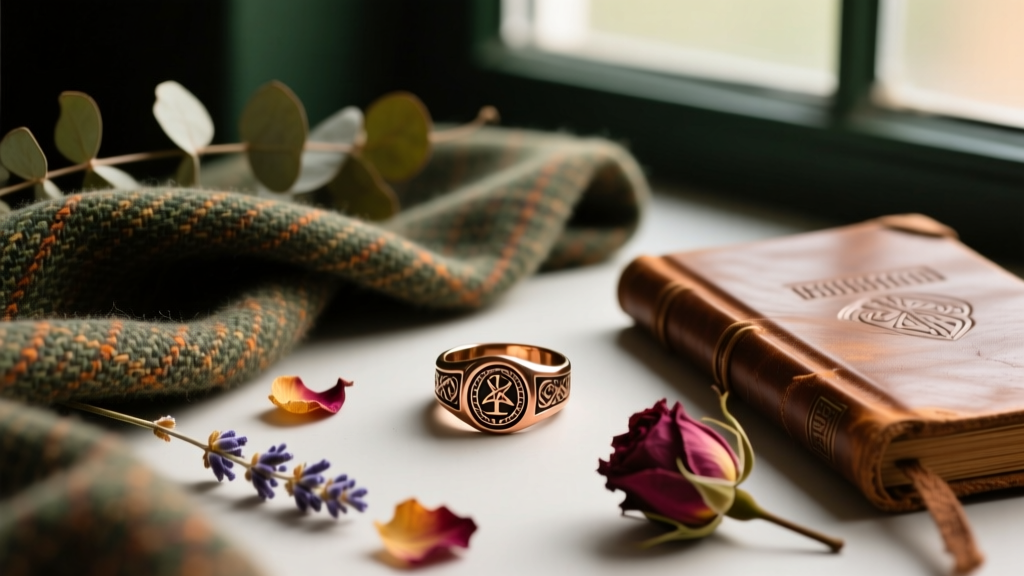
Key Trend Drivers:
- The Rejection of Perfection: Bronze develops a patina. This living quality aligns perfectly with the 2026 "Wabi-Sabi" aesthetic, where the passage of time and marks of wear are celebrated rather than hidden.
- Sustainable Sourcing: Bronze is highly recyclable. Many contemporary artisan brands are now utilizing 100% post-consumer recycled copper and tin, appealing to the eco-conscious luxury buyer.
- Gender-Fluid Design: The muted, earthy tones of bronze bridge the gap between traditional masculine and feminine jewelry codes, making it the preferred metal for the booming gender-neutral accessories market.
Styling Bronze: The Neo-Antiquity Playbook
Styling bronze requires an understanding of its visual weight. Because bronze lacks the blinding reflectivity of polished silver or white gold, it absorbs light, giving it a brooding, sculptural presence. It pairs exceptionally well with organic textiles like raw silk, heavy linen, and distressed leather.
Gauge and Proportion Guidelines
Bronze is a dense metal (approximately 8.8 g/cm³), meaning large pieces can become uncomfortably heavy if not engineered correctly. When designing or purchasing bronze jewelry in 2026, pay strict attention to gauge sizing and structural proportions:
- Drop Earrings: To support the weight of a solid bronze pendant drop without the wire bending over time, the ear wire or structural loop should be a minimum of 16-gauge (1.29mm) or 14-gauge (1.63mm) hardened wire.
- Ring Shanks: Because bronze is slightly softer than steel or titanium, a ring shank should never be thinner than 1.8mm in thickness and 2.5mm in width. Anything thinner risks warping under the pressure of daily hand use.
- Cuff Bracelets: For a structurally sound cuff that can be gently adjusted to the wrist without snapping, the metal sheet should be at least 14-gauge (1.6mm) thick, ideally with a reinforced inner rib.
"The beauty of bronze lies in its density and warmth. When I design a 40-gram statement ring, I ensure the interior is domed and comfort-fit, distributing the 8.8 g/cm³ mass evenly across the phalanx so it feels like an extension of the body, not a burden."
— Elena Rostova, Lead Metallurgist at Archetype Metals Studio
The Patina Factor: Embracing vs. Preventing Oxidation
The most common hesitation consumers have regarding bronze as jewelry is the potential for skin discoloration and unpredictable tarnishing. When copper-rich alloys interact with the chlorides, lactic acid, and amino acids in human sweat, they can form copper chelates, which manifest as a harmless green or black smudge on the skin.
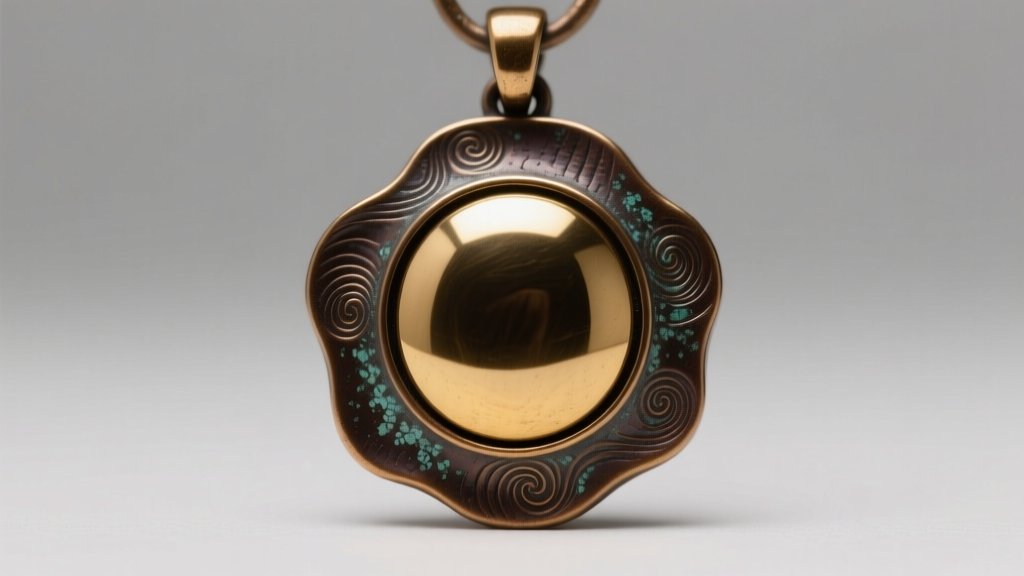
Managing the Bronze Reaction
In 2026, jewelers and collectors approach this chemical reality in three distinct ways:
- The Purist Approach (Embrace): Allowing the bronze to react naturally with the skin and environment. The oils from the skin will eventually create a stable, dark brown "skin" on the metal, halting further aggressive oxidation. This is highly desired for signet rings and sculptural cuffs.
- The Barrier Method (Prevent): For rings worn on the inner band where sweat accumulation is highest, applying a microcrystalline wax (such as Renaissance Wax) creates an invisible, inert barrier. Reapplying this wax every 4 to 6 weeks completely eliminates the green skin effect without altering the metal's natural luster.
- The Clear-Coat Compromise: Some mass-market brands use electro-coated clear polymers. While this prevents tarnish, it is heavily discouraged by high-end artisans in 2026, as the coating eventually chips, wears unevenly, and traps moisture against the metal, leading to localized pitting.
For routine maintenance of high-polish bronze accents, a simple paste of baking soda and lemon juice applied with a microfiber cloth will strip away copper sulfides and restore the original pink-gold shine in under three minutes.
Market Pricing & Sourcing Authentic Artisans
As the demand for bronze as jewelry surges, the market has stratified into clear pricing tiers. Understanding these brackets ensures you are paying for metallurgical integrity and artisan craftsmanship rather than inflated brand names.
- Mass-Market / Fashion Tier ($30 - $80): Typically hollow-cast or electroformed bronze over a base metal core. Often coated in heavy lacquers. Prone to chipping and structural failure within 12 months.
- Studio Artisan Tier ($120 - $350): Solid cast silicon or phosphor bronze. Hand-finished with liver of sulfur for antiquing. Rings, heavy chain links, and small pendants reside here. This is the sweet spot for quality and longevity.
- Haute Artisan / Sculptural Tier ($400 - $1,200+): Large-scale, one-of-a-kind statement pieces. Often combining bronze with oxidized silver, ethically sourced turquoise, or raw diamonds. These pieces are treated as wearable fine art and hold significant secondary market value.
Final Thoughts on the Bronze Renaissance
The elevation of bronze as jewelry in 2026 represents a maturation of the alternative metals market. Consumers are no longer looking for metals that merely mimic the appearance of yellow gold; they are seeking materials with their own distinct voice, history, and physical presence. Whether you are drawn to the brutalist geometry of a silicon bronze cuff or the quiet, dark academia elegance of a phosphor bronze signet, bronze offers a deeply personal, evolving relationship with the wearer. It is not just a trend; it is a return to the foundational roots of human adornment, reimagined for the modern era.


