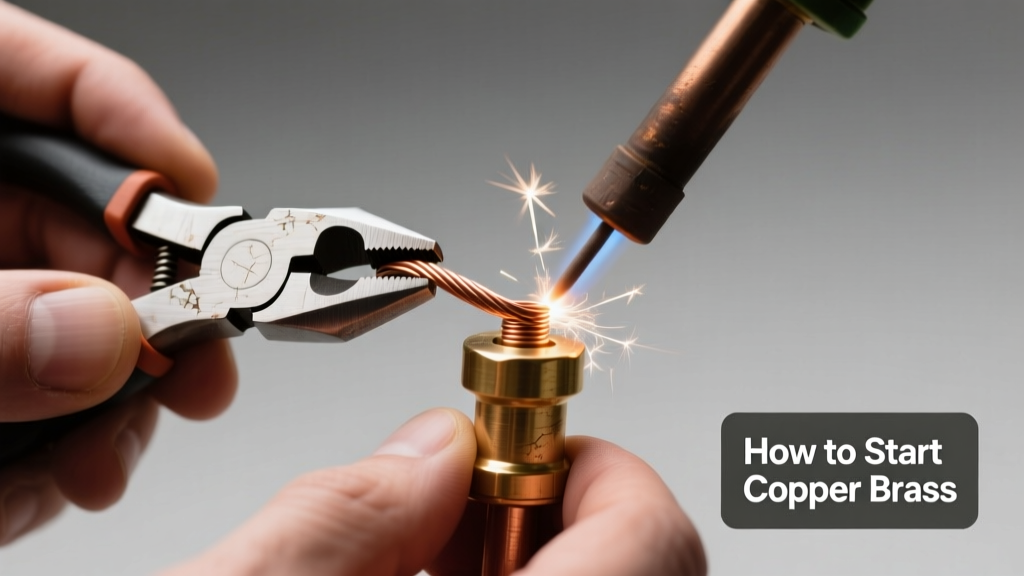
The Real Benefits of Wearing Copper Jewelry: Material Science
Discover the real benefits of wearing copper jewelry. We compare pure copper, brass, and bronze properties, patina science, and skin reactions.

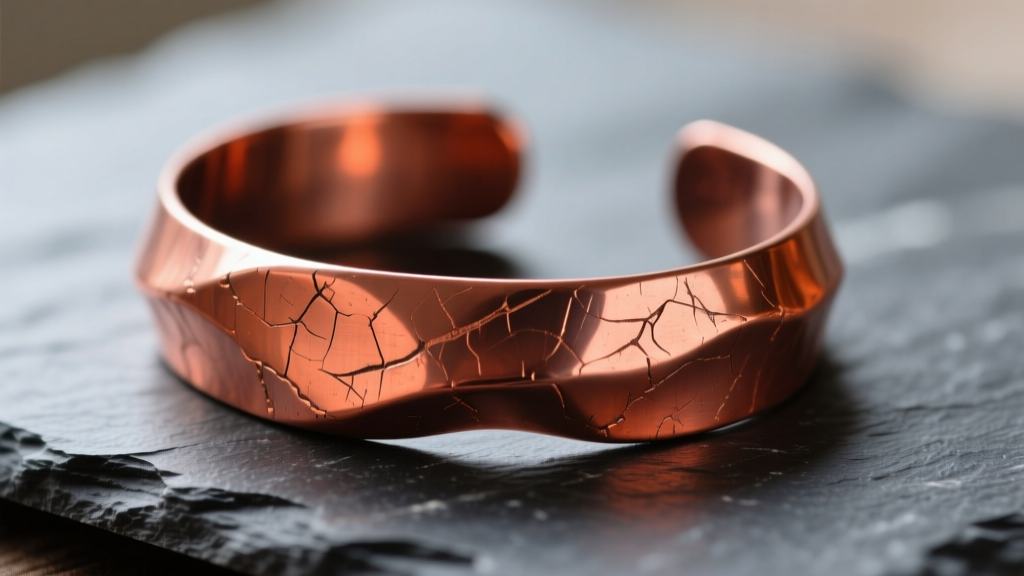
Beyond the Myths: The Metallurgical Reality of Copper
When discussing the benefits of wearing copper jewelry, the conversation is frequently derailed by metaphysical claims and unproven health anecdotes. As jewelry makers and material scientists, we must separate folklore from metallurgy. While the medical community remains highly skeptical of copper's ability to cure ailments, the material itself offers profound, tangible advantages for jewelry fabrication, wearability, and aesthetic evolution.
For decades, alternative medicine has championed copper bracelets as a remedy for joint pain. However, comprehensive clinical trials, including those reviewed by the Arthritis Foundation, have consistently shown that copper bracelets perform no better than placebos for pain relief. The true benefits of wearing copper jewelry lie not in mystic healing, but in its unique oligodynamic properties, unparalleled malleability, and the dynamic way it interacts with the environment and the wearer's skin.
The Oligodynamic Effect: Copper's Antimicrobial Superpower
One of the most scientifically validated benefits of copper is its oligodynamic effect—the ability of heavy metal ions to exert a toxic, antimicrobial effect on living cells, algae, molds, spores, fungi, viruses, and prokaryotic microorganisms. The Environmental Protection Agency (EPA) has officially registered copper alloys as antimicrobial materials.
When you wear a pure copper ring or cuff, the surface continuously disrupts the cell membranes of bacteria and viruses, neutralizing them. While this doesn't mean a copper ring will cure a systemic illness, it does mean that high-contact copper jewelry remains remarkably hygienic compared to porous materials or certain plastics. This self-sanitizing property is a massive functional benefit for body jewelry and everyday wearables that are exposed to the elements.
Material Comparison: Pure Copper vs. Copper Alloys
To truly understand the benefits of wearing copper jewelry, we must compare pure copper to its most common alloys: brass and bronze. Pure copper (Alloy C11000) is rarely used in structural jewelry due to its softness, but it excels in adjustable designs. By alloying copper with zinc or tin, jewelers manipulate the metal's hardness, color, and oxidation rate.
| Material (Alloy Grade) | Composition | Hardness (Vickers) | Oxidation Rate | Best Jewelry Application |
|---|---|---|---|---|
| Pure Copper (C11000) | 99.9% Cu | 40-50 HV (Annealed) | High (Rapid patina) | Adjustable cuffs, ear cuffs, wire wrapping |
| Cartridge Brass (C26000) | 70% Cu, 30% Zn | 75-150 HV | Moderate (Tarnishes yellow/brown) | Stamped pendants, chainmaille, cast rings |
| Phosphor Bronze (C51000) | 95% Cu, 5% Sn, P | 90-180 HV | Low (Slow, dark patina) | Springs, clasps, heavy-duty structural rings |
| Nickel Silver (C75200) | 65% Cu, 18% Ni, 17% Zn | 100-200 HV | Very Low (Maintains silver color) | Findings, ear wires (for non-sensitive skin) |
As the Copper Development Association notes, the addition of tin to create bronze dramatically increases the yield strength and hardness of the metal, making it suitable for rings that must resist deformation. Conversely, the high zinc content in brass lowers the melting point, making it an ideal candidate for intricate lost-wax casting.
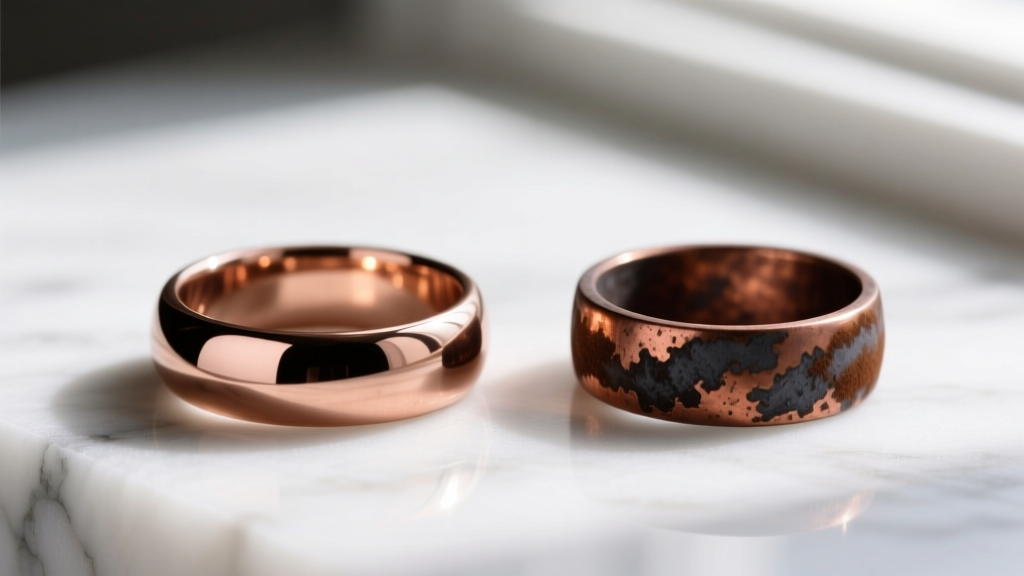
The Patina Advantage: Oxidation as a Design Element
Unlike gold or platinum, which are prized for their inertness, copper is celebrated for its chemical reactivity. The development of a patina is not a flaw; it is a core benefit of wearing copper jewelry. When exposed to oxygen and moisture, copper initially forms cuprite (Cu2O), yielding a dull red or pinkish hue. With further oxidation, it forms tenorite (CuO), turning dark brown or black.
Controlling the Patina with Liver of Sulfur
Jewelers actively harness this reactivity using liver of sulfur (potassium sulfide) to force the rapid creation of copper sulfide layers. This allows for high-contrast finishing techniques:
- Antiquing: Dipping the piece in a liver of sulfur solution turns the entire piece black. The jeweler then polishes the high points, leaving the dark patina in the recessed textures and stamped lettering.
- Verdigris Creation: Exposing copper to acetic acid (vinegar) and salt creates copper acetate and copper chloride, resulting in the iconic blue-green verdigris often used in steampunk or organic-style jewelry.
- Sealing: To lock in a specific patina stage, jewelers apply micro-crystalline waxes (like Renaissance Wax) or specialized lacquers, preventing further environmental interaction.
Skin Reactions and the 'Green Finger' Phenomenon
The most common deterrent for new copper enthusiasts is the green discoloration left on the skin. This is not an allergic reaction or a sign of toxicity; it is a simple chemical chelation process. Human sweat contains lactic acid, urea, and amino acids. When these compounds mix with the copper oxide layer on the jewelry, they form soluble copper complexes (like copper chloride or copper carbonate).
These microscopic salts are absorbed into the stratum corneum (the outermost layer of skin), creating a temporary green stain. Because this requires an acidic environment, individuals with higher skin pH levels (more alkaline) rarely experience the green effect, while those with more acidic sweat will see it daily.
Pro-Tip for Wearers: Avoid the common internet myth of painting the inside of your copper ring with clear nail polish. Nail polish chips quickly, traps moisture against the skin, and degrades into a gummy residue that is incredibly difficult to remove from the metal. Instead, embrace the patina, or have a jeweler apply a permanent rhodium or palladium plating to the inner shank of the ring.
Malleability and Custom Sizing Benefits
From a fabrication standpoint, the primary benefit of copper is its extraordinary malleability and ductility. Pure copper can be annealed (heated to a dull red, approximately 700°F to 1200°F, and quenched) to completely relieve internal stresses and restore its softest state. This allows jewelers to perform extreme cold-working processes, such as intricate wire weaving or raising a flat disc into a three-dimensional hollow form, without the metal cracking.
Furthermore, copper exhibits excellent work-hardening characteristics. As the jeweler hammers or bends the annealed copper, the crystal lattice structure deforms, making the metal progressively harder and more rigid. This allows a jeweler to create an adjustable copper cuff that is soft enough to be bent to fit the wearer's wrist, but work-hardened enough to retain its shape during daily wear.
Care and Maintenance: Restoring the Luster
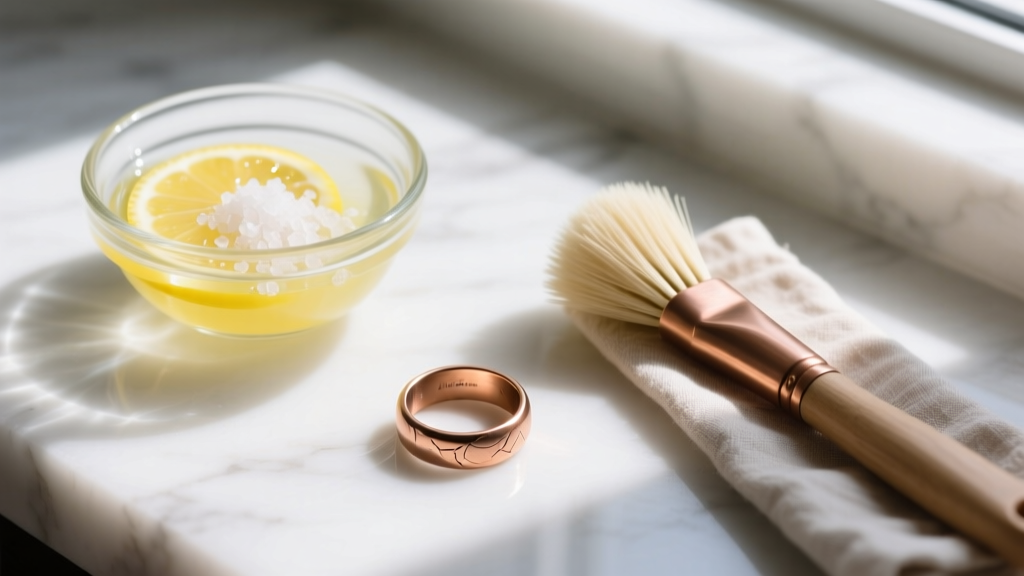
While patina is desirable for some, others prefer the bright, salmon-pink luster of freshly polished copper. Because copper oxides are easily dissolved by mild acids, cleaning is straightforward and requires no harsh commercial chemicals.
The Acid-Salt Cleaning Method
- Create a paste using equal parts fine table salt and lemon juice (or white vinegar).
- Apply the paste to the copper jewelry using a soft-bristled toothbrush, gently working it into any textured areas.
- The citric/acetic acid dissolves the copper oxide, while the salt acts as a mild abrasive and provides chloride ions to accelerate the reaction.
- Rinse thoroughly with warm water and baking soda to neutralize any remaining acid.
- Dry immediately with a microfiber cloth to prevent water spots.
By understanding the material science behind copper, brass, and bronze, collectors and makers can move beyond superficial wellness myths and fully appreciate the dynamic, reactive, and highly workable nature of these foundational jewelry metals.