Clean Copper Jewelry: 2026 Minimalist Style Trends
Discover the 2026 shift toward clean copper jewelry. Explore C101 alloys, mirror finishes, gauge matrices, and minimalist styling for modern wardrobes.

The Shift to Architectural Minimalism in Copper
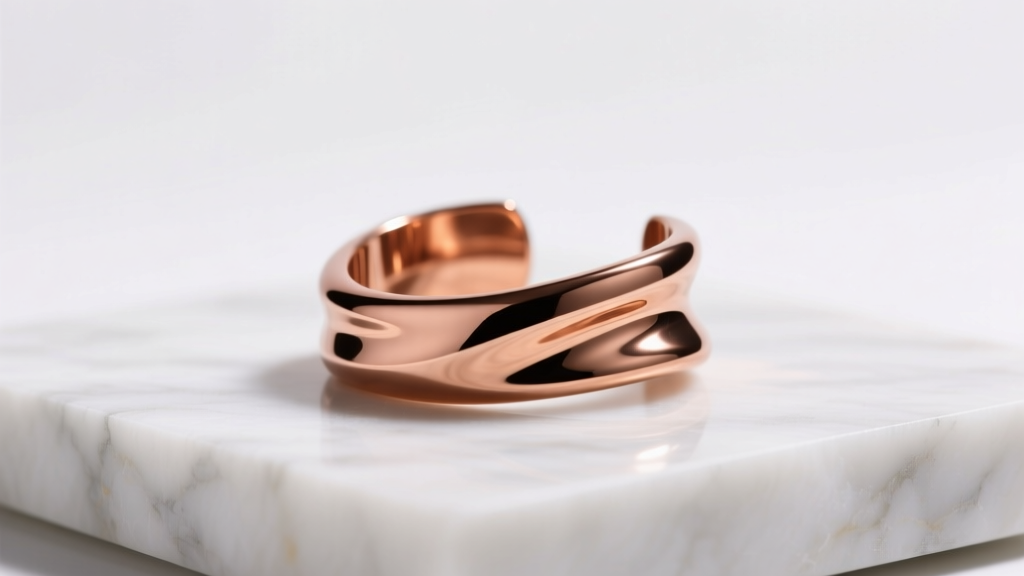
For the past decade, copper jewelry was largely defined by rustic, bohemian aesthetics—heavily oxidized finishes, hammered textures, and intricate wire-wrapping. However, as we navigate the style landscape of 2026, a dramatic pivot has occurred. The modern collector and minimalist fashion enthusiast are now demanding clean copper jewelry: pieces defined by architectural lines, seamless construction, and mirror-like high-polish finishes. This trend strips away the visual noise, treating copper not as a rustic craft material, but as a premium, luxury metal akin to high-karat gold or platinum.
This evolution is driven by a broader cultural shift toward "quiet luxury" and sustainable minimalism. Consumers want the warmth and antimicrobial properties of copper without the heavy, distressed patina that characterized the 2010s artisan boom. Clean copper jewelry relies on precision engineering, flawless surface lapping, and advanced metallurgical sealing to maintain a pristine, contemporary look that integrates seamlessly into structured, modern wardrobes.
Defining "Clean": Material Grades and the C101 Advantage
To achieve the flawless surfaces required for the clean copper aesthetic, jewelers must abandon standard commercial alloys. The secret to the 2026 mirror finish lies in the specific copper grade used. Most mass-market jewelry utilizes C11000 (Electrolytic Tough Pitch or ETP), which is 99.9% pure copper but contains trace oxygen. While excellent for general fabrication, the copper oxide inclusions in C11000 can cause micro-pitting and "orange peel" textures when polished to a high mirror shine.
For premium clean copper jewelry, master artisans have shifted to C10100 (Oxygen-Free High Conductivity or OFHC). By eliminating oxygen inclusions, C10100 allows for extreme cold-working and seamless bending without hydrogen embrittlement or cracking. More importantly for the "clean" trend, C10100 polishes to a flawless, glass-like reflectivity that perfectly mimics the visual weight and luster of 18k rose gold. According to the Copper Development Association, the absence of cuprous oxide particles in OFHC copper is what enables the ultra-smooth surface topography necessary for high-end minimalist light reflection.
The Gauge and Weight Matrix for Minimalist Designs
Clean copper jewelry relies heavily on structural integrity rather than decorative embellishments. The gauge (thickness) of the wire or sheet metal becomes the primary design element. Below is the standard matrix used by contemporary designers to balance visual weight with wearability.
| Gauge (AWG) | Thickness (mm) | Primary Application | Structural Characteristic |
|---|---|---|---|
| 18g | 1.02mm | Seamless clicker hoops, delicate ear threads | High flexibility, lightweight, requires precise tension setting |
| 14g | 1.63mm | Architectural ear cuffs, minimalist bangles | Rigid enough to hold geometric shapes, comfortable for all-day wear |
| 12g | 2.05mm | Statement collars, heavy seamless rings | Bold visual presence, excellent thermal conductivity feel |
| 8g | 3.26mm | Sculptural neckpieces, single-stud anchors | Massive luxury weight, requires specialized lapidary polishing |
The Finishing Process: Achieving and Maintaining the Mirror
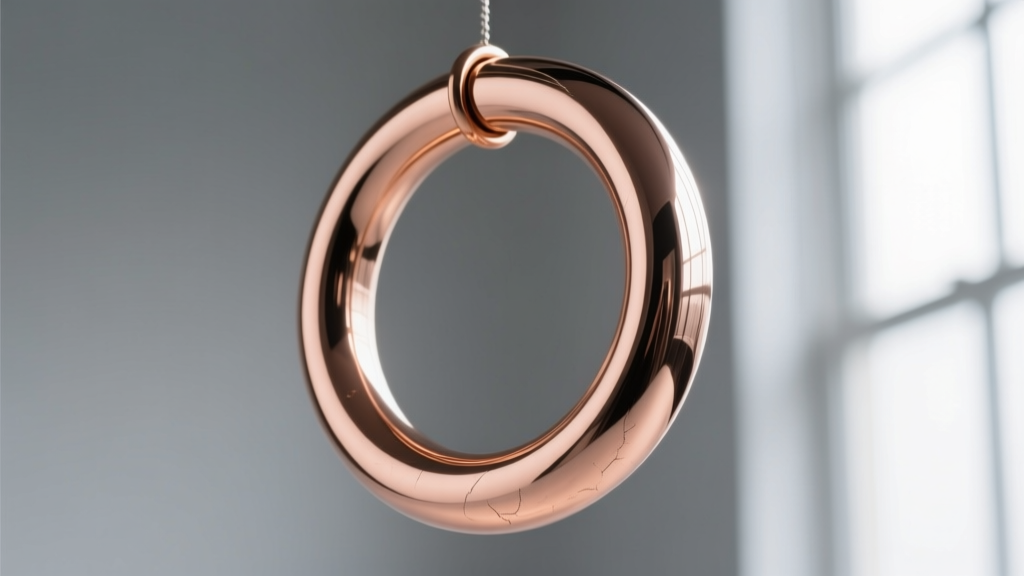
The "clean" look is notoriously difficult to maintain because copper is highly reactive. When exposed to oxygen and moisture, it rapidly forms cuprous oxide (tarnish). To combat this, the 2026 clean copper trend relies on a two-pronged approach: mechanical finishing and molecular sealing.
Mechanical Polishing Protocols
Artisans achieving the clean copper aesthetic do not rely on chemical dips, which can leave microscopic etching. Instead, they use a progressive mechanical lapping process. The piece is first sanded up to 2000-grit silicon carbide, followed by a cutting compound like Tripoli on a muslin wheel. The final stage uses a soft flannel wheel charged with Jeweler's Rouge (iron oxide) or Zam compound, bringing the C101 copper to a 0.02 Ra (Roughness Average) micro-finish. This level of smoothness leaves no microscopic valleys for oils and dirt to accumulate, inherently slowing down the tarnishing process.
Advanced Polymer Sealing
To ensure the jewelry remains "clean" without requiring daily polishing, contemporary makers utilize advanced polyurethane and acrylic nano-coatings. Products like ProtectaClear are applied in ultra-thin layers (typically 0.5 to 1.0 mils thick). Unlike the thick, plasticky lacquers of the past that would chip and yellow, modern sealants are optically clear, flexible, and mimic the thermal conductivity of raw metal. This means the jewelry still feels cool and metallic against the skin, preserving the sensory experience of wearing copper while completely blocking the oxidation process.
"The hallmark of 2026 minimalist copper work is the invisible seal. If a consumer can see the edge of the coating or feel a plastic-like texture, the piece fails the 'clean' standard. The goal is absolute optical transparency." — Metallurgical Finishing Standards, Artisan Jewelry Guild
Skin Chemistry and the End of the "Green Finger"
The historical barrier to copper adoption has been the chelation reaction—where acidic sweat reacts with copper to form copper chloride, resulting in the infamous green skin stain. The clean copper jewelry movement has effectively neutralized this issue through both sealing and alloy refinement.
While sealed pieces are completely immune to causing skin discoloration, some purists prefer unsealed, raw C101 copper for its natural antimicrobial benefits. For unsealed clean copper, the high-polish finish itself acts as a defense mechanism. Because the surface is lapped to a mirror finish, there is less surface area (fewer microscopic pores) for sweat to pool and react. Furthermore, the 2026 consumer is educated on skin pH management; using a simple barrier like a clear nail polish on the interior band of a ring, or ensuring the skin is free of acidic lotions before wear, allows purists to enjoy raw, polished copper without the staining side effects.

Styling Clean Copper: Wardrobe Integration for 2026
Styling clean copper jewelry requires a departure from the layered, bohemian stacking of previous years. The 2026 methodology treats these pieces as sculptural focal points. Because the metal is highly reflective and carries a warm, rose-gold adjacent hue, it pairs best with high-contrast, structured fabrics.
- Monochromatic Backdrops: A polished 12-gauge copper bangle or collar pops brilliantly against matte black, charcoal, or stark white garments. The lack of competing patterns allows the architectural lines of the metal to stand out.
- Structural Silhouettes: Pair seamless copper ear cuffs and geometric hoops with sharp-shouldered blazers, ribbed turtlenecks, or tailored trench coats. The metal's rigidity complements the structured tailoring of modern workwear.
- The "One-Piece" Rule: Minimalist styling dictates restraint. Instead of stacking five thin copper rings, opt for a single, bold 8-gauge or 10-gauge architectural band on the index or middle finger. Let the mass and polish of the single piece command attention.
Price Point Analysis: Artisan vs. Commercial
As the demand for clean copper jewelry has surged, the market has bifurcated into distinct pricing tiers based on manufacturing methods and material grades.
- Commercial / Mass-Produced ($18 - $45): Typically made from C11000 ETP copper, cast or stamped, and finished with a thick anti-tarnish lacquer. While visually clean, they often lack the seamless construction and precise gauge weighting of higher-end pieces.
- Independent Artisan ($65 - $180): Hand-fabricated from C10100 OFHC copper. These pieces feature seamless soldering (or cold-forged seamless joins), hand-lapped mirror finishes, and premium nano-ceramic or polyurethane seals. The pricing reflects the intense labor hours required to achieve a flawless micro-finish.
- Luxury Designer ($250+): Clean copper pieces integrated with high-end lab-grown diamonds, tension-set gemstones, or mixed with platinum and titanium accents. Here, copper is treated as a precious metal, priced for its design provenance rather than its raw material value.
Final Verdict: The Longevity of the Clean Copper Trend
The shift toward clean copper jewelry is not a fleeting seasonal fad; it represents a permanent maturation of copper as a serious jewelry metal. By leveraging advanced metallurgy like C10100 oxygen-free alloys and utilizing modern sealing technologies, designers have solved the historical pain points of tarnish and skin discoloration. For the minimalist consumer in 2026, clean copper offers the luxurious warmth and weight of high-karat gold at a fraction of the environmental and financial cost. Whether you are investing in a seamless 14g ear cuff or a sculptural 8g collar, the clean copper aesthetic provides a timeless, architectural elegance that will define the decade's jewelry landscape.


