Is Brass Jewelry Good? 2026 Style & Trend Analysis
Is brass jewelry good? We analyze 2026 trends, brass alloys, patina styling, and skin reactions to see if this base metal belongs in your collection.

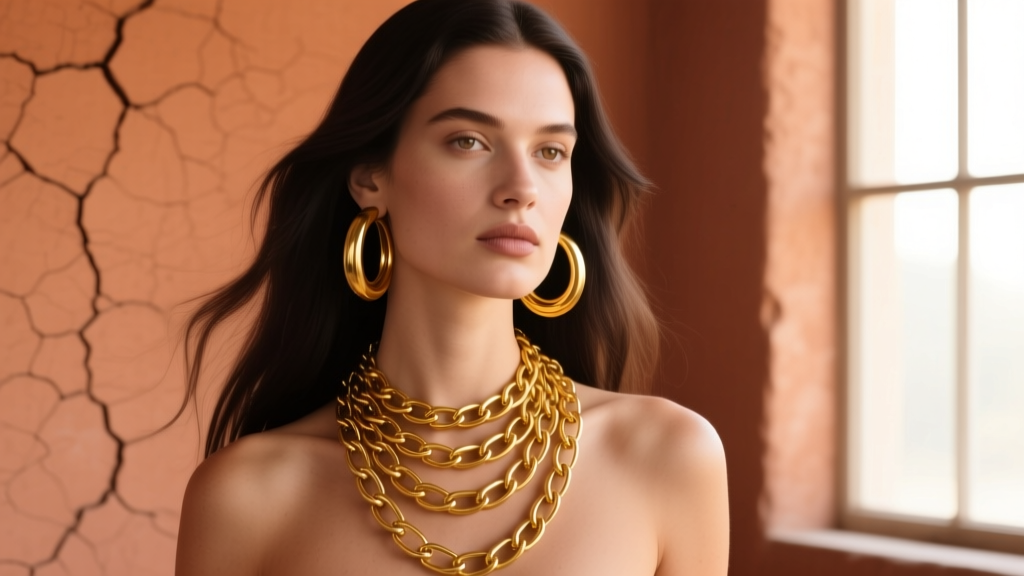
When building a modern jewelry collection, enthusiasts and casual wearers alike eventually confront a fundamental question: is brass jewelry good? The answer, particularly as we navigate the 2026 fashion cycle, is far more nuanced than a simple yes or no. Once relegated to the realm of cheap costume accessories or purely industrial hardware, brass has experienced a massive renaissance in high fashion and independent artisan circles. Today, it is celebrated for its warmth, its architectural weight, and its unique ability to tell a visual story through oxidation. However, wearing brass requires an understanding of its metallurgical quirks, its interaction with human skin, and how to style it intentionally. This comprehensive style and trend analysis breaks down exactly what makes brass a compelling choice for 2026, and where it falls short compared to precious metals.
The Metallurgy of Aesthetics: Decoding Brass Alloys
To determine if brass is 'good' for jewelry, we must first look at its chemical composition. Brass is not a single metal, but an alloy primarily composed of copper and zinc. The ratio of these two elements drastically alters the color, malleability, and tarnish-resistance of the final piece. According to the Copper Development Association, jewelers typically rely on two specific alloy grades for high-quality pieces:
- C23000 (Red Brass): Comprising roughly 85% copper and 15% zinc, red brass possesses a rich, warm, pinkish-gold hue. In 2026, red brass is heavily favored by minimalist designers as a visually convincing, budget-friendly alternative to 14k rose gold. Its higher copper content makes it highly malleable, ideal for intricate wire-wrapping and delicate 22-gauge ear wires.
- C26000 (Cartridge Brass): With a 70% copper and 30% zinc split, cartridge brass yields a bright, striking yellow. This is the classic 'brass' color. It is harder and more durable than red brass, making it the preferred choice for heavy cast signet rings, structural cuffs, and chunky chain links that require impact resistance.
Understanding these grades is crucial. A 'good' brass piece should always be lead-free and nickel-free. While vintage brass from the mid-20th century sometimes contained trace lead for machinability, modern ethical jewelers strictly use lead-free C230 or C260 alloys, ensuring the jewelry is safe for prolonged skin contact.
The 2026 Patina Movement: Embracing Raw Luxury
The most significant trend driving the brass revival in 2026 is the cultural shift toward 'raw luxury' and wabi-sabi aesthetics. Consumers are fatigued by the hyper-polished, rhodium-plated perfection that dominated the early 2020s. Today, oxidation is viewed as a feature, not a flaw.
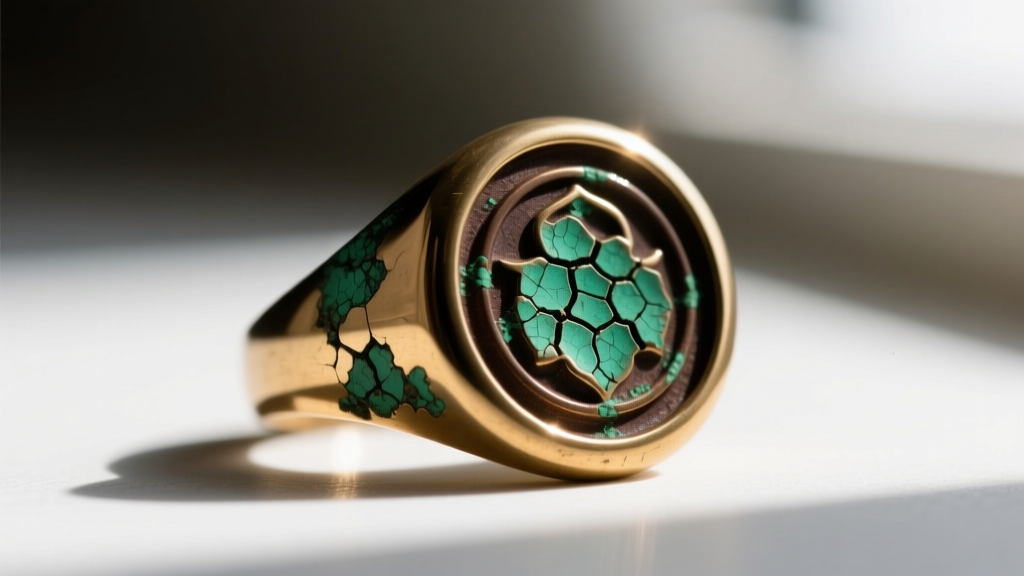
When exposed to oxygen, moisture, and the natural oils of the skin, brass develops a patina. This living finish ranges from a deep, antique brown to a striking verdigris (greenish-blue) in the crevices of textured pieces. High-end contemporary brands are now intentionally pre-oxidizing their brass collections using liver of sulfur or ammonia fuming to give new pieces a decades-old, excavated appearance. For the wearer, this means the jewelry evolves. A brass cuff worn daily will polish up on the high-contact edges while remaining dark in the recesses, creating a bespoke, high-contrast finish that is entirely unique to the owner's lifestyle.
The Dermatological Reality: Skin Reactions and Solutions
The primary argument against brass—and the main reason people question if it is 'good'—is its tendency to turn the skin green. This is not an allergic reaction, nor is it toxic. It is a simple chemical reaction. The copper in the brass alloy reacts with the acidity (pH) of your sweat and the oxygen in the air to form copper chelates (like copper chloride). These microscopic salts are easily absorbed into the outermost layer of the skin (the stratum corneum), leaving a harmless green or black stain.
The American Academy of Dermatology notes that true metal allergies are typically triggered by nickel, not copper. If you experience itching, redness, or blistering from brass jewelry, you are likely reacting to trace nickel impurities in low-grade, mass-produced alloys, not the brass itself. However, the green staining remains a cosmetic annoyance for many. Here is how modern wearers manage it:
- The Barrier Method: Applying a micro-thin layer of clear cosmetic nail polish or specialized jewelry sealants like Everbrite ProtectaClear to the inner band of rings or the posts of earrings creates an invisible shield between the copper and your skin.
- pH Management: Individuals with highly acidic sweat will experience faster oxidation. Removing brass rings before heavy exercise or washing hands with alkaline soaps can mitigate the reaction.
- Embrace and Cleanse: Many 2026 stylists advise simply leaning into the ephemeral nature of the stain. The green mark washes off easily with standard soap and warm water, or a quick wipe with an isopropyl alcohol pad.
2026 Style Matrix: Integrating Brass into Modern Wardrobes
Styling brass requires a deliberate approach. Because of its bold, vintage-leaning color profile, it can clash if mixed haphazardly. Below is a strategic framework for integrating brass into current fashion archetypes.
| Style Archetype | Recommended Brass Pieces | Styling Context & Metal Mixing Rules |
|---|---|---|
| Brutalist / Avant-Garde | Heavy cast C26000 cuffs, raw unpolished geometric pendants, 14-gauge structural ear climbers. | Wear against monochromatic, oversized tailoring (black, charcoal, deep navy). Do not mix with silver; allow the brass to stand alone as a sculptural focal point. |
| Quiet Luxury / Minimalist | Highly polished C23000 (Red Brass) huggie hoops, delicate 20-gauge chain layering, smooth dome rings. | Red brass mimics rose gold beautifully. Mix seamlessly with 14k gold pieces. The subtle color variation adds depth without breaking the 'quiet luxury' aesthetic code. |
| Heritage / Americana | Pre-oxidized signet rings, brass concho belts, turquoise-inlaid brass squash blossom necklaces. | Pair with denim, leather, and suede. The verdigris patina complements earth tones and distressed fabrics, enhancing the rugged, lived-in narrative of the outfit. |
The Economics of Base Metals: Cost-Per-Wear Analysis
From a financial perspective, brass jewelry is exceptionally 'good.' In an era where the spot prices of gold and silver have reached historic highs, brass offers a sustainable, accessible entry point for collectors who want substantial, heavy-weight jewelry without the precious metal premium.
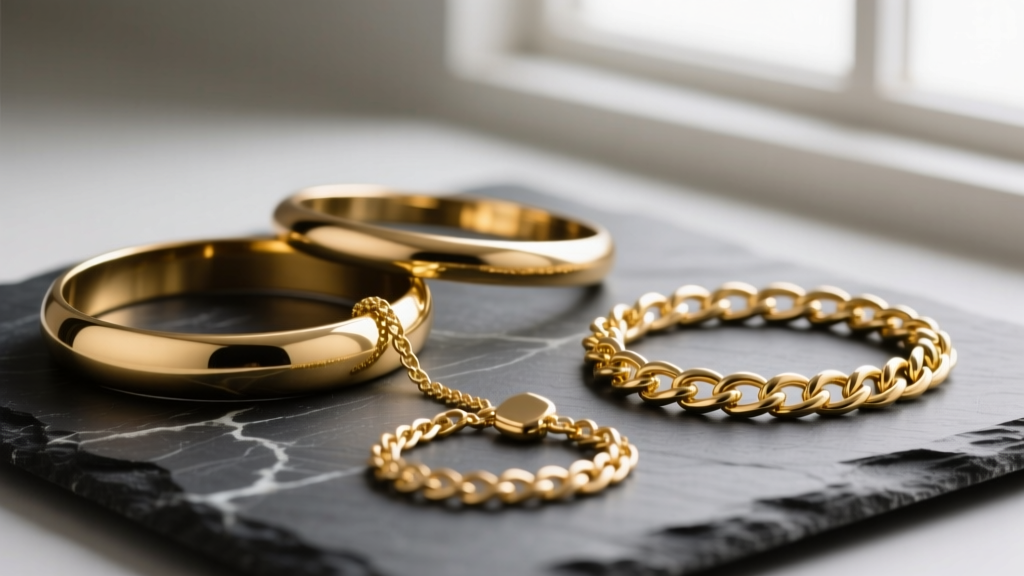
Consider the cost-per-wear of a solid 18k gold Cuban link chain versus a solid C26000 brass equivalent. The gold chain may cost upwards of $4,000 and requires insurance, secure storage, and high-stress anxiety when worn in public. The brass equivalent, weighing the exact same amount and offering identical structural presence, might cost $150 from an independent caster. It can be worn to the beach, on the subway, or at crowded concerts with zero anxiety. For fashion-forward individuals who prioritize silhouette, drape, and aesthetic impact over intrinsic melt value, brass is arguably the smartest material investment in the current market.
The Final Verdict
So, is brass jewelry good? If you are seeking an inert, maintenance-free metal that will look exactly the same in fifty years as it does today, brass is not for you; you should look to platinum or high-karat gold. However, if you view jewelry as an interactive, evolving art form, brass is unparalleled. Its rich metallurgical history, its alignment with the 2026 raw luxury trend, and its unbeatable cost-to-weight ratio make it a phenomenal choice for the intentional, style-conscious collector. By understanding its alloys, managing its patina, and styling it with confidence, brass transitions from a mere base metal to a cornerstone of modern personal adornment.


