Does Brass Jewelry Turn Green? Step-by-Step Prevention Guide
Does brass jewelry turn green? Discover the science behind the reaction and follow our step-by-step guide to seal, clean, and prevent green skin.

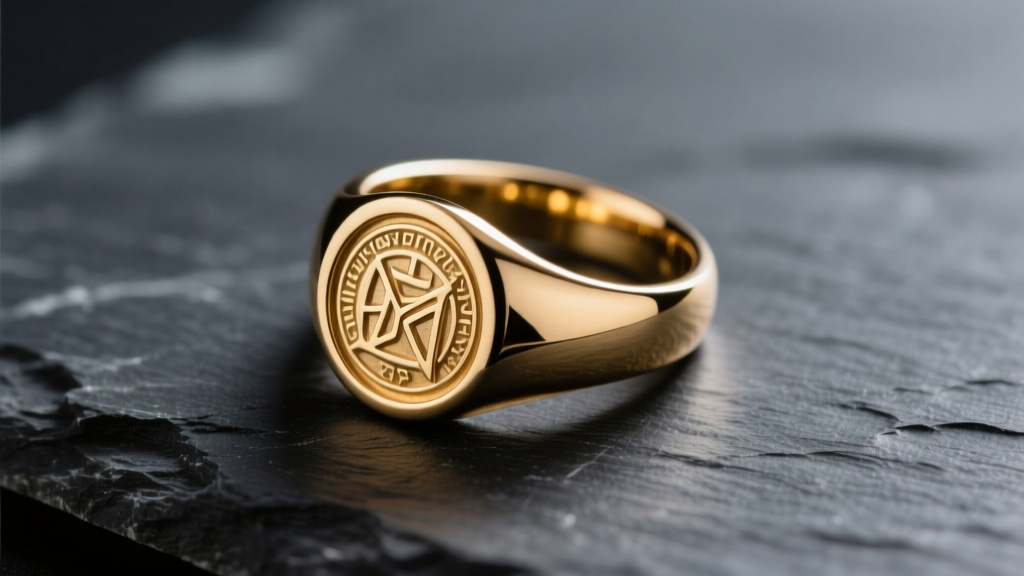
If you have ever asked yourself, does brass jewelry turn green, you are not alone. It is one of the most common concerns for collectors and everyday wearers of copper-alloy accessories. The short answer is yes, brass can absolutely leave a green or blackish residue on your skin. However, this reaction is not a sign of poor hygiene or low-quality metal; it is a predictable chemical interaction. As a natural alloy of copper and zinc, brass requires specific care to maintain its brilliant golden luster and keep your skin stain-free.
In this comprehensive guide, we will break down the exact metallurgy behind the reaction, evaluate how your unique skin chemistry plays a role, and provide a professional, step-by-step protocol for sealing and maintaining your brass pieces so you can wear them with total confidence.
The Chemistry: Why Brass Reacts with Your Skin
To understand the reaction, we must look at the elemental composition of brass. Most jewelry-grade brass is C260 Cartridge Brass, which consists of approximately 70% copper and 30% zinc. The copper component is highly reactive to environmental and biological acids.
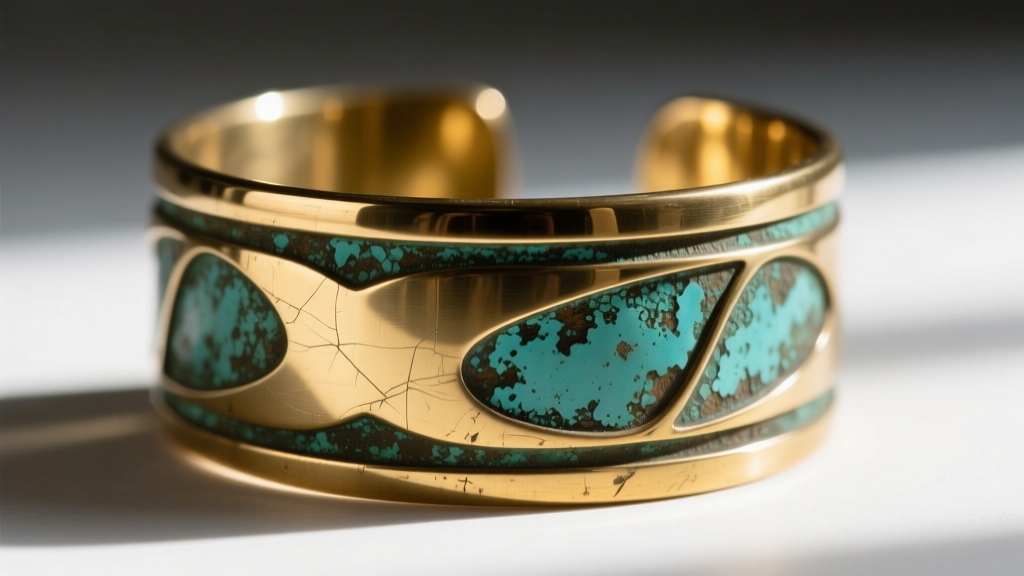
When copper comes into contact with oxygen, moisture, and the natural salts in human sweat, it undergoes oxidation. This process creates copper chlorides and copper carbonates—compounds that manifest as a dark green or teal powdery residue (often referred to as verdigris). According to the Copper Development Association, this patina is a natural protective layer for the metal, but it easily transfers to the epidermis through friction.
The Role of Skin pH and Diet
Not everyone experiences the 'green skin' effect equally. Human sweat typically has a pH ranging from 4.5 to 7.0. If your diet is highly acidic (rich in processed foods, tomatoes, or citrus) or if you live in a high-humidity environment, your sweat will be more acidic, accelerating the copper oxidation process. Furthermore, lotions, perfumes, and sunscreens contain chemical compounds that can strip the natural oils from brass, exposing raw copper to the air and hastening the reaction.
Step-by-Step Guide to Sealing Brass Jewelry
The most effective way to stop brass from turning your skin green is to create an invisible barrier between the metal and your epidermis. While some suggest clear nail polish, professional jewelers recommend specialized metal sealants like Everbrite ProtectaClear, which are formulated to resist UV degradation and skin acids without yellowing.
Step 1: Deep Clean and Degrease
Sealants will not adhere properly if there are microscopic oils or existing oxidation on the metal.
- Wash the jewelry in warm water with a few drops of pH-neutral dish soap (avoid ammonia-based cleaners, which can cause dezincification in brass).
- Rinse thoroughly and dry completely with a lint-free microfiber cloth.
- Wipe the entire piece down with 91% isopropyl alcohol using a cotton pad. This removes any residual skin oils or polishing compounds.
- Allow the alcohol to evaporate completely (about 2 minutes). Do not touch the metal with bare fingers after this step.
Step 2: Apply the Sealant
Work in a well-ventilated area with low humidity.
- Using a high-quality, soft-bristled artist brush or a lint-free swab, apply a thin, even coat of ProtectaClear to the areas of the jewelry that will touch your skin (e.g., the inside of a ring band or the back of a pendant).
- Ensure you cover the edges and any intricate crevices where sweat tends to pool.
- Let the first coat dry to the touch (typically 15 to 30 minutes).
Step 3: Second Coat and Curing
Apply a second thin coat to guarantee full coverage and eliminate microscopic pinholes. Allow the jewelry to cure in a dust-free environment for 24 to 48 hours before wearing. The sealant will cross-link and harden, creating a durable, skin-safe shield.
Daily Maintenance and Cleaning Routine
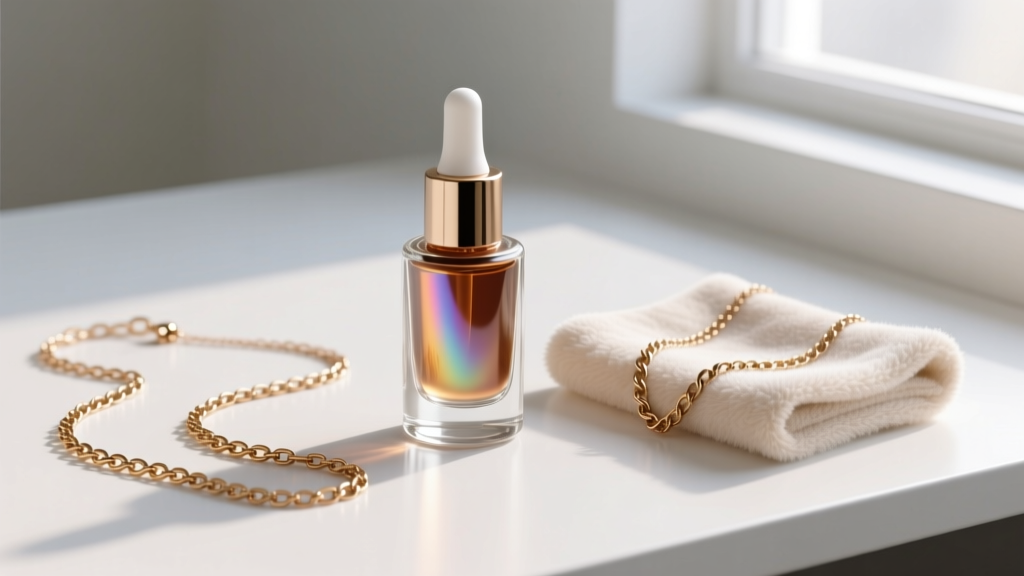
Even sealed brass requires basic maintenance to preserve its structural integrity and shine. Unsealed brass, such as display pieces or occasionally worn cuffs, should be cleaned regularly to remove acidic salts before they can etch the metal.
Pro Tip: Never wear unsealed brass jewelry to the gym, the beach, or while swimming in chlorinated pools. Chlorine and saltwater are highly corrosive to copper alloys and will cause rapid, pitting oxidation that is nearly impossible to polish out.
For routine cleaning, use a specialized brass polish like Brasso or a homemade paste of equal parts lemon juice and baking soda. Apply the paste with a soft toothbrush, gently scrub the crevices, rinse with distilled water, and dry immediately. Always follow up with a light buffing using a jeweler's rouge cloth to restore the high-polish finish.
Troubleshooting: Removing Green Stains from Skin
If you forgot to seal your ring and are left with a stubborn green band on your finger, do not panic. The stain is entirely harmless and superficial. Avoid harsh scrubbing, which can damage your skin barrier. Instead, use one of these targeted removal methods:
- Micellar Water: Soak a cotton pad in micellar makeup remover and hold it against the stain for 30 seconds before wiping. The micelles bind to the copper salts and lift them gently.
- Lemon Juice & Salt: For tougher stains, mix a drop of lemon juice with a pinch of fine sea salt. Gently massage the area for 10 seconds, then rinse and moisturize. The mild citric acid dissolves the copper carbonate.
- Isopropyl Alcohol: A quick swipe with rubbing alcohol will break down the metallic salts, though it may dry out your skin, so follow up with a heavy hand cream.
Comparison Chart: Brass Sealants and Barriers
Choosing the right barrier depends on your budget, the type of jewelry, and how often you plan to wear it. Below is a data-driven comparison of the most common sealing methods.
| Sealant Type | Durability | Reapplication Frequency | Best Use Case | Estimated Cost |
|---|---|---|---|---|
| Everbrite ProtectaClear | High (1-2 years) | Every 12-24 months | Daily wear rings, bracelets, ear cuffs | $15 - $25 |
| Renaissance Wax | Medium (3-6 months) | Every few months | Display pieces, occasional wear pendants | $10 - $18 |
| Clear Nail Polish | Low (1-4 weeks) | Weekly or bi-weekly | Emergency fixes, cheap fashion jewelry | $2 - $5 |
| Professional Rhodium Plating | Very High (3-5 years) | When plating wears off | Heirloom pieces, high-end brass designs | $45 - $100+ |
Final Thoughts on Brass Jewelry Care
Understanding the answer to 'does brass jewelry turn green' transforms how you interact with this beautiful, historic metal. By respecting the chemistry of copper alloys and implementing a proper sealing protocol, you can enjoy the warm, vintage-inspired aesthetic of brass without the unwanted side effects. Invest in a high-quality metal sealant, maintain a consistent cleaning routine, and your brass collection will remain as vibrant and skin-friendly as the day you bought it.