Does Brass Jewelry Turn Skin Green? The Truth & Style Guide
Discover if brass jewelry turns skin green, the science behind the reaction, and expert styling tips to wear raw brass confidently.

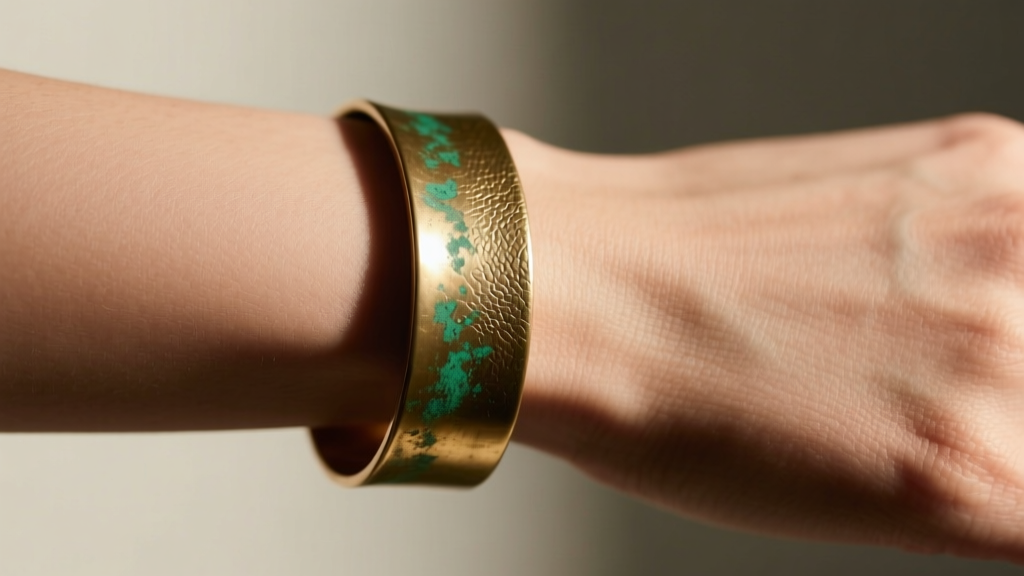
When building a curated, trend-forward jewelry wardrobe, a common concern inevitably surfaces: does brass jewelry turn skin green? The short answer is yes, but this reaction is frequently misunderstood. Far from being a sign of "fake" or low-quality metal, the green mark is a well-documented chemical interaction between the copper in the brass alloy and your unique body chemistry. In the contemporary jewelry landscape of 2026, raw and unsealed brass is highly prized by artisan designers for its warm, golden hue and its "living finish"—a patina that evolves with the wearer.
However, styling reactive metals requires a strategic approach. Whether you want to embrace the organic oxidation process or keep your skin and jewelry pristine, understanding the metallurgy and styling frameworks behind brass is essential. This guide breaks down the science, the style trends, and the actionable care routines you need to wear brass with absolute confidence.
The Chemistry of the Green Mark: Why It Happens
To understand the reaction, we must look at the elemental composition of the metal. Brass is an alloy primarily made of copper and zinc. The copper content typically ranges from 55% to 85%, depending on the specific alloy grade. When copper is exposed to oxygen, moisture, and the natural salts and acids found in human sweat, it undergoes oxidation.
This oxidation process creates copper chelates—specifically copper chloride and copper carbonate—which manifest as a harmless green or blackish residue on the skin. According to the American Academy of Dermatology, this green mark is a surface-level chemical transfer, not an allergic reaction or a sign of toxicity. It washes off easily with soap and water.
Several variables dictate the speed and intensity of this reaction:
- Skin pH Levels: Individuals with more acidic sweat (a pH below 6.0) will trigger a much faster copper breakdown, resulting in darker, more immediate green marks.
- Environmental Humidity: High moisture environments accelerate oxidation. A heavy brass cuff worn during a humid summer festival will react far more aggressively than the same piece worn in a dry, climate-controlled office.
- Surface Area and Gauge: A thick, 10-gauge solid brass bangle traps heat and sweat against the skin, creating a microclimate that speeds up the reaction. Conversely, a delicate 24-gauge brass chain allows for airflow, minimizing the effect.
The Trend Shift: "Living Finishes" in Modern Jewelry Design
In recent years, the jewelry industry has seen a massive pivot away from hyper-polished, static metals toward organic, evolving materials. The "Wabi-Sabi" design philosophy, which finds beauty in imperfection and the passage of time, has heavily influenced brass jewelry trends. Artisans are intentionally leaving brass unsealed to allow the wearer's body chemistry to imprint a unique, personalized patina onto the metal.
"Raw brass is the ultimate interactive medium. The green mark isn't a flaw; it's proof that the jewelry is alive and reacting to the individual wearing it." — Contemporary Metalsmithing Journal, 2025
While high-end commercial brands often use PVD (Physical Vapor Deposition) coating or clear epoxy resins to seal their brass pieces—retailing them at premium prices of $80 to $150—the independent maker market champions raw, unsealed brass. These artisan pieces, often priced between $25 and $60, offer a tactile, grounded aesthetic that perfectly complements the current trend of earthy, bohemian, and brutalist fashion silhouettes.
Material Breakdown: Brass Alloys and Their Reactivity
Not all brass is created equal. The exact ratio of copper to zinc drastically alters the metal's color, durability, and reactivity. As detailed in Rio Grande's metallurgy guides, jewelers typically choose from a few specific grades. Understanding these grades helps you predict how a piece will behave on your skin.
| Alloy Type | Composition | Color Profile | Reactivity Level | Best Style Application |
|---|---|---|---|---|
| Yellow Brass (C26000) | 70% Cu, 30% Zn | Bright, warm gold | Moderate to High | Everyday hoops, geometric pendants |
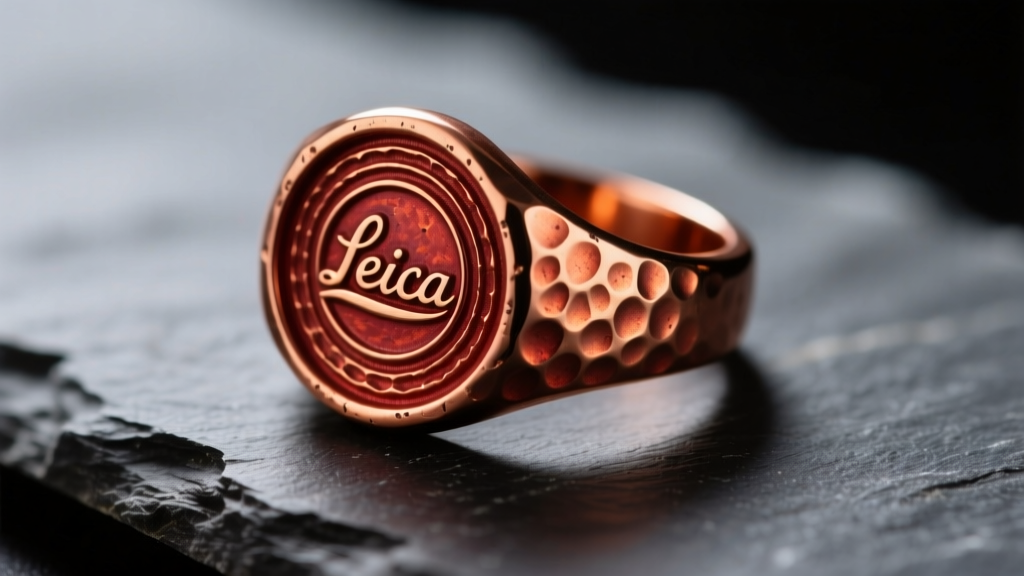
| Red Brass (C23000) | 85% Cu, 15% Zn | Deep, rose-gold/bronze | Very High | Statement signet rings, heavy cuffs |
| Jeweler's Brass (Merlin's Gold) | 85% Cu, 15% Zn | Rich, antique gold | Very High | Intricate castings, vintage-style bands |
| Nickel Silver (German Silver) | Cu, Ni, Zn (No actual silver) | Cool, pale yellow-white | High (Allergy Risk) | Avoid for sensitive skin; use for outerwear brooches |
Note: Red Brass and Jeweler's Brass contain significantly more copper, meaning they will turn your skin green much faster than standard Yellow Brass. However, they also develop the most spectacular, rich brown-black patinas over time.
Strategic Styling: Where to Wear (and Avoid) Raw Brass
If you love the aesthetic of raw brass but want to avoid the green mark, the secret lies in strategic placement. By mapping your jewelry to your body's friction and moisture zones, you can enjoy the metal's beauty without the chemical transfer.
High-Friction vs. Low-Friction Zones
High-Friction Zones (High Reaction Risk):
Areas where jewelry sits flush against the skin, trapping heat and sweat, are prime real estate for oxidation. These include the fingers (especially the underside of rings), tight chokers, and snug bangles. If you are wearing a raw brass ring on a hot day, expect a green mark. To mitigate this, reserve raw brass rings for cooler months or evening events where you won't be sweating.
Low-Friction Zones (Low Reaction Risk):
Jewelry that dangles or rests lightly on the skin allows for continuous airflow, keeping the skin dry and preventing the copper chelates from forming. Excellent placements for raw brass include:
- Dangle and Drop Earrings: The post may be brass, but the bulk of the metal hangs away from the skin.
- Long Lariat Necklaces: A 24-inch or 30-inch brass chain rests over clothing or lightly brushes the collarbone without trapping moisture.
- Brooches and Hair Pins: These are pinned to fabrics or hair, entirely bypassing skin contact.

Proactive Care: Keeping Your Skin and Brass Pristine
For those who prefer their brass bright and their skin unmarked, proactive maintenance is required. You have two main avenues: treating the skin or treating the metal.
Barrier Methods for the Metal
If you purchase a raw brass piece and want to lock in its current bright gold finish, you must apply a physical barrier between the copper and your skin. Clear nail polish is a common DIY hack, but it chips quickly and degrades the aesthetic of the jewelry. Instead, professionals recommend:
- Everbrite ProtectaClear: A jeweler-grade, crystal-clear coating specifically designed for reactive metals. It is applied with a brush, dries invisible, and prevents oxidation and skin transfer for months.
- Renaissance Wax: A micro-crystalline wax used by museum conservators. Buffing a thin layer onto your brass jewelry creates a temporary, water-resistant seal that must be reapplied every few weeks.
Skin Preparation and pH Balancing
If you choose not to seal the metal, you can alter your skin's surface to slow the reaction. Applying an alkaline lotion (pH above 7.0) before wearing your jewelry can neutralize the acidic sweat that triggers copper breakdown. Additionally, always ensure your skin is completely dry before putting on brass rings or cuffs, and remove them before washing your hands, swimming, or applying acidic skincare products like Vitamin C serums or AHA/BHA exfoliants.
Resetting the Metal
When your brass jewelry develops a heavy patina or the green transfer becomes too aggressive, you can "reset" the metal. Submerging the piece in a solution of equal parts white vinegar and warm water with a pinch of salt for 10 minutes will strip the oxidation. Rinse thoroughly, dry completely, and buff with a microfiber cloth to restore the original high-shine finish.
Final Verdict: Is Brass Right for Your Jewelry Wardrobe?
So, does brass jewelry turn skin green? Yes, but this should not deter you from incorporating this magnificent, historically rich metal into your collection. The green mark is a harmless, temporary byproduct of a natural chemical dance between copper and human biology. By understanding the specific alloy grades, utilizing strategic low-friction styling, and employing professional sealants when necessary, you can harness the warm, golden allure of brass without compromise. Whether you embrace the living, evolving patina or prefer a sealed, pristine shine, brass remains one of the most versatile and expressive materials in modern jewelry design.