Beginner Guide to Diamond District Jewelry New York NY
Navigate the NYC Diamond District like a pro. Learn insider negotiation tactics, scam avoidance, and how to verify GIA certifications on 47th Street.

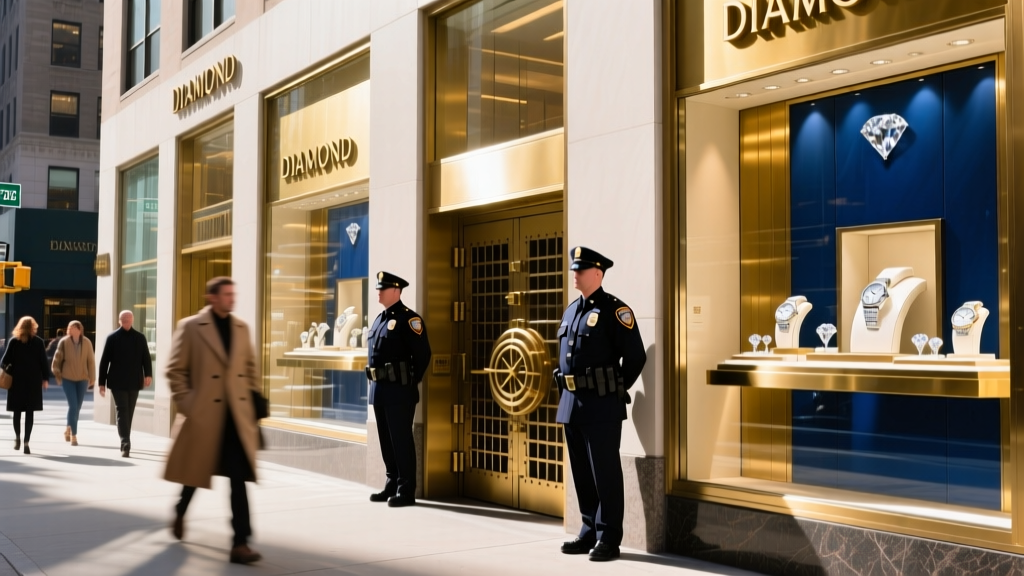
Stepping onto West 47th Street between Fifth and Sixth Avenues for the first time can feel like entering a high-stakes financial trading floor mixed with a bustling Middle Eastern bazaar. This single block in Midtown Manhattan handles a massive percentage of the United States' diamond imports, generating billions in annual revenue. For a beginner, the sheer density of dealers, armed guards, and fast-talking hawkers can be overwhelming. However, with the right knowledge, securing exceptional value on your purchase is entirely possible. This comprehensive guide will teach you how to navigate the ecosystem, verify authenticity, and negotiate like an industry insider.
Understanding the Layout: Street-Level vs. Upstairs Exchanges
The most critical mistake beginners make when shopping for diamond district jewelry New York NY tourists often fall for is engaging with street-level touts. The sidewalk is lined with aggressive solicitors who will attempt to lure you into their storefronts with promises of "wholesale prices" and "today-only discounts." These street-level shops pay exorbitant retail rents, which are ultimately passed on to the consumer through inflated margins and high-pressure sales tactics.
The real wholesale trade happens upstairs. Serious buyers and seasoned jewelers take the elevator to the upper floors of buildings like 30 West 47th Street or the prestigious Diamond Dealers Club (DDC) at 47 West 47th Street. These upstairs booths are often cramped, unglamorous, and entirely focused on the stones. Dealers here operate on much thinner margins, relying on volume and repeat business rather than trapping a one-time tourist. To access the DDC, you generally need an appointment or a referral from a member, but many reputable independent dealers operate in the adjacent office buildings and welcome serious, pre-educated retail buyers.
The Non-Negotiable Certification Rule
In the district, a diamond without a reputable grading report is essentially a paperweight. As of 2026, the market is flooded with fracture-filled, laser-drilled, and synthetic stones that are visually indistinguishable to the untrained eye. You must demand a grading report from the Gemological Institute of America (GIA). While other labs like IGI are highly respected for lab-grown diamonds, GIA remains the undisputed gold standard for natural diamond grading due to their strict, consistent color and clarity parameters.
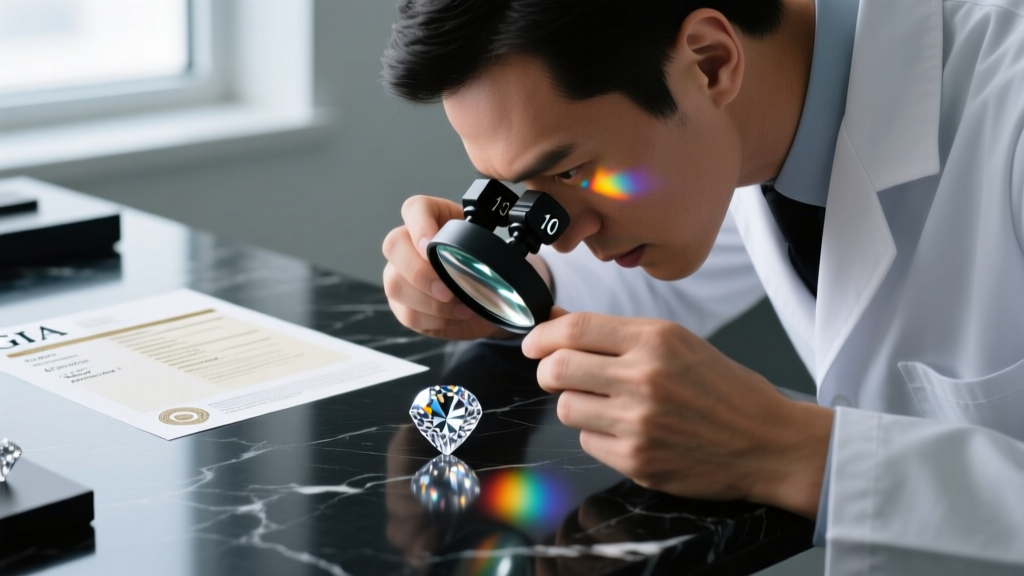
Never accept an "in-house" certificate or an appraisal document from the seller as a substitute for a GIA report. In-house appraisals are notoriously inflated, often valuing a stone at two to three times its actual replacement cost to make the buyer feel they secured a massive bargain. Always verify the report number yourself. Use your smartphone to visit the GIA Report Check portal while standing in the dealer's office. Match the digital report's inclusion plot (the map of the diamond's internal flaws) to the stone under a microscope to ensure the certificate hasn't been swapped.
Insider Negotiation and Payment Tactics
Pricing in the diamond district is rarely fixed. Dealers expect negotiation, but they base their starting points on the Rapaport Price List—a weekly industry benchmark that dictates wholesale baseline prices. While consumers cannot access the Rap List, you can research retail prices on major online platforms like Blue Nile or James Allen before your visit. Use these online prices as your absolute ceiling, and aim to negotiate 15% to 25% below them.
Your payment method is your most powerful negotiation lever. Credit card processing fees eat into the dealer's already thin wholesale margins. Offering to pay via wire transfer or cash signals that you are a serious buyer and instantly unlocks better pricing.
| Payment Method | Expected Discount | Buyer Protection Level | Best Use Case |
|---|---|---|---|
| Credit Card | 0% (Retail Price) | High (Chargeback rights) | First-time buyers needing maximum security |
| Cash (Physical) | 2% - 4% off | Low (No paper trail) | Small purchases under $5,000 |
| Bank Wire Transfer | 3% - 6% off | Medium (Bank records) | High-value stones over $10,000 |
When negotiating, use industry phrasing. Instead of asking, "What's your best price?" ask, "What is your best wire price for this GIA-graded stone?" This subtle shift in vocabulary tells the dealer you understand how the wholesale market operates.
Spotting the 3 Most Common District Scams
While the vast majority of upstairs dealers are honest professionals operating under the strict ethical guidelines of the Diamond Dealers Club, bad actors do exist. Be vigilant against these three common traps:
1. The Bait-and-Switch Setting
You select a beautiful, GIA-certified diamond, but the dealer needs to send it out to a third-party setter to mount it in your chosen ring. When you pick up the finished ring, the stone has been swapped for a lower-clarity or lower-color diamond. The Fix: Always map the diamond's unique laser inscription on the girdle before it leaves your sight, and verify it again with your own loupe upon pickup.
2. The "Clarity Enhanced" Upsell
A dealer shows you a stunning 2-carat diamond at an impossibly low price. They casually mention it is "clarity enhanced." This means the stone was heavily included and subjected to laser drilling or fracture filling (injecting glass-like resins into cracks). These treatments are not permanent, can be destroyed by a jeweler's torch during resizing, and hold virtually zero resale value. The Fix: The FTC mandates disclosure of these treatments, but unethical sellers hide them. If the GIA report says "Clarity Enhanced" or "Fracture Filled," walk away.

3. The Fluorescence Trap
Strong blue fluorescence in a high-color diamond (D-F) can make the stone appear milky or cloudy in natural sunlight. Unscrupulous dealers will sell highly fluorescent stones at a premium by claiming the blue glow "makes the diamond look whiter." The Fix: Always view the stone in direct, natural sunlight or under a UV light source to check for milkiness before purchasing.
Navigating Lab-Grown Diamonds on 47th Street
The landscape of the district has shifted dramatically with the rise of lab-grown diamonds. Many traditional natural diamond dealers view lab-grown stones with skepticism, but dedicated booths now specialize exclusively in Chemical Vapor Deposition (CVD) and High Pressure High Temperature (HPHT) synthetics. If you are shopping for lab-grown jewelry, insist on an IGI or GIA report. Lab-grown prices have plummeted, and a high-quality 2-carat lab-grown stone should cost a fraction of its natural equivalent. Do not let a dealer charge natural market premiums for a stone created in a reactor.
Step-by-Step Action Plan for Your Visit
- Pre-Shop Online: Spend three days comparing prices on major retail sites to establish a baseline for your desired carat, cut, color, and clarity.
- Schedule Appointments: Contact 3 to 4 highly-rated upstairs dealers via email or phone. Tell them exactly what you are looking for and ask them to pull stones for your viewing.
- Bring Your Own Loupe: While dealers provide loupes, bringing your own 10x triplet loupe demonstrates that you are a serious, educated buyer.
- Check the Cut Quality: Never compromise on the cut. A poorly cut diamond, even with flawless clarity, will lack brilliance. Demand "Excellent" or "Ideal" cut grades on the GIA report.
- Get it in Writing: Ensure the final invoice explicitly lists the diamond's exact GIA report number, carat weight to the hundredth, and a 30-day return policy.
By approaching the market for diamond district jewelry New York NY locals and professionals trust with preparation and skepticism, you transform from an easy target into an empowered buyer. The district rewards those who do their homework with unparalleled selection and genuine wholesale value.