Fixing Cloudy Diamond Birthstone Jewelry & Spotting Fakes
Discover why your April diamond birthstone jewelry looks cloudy or dull. Learn to troubleshoot melee cut issues, fluorescence, and spot simulant fakes.

The April Birthstone Dilemma: Why Your Diamond Looks Dull
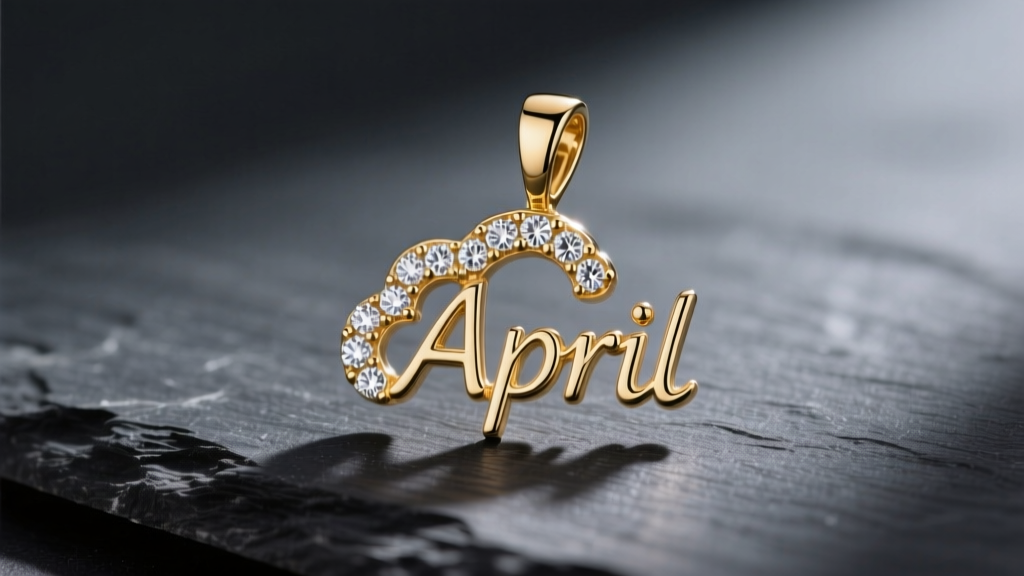
April's birthstone is the diamond, universally celebrated for its unmatched brilliance and durability. Yet, a frequent complaint among consumers is that their newly acquired diamond birthstone jewelry appears cloudy, dull, or lifeless compared to the fiery stones seen in high-end engagement rings. This discrepancy is rarely a defect in the carbon crystal structure itself. Instead, it is usually a cascade of manufacturing compromises, gemological nuances, and maintenance failures specific to small-scale birthstone pieces. Whether you are troubleshooting a vintage zodiac pendant or a modern initial ring, understanding the root causes of cloudiness is the first step toward restoration.
Diagnosing the Cloudiness: 4 Common Culprits
1. The Single-Cut Melee Trap
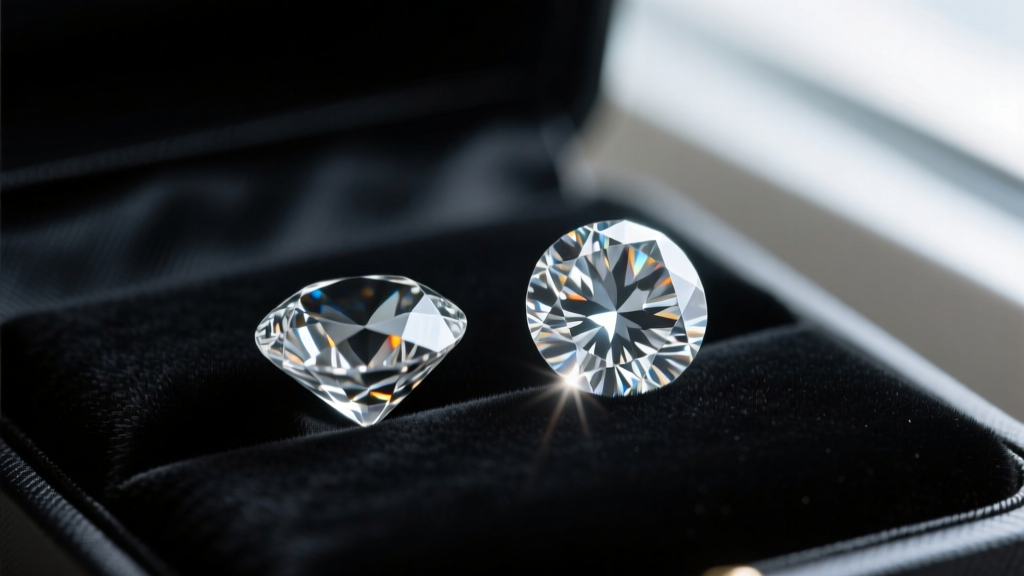
The vast majority of diamond birthstone jewelry relies on melee diamonds—small stones typically weighing between 0.01 and 0.15 carats. To maintain accessible price points in birthstone collections, manufacturers frequently utilize "single cut" melee. Unlike the standard "full cut" brilliant diamond, which features 57 or 58 precisely angled facets, a single cut diamond possesses only 17 or 18 facets. This drastic reduction in facet geometry severely limits the stone's ability to reflect and refract light. The result is a glassy, transparent appearance that lacks scintillation and often reads as "flat" or cloudy when clustered in pave or bezel settings.
2. Fluorescence-Induced Milkiness
Fluorescence is a diamond's reaction to ultraviolet (UV) light, which is present in natural daylight. While faint fluorescence is generally harmless, medium to strong blue fluorescence in lower color grades (such as I, J, or K) can cause a structural hazing effect. In diamond birthstone jewelry, where melee stones are often bulk-sourced with mixed color grades, a cluster of highly fluorescent stones can appear milky or oily when worn outdoors. This is not dirt; it is an optical phenomenon caused by the interaction of UV rays with nitrogen aggregates within the diamond's crystal lattice. When shopping for April birthstone pieces, always request the melee diamond specifications from the jeweler. While the GIA does not issue full grading reports for individual melee stones, reputable vendors will provide a master parcel certificate detailing the average color, clarity, and fluorescence of the batch used in your specific piece of jewelry.
3. Micro-Pave Grime Accumulation
Birthstone jewelry is worn daily, often sitting flush against the skin. Micro-pave and channel settings create microscopic crevices that aggressively trap sebum, dead skin cells, lotion, and soap scum. Because diamonds are naturally oleophilic (oil-attracting), the pavilion (bottom) of the stone quickly becomes coated in a microscopic film of grease. This film acts as a barrier, preventing light from entering the stone and reflecting back to the eye, instantly killing the diamond's brilliance and creating a murky, grayish cast.
4. Rhodium Plating Wear-Through
If your diamond birthstone jewelry is set in white gold, the metal itself might be causing the stones to look dull. White gold is an alloy of yellow gold and white metals, plated with rhodium to achieve a bright, silvery finish. As the rhodium wears away over months of daily wear, the underlying yellowish alloy is exposed. This warm metallic backdrop reflects through the transparent pavilion of small melee diamonds, altering their perceived color and making them look muddy or dim. If you notice your diamonds looking consistently yellow or murky despite cleaning, inspect the metal beneath the stones. If it appears pale yellow, it is time to visit a jeweler for a quick rhodium dip, which will instantly restore the bright white contrast that makes diamonds pop.
Single Cut vs. Full Cut Melee: A Buyer's Troubleshooting Chart
When evaluating or purchasing diamond birthstone jewelry, knowing the difference between melee cuts can save you from buyer's remorse. Use this chart to understand what you are actually getting.
| Feature | Single Cut Melee | Full Cut Melee |
|---|---|---|
| Facet Count | 17 - 18 facets | 57 - 58 facets |
| Light Performance | Glassy, transparent, low scintillation | High brilliance, fiery, optimal light return |
| Typical Weight | 0.01 - 0.05 carats | 0.06 - 0.15 carats |
| Common Use | Budget birthstone pendants, watch dials | Premium birthstone rings, high-end pave |
| Price Premium | Base market rate | 15% - 30% higher per carat |
Spotting the "Alternative" April Birthstone Deception
The Federal Trade Commission (FTC) mandates strict disclosure regarding gemstone simulants. However, the rise of global dropshipping and ambiguous marketing terms like "April birthstone crystal" or "diamond simulant birthstone" has flooded the market with Cubic Zirconia (CZ) and white sapphire passed off as genuine diamond. If you are troubleshooting a gifted piece of diamond birthstone jewelry that seems suspiciously flawless or lacks the sharp facet junctions of real carbon, you must verify its authenticity.
Thermal Conductivity vs. Optical Testing
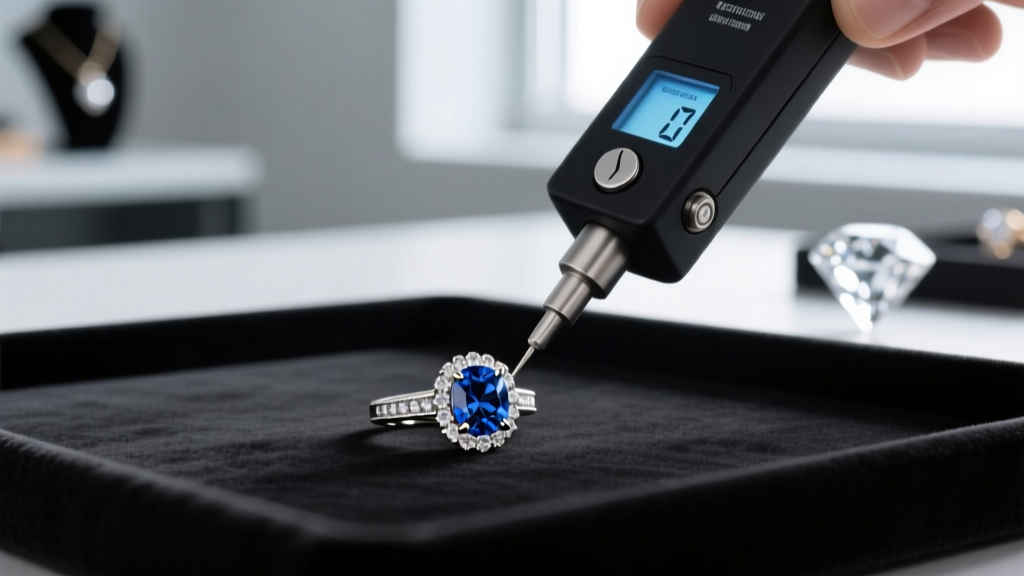
To troubleshoot suspected fakes, a standard thermal conductivity tester is your first line of defense. Diamonds are exceptional thermal conductors; they disperse heat rapidly. CZ and white sapphire are thermal insulators and will not trigger the diamond alert. However, if the birthstone jewelry features moissanite (a common lab-grown alternative), a thermal tester will yield a false positive, as moissanite also conducts heat. For absolute certainty, utilize a dual-tester that measures electrical conductivity. Moissanite is slightly electrically conductive, whereas natural and lab-grown diamonds (with the rare exception of Type IIb boron-doped blue diamonds) are insulators. For a deeper dive into diamond identification, the Gemological Institute of America (GIA) provides comprehensive educational frameworks on distinguishing natural diamonds from their alternatives.
Step-by-Step Restoration Protocol for Cloudy Birthstone Diamonds
If you have ruled out single-cut compromises and fluorescence, your jewelry likely requires a deep, professional-grade cleaning to remove oleophilic buildup. Avoid ultrasonic cleaners if your birthstone jewelry features fracture-filled diamonds or cluster settings where melee stones are secured with optical adhesives, as the high-frequency vibrations can shatter treated stones or dissolve the glue.
- The Ammonia Soak: Mix one part household ammonia with six parts lukewarm water in a glass bowl. Submerge the diamond birthstone jewelry for 15 to 20 minutes. The alkaline solution breaks down acidic sebum and cosmetic oils without damaging the diamond or precious metal setting.
- The Pavilion Brush: Remove the piece and use a baby-soft toothbrush. Crucially, brush the underside (pavilion) of the diamonds. The table (top) is usually clean; the grime hiding under the girdle is what blocks light return.
- The Distilled Rinse: Rinse thoroughly under lukewarm running water, then perform a final dip in distilled water to prevent hard water mineral spots from drying on the facets.
- Air Dry: Use a hairdryer on the cool setting to blow water out of the micro-pave crevices, avoiding lint from microfiber cloths that can snag on delicate prongs.
Preventative Maintenance for Delicate Birthstone Settings
Troubleshooting diamond birthstone jewelry is an ongoing process of preservation. Because birthstone pieces often feature intricate, low-profile settings designed for everyday wear, the prongs securing the melee diamonds are exceptionally thin. Schedule a professional prong-tightening and rhodium re-plating (for white gold) every 12 to 18 months. Furthermore, always remove your diamond birthstone jewelry before applying lotions, swimming in chlorinated pools, or using harsh household cleaners. Chlorine can cause stress-corrosion cracking in the gold alloys used to cast the settings, leading to catastrophic prong failure and lost stones. Store your birthstone jewelry in a soft, fabric-lined box with individual compartments. Diamonds are a 10 on the Mohs hardness scale, meaning they can easily scratch not only other gemstones but also the precious metal settings of neighboring pieces if tossed carelessly into a communal jewelry dish. By understanding the gemological and structural realities of small-scale diamonds, you can ensure your April birthstone jewelry maintains its rightful brilliance for a lifetime.