Red Diamond Jewelry Oblivion: 2026 Rare Gem Gift Guide
Discover the truth behind red diamond jewelry oblivion. Our 2026 gift guide covers rare natural gems, lab-grown alternatives, and occasion matching.

The Phenomenon of Red Diamond Jewelry Oblivion
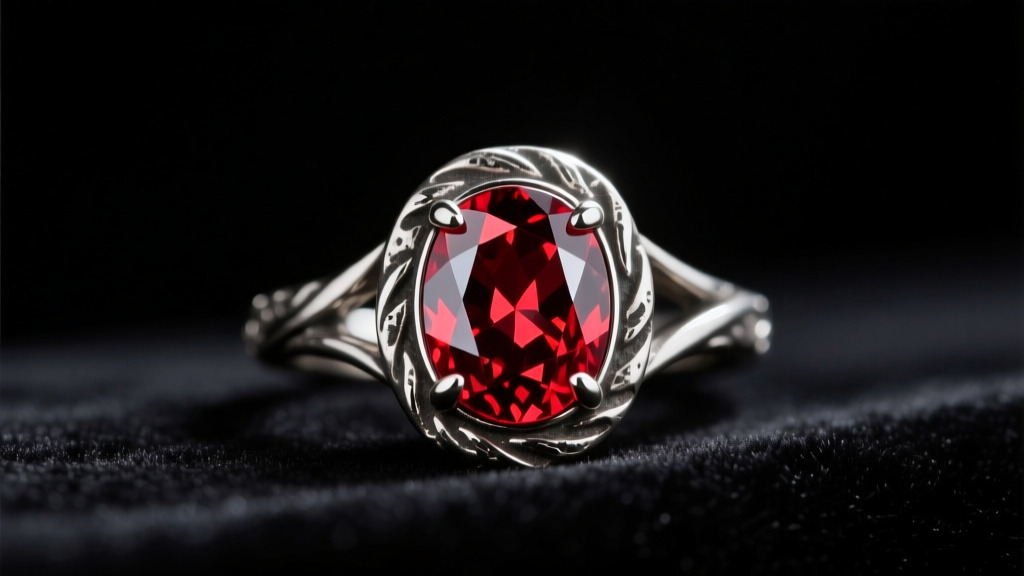
When high-end collectors and gemologists discuss the rarest stones on Earth, the conversation inevitably turns to the Argyle mine in Western Australia. For decades, this single location produced over 90% of the world's pink and red diamonds. However, following its permanent closure in 2020, the market experienced a seismic shift. Today, we face what industry insiders call 'red diamond jewelry oblivion'—a phenomenon where natural, gem-quality red diamonds are purchased almost exclusively by private investors and immediately locked away in secure vaults, effectively vanishing from the public retail market.
For the luxury gift-giver in 2026, this 'oblivion' presents a unique challenge. If you are searching for a milestone gift that defies time and trends, acquiring a natural Fancy Red diamond is no longer a simple matter of visiting a high-street jeweler. It requires navigating elite auction houses, private brokerages, and a secondary market where stones rarely see the light of day. But fear not: whether you are seeking a natural rarity, a scientifically identical lab-grown marvel, or a visually striking alternative, this guide will help you match the perfect crimson gem to your specific occasion.
Occasion Matching: When to Gift the Rarest Gem on Earth
Red diamonds are not your standard anniversary gift. Their intense, saturated hue and astronomical value reserve them for the most significant life milestones. Here is how to match these rare gems to the right occasion:
- The 40th Anniversary (Traditional Ruby): While ruby is the traditional choice, a red diamond is the ultimate modern upgrade. A lab-grown Fancy Red diamond offers the exact same Mohs 10 hardness and brilliance, but with a rarity factor that dwarfs even the finest Burmese rubies.
- Landmark Birthdays (50th, 60th): For a partner who 'has everything,' a bespoke red diamond piece set in rose gold with black diamond halos speaks to a sophisticated, avant-garde taste.
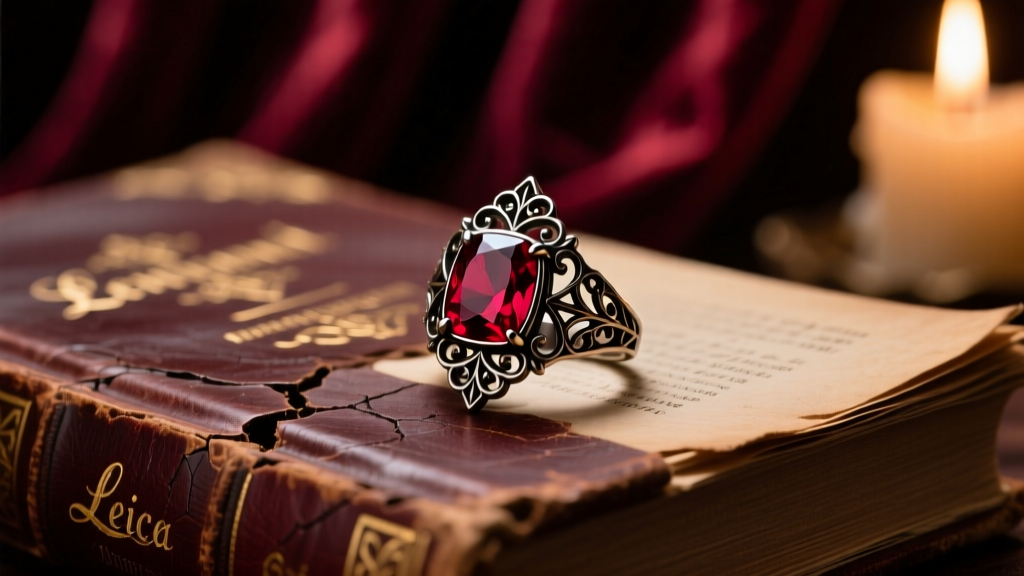
- The 'Oblivion' Aesthetic (Fantasy & Gaming Fans): For the niche collector who loves dark fantasy, gothic literature, or immersive RPGs like The Elder Scrolls, a red gem set in oxidized, antiqued metals captures a mystical, 'lost to time' aesthetic that standard bright jewelry cannot replicate.
The 2026 Market Reality: Natural vs. Lab-Grown vs. Alternatives
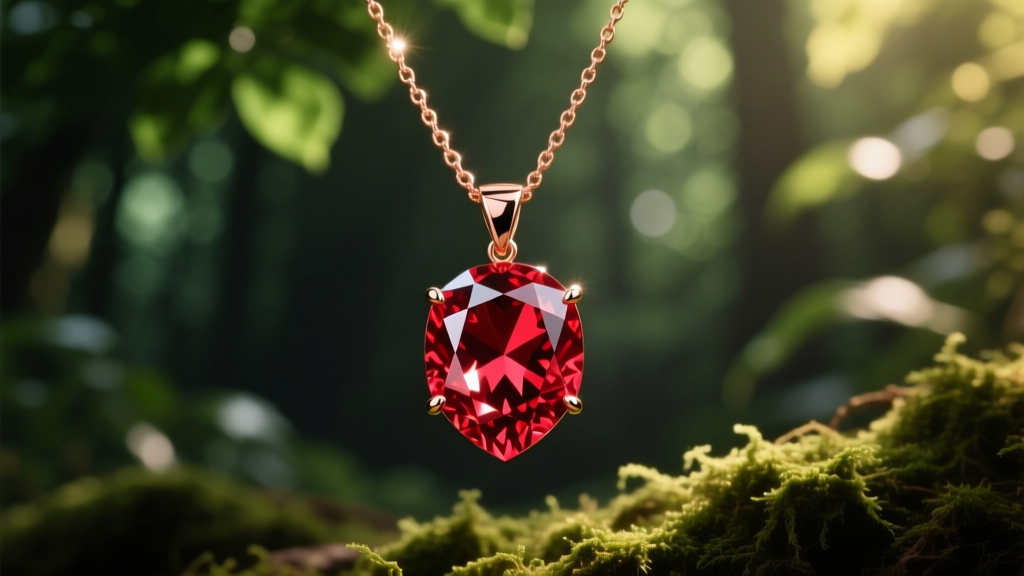
To navigate the market, you must understand the stark differences in pricing, origin, and availability. The table below breaks down the primary options for red gemstone jewelry in today's landscape.
| Gemstone Type | Origin / Creation | Approx. Price per Carat (2026) | Mohs Hardness | Gift Availability |
|---|---|---|---|---|
| Natural Red Diamond | Mined (Argyle legacy, Brazil) | $1,000,000 - $3,000,000+ | 10 | Extremely Rare (Auction only) |
| Lab-Grown Red Diamond | CVD with post-growth irradiation | $4,000 - $9,000 | 10 | Moderate (Specialty cutters) |
| Red Spinel | Mined (Myanmar, Tanzania) | $2,000 - $15,000 | 8 | Good (High-end jewelers) |
| Burmese Ruby (Pigeon Blood) | Mined (Myanmar) | $50,000 - $150,000+ | 9 | Rare (Estate & Luxury houses) |
The Science of Lab-Grown Red Diamonds
Because natural red diamonds are trapped in the aforementioned 'oblivion' of private vaults, lab-grown alternatives have become the savior for wearable red diamond jewelry. According to the Gemological Institute of America (GIA), creating a true red hue in a lab-grown diamond is one of the most complex feats in gemological science. It typically involves growing a near-colorless or slightly brownish diamond via Chemical Vapor Deposition (CVD), followed by a highly controlled process of irradiation and annealing. This alters the crystal lattice, creating the GR1 and NV centers that absorb specific light wavelengths, resulting in a vivid red hue. When gifting a lab-grown red diamond, you are giving a stone that is chemically, physically, and optically identical to a natural one, but accessible enough to be worn and admired rather than hidden away.
Ethical Sourcing in the Post-Argyle Landscape
With the legendary Argyle mine closed, the provenance of natural colored diamonds has become a complex web. For the ethically conscious gift-giver in 2026, the 'oblivion' of natural red diamonds is actually a blessing in disguise. It has accelerated the adoption of lab-grown alternatives, which carry zero environmental degradation and no human rights concerns associated with unregulated artisanal mining. When you gift a CVD-created red diamond, you are providing a stone with a 100% transparent supply chain. If you insist on a natural alternative like red spinel, seek out vendors who source from traceable mines in Tanzania's Mahenge region, where ethical labor practices and environmental reclamation are increasingly prioritized.
Embracing the 'Oblivion' Aesthetic: Bespoke Settings
If the term 'red diamond jewelry oblivion' evokes a sense of dark romance, ancient magic, or fantasy lore, lean into that aesthetic with your setting choice. The contrast of a vivid red stone against dark, textured metals is a massive trend in 2026 bespoke jewelry.
- Oxidized Sterling Silver & Platinum: Darkening the metal through controlled oxidation creates a gothic, ancient artifact look. A red spinel or lab-grown red diamond set in a bezel of blackened platinum looks like a relic pulled from a fantasy realm.
- Black Diamond Halos: Surrounding the central red gem with a micro-pavé halo of natural black diamonds amplifies the crimson saturation and adds a moody, dramatic edge.
- Signet and Crest Rings: For a masculine or gender-neutral gift, a flat-cut red diamond set into a heavy, hand-engraved signet ring offers a powerful, aristocratic vibe that feels both historical and fiercely modern.
Care, Maintenance, and Authentication
A gift of this magnitude requires proper stewardship. While natural and lab-grown diamonds boast a Mohs hardness of 10, making them impervious to scratching, the settings and alternative stones require specific care. Red spinel (Mohs 8) and ruby (Mohs 9) can accumulate micro-abrasions if stored loosely with diamonds. Furthermore, if you purchase a naturally occurring diamond that has been artificially irradiated to enhance its red hue (a common practice for lower-tier natural stones), you must avoid ultrasonic cleaners and high-heat jewelry repairs, as heat can alter the color centers and shift the stone's hue to brown or yellow. Always clean your red diamond jewelry using a simple solution of warm water, a few drops of ammonia-free dish soap, and a soft-bristled baby toothbrush. Rinse thoroughly and dry with a lint-free microfiber cloth to maintain the stone's fiery brilliance.
Whether you are spending $8,000 on a lab-grown marvel or $100,000 on a rare natural alternative like a top-tier red spinel, documentation is non-negotiable. Never purchase red diamond jewelry without a comprehensive grading report. For natural stones, the GIA Color Origin Report is mandatory to prove the stone's red hue is natural and not the result of artificial treatment. For lab-grown diamonds, ensure the certificate explicitly states the post-growth treatment processes used to achieve the color. Reputable laboratories like GIA and the American Gem Society (AGS) provide the transparency needed to ensure your investment retains its value and its story, rather than fading into the unverified abyss of the secondary market.
Final Gifting Verdict for 2026
The concept of red diamond jewelry oblivion is a testament to the extreme rarity and desirability of these stones. While natural red diamonds may remain locked away in the vaults of billionaires, the modern gift-giver has incredible alternatives. A lab-grown red diamond offers the ultimate combination of geological authenticity, ethical sourcing, and wearable luxury. Paired with a bespoke, fantasy-inspired setting, it transforms from a mere accessory into a legendary artifact—a gift that will never be forgotten, and certainly never fade into oblivion.