How to Clean, Style, and Authenticate Blue Quartz Jewelry
Learn how to properly clean, authenticate, and style blue quartz jewelry with our expert step-by-step guide for lasting brilliance and care.

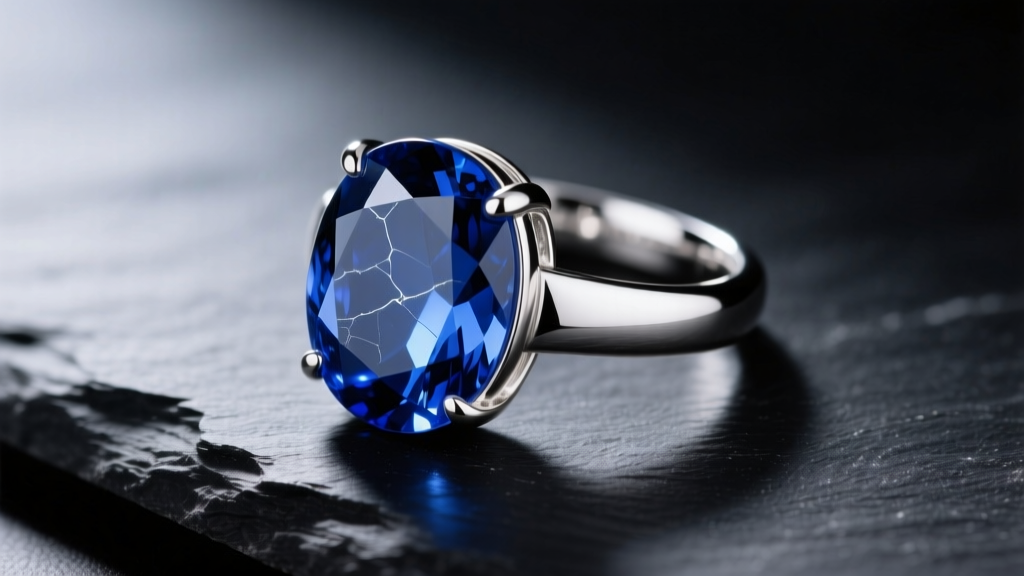
The 2026 Blue Quartz Market: What You Need to Know
As we navigate the 2026 gemstone market, the popularity of blue quartz jewelry has surged, driven by a growing consumer interest in both aesthetic versatility and metaphysical properties. However, this spike in demand has also led to a proliferation of treated, dyed, and synthetic alternatives. True, naturally occurring blue quartz is exceptionally rare in its transparent form; most natural specimens derive their striking denim or slate-blue hues from microscopic inclusions of minerals like dumortierite, crocidolite, or tourmaline. Understanding the exact nature of your stone is the critical first step before attempting any cleaning or maintenance. According to the Gemological Institute of America (GIA), quartz possesses a Mohs hardness of 7 and a specific gravity of 2.65, making it relatively durable for daily wear, yet highly susceptible to damage if the wrong cleaning protocols are applied to dyed or heavily included stones.
How to Authenticate Your Blue Quartz Jewelry
Before you submerge your jewelry in any cleaning solution, you must determine whether your blue quartz is natural or color-treated. Dyed quartz is created by fracturing clear or milky quartz, soaking it in a chemical dye, and then sealing it. This process fundamentally alters how the stone reacts to heat, chemicals, and ultrasonic vibrations.
The Visual Inspection Test
Natural blue quartz containing dumortierite inclusions will typically appear opaque or semi-translucent with a fibrous, almost denim-like texture. If your stone is perfectly transparent with a uniform, neon, or hyper-saturated blue color, it is almost certainly dyed or hydrothermally grown. Use a 10x jeweler's loupe to examine the surface and internal structures.
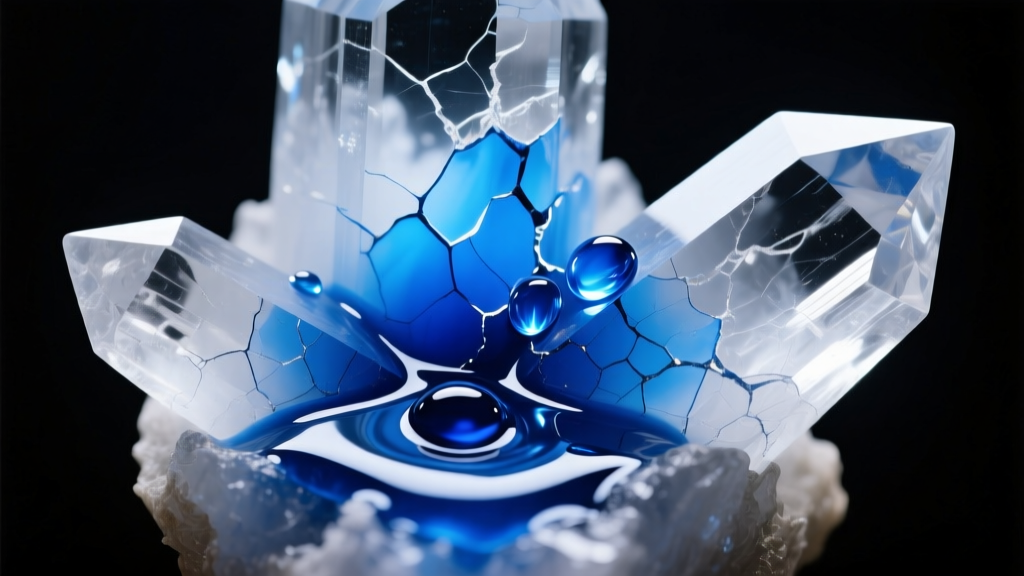
Look closely at the internal fracture lines. In dyed blue quartz jewelry, you will notice concentrated pools of dark blue pigment trapped within the microscopic cracks and fissures of the stone. Natural inclusions, conversely, will look like distinct, needle-like fibers or golden-brown streaks (in the case of crocidolite) suspended within the crystal matrix. The Mindat.org Mineral Database provides extensive visual references for these natural quartz inclusion patterns, which are invaluable for at-home authentication.
The Acetone Swab Test
If visual inspection is inconclusive, you can perform a gentle acetone test. Dip a cotton swab in pure, cosmetic-grade acetone (nail polish remover) and rub it firmly against an inconspicuous area of the stone, such as the back of a cabochon or a hidden facet near the setting. If the cotton swab picks up a blue tint, your stone has been surface-dyed. Do not proceed with standard liquid cleaning methods, as water and soap will eventually strip the remaining dye.
Step-by-Step Cleaning Guide for Blue Quartz
Once you have confirmed that your blue quartz jewelry is either natural or securely sealed, you can proceed with a deep clean. This method is optimized for removing skin oils, cosmetic buildup, and environmental dust without compromising the polish or the metal setting.
- Pre-Clean Dusting: Use a dry, lint-free microfiber cloth to gently wipe away loose surface dust. This prevents scratching the stone's surface during the wet washing phase, as trapped silica dust particles can act like sandpaper against the metal setting.
- Prepare the Solution: Fill a small glass bowl with lukewarm distilled water. Add exactly two drops of a mild, ammonia-free dish soap (such as original blue Dawn). Avoid hot water, as sudden thermal shock can cause internal fractures in heavily included natural quartz.
- The Soak: Submerge your blue quartz jewelry in the solution for exactly 5 to 7 minutes. This is sufficient time to loosen sebum and lotion buildup without risking the integrity of any adhesive used in cluster or pave settings.
- Gentle Agitation: Using an extra-soft baby toothbrush or a dedicated makeup brush, gently sweep the bristles around the prongs, the gallery (the underside of the setting), and the surface of the stone. Always brush in a circular motion, applying zero downward pressure.
- Rinse and Dry: Rinse the piece thoroughly under a gentle stream of lukewarm distilled water. Pat dry with a clean microfiber cloth, and allow it to air dry completely on a paper towel for 15 minutes before storing or wearing.
Cleaning Safety Matrix: What to Avoid
Not all cleaning methods are safe for every type of quartz. Use the matrix below to determine the safety of various commercial cleaning techniques for your specific blue quartz jewelry.
| Cleaning Method | Natural Included Quartz | Dyed / Treated Quartz | Risk Factors |
|---|---|---|---|
| Warm Soapy Water | Safe | Safe (if sealed) | None, provided water is not hot. |
| Ultrasonic Cleaner (40kHz) | Risky | Unsafe | Vibrations can shatter included stones or shake dye loose from fractures. |
| Steam Cleaning | Unsafe | Unsafe | Thermal shock causes micro-fractures; heat melts dye sealants. |
| Ammonia / Bleach | Unsafe | Unsafe | Corrodes metal settings; strips chemical dyes and damages polish. |
| Commercial Silver Dip | Unsafe | Unsafe | Acidic nature etches the quartz surface and dulls the luster. |
Styling Blue Quartz: Metal Pairings & Wardrobe Integration
The cool, calming tones of blue quartz jewelry make it a remarkably versatile accessory, but the choice of metal setting dramatically alters its visual impact and the appropriate wardrobe pairings.

- Sterling Silver & White Gold: These cool-toned metals enhance the icy, ethereal qualities of light blue quartz. This pairing is ideal for minimalist, everyday wear and pairs beautifully with crisp whites, greys, and navy blues. Silver is prone to tarnishing, so regular polishing of the metal (avoiding the stone) is required.
- Yellow Gold: A 14k or 18k yellow gold setting creates a striking, high-contrast aesthetic against denim-blue or deep slate quartz. This combination leans vintage or bohemian and works exceptionally well with earth tones, warm knits, and autumn wardrobes.
- Rose Gold: The subtle pinkish hue of rose gold provides a soft, romantic contrast to the cool blue of the stone. This is a highly sought-after pairing in modern engagement rings and right-hand rings, offering a unique alternative to traditional diamonds or sapphires.
Long-Term Storage and Maintenance
While quartz ranks at a respectable 7 on the Mohs hardness scale, it is not impervious to damage. It is softer than topaz (8), corundum (9), and diamond (10). Storing your blue quartz jewelry in a communal jewelry box where it rubs against sapphire or diamond pieces will result in severe surface scratching and a loss of polish over time.
Always store your blue quartz pieces individually in soft, anti-tarnish flannel pouches or lined jewelry boxes. If your jewelry features sterling silver, include a silica gel packet or an anti-tarnish strip in the storage pouch to absorb ambient moisture and sulfur compounds that cause silver to blacken. Finally, adhere to the golden rule of jewelry wear: your blue quartz jewelry should be the last thing you put on when getting dressed, and the first thing you take off when returning home, protecting it from harsh perfumes, hairsprays, and household cleaning agents.
Expert Tip: If your natural blue quartz jewelry loses its luster over years of wear, do not attempt to buff it at home with commercial polishing compounds. Take it to a certified lapidary who can safely re-polish the stone using specialized cerium oxide compounds without damaging the metal setting or altering the stone's precise faceting.


