Expert Care and Cleaning Tips for Canela Amethyst Jewelry
Learn expert care, maintenance, and cleaning tips for Canela amethyst jewelry. Protect your Brazilian gemstones from fading, scratches, and damage.

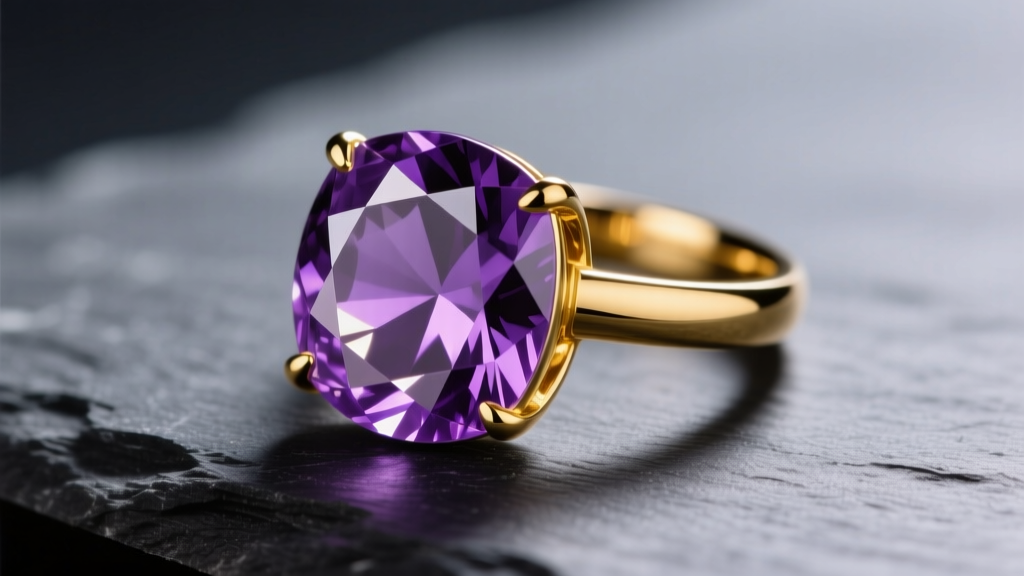
Canela amethyst jewelry is celebrated for its mesmerizing, deep violet hues and exceptional clarity. Sourced primarily from the famous basalt-hosted geode deposits in Canela, Rio Grande do Sul, Brazil, these gemstones possess a unique geological fingerprint. However, owning such a striking piece of crystal jewelry comes with specific maintenance responsibilities. While amethyst is a durable quartz variety, improper cleaning methods can dull its brilliance, damage its setting, or even alter its iconic color. In this comprehensive guide, we explore the exact protocols for cleaning, storing, and maintaining your Canela amethyst jewelry to ensure it remains vibrant for generations.
The Geology of Canela Amethyst and Its Care Implications
To properly care for Canela amethyst jewelry, you must first understand its physical properties. According to the Mindat.org mineral database, amethyst is a macrocrystalline variety of quartz (SiO2) with a Mohs hardness of 7. This makes it highly resistant to everyday scratches from dust and common metals. However, the deep purple coloration of Brazilian Canela amethyst is caused by trace amounts of iron (Fe3+) and natural gamma irradiation within the earth's crust.
This specific color center is vulnerable to extreme heat and prolonged ultraviolet (UV) exposure. If exposed to temperatures exceeding 300°C (572°F), the iron impurities can oxidize, permanently shifting the stone's color to a yellowish-brown or pale green. Furthermore, Brazilian amethysts frequently contain microscopic liquid inclusions and internal stress fractures. These natural fingerprints, while proof of authenticity, make the stone highly susceptible to thermal shock and ultrasonic vibrations.
Daily Wear Hazards: What Degrades Brazilian Amethyst
Maintaining the pristine condition of your Canela amethyst jewelry requires avoiding common environmental hazards. The most insidious threat to amethyst is prolonged exposure to direct sunlight. Wearing an amethyst ring during a beach vacation or leaving it on a sunlit windowsill will cause the UV rays to break down the color centers, leading to irreversible fading.
Chemical exposure is another major concern. Household cleaners containing bleach or hydrofluoric acid can etch the surface of the quartz, leaving a permanent milky haze. Similarly, everyday cosmetics, hairsprays, and lotions can create a stubborn, greasy film on the pavilion (the underside) of the stone. This film drastically reduces the stone's refractive index, making a brilliant Canela amethyst look dull and lifeless. Always adhere to the "last on, first off" rule: put your jewelry on after applying makeup and perfumes, and remove it before showering or cleaning.
The Ultimate Step-by-Step Wet Cleaning Protocol
For routine maintenance, a gentle wet cleaning is the safest and most effective method to restore your jewelry's brilliance. The Gemological Institute of America (GIA) recommends mild, non-abrasive approaches for quartz varieties. Follow this exact protocol every two to four weeks, depending on how often you wear the piece.
Materials Needed:
- Distilled water (tap water contains calcium and magnesium that leave hard water spots)
- pH-neutral, unscented dish soap (avoid soaps with heavy moisturizers or citrus degreasers)
- An extra-soft baby toothbrush or a specialized goat-hair jewelry brush
- A clean, lint-free microfiber cloth
The Process:
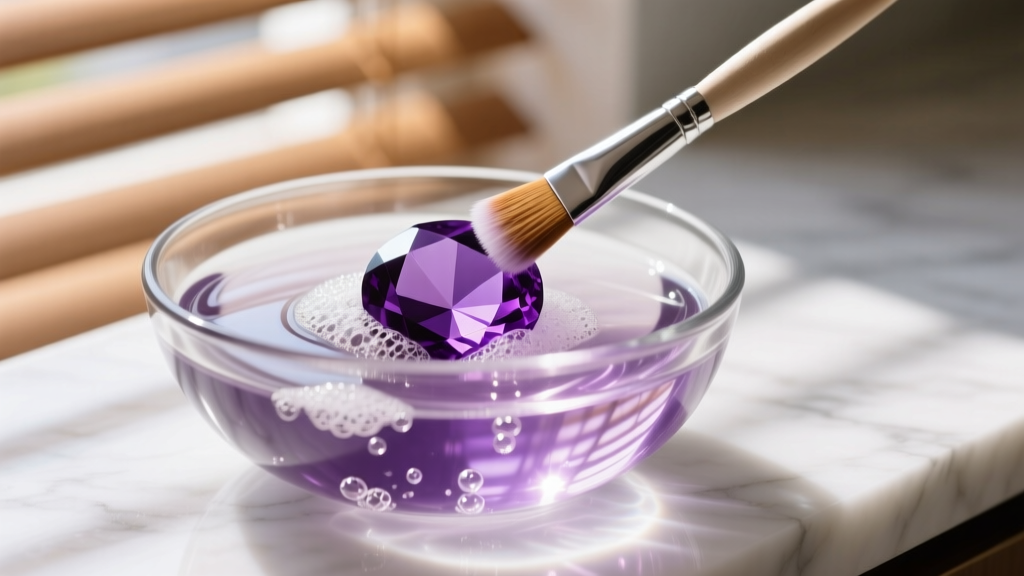
- Prepare the Solution: Mix a few drops of the pH-neutral soap into a small glass bowl of lukewarm distilled water. Never use hot water, as sudden temperature shifts can cause internal fractures to expand and shatter the stone.
- Soak Briefly: Submerge the Canela amethyst jewelry for exactly 3 to 5 minutes. This loosens sebum, dead skin cells, and cosmetic buildup trapped beneath the stone's girdle and within the prongs.
- Gentle Agitation: Using the soft brush, gently sweep the bristles across the stone's crown and carefully reach under the setting to clean the pavilion. Use light, circular motions; do not scrub aggressively.
- Rinse Thoroughly: Rinse the piece under a gentle stream of lukewarm distilled water. Ensure the drain is securely plugged to prevent accidental loss.
- Dry and Polish: Pat the jewelry dry with the microfiber cloth. Use a soft cotton swab to absorb any remaining moisture trapped between the gemstone and the metal setting, preventing metal oxidation.
Canela Amethyst Cleaning Methods Comparison
Not all jewelry cleaning methods are safe for quartz. Below is a definitive guide to various cleaning technologies and their safety ratings for Canela amethyst jewelry.
| Cleaning Method | Safety Rating | Expert Notes & Risks |
|---|---|---|
| Mild Soap & Distilled Water | Highly Safe | The gold standard for routine home care. Removes oils without risking structural or chemical damage. |
| Ultrasonic Cleaners | Dangerous | High-frequency vibrations can easily shatter Canela amethysts that possess natural liquid inclusions or internal stress fractures. |
| Steam Cleaners | Dangerous | Thermal shock from sudden, intense heat can cause the stone to fracture or permanently alter its color centers. |
| Commercial Dip Cleaners | Moderate Risk | Often contain harsh ammonia or abrasives that can strip the polish from the metal setting and degrade fracture-filled stones. |
| Salt Water Soaks | Avoid | Salt is mildly abrasive and highly corrosive to sterling silver and lower-karat gold settings commonly paired with amethyst. |
Energetic Cleansing Without Damaging the Crystal
For those who wear Canela amethyst jewelry for its metaphysical properties—often associated with tranquility, intuition, and the third eye chakra—energetic cleansing is just as important as physical cleaning. However, many popular crystal cleansing methods are physically destructive to the stone.
Never use direct sunlight to charge your amethyst; as previously noted, UV radiation will bleach the purple color centers. Avoid salt beds or saltwater rinses, as salt crystals can scratch the stone's polish and severely tarnish sterling silver settings. Instead, opt for safe energetic alternatives. Place your jewelry in a bowl of dry, uncooked brown rice overnight to absorb negative energy, or utilize sound healing frequencies from a singing bowl or tuning fork (specifically 432 Hz or 528 Hz). If you prefer lunar charging, leaving the piece on a windowsill during a full moon is entirely safe, as moonlight lacks the UV intensity required to degrade the stone's color.
Proper Storage and Setting Maintenance
How you store your Canela amethyst jewelry when it is not being worn dictates its long-term physical integrity. Because amethyst sits at a 7 on the Mohs scale, it can be easily scratched by harder gemstones such as diamonds (10), sapphires (9), and topaz (8). Always store your amethyst pieces individually in soft, anti-tarnish flannel pouches or lined jewelry boxes.
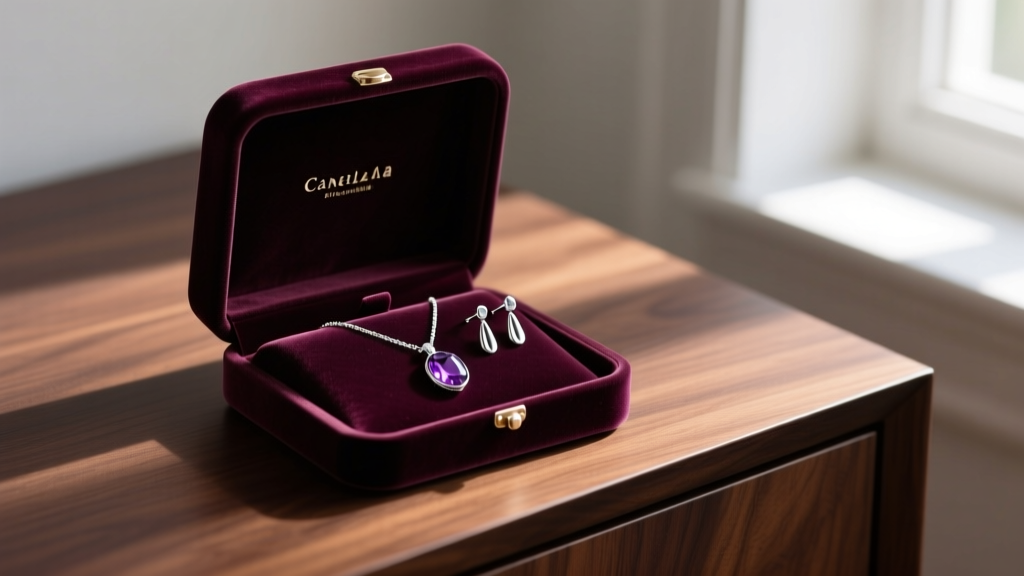
Furthermore, pay close attention to the metal setting. Canela amethyst is frequently set in 925 sterling silver or 14k gold. Silver is highly prone to sulfur-induced tarnishing. Place a piece of activated charcoal or a commercial anti-tarnish strip (such as 3M Silver Protector) inside your jewelry box to absorb airborne sulfur compounds. Every six months, inspect the prongs holding the amethyst. Quartz is relatively heavy, and daily impacts against desks or doorframes can bend soft silver prongs, risking the loss of the stone. If you notice the stone rattling or catching on fabrics, take it to a professional jeweler for a prong retipping and ultrasonic metal polish—ensuring the jeweler knows to remove the stone before using any ultrasonic or steam equipment on the setting.


