How to Clean Turquoise Jewelry: Natural vs Stabilized
Learn how to clean turquoise jewelry safely. Compare natural, stabilized, and dyed stone properties to avoid damage and restore vibrant color.

The Mineralogy of Turquoise: Why Cleaning is Complex
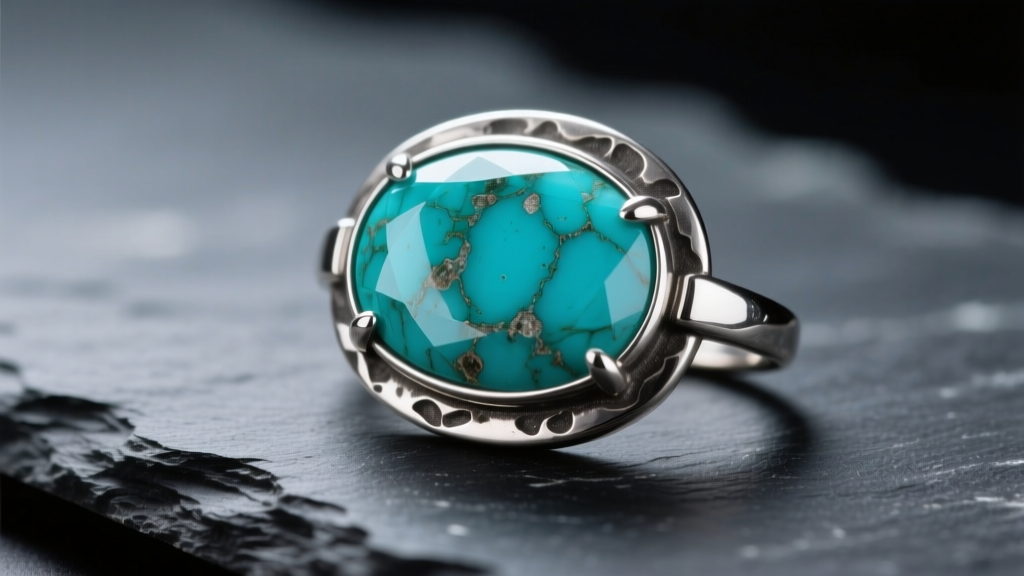
Understanding how to clean turquoise jewelry requires a foundational grasp of its mineralogy. Turquoise is a hydrous phosphate of copper and aluminum, with the chemical formula CuAl6(PO4)4(OH)8·4H2O. According to the Mindat mineral database, it ranks between 5 and 6 on the Mohs hardness scale, making it significantly softer than quartz (7) or diamond (10). However, hardness is only half the equation; porosity is the primary concern for gemologists and jewelers.
Because turquoise forms in arid environments through the percolation of acidic aqueous solutions, its crystalline structure is inherently micro-porous. This means untreated turquoise acts like a microscopic sponge, readily absorbing oils, lotions, acids, and water. When you attempt to clean this stone using standard jewelry methods—like ultrasonic baths or commercial silver dips—you risk irreversible chemical alteration, color bleeding, and structural fracturing.
Natural vs. Stabilized vs. Dyed: A Property Comparison
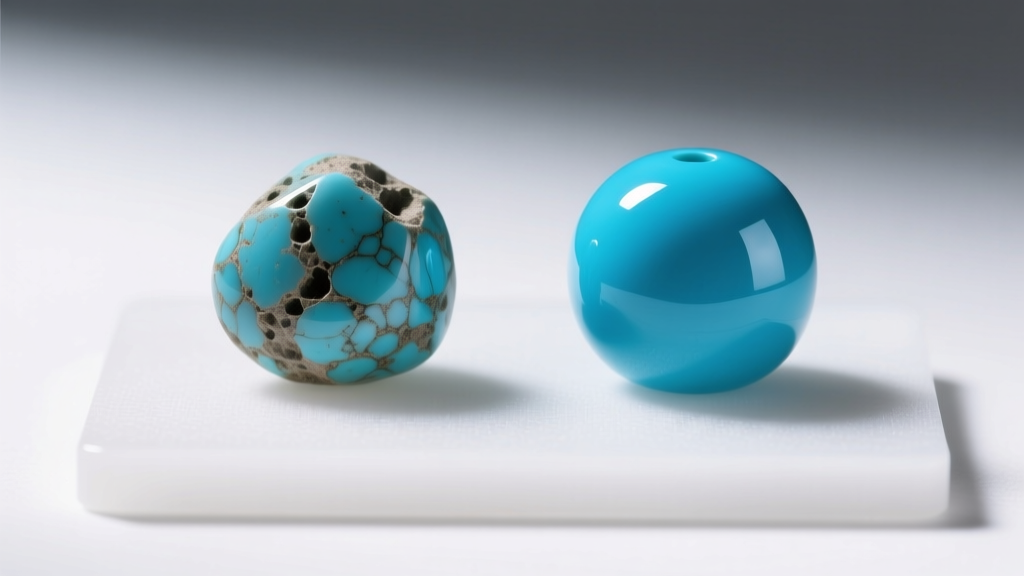
Before applying any cleaning protocol, you must identify the treatment level of your stone. The Gemological Institute of America (GIA) categorizes turquoise into several treatment types, each dictating a completely different approach to maintenance and cleaning.
| Treatment Type | Porosity Level | Mohs Hardness | Primary Cleaning Risk | Recommended Method |
|---|---|---|---|---|
| Natural (Untreated) | High | 5.0 - 6.0 | Staining, chemical etching, waterlogging | Dry microfiber wipe only |
| Stabilized (Epoxy/Resin) | Low (Sealed) | 6.0 - 7.0 | Solvent melting, heat damage | Mild pH-neutral soap & damp cloth |
| Zachery Treated | Low (Potassium infused) | 5.5 - 6.5 | Harsh alkaline degradation | Damp cloth, avoid prolonged soaking |
| Dyed / Reconstituted | Variable | 4.0 - 6.0 | Color bleeding, binder dissolution | Strictly dry polishing |
How to Clean Turquoise Jewelry: Step-by-Step Protocols
Because turquoise is frequently set in sterling silver (particularly in Navajo, Zuni, and Hopi jewelry), cleaning the piece requires a dual approach: addressing the stone's fragility while safely removing tarnish from the metal setting. Below are the exact protocols based on your stone's treatment.
Protocol A: Untreated Natural Turquoise
Natural turquoise is highly prized by collectors but requires the most restrictive care. Never submerge natural turquoise in water. Water can seep into the micro-fissures, altering the stone's refractive index and causing it to turn a dull, muddy green over time.
- Dry Wipe: Use a clean, untreated microfiber cloth to gently buff the surface of the stone after every wear to remove skin oils and sebum.
- Soft Brushing: If dirt is trapped in the matrix (the brown or black host rock webbing), use an extra-soft, dry baby toothbrush to gently sweep the crevices.
- Silver Polishing: To clean the surrounding sterling silver, use a treated silver polishing cloth (like a Sunshine cloth). Carefully fold the cloth to reach the silver bezel, ensuring the chemical polishing agents on the cloth do not transfer onto the porous turquoise.
Protocol B: Stabilized and Enhanced Turquoise
Stabilized turquoise has been infused with a clear epoxy or polymer resin under pressure, sealing its pores and enhancing its color and durability. This makes up roughly 90% of the turquoise on the commercial market.
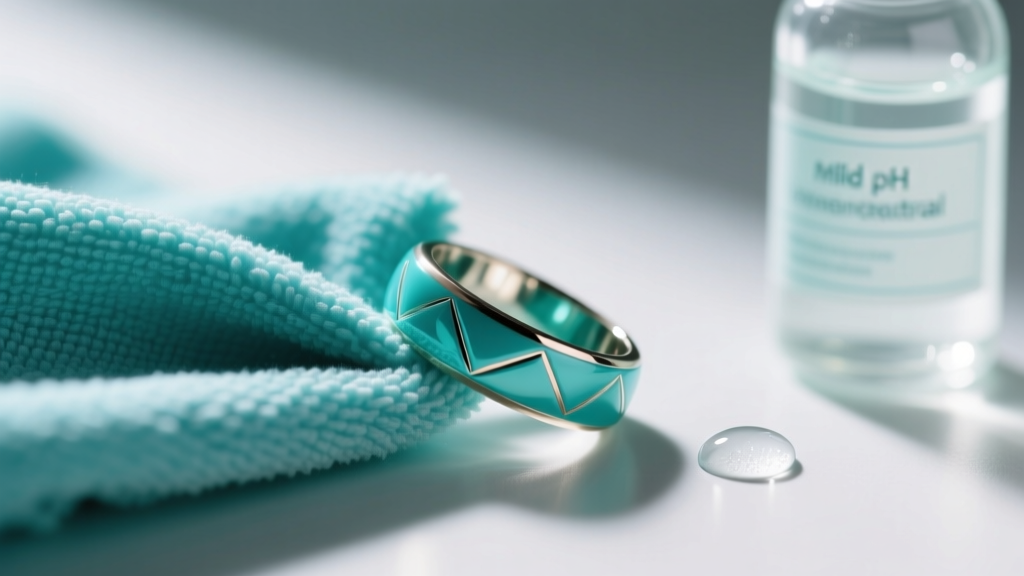
- The Damp Wipe: Mix a single drop of pH-neutral, fragrance-free dish soap (like Dawn Free & Clear) into a bowl of distilled water. Distilled water is crucial, as tap water contains chlorine and heavy metals that can leave microscopic deposits.
- Targeted Application: Dip a soft cotton swab or microfiber cloth into the solution, wringing it out until it is only slightly damp—not dripping.
- Gentle Cleansing: Wipe the surface of the stabilized turquoise gently. Do not scrub.
- Immediate Drying: Immediately dry the stone and the silver setting with a separate, dry microfiber cloth to prevent water spots on the metal and moisture ingress into any unsealed drill holes.
Protocol C: Deep Cleaning the Silver Setting (Electrochemical Method)
If your turquoise jewelry features heavy silver tarnish that a polishing cloth cannot reach, you can use an electrochemical reaction. Warning: The turquoise must remain 100% dry during this process.
- Line a glass bowl with aluminum foil (shiny side up).
- Add 1 tablespoon of baking soda and 1 tablespoon of non-iodized salt.
- Pour boiling water into the bowl to activate the solution.
- Using a pair of silicone-tipped tweezers, dip only the silver parts of the jewelry into the solution for 10 to 15 seconds. Keep the turquoise cabochon completely above the water line.
- The ion exchange will instantly transfer the silver sulfide (tarnish) from the silver to the aluminum foil.
- Rinse the silver portion under distilled water, avoiding the stone, and pat dry immediately.
The 'Never Use' List: Chemicals That Destroy Turquoise
To protect the structural integrity and color of your gemstone, you must strictly avoid the following cleaning agents and methods:
- Ultrasonic Cleaners: The high-frequency acoustic cavitation bubbles created by ultrasonic cleaners will shatter the internal matrix of natural turquoise and can fracture stabilized stones along their drill holes.
- Steam Cleaners: Sudden thermal shock will cause the stone to crack. Furthermore, heat can melt or cloud the polymer resins used in stabilized turquoise.
- Commercial Silver Dips: Liquid silver cleaners contain thiourea and strong acids (like sulfuric or hydrochloric acid). A single drop on turquoise will permanently etch the surface, leaving a white, chalky burn mark that cannot be polished out.
- Ammonia and Bleach: These harsh alkaline and oxidative agents will break down the copper bonds in the stone, causing rapid and irreversible color loss.
- Baking Soda Paste: While baking soda is great for silver, its Mohs hardness is around 2.5, and its crystalline structure is abrasive. Rubbing it on turquoise will leave microscopic scratches that dull the stone's polish over time.
Long-Term Storage and Hydration Myths
A persistent myth in vintage jewelry circles suggests that if natural turquoise becomes dry or chalky, it should be 'rehydrated' by soaking in water or rubbing with baby oil. This is entirely false and highly destructive. Oil will trap dirt inside the pores, turning the stone permanently dark and greasy, while water soaking will weaken the host rock matrix.
Proper storage is the best preventative maintenance. Store turquoise jewelry in a soft, anti-tarnish flannel pouch. Keep it away from direct sunlight and extreme heat, which can dehydrate the stone's natural water content (remember, it is a hydrous phosphate), leading to surface checking (fine cracks). Always put your turquoise jewelry on after applying perfumes, hairsprays, and sunscreens, and take it off before swimming in chlorinated pools or the ocean.
Frequently Asked Questions
Can I use a silver polishing cloth directly on the turquoise?
No. Silver polishing cloths are impregnated with microscopic abrasives and chemical tarnish removers. If rubbed against the stone, these chemicals will embed themselves into the porous surface of untreated turquoise, causing localized discoloration. Always fold the cloth to target only the metal.
How do I remove sunscreen or lotion from my turquoise ring?
If sunscreen gets on a stabilized stone, use the damp cloth protocol with pH-neutral soap immediately. If it gets on a natural stone, use a dry, clean microfiber cloth to absorb as much of the oil as possible. If a greasy film remains, a professional jeweler may need to gently buff the surface with a specialized, non-chemical gemstone polishing pad.
Why is my turquoise turning green?
Turquoise contains copper (which makes it blue) and iron or aluminum (which contribute to green hues). When natural turquoise is exposed to prolonged contact with skin oils, sweat, and cosmetics, the oils penetrate the pores and alter the stone's light refraction, often making it appear greener or darker. This is a natural patina process in untreated stones and is highly valued in vintage Native American jewelry, but it is irreversible.


