Material Guide to Making Shell Jewelry: Organic Gem Properties
Discover the material properties of organic shell gems. Learn lapidary techniques, drilling methods, and species comparisons for making shell jewelry.

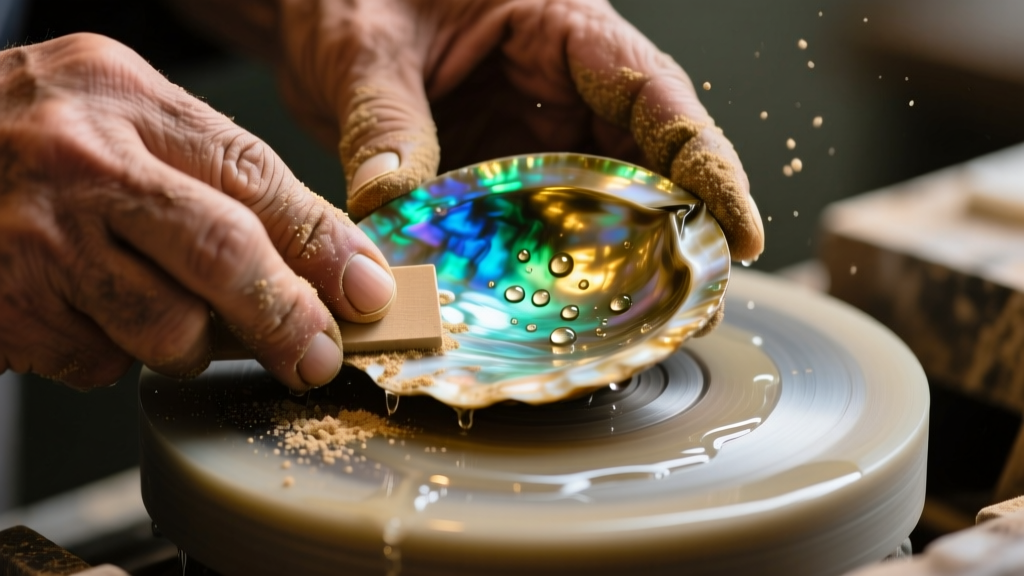
Shells as Organic Gemstones: Beyond the Beach
When jewelers and lapidaries approach the art of making shell jewelry, they are not merely crafting with beachcombing souvenirs; they are working with complex organic gemstones. Much like pearls, coral, and amber, shells are biogenic minerals. To achieve professional, durable results, a deep understanding of their structural mineralogy, hardness, and cleavage patterns is essential. Unlike crystalline gemstones such as quartz or beryl, shells are composite materials, requiring specialized fabrication techniques to prevent delamination, thermal shock, and structural failure.
According to the GIA Gem Encyclopedia, organic gem materials require distinct care and handling protocols due to their biological origins. This guide breaks down the material properties of the most popular jewelry-grade shells, providing actionable lapidary data for artisans and designers.
The Mineralogy of Shells: Nacre vs. Prismatic Layers
A shell is not a uniform block of stone. It is a biomineralized composite primarily consisting of calcium carbonate (CaCO3) bound by an organic protein matrix called conchiolin. Most jewelry-grade bivalves and gastropods feature a dual-layer structure:
- The Prismatic Layer (Outer): Composed of calcite crystals. This layer is generally harder (Mohs 3.0) but more brittle and opaque. It is often ground away during the cabbing process.
- The Nacreous Layer (Inner): Composed of microscopic aragonite platelets. Aragonite is a polymorph of calcium carbonate that forms in orthorhombic crystals. In nacre, these platelets are stacked like bricks with conchiolin mortar, creating the iridescent luster known as orient. Nacre sits at a Mohs hardness of 2.5 to 3.0.
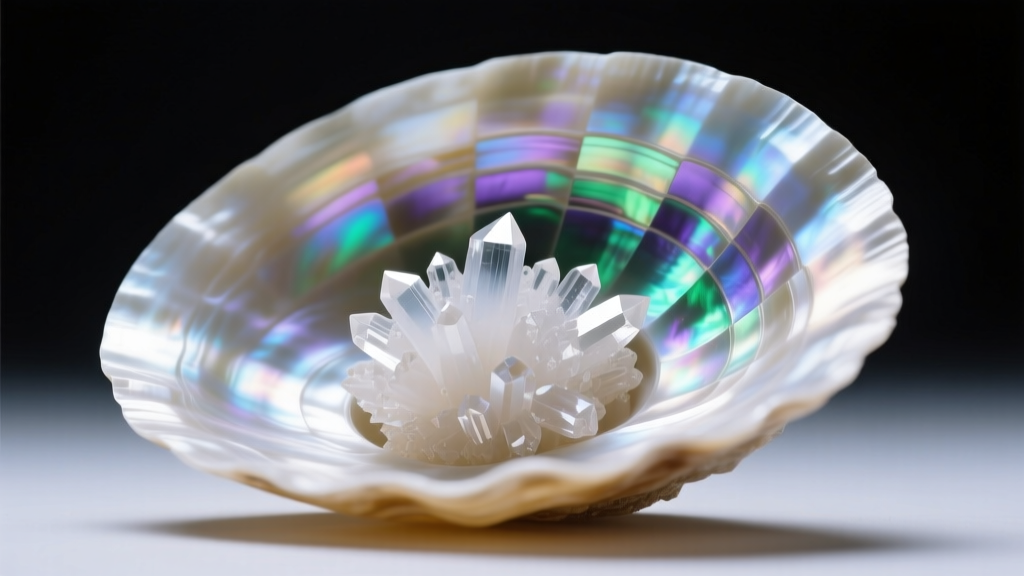
Understanding this stratification is critical when making shell jewelry. If a jeweler cuts too deeply into the outer calcite layer of an abalone shell, they risk exposing dull, chalky material that cannot be polished to a high luster. Conversely, grinding entirely through the nacreous layer will ruin the gem's optical value.
Shell Species Comparison for Jewelry Makers
Not all shells possess the structural integrity required for daily wear. Below is a comparative analysis of the four most prominent organic shell gems used in fine and fashion jewelry.
| Species / Common Name | Mohs Hardness | Specific Gravity | Workability & Cleavage | Best Jewelry Applications |
|---|---|---|---|---|
| Mother of Pearl (Pinctada maxima) | 2.5 - 3.5 | 2.70 - 2.85 | Excellent. Cuts cleanly, minimal delamination if kept cool. | Inlay work, large cabochons, watch dials, button toggles. |
| Abalone (Haliotis rufescens) | 2.5 - 3.0 | 2.70 - 2.80 | Moderate. Highly prone to delamination; requires slow, wet cutting. | Statement pendants, bezel-set rings, intricate inlay. |
| Queen Conch (Lobatus gigas) | 3.0 - 3.5 | 2.75 - 2.85 | Good. Dense cross-lamellar structure holds detail well for carving. | Cameos, carved beads, cabochons showcasing pink flame structure. |
| Cowrie (Cypraea moneta) | 3.0 | 2.70 | Poor for faceting/cabbing. Best left whole or sliced thinly. | Whole-shell pendants, wire-wrapping, lightweight bohemian earrings. |
Workability & Fabrication Challenges
Drilling Protocols
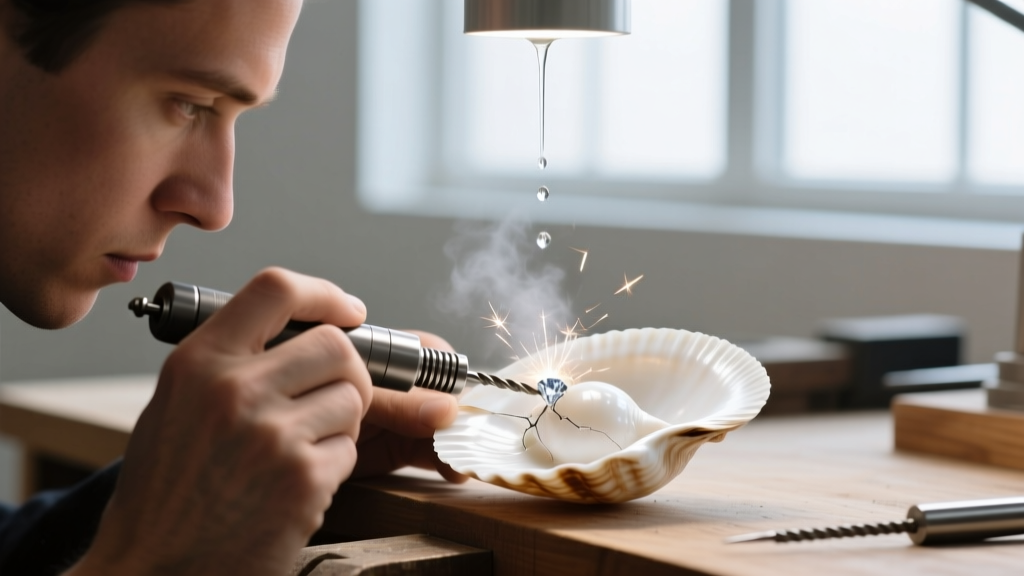
Drilling is the most common point of failure when making shell jewelry. The aragonite platelets can easily chip or "blow out" on the exit hole if improper pressure or tooling is used.
- Tooling: Use diamond-tipped core drills or twist drills ranging from 0.8mm to 2.0mm. Avoid standard HSS (high-speed steel) bits, which will dull instantly and generate excessive friction heat.
- Speed & Pressure: Operate your flex shaft or drill press between 5,000 and 10,000 RPM. Apply light, pulsing pressure. Let the diamond grit do the work.
- Cooling: Never drill dry. Submerge the shell in a shallow water bath or use a continuous drip system. This suppresses dust and prevents the conchiolin matrix from burning, which causes irreversible yellowing and micro-fractures.
Cutting and Shaping
When cutting blanks from raw shell, utilize a lapidary trim saw with a thin-kerf diamond blade (0.020" or 0.025" kerf). Thicker blades waste valuable nacre and generate excessive vibration, which can trigger delamination along the natural growth lines of the shell. Always cut with the nacreous layer facing up to minimize chipping on the visible surface.
Polishing Without Thermal Damage
Shells are highly sensitive to heat. Friction from dry sanding or high-speed buffing wheels will literally cook the organic proteins, leaving a dull, chalky finish that cannot be rehydrated or polished out. Follow a strict wet-sanding progression: 220, 400, 600, and 1200 grit silicon carbide or diamond pads. For the final polish, use a soft muslin wheel charged with cerium oxide or a 1-micron diamond paste, keeping the wheel speed below 800 RPM and applying a generous amount of water or polishing extender fluid.
Health & Safety Protocols in Shell Lapidary
The intersection of organic gemstones and lapidary work introduces specific respiratory hazards. While shells do not contain free silica (eliminating the risk of silicosis associated with agate or quartz), the inhalation of fine calcium carbonate dust and aerosolized conchiolin proteins can cause severe respiratory irritation and conditions similar to byssinosis.
Safety Directive: Always employ wet-cutting and wet-sanding methods to keep particulate matter out of the air. If dry polishing or carving is absolutely necessary, a localized dust extraction system paired with a NIOSH-approved P100 particulate respirator is mandatory.
Setting and Mounting Organic Shell Gems
Because shells lack the crystalline cleavage planes of minerals like topaz or diamond, they do not split cleanly, but they are inherently brittle and vulnerable to point-impact. Prong settings are generally discouraged for shell cabochons unless the stone is exceptionally thick (over 6mm) and backed by a solid metal plate.
Bezel settings are the industry standard for making shell jewelry. A soft, dead-soft sterling silver or 14k gold bezel wire can be pushed over the edge of the shell with minimal downward pressure. For inlay work or doublet construction (where a thin slice of abalone is glued to a black onyx backing to enhance color contrast), use a high-quality, two-part jeweler's epoxy like Devcon 5 Minute. Avoid cyanoacrylate (Super Glue), as it degrades rapidly when exposed to moisture and the natural oils from the wearer's skin, eventually causing the shell veneer to lift and crack.
Conclusion
Treating shells with the same respect and technical rigor as traditional precious gemstones elevates them from casual craft materials to fine jewelry components. By respecting the Mohs hardness of aragonite, mitigating thermal shock during fabrication, and utilizing proper bezel-setting techniques, jewelers can create heirloom-quality organic pieces that capture the iridescent magic of the ocean.