Step-by-Step Guide to Authenticating Real Amber Jewelry
Learn how to authenticate real amber jewelry with our step-by-step testing guide, plus expert tips on cleaning and preserving fossilized resin.

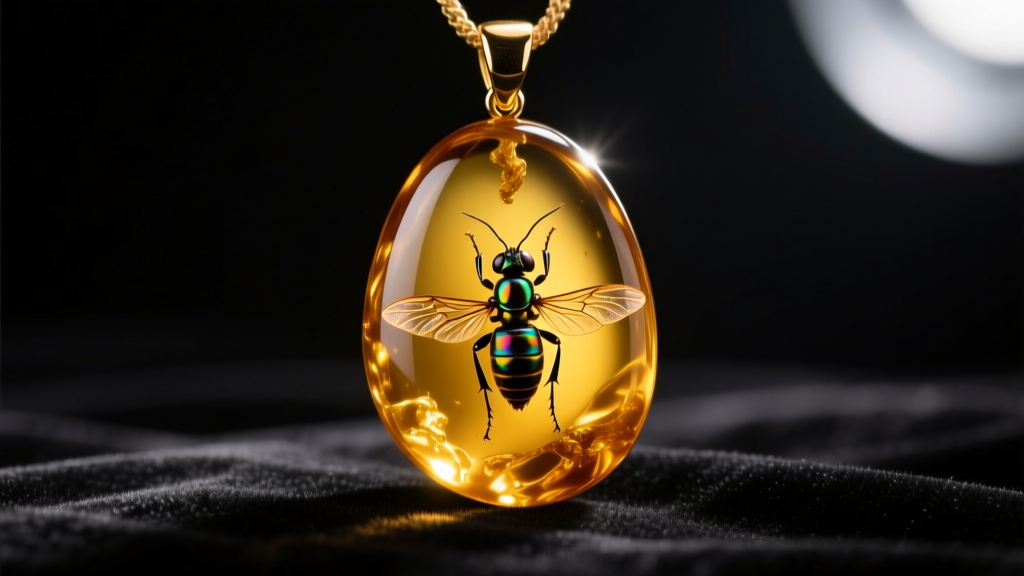
Amber is not a traditional mineral gemstone; it is a fascinating organic fossilized tree resin that has captivated jewelers and collectors for millennia. Prized for its warm hues, lightweight feel, and occasional prehistoric inclusions, amber holds a unique place in the gemological world. However, its organic nature and relatively low Mohs hardness (2.0 to 2.5) make it both delicate and highly susceptible to imitation. As of 2026, the global jewelry market is heavily saturated with advanced phenolic resins, dyed copal, and glass composites designed to mimic the look of ancient succinite. Whether you are investing in a high-end Dominican blue amber ring or a classic Baltic amber beaded necklace, knowing how to verify its authenticity is crucial. This comprehensive guide will walk you through the exact steps to authenticate, clean, and preserve your real amber jewelry.
The Rise of Amber Fakes: Why Authentication Matters
Before diving into the testing methods, it is essential to understand what you are up against. True amber is fossilized resin that has undergone polymerization and oxidation over millions of years. The most common imitations include:
- Copal: Often marketed as 'young amber,' copal is tree resin that is only hundreds or thousands of years old. It has not fully fossilized and will degrade, craze, or melt much faster than true amber.
- Phenolic Resins and Plastics: Materials like Bakelite or modern acrylics can be dyed and molded to perfectly replicate the color and even the 'sun spangle' inclusions of heat-treated amber.
- Glass and Enamel: Heavier and colder to the touch, these are older imitation methods but still prevalent in cheap tourist-market jewelry.
According to the Gemological Institute of America (GIA), distinguishing between natural amber, pressed amber (ambroid), and synthetic imitations requires a multi-sensory approach, as no single test is 100% foolproof on its own.
Step-by-Step Guide to Authenticating Real Amber Jewelry
Follow these sequential tests to determine the legitimacy of your piece. Always start with non-destructive methods before considering anything that might damage the stone.
1. The Visual and Tactile Inspection
Real amber feels surprisingly warm and lightweight compared to glass or crystal. When held to the light, natural Baltic amber often displays a rich, uneven color zoning. If your piece contains an insect inclusion, examine it closely under a jeweler's loupe. In genuine amber, the insect will often look slightly dehydrated, with collapsed abdomens or missing antennae, trapped in a chaotic struggle. Fakes often feature perfectly preserved, modern insects suspended in dead-center, pristine positions. Furthermore, real amber may contain tiny, perfectly spherical gas bubbles, whereas plastic imitations tend to have elongated or irregularly shaped bubbles from the molding process.
2. The Saltwater Float Test
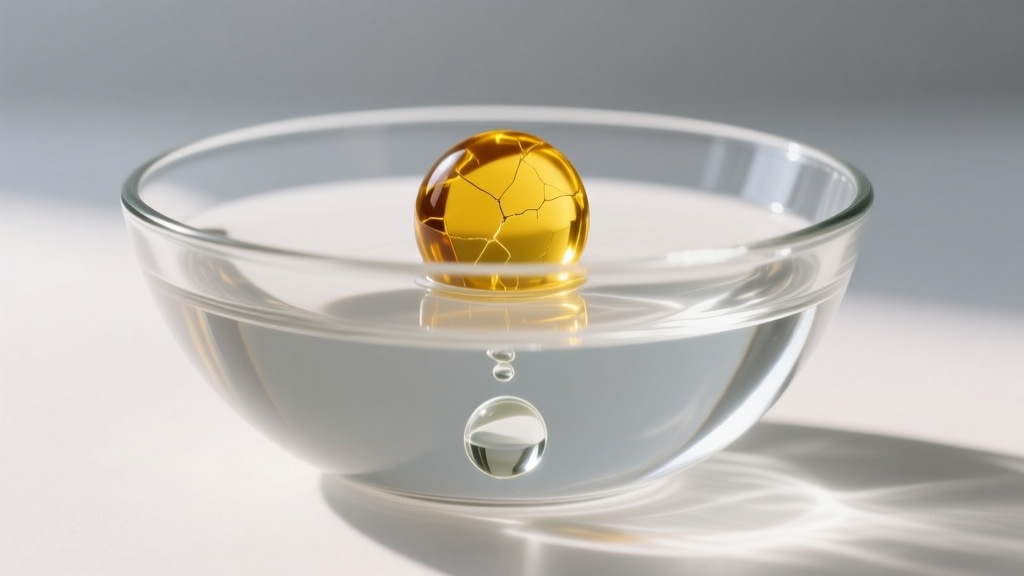
This is one of the most reliable non-destructive tests for loose beads or unmounted pendants. Amber has a specific gravity of 1.05 to 1.10, meaning it is just slightly denser than fresh water but less dense than heavily saturated saltwater.
- Mix a solution of 1 part table salt to 2 parts warm water in a clear glass.
- Stir until the salt is completely dissolved.
- Drop your amber piece into the solution.
The Result: Real amber will float to the surface or suspend in the middle of the glass. Glass, most plastics, and copal will sink directly to the bottom. Note: This test cannot be performed on jewelry set in heavy sterling silver or gold, as the metal will cause the piece to sink regardless of the stone's authenticity.
3. The UV Light Fluorescence Test
Using a standard long-wave (365nm) UV flashlight can reveal the chemical secrets of your gem. When exposed to UV light, genuine Baltic amber typically fluoresces a pale, milky blue or greenish-yellow. Dominican blue amber, famous for its natural color-shifting properties, will glow an intense, vibrant neon blue. Copal, on the other hand, usually fluoresces a dull, chalky white, while most synthetic plastics will either show no fluorescence or emit a stark, artificial white glare.
4. The Hot Needle Test (Use with Caution)
This is a destructive test and should only be performed on an inconspicuous area, such as the edge of a bead or the back of a pendant. Heat a sewing needle until it is red hot, then gently press it into the amber.
- Real Amber: Will emit a faint, pleasant scent of pine resin or incense. The needle will leave a small mark, but the material will not melt or stick to the metal.
- Copal: Will melt quickly, become tacky, and the needle will stick to the surface.
- Plastic: Will melt instantly, emit a harsh, acrid chemical odor, and leave a black, sticky residue on the needle.
Real Amber vs. Copal vs. Plastic: A Comparison Chart
To help you quickly cross-reference your findings, consult this gemological comparison table based on data from the American Museum of Natural History.
| Property | Genuine Amber (Succinite) | Copal (Immature Resin) | Plastic / Phenolic Resin | Glass |
|---|---|---|---|---|
| Specific Gravity | 1.05 - 1.10 (Floats in saltwater) | 1.03 - 1.08 (May float) | 1.15 - 1.30 (Sinks) | 2.20 - 2.80 (Sinks rapidly) |
| UV Fluorescence | Pale blue, green, or yellow | Chalky white | None or stark white | None |
| Acetone / Alcohol Test | No reaction | Surface becomes tacky/sticky | No reaction or slight softening | No reaction |
| Hot Needle Scent | Pine, resinous, pleasant | Sweet, but melts/sticks | Acrid, chemical, burning plastic | No scent, glass may crack |
How to Properly Clean and Maintain Real Amber Jewelry
Because amber is an organic material with a low hardness rating, it requires a vastly different cleaning protocol than diamonds or sapphires. Improper cleaning can permanently cloud the surface or cause structural crazing (a network of fine cracks).
Safe Cleaning Solutions
- The Lukewarm Water Method: Mix a few drops of mild, phosphate-free dish soap into a bowl of lukewarm (never hot) water.
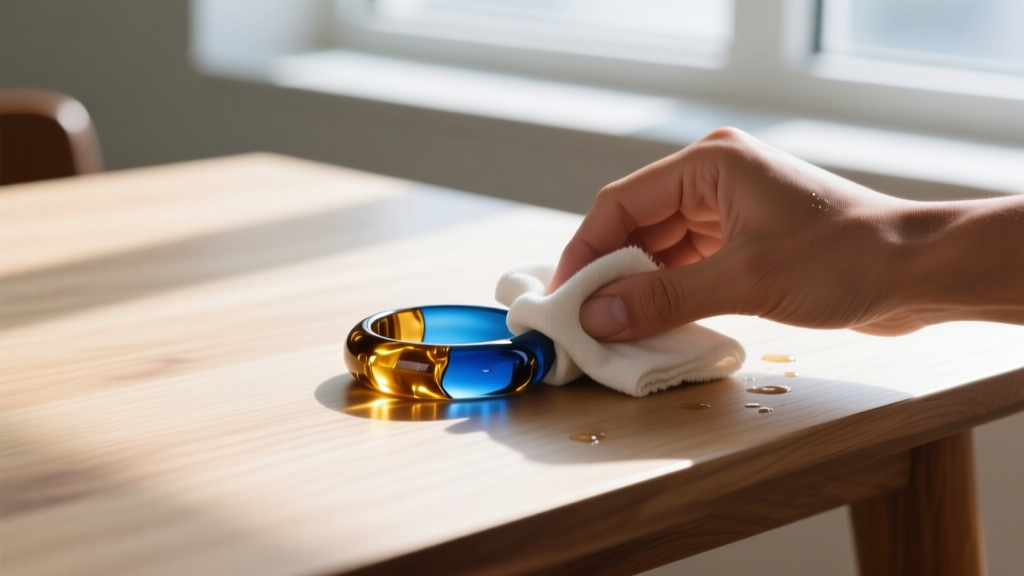
- Gentle Wiping: Dip a soft, lint-free microfiber cloth into the solution, wring it out until it is only slightly damp, and gently wipe the surface of the amber.
- Drying: Immediately dry the piece with a separate, clean flannel or microfiber cloth to prevent water spots.
- Polishing: To restore a high-gloss luster, you can occasionally buff the amber with a tiny drop of pure olive oil or a specialized organic gem wax, wiping away any excess immediately.
What to Absolutely Avoid
- Ultrasonic Cleaners: The high-frequency vibrations will shatter amber or cause existing internal fissures to split the stone entirely.
- Steam Cleaners: Extreme heat will melt or warp the resin.
- Harsh Chemicals: Avoid ammonia, bleach, alcohol, and commercial jewelry dips. Alcohol will dissolve copal and can permanently dull the polished surface of true amber.
- Perfumes and Hairsprays: Always put your amber jewelry on after applying cosmetics and fragrances, as the solvents in these products can eat away at the polish over time.
Storing Amber: Preventing Craze and Cracks
Amber is highly sensitive to extreme temperature fluctuations and prolonged exposure to direct UV sunlight, which can cause the stone to oxidize, darken, and develop a cracked, 'crazed' surface. When storing your pieces, keep them in a soft cloth pouch or a lined jewelry box away from direct sunlight. Because amber is easily scratched by harder materials, never store it in a communal jewelry box where it can rub against silver, gold, or harder gemstones like quartz or topaz. Additionally, amber can become brittle in extremely dry environments; maintaining a stable, moderate humidity level in your storage area will help preserve its structural integrity for generations.
Expert Sourcing Tips for Modern Buyers
"When purchasing high-value amber, especially pieces with rare botanical or entomological inclusions, always request a certificate of authenticity from a recognized gemological laboratory. The difference in value between a natural inclusion and an artificial carving is astronomical."
If you are shopping for real amber jewelry in 2026, prioritize reputable dealers who specialize in organic gems and can provide the geographic origin of their stones. Baltic amber (from the shores of Lithuania, Poland, and Russia) is the most common and affordable, typically ranging from $2 to $10 per carat for standard beads. Dominican and Mexican amber, prized for their high clarity and rare blue/green fluorescence, command higher prices, often ranging from $15 to $50+ per carat depending on the quality of the inclusions. For further reading on the mineraloid properties of organic gems, consult the extensive databases at Mindat.org. By combining rigorous authentication testing with proper, gentle care, your amber jewelry will remain a stunning, prehistoric window into the past for a lifetime.


