Lapis Lazuli Stone Jewelry: The Ultimate Buying Guide
Discover how to buy authentic lapis lazuli stone jewelry. Learn grading standards, spot fakes, and find the best settings for your deep blue gems.

Introduction to Lapis Lazuli Stone Jewelry
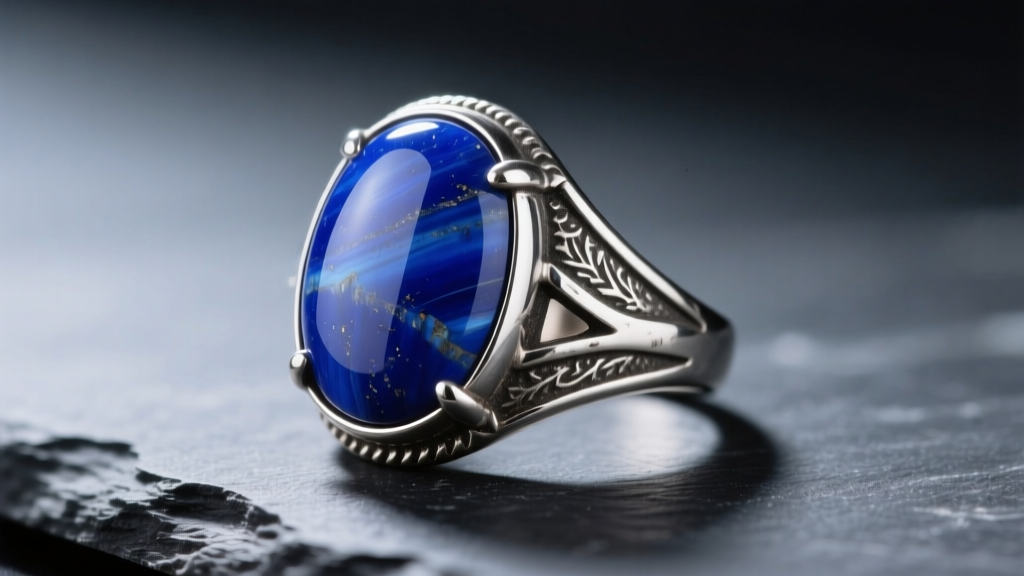
When shopping for lapis lazuli stone jewelry, you are investing in one of the oldest and most revered gemstones in human history. Prized by ancient Egyptian pharaohs and Mesopotamian royalty, this deep blue gem continues to captivate collectors and jewelry enthusiasts today. However, the modern market is flooded with dyed imitations, synthetic alternatives, and poorly cut stones that lack the celestial brilliance of genuine lapis.
This comprehensive buying guide will equip you with the gemological knowledge needed to navigate the market in 2026. From understanding the geological composition of the stone to identifying the finest metal settings, we break down exactly what to look for to ensure your purchase is both authentic and exceptional.
Geological Origins: Where the Best Lapis Comes From
Lapis lazuli is not a single mineral, but rather a metamorphic rock composed primarily of lazurite (which provides the blue color), calcite (white), sodalite (lighter blue), and pyrite (gold flecks). The geographic origin heavily influences the stone's value and appearance.
- Afghanistan (Badakhshan Province): The Sar-e-Sang mines have produced the world's finest lapis for over 6,000 years. Afghan lapis is renowned for its intense, uniform 'Royal Blue' or 'Persian Blue' color with minimal calcite and beautifully distributed pyrite.
- Chile (Andes Mountains): Chilean lapis often contains more prominent white calcite veining and tends to be slightly lighter or greener in tone. It is generally more affordable and widely used in commercial jewelry.
- Russia (Lake Baikal): Russian lapis features a unique, slightly violet-blue hue with distinct, mottled pyrite patterns. It is rarer on the Western market but highly prized by bespoke jewelers.
The Grading System: Color, Clarity, and Cut
Unlike diamonds, lapis lazuli is graded primarily on its color saturation and the aesthetic distribution of its inclusions. According to the Gemological Institute of America (GIA), the most valuable specimens exhibit a medium to dark, slightly greenish to violetish blue hue.
The Inclusion Debate: Pyrite vs. Calcite
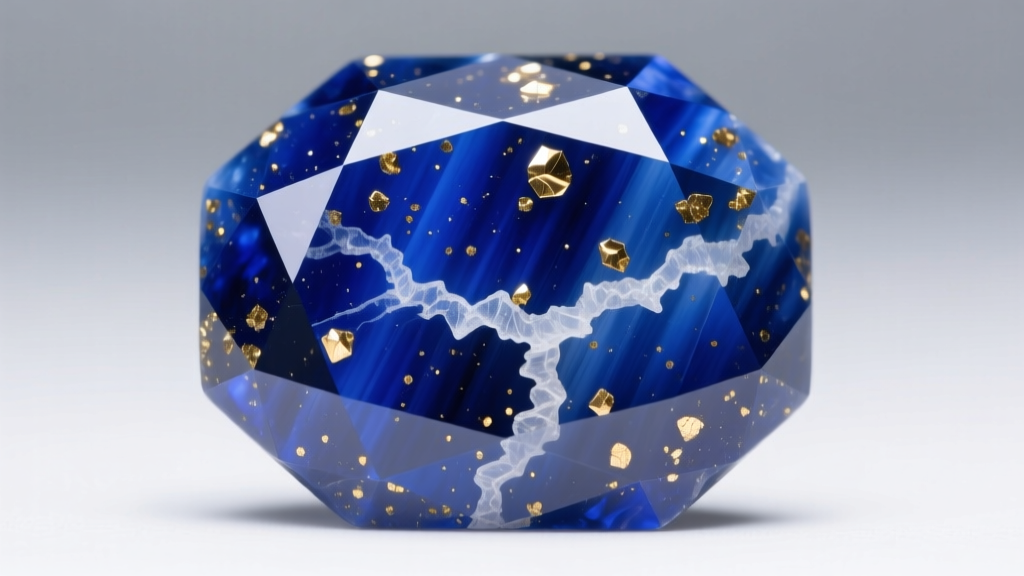
Inclusions in lapis lazuli are uniquely treated compared to transparent gems. Pyrite (fool's gold) is highly desirable when it appears as small, evenly distributed golden flecks, mimicking a starry night sky. Conversely, calcite (white matrix) is generally considered a detractor. While some buyers appreciate the natural marbling of calcite, heavy white veining significantly lowers the stone's market value and structural integrity.
Cut and Polish
Because lapis is an opaque rock, it is almost exclusively cut en cabochon (smooth and domed) or carved into beads and inlays. When evaluating a cabochon, look for a smooth, symmetrical dome with a high-quality polish. A dull or pitted surface indicates poor lapidary work or a high concentration of softer calcite that failed to take a proper polish.
Spotting Fakes: Dyed Howlite, Sodalite, and Synthetics
The high demand for top-tier lapis lazuli has led to a proliferation of imitations. As noted by mineralogical databases like Mindat.org, understanding the physical properties of lapis is crucial for avoiding overpriced fakes.
| Feature | Genuine Lapis Lazuli | Dyed Howlite/Jasper | Sodalite | Gilson Synthetic |
|---|---|---|---|---|
| Color Distribution | Slightly uneven, natural mottling | Concentrates in cracks/veins | Even, but lacks pyrite | Perfectly uniform |
| Inclusions | Golden pyrite, white calcite | None (or gray veining) | White veining, no pyrite | Uniform gold flecks |
| Acetone Test | No color transfer | Blue dye transfers | No color transfer | No color transfer |
| Price per Carat | $1 - $100+ | $0.10 - $0.50 | $0.50 - $2.00 | $5 - $15 |
Pro Tip: Always carry a cotton swab and a small bottle of nail polish remover (acetone) when shopping at gem shows. Rubbing an inconspicuous area of a dyed stone will immediately reveal blue residue on the swab.
Best Metal Settings and Jewelry Types
Lapis lazuli ranks between 5 and 6 on the Mohs hardness scale, making it relatively soft and prone to chipping, scratching, and abrasion. This physical limitation dictates how it should be set in jewelry.
Bezel vs. Prong Settings
Always opt for bezel settings or semi-bezel settings for lapis lazuli rings and bracelets. A continuous metal rim protects the vulnerable edges of the cabochon from impact. Prong settings leave the girdle exposed, virtually guaranteeing that the stone will chip during daily wear.
Metal Pairings
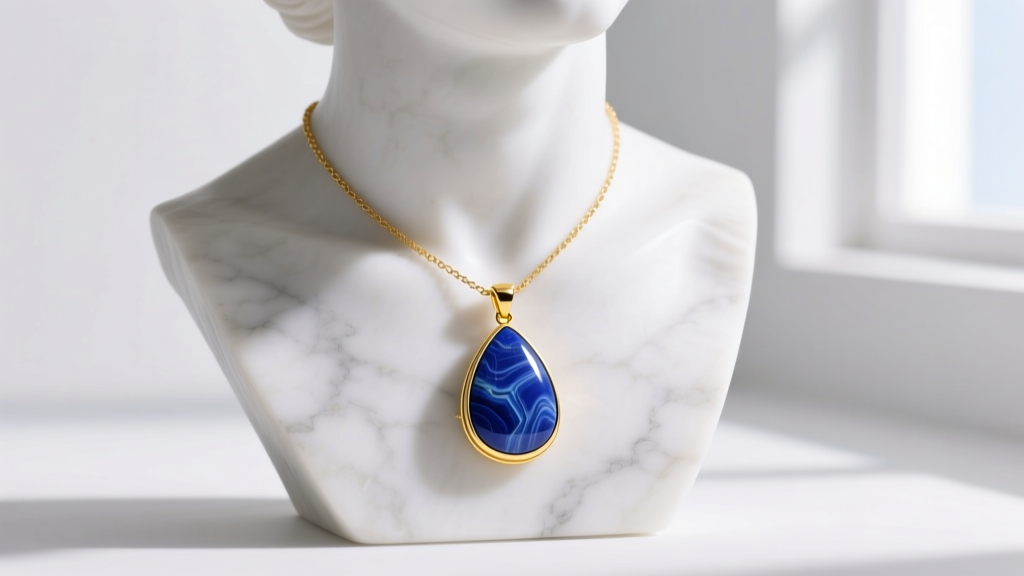
- Sterling Silver: The most traditional and popular pairing. The cool, bright white of silver enhances the deep blue and golden pyrite flecks. Oxidized silver provides a striking, antique contrast.
- Yellow Gold (14k or 18k): Creates a luxurious, regal aesthetic that echoes ancient Egyptian artifacts. The warm gold tones harmonize beautifully with the pyrite inclusions.
- Rose Gold: A modern choice that offers a subtle, warm contrast, though it can sometimes clash with the greenish undertones of lower-grade lapis.
Pricing Guide: What You Should Pay
Pricing for lapis lazuli stone jewelry varies wildly based on the stone's origin, color saturation, and the craftsmanship of the setting. Here is a realistic breakdown of what to expect in the current market:
- Commercial Grade (Chilean, heavy calcite): $15 - $40 for simple beaded bracelets or small cabochon rings in silver.
- Medium Grade (Good color, some pyrite/calcite): $50 - $150 for well-crafted pendants and statement rings.
- Fine Gem Grade (Afghan Royal Blue, no calcite): $200 - $800+ for custom designer pieces, heavy gold bezels, and matched parures (necklace and earring sets).
Care and Maintenance: Preserving the Blue
Lapis lazuli is a porous rock that is highly sensitive to chemicals, heat, and pressure. Improper care is the leading cause of ruined lapis jewelry.
- Never Use Ultrasonic or Steam Cleaners: The high-frequency vibrations can fracture the stone, and the heat can damage any wax or resin treatments used to stabilize the polish.
- Avoid Water and Chemicals: Prolonged exposure to water can cause the calcite inclusions to dissolve or the stone to lose its luster. Remove lapis rings before washing hands, swimming, or applying lotions and perfumes.
- Proper Cleaning Method: Wipe the stone gently with a soft, slightly damp microfiber cloth. Dry it immediately. If the stone loses its shine over time, a professional lapidary can easily re-polish it.
Final Thoughts on Your Purchase
Buying lapis lazuli stone jewelry is an exercise in appreciating natural, unheated beauty. Unlike many modern gemstones that are subjected to high-heat treatments or irradiation, high-quality lapis is prized exactly as it was formed in the earth. By prioritizing Afghan origins, demanding bezel settings, and rigorously testing for dyes, you will secure a piece of jewelry that is not only visually stunning but historically enduring.