Mason Kay Jade Jewelry: Material Grades & Properties Guide
Explore Mason Kay jade jewelry through a gemological lens. Compare jadeite vs nephrite, decode Type A treatments, and analyze material properties.

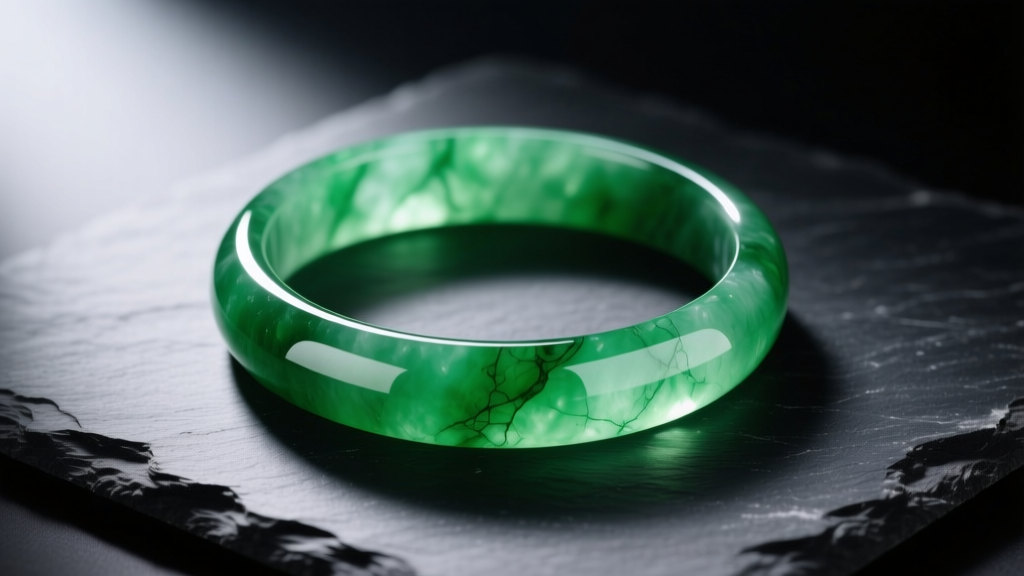
When evaluating high-end gemstone collections, few materials demand as much gemological scrutiny as jade. For collectors and enthusiasts, Mason Kay jade jewelry represents a benchmark for authenticity and quality in the Western market, particularly regarding untreated, Type A jadeite. However, understanding the true value of these pieces requires looking beyond the brand name and diving deep into the mineralogy, crystal structures, and treatment spectrums that define jade. This comprehensive guide explores the material properties, grading systems, and comparative data you need to know before investing in fine jade jewelry.
The Foundation: Jadeite vs. Nephrite Mineralogy
The term 'jade' is a commercial umbrella that covers two distinct metamorphic minerals: jadeite and nephrite. While Mason Kay predominantly features high-grade Burmese jadeite, understanding the contrast with nephrite is crucial for any serious collector.
Jadeite (NaAlSi2O6)
Jadeite is a pyroxene mineral characterized by an interlocking granular crystal structure. This structure gives jadeite its signature glassy luster and higher translucency. According to Mindat.org, jadeite forms under high-pressure, low-temperature conditions, typically in subduction zones. It registers a 6.5 to 7 on the Mohs hardness scale and possesses a specific gravity (SG) of 3.30 to 3.38, making it noticeably heavier than nephrite.
Nephrite (Ca2(Mg,Fe)5Si8O22(OH)2)
Nephrite is an amphibole mineral with an interlocking fibrous or felted crystal structure. This microscopic 'felt' makes nephrite exceptionally tough—arguably the toughest natural gemstone material on earth, highly resistant to chipping and breaking. However, it lacks the glassy luster of jadeite, presenting instead with a greasy or waxy sheen. Nephrite is slightly softer (Mohs 6 to 6.5) and lighter (SG 2.90 to 3.03).
While nephrite wins in pure structural toughness, jadeite is universally prized higher in the gemological market due to its superior brilliance, color saturation, and translucency, which are the hallmarks of premium Mason Kay jade jewelry pieces.
Decoding Jade Treatments: The Type A, B, and C Spectrum
The most critical factor in evaluating any jadeite jewelry is its treatment status. The market categorizes jade into three primary tiers based on chemical and structural alterations.
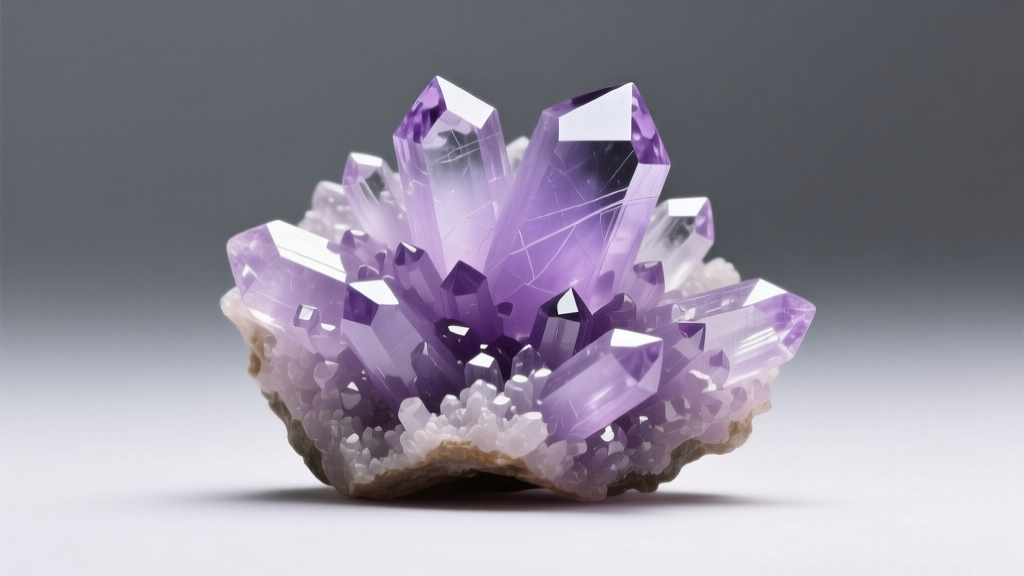
- Type A (Untreated): This is 100% natural jadeite. The only post-mining processes involve cutting, polishing, and occasionally a light surface waxing with natural plum juice or beeswax to enhance luster. Mason Kay specializes exclusively in Type A jade, ensuring long-term structural integrity and investment value.
- Type B (Bleached and Polymer-Impregnated): Lower-quality, heavily included jade is bathed in strong acids (like hydrochloric acid) to dissolve brown or yellow impurities. This destroys the crystal structure, leaving the stone porous. It is then vacuum-impregnated with epoxy resin or polymer to restore translucency. Over time, the polymer yellows and degrades, ruining the stone.
- Type C (Dyed): Jade is artificially colored using chemical dyes, often to mimic highly prized 'Imperial Green' or vibrant lavender. The dye concentrates in the grain boundaries and fades when exposed to UV light and heat.
- Type B+C: A combination of acid-bleaching, polymer-impregnation, and dyeing. These stones are essentially worthless from a gemological standpoint.
Gemological laboratories use Fourier Transform Infrared (FTIR) spectroscopy to detect the organic polymer signatures in Type B jade, a non-destructive test that is essential for high-value appraisals.
Material Properties & Durability Comparison Chart
To contextualize the physical properties of authentic jade, it is helpful to compare it against common simulants frequently mislabeled as 'new jade' or 'Indian jade' in the broader market.
| Material | Mohs Hardness | Specific Gravity | Refractive Index | Toughness |
|---|---|---|---|---|
| Jadeite (Type A) | 6.5 - 7.0 | 3.30 - 3.38 | 1.66 | Exceptional |
| Nephrite | 6.0 - 6.5 | 2.90 - 3.03 | 1.62 | Superior |
| Serpentine (Bowenite) | 4.0 - 5.5 | 2.57 - 2.61 | 1.56 | Moderate |
| Aventurine (Quartz) | 7.0 | 2.64 - 2.69 | 1.54 - 1.55 | Good |
| Chrysoprase | 6.5 - 7.0 | 2.58 - 2.64 | 1.53 - 1.54 | Good |
As the data illustrates, the specific gravity and refractive index of jadeite are significantly higher than its simulants. A simple heft test in the hand often reveals the density difference between genuine Mason Kay jadeite and lighter serpentine imitations.
Evaluating Color, Translucency, and Texture
Within the realm of Type A jadeite, value is dictated by a triad of visual properties: color, translucency (often called 'water' or 'zhong' in Chinese grading), and texture.
Color Grading
The most valuable color is 'Imperial Green,' a vivid, highly saturated, medium-dark green caused by trace amounts of chromium. Other highly valued hues include 'Royal Purple' or lavender (colored by manganese) and 'Icy White,' which relies on pure translucency rather than color saturation. Mason Kay's curated selections often highlight these premium color profiles, avoiding the muddy or grayish tones typical of commercial-grade stones.
Translucency and Texture
Translucency ranges from opaque to semi-transparent ('sticky rice' or 'glutinous rice') to highly transparent ('glassy' or 'icy'). The highest grades, known as 'Old Mine' or 'Glass Species,' allow light to penetrate deeply, creating an internal glow. Texture refers to the grain size of the interlocking crystals. Fine-grained jadeite polishes to a mirror-like, glassy finish, whereas coarse-grained jadeite appears pitted or 'orange-peel' like under magnification.
Pricing Tiers and Investment Value
The pricing of fine jadeite is notoriously opaque compared to diamonds, as there is no universal per-carat pricing sheet. However, based on current market data and auction results, we can categorize Mason Kay jade jewelry and similar high-end pieces into distinct investment tiers:
- Commercial Grade ($50 - $800): Opaque, coarse-textured jadeite with muted or blotchy colors. Often used in heavily carved pendants or thick bangles where translucency is not a factor.
- Fine Grade ($1,500 - $15,000): Semi-translucent stones with good color saturation and fine texture. This tier includes high-quality lavender cabochons, vibrant green rings, and well-proportioned bangles with minor internal inclusions.
- Investment/Imperial Grade ($25,000 - $500,000+): Flawless, highly translucent 'glassy' jadeite with vivid, evenly distributed Imperial Green or pure Icy White coloration. These pieces are exceptionally rare and appreciate significantly over time, functioning as tangible asset classes.
For authoritative valuation, the Gemological Institute of America (GIA) strongly recommends obtaining a laboratory grading report for any jadeite purchase exceeding the Fine Grade threshold to guarantee Type A status.
Care and Maintenance for Untreated Jade
While Type A jadeite is incredibly durable, its interlocking crystalline structure requires specific care to maintain its polish and prevent microscopic damage.
- Avoid Ultrasonic Cleaners: Never place jade in an ultrasonic cleaner. The high-frequency vibrations can exacerbate natural internal micro-fractures and strip away the natural surface waxes applied during the final polishing stages.
- Chemical Avoidance: While Type A jade is resistant to most acids, prolonged exposure to harsh household cleaners, chlorine in swimming pools, or sulfur can dull the surface polish. Always remove jade rings and bangles before cleaning or swimming.
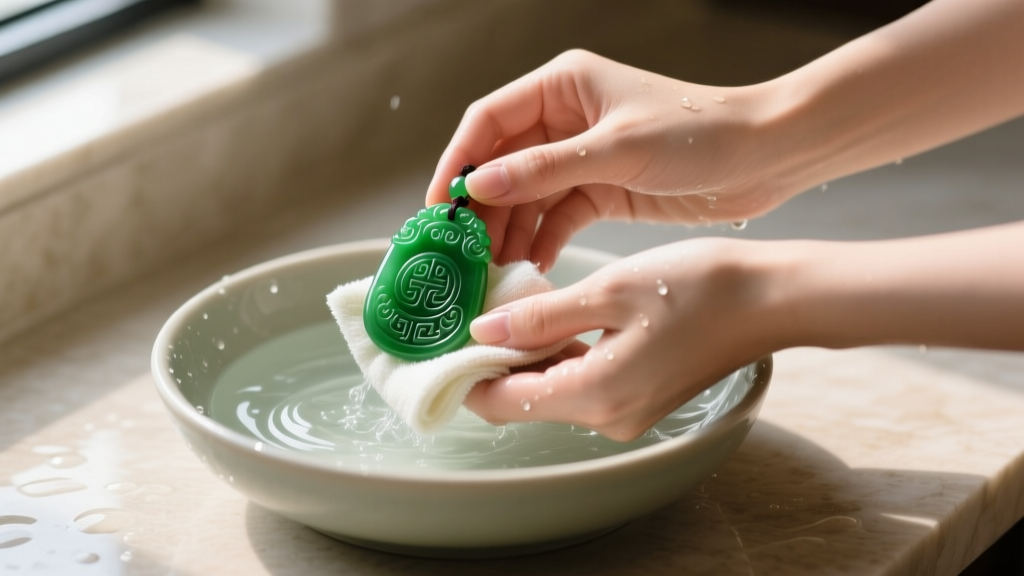
- Proper Cleaning Technique: Use lukewarm water, a mild dish soap, and a soft microfiber cloth. Gently wipe the surface, rinse thoroughly, and dry completely before storing.
- Storage Protocol: Jade can be scratched by harder materials like diamonds, sapphires, or rubies (Mohs 8-10). Store Mason Kay jade pieces individually in soft velvet pouches or lined jewelry boxes to prevent contact scratches.
Final Thoughts on Material Integrity
Navigating the jade market requires a firm grasp of gemological properties and a commitment to material authenticity. By focusing on the mineralogical distinctions between jadeite and nephrite, understanding the destructive nature of Type B and C treatments, and evaluating the nuances of translucency and texture, collectors can make informed decisions. Brands that prioritize certified, untreated Type A jadeite, such as Mason Kay, offer not just beautiful adornments, but enduring geological treasures that maintain their structural and financial integrity for generations.


