Sapphire Jewelry OSRS: A Gemologist's Guide to In-Game Crafting
Discover how sapphire jewelry OSRS crafting compares to real-world gemology. Learn in-game mechanics, real gem grades, and expert styling tips.

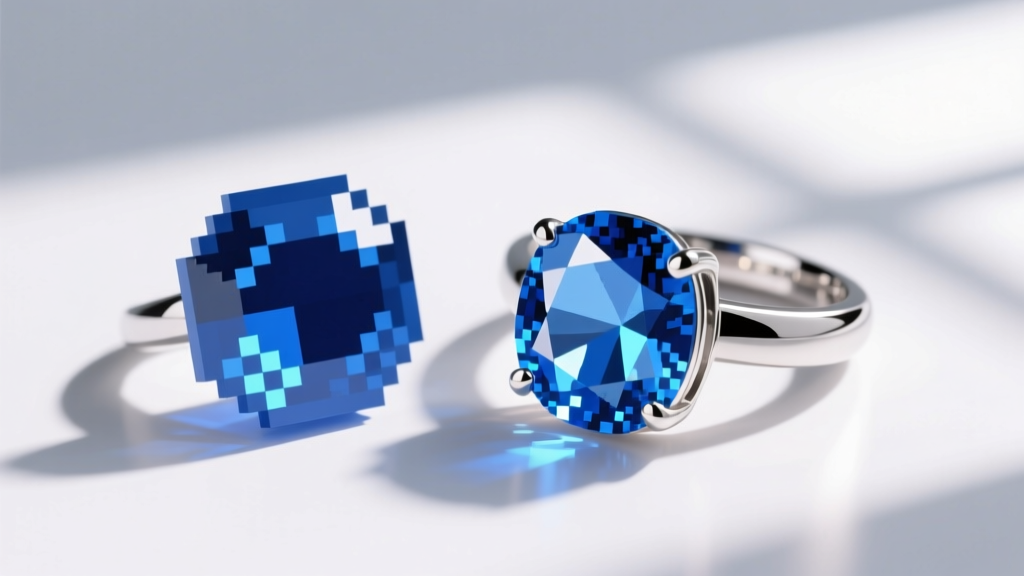
The Intersection of Gielinor and Real-World Gemology
For millions of players worldwide, the first introduction to the lapidary arts doesn't happen in a dusty gemological laboratory or a high-end jewelry boutique. Instead, it happens in front of a furnace in Varrock. Old School RuneScape (OSRS) has long been celebrated for its intricate skill systems, and the Crafting skill offers a surprisingly structured gateway into the world of jewelry making. When players search for guides on sapphire jewelry OSRS mechanics, they are usually looking for the most efficient path to level 55 Crafting or preparing to cast Level-1 Enchant spells.
However, as a senior gemologist and jewelry stylist, I find the intersection between Gielinor's pixelated crafting mechanics and real-world corundum gemology endlessly fascinating. While the game simplifies the process into a single gold bar, a cut gem, and a mould, reality demands a deep understanding of crystal structures, trace elements, and precise lapidary cuts. In this beginner-friendly explainer, we will break down the exact mechanics of crafting sapphire jewelry in OSRS, contrast them with real-world gemological science, and provide actionable advice for collectors looking to transition their in-game appreciation into a real-world jewelry collection.
Understanding Sapphire Jewelry OSRS Mechanics
In the realm of OSRS, sapphire jewelry serves as a crucial stepping stone. It bridges the gap between basic silver crafting and the more lucrative gold-and-diamond tier. To begin crafting these pieces, players must have a Crafting level of at least 20, access to a furnace, and the appropriate moulds in their inventory.
Crafting Requirements and XP Rates
The process is delightfully straightforward compared to real-world bench jewelry. You simply use a cut sapphire on a gold bar while standing next to a furnace. The game calculates your experience yield based on the specific item crafted. Here is the exact breakdown for optimal training:
- Sapphire Ring: Requires Level 20 Crafting. Yields 40 XP. Uses a Ring Mould.
- Sapphire Necklace: Requires Level 22 Crafting. Yields 55 XP. Uses a Necklace Mould.
- Sapphire Amulet: Requires Level 24 Crafting. Yields 65 XP. Uses an Amulet Mould. (Note: Must be strung with a ball of wool for full utility and magic enchantment).
Once crafted, these unstrung or unenchanted pieces hold little combat value. The true utility of sapphire jewelry in OSRS is unlocked via the Magic skill. Casting the Level-1 Enchant spell on a sapphire ring transforms it into a Ring of Recoil, a staple for early-game combat training that reflects damage back to attackers.
Real-World Sapphire Gemology: What the Game Gets Right (and Wrong)
While OSRS treats all cut sapphires as identical blue polygons, real-world gemologists evaluate these stones through a highly complex matrix of optical and physical properties. Sapphires belong to the corundum family (aluminum oxide, Al2O3). In its pure state, corundum is completely colorless. The iconic blue hue that players associate with the game's inventory icons is actually the result of trace elements—specifically, iron and titanium—interacting within the crystal lattice.
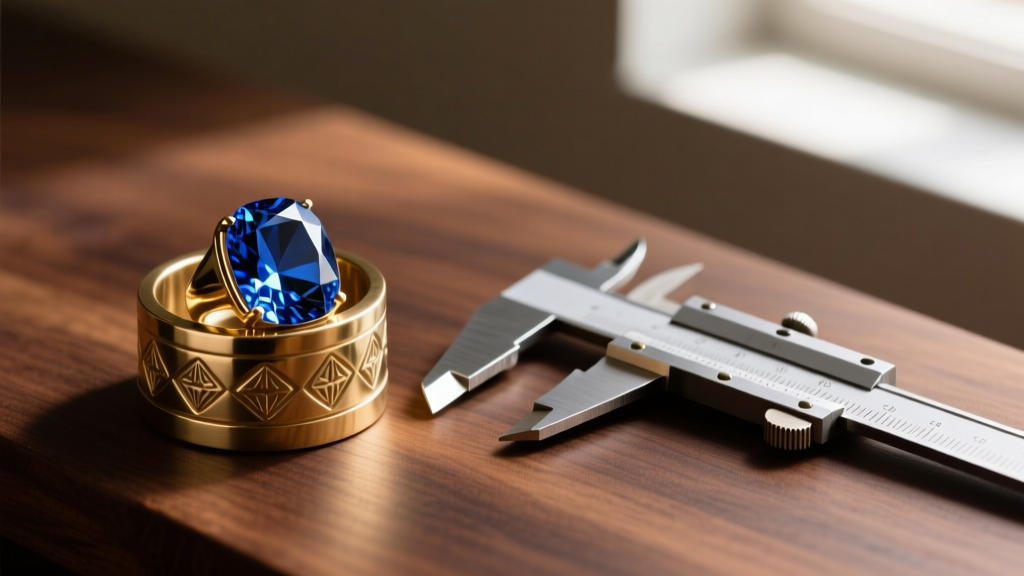
The Corundum Family and Trace Elements
According to the Gemological Institute of America (GIA), the intervalence charge transfer between iron and titanium is what absorbs specific wavelengths of light, resulting in the blue color we perceive. The game accurately represents the sapphire's renowned durability; corundum ranks a 9 on the Mohs scale of hardness, making it the second hardest natural gemstone after diamond. This makes sapphire an exceptional choice for daily-wear rings, a fact that OSRS inadvertently reflects by making the Ring of Recoil highly durable in combat.
Data Comparison: OSRS Logic vs. Real-World Gemology
| Feature | OSRS Game Mechanics | Real-World Gemology |
|---|---|---|
| Color Origin | Static blue asset / inventory icon | Iron and Titanium trace elements |
| Hardness | Implied high durability (no degradation) | Mohs 9 (Excellent for daily wear) |
| Clarity | Binary (Cut or Uncut) | Evaluated by eye-cleanliness and inclusions (e.g., rutile silk) |
| Treatments | None (Gems are used as mined/cut) | Heat treatment is standard; unheated stones command massive premiums |
| Value Drivers | GE Price, Crafting XP, Magic XP | Origin, Color Saturation, Tone, Clarity, Cut Quality |
Evaluating Real Sapphires: The 4 Cs vs. OSRS Logic
If you are inspired to purchase real sapphire jewelry after grinding your Crafting level, you must abandon the OSRS mindset where every sapphire holds the same Grand Exchange value. In the real world, sapphire quality factors are heavily weighted toward color and origin, rather than just carat weight.
Color, Clarity, and Cut in Reality
When shopping for a natural sapphire, look for a 'medium-dark' tone with 'vivid' saturation. Stones that are too dark will appear black in low light (a common issue with low-grade Australian sapphires), while stones that are too light will lack the rich, velvety blue associated with premium gems. Unlike diamonds, where flawless clarity is paramount, sapphires are expected to have some inclusions. In fact, microscopic rutile needles (known as 'silk') can actually scatter light and improve the stone's overall velvety appearance, provided they don't compromise the gem's transparency.
Regarding origin, while OSRS sources its gems from a generic 'gem rock,' real collectors pay close attention to geography. Kashmir sapphires are the legendary standard, featuring a sleepy, velvety blue due to dense silk inclusions. Ceylon (Sri Lanka) sapphires are prized for their bright, brilliant, and slightly violetish-blue hues, while Montana sapphires offer unique, earthy teal-blue tones that have surged in popularity among modern bespoke jewelry designers.
Styling Real Sapphire Pieces Inspired by Retro RPG Aesthetics
The aesthetic of OSRS is distinctly medieval and utilitarian. If you want to capture the essence of a RuneScape amulet or ring in a real-world piece, you should look toward vintage, antique, or custom-forged settings. Avoid ultra-modern, high-polish micro-pave settings. Instead, opt for the following stylistic choices:
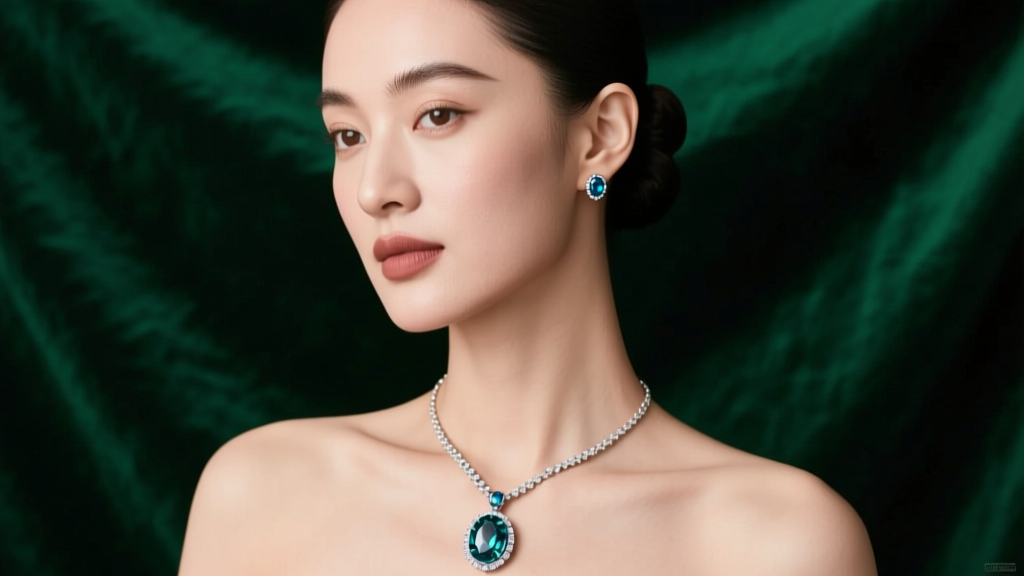
- Bezel Settings: In the game, gems look securely encased in thick metal. A yellow gold bezel setting mimics this heavy, protective aesthetic while providing excellent real-world protection for the sapphire's girdle.
- Cabochon Cuts: While OSRS uses a generic faceted icon, a blue sapphire cabochon (a smooth, domed, unfaceted cut) leans heavily into medieval and talismanic jewelry history. It looks like a magical artifact rather than a modern fashion accessory.
- Oxidized Silver or Low-Karat Gold: To achieve that 'worn adventurer' look, choose 14k yellow gold with a brushed finish, or sterling silver with intentional oxidation in the crevices to highlight the metalwork.
Lab-Created vs. Natural: A Modern Buyer's Guide
For beginners transitioning from gaming to jewelry collecting, budget is often a primary concern. A high-quality, unheated 2-carat Ceylon sapphire can easily cost upwards of $4,000 to $8,000. If your goal is purely aesthetic—capturing the vivid blue of your favorite in-game items without the massive financial investment—lab-created sapphires are an exceptional choice.
Lab-grown sapphires (created via the Verneuil flame-fusion process or the Czochralski pulled-crystal method) possess the exact same chemical composition (Al2O3) and physical properties (Mohs 9) as mined stones. They are not 'fake' glass; they are genuine corundum grown in a controlled environment. A lab-created sapphire ring can be purchased for under $300, allowing you to allocate more of your budget toward a heavy, high-quality gold setting that mimics the robust feel of OSRS jewelry.
FAQ: Bridging the Gap Between Gaming and Jewelry Collecting
Can I wear a real sapphire ring every day like I equip my Ring of Recoil?
Yes. Because sapphire is a 9 on the Mohs scale, it is highly resistant to scratching and abrasion. However, unlike in-game items, real sapphires can chip if struck hard against a surface due to their distinct basal cleavage. Remove your ring during heavy manual labor or gym sessions.
Does the metal type matter when setting a blue sapphire?
Absolutely. White gold and platinum enhance the cool, icy blue tones of a sapphire, making it look more modern and brilliant. Yellow gold, much like the gold bars used in OSRS crafting, provides a warm, rich contrast that makes the blue appear deeper and more velvety, leaning into a vintage or royal aesthetic.
What is the real-world equivalent of 'enchanting' a sapphire?
In gemology, 'enchanting' is analogous to heat treatment. Over 90% of commercial sapphires on the market are heat-treated to dissolve inclusions and improve color saturation. While OSRS magic adds combat stats, real-world thermal enhancement unlocks the gem's true optical potential. Always ask a jeweler for a report from a reputable lab (like GIA or AGL) to verify if a stone is heated or unheated.