A Beginner's Guide to Authentic Affordable Turquoise Jewelry
Discover how to spot genuine stones and shop smart. Our beginner's guide to affordable turquoise jewelry covers treatments, pricing, and care tips.

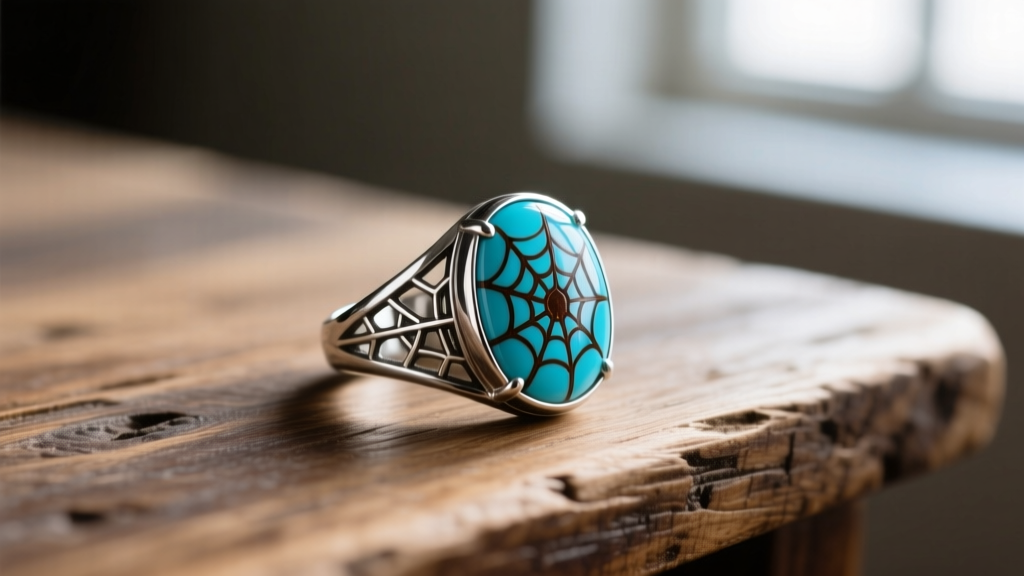
Turquoise has captivated jewelry lovers for millennia, prized for its striking sky-blue to deep green hues and intricate, web-like matrix patterns. However, stepping into the world of turquoise can be intimidating for newcomers. The market is flooded with misleading terms, synthetic imitations, and wildly fluctuating prices. If you are looking to build a collection without spending thousands of dollars, understanding the nuances of stone treatments and origins is your best defense.
This comprehensive guide will demystify the market, helping you confidently identify, purchase, and care for affordable turquoise jewelry that is both authentic and beautiful. We will explore the reality of stabilized stones, expose common fakes, and provide a clear pricing framework so you know exactly what you are paying for.
What Makes Turquoise 'Affordable'? The Treatment Spectrum
To find genuine stones on a budget, you must first understand how turquoise is processed. In its purest, untreated form, turquoise is a relatively soft, porous mineral (ranking 5 to 6 on the Mohs hardness scale). Only a tiny fraction of mined turquoise is hard enough to be cut and polished without chemical assistance. This is where treatments come in, and they are the secret to accessing the Gemological Institute of America (GIA) recognized affordable market.
Stabilized Turquoise: The Budget-Friendly Standard
Stabilization is the most common and widely accepted treatment in the industry. It involves placing soft, chalky turquoise into a vacuum chamber and infusing it with a clear epoxy resin or polymer. This process permanently hardens the stone, prevents it from absorbing oils and dirt, and locks in its vibrant color. Stabilized turquoise is 100% genuine. It is not a fake; it is simply a natural stone that has been fortified for everyday wear. Because it utilizes lower-grade, softer rough material, stabilized turquoise is highly affordable and perfect for beginner collectors.
Reconstituted Turquoise: The 'Chalk' Blend
Reconstituted turquoise is created by grinding low-quality turquoise chalk into a fine powder, mixing it with dyes and epoxy resins, and pressing it into molds. While it does contain real turquoise material, it lacks the natural matrix patterns and structural integrity of a solid cabochon. It is incredibly cheap, but most serious collectors avoid it in favor of stabilized solid stones.
The Fakes: How to Avoid Dyed Howlite and Magnesite
When shopping for affordable turquoise jewelry, your biggest threat is not stabilized genuine stone, but outright imitation. Unscrupulous sellers frequently pass off dyed howlite or magnesite as real turquoise. Howlite is a naturally white, heavily veined mineral that takes dye exceptionally well.
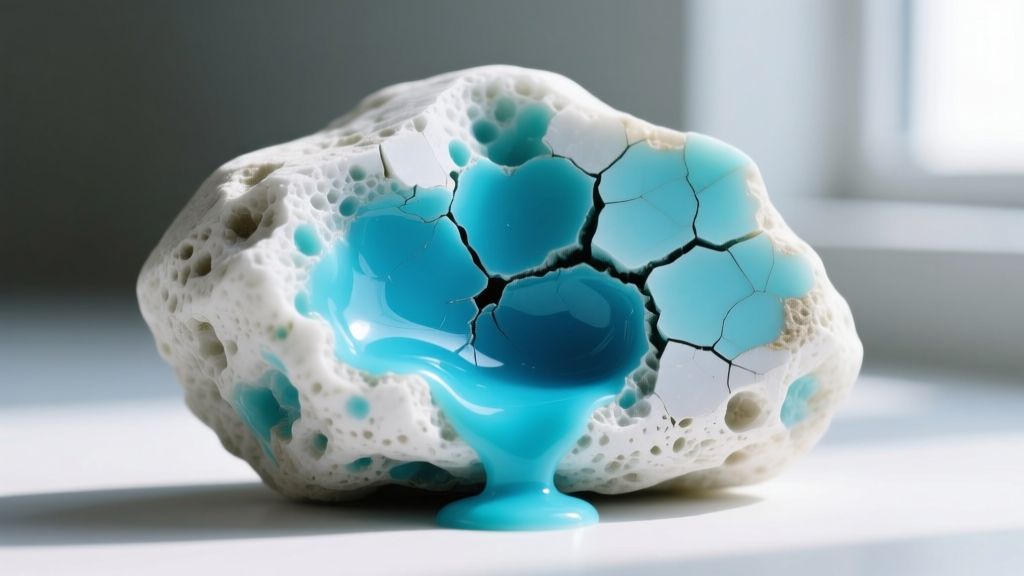
To protect your wallet, train your eye to spot the telltale signs of dyed imitations:
- Dye Concentration: Examine the stone under a magnifying glass or your phone's macro camera. In dyed howlite, the blue or green dye will pool heavily in the natural cracks and crevices, creating dark, unnatural veins. Genuine turquoise matrix is composed of different minerals (like iron pyrite or limonite) and will look earthy, not like spilled ink.
- Color Uniformity: Natural turquoise rarely has a perfectly uniform, plastic-like blue color. If the stone looks like it was painted with a single, flat shade of sky blue with no subtle color zoning, be suspicious.
- The Acetone Test: While we do not recommend damaging your jewelry, a cotton swab dipped in nail polish remover (acetone) rubbed gently on an inconspicuous area of a dyed stone will often lift the blue dye, revealing the white howlite beneath. Genuine stabilized turquoise will not bleed color.
Pricing Tiers: What to Expect When Shopping on a Budget
Understanding pricing structures prevents you from overpaying for treated stones or falling for 'too good to be true' scams. Below is a realistic breakdown of what you should expect to pay for genuine turquoise jewelry in today's market.
| Material Type | Typical Price Range (Per Piece) | Durability & Care Level | Best For |
|---|---|---|---|
| Natural, Untreated (High Grade) | $150 - $1,000+ | Low (Highly porous, scratches easily) | Investment pieces, purist collectors |
| Stabilized (Solid Cabochon) | $35 - $120 | High (Resistant to oils, great for daily wear) | Everyday rings, pendants, beginners |
| Reconstituted (Block Turquoise) | $10 - $30 | Medium (Can chip, lacks natural matrix) | Fast fashion, bead bracelets |
| Dyed Howlite / Magnesite (Fake) | $5 - $20 | Low (Dye fades, scratches easily) | Avoid entirely |
When you see a stunning, large spiderweb turquoise ring selling for $45, you are almost certainly looking at a stabilized genuine stone. This is the sweet spot for affordable turquoise jewelry that offers authentic beauty without the luxury markup.
Top Origins for Budget-Friendly Genuine Stones
The geographic origin of turquoise heavily influences its price. While American mines like Sleeping Beauty and Lander Blue produce legendary, high-priced stones, other global sources provide excellent quality at a fraction of the cost.
Hubei, China
China is currently the world's largest producer of turquoise. The Hubei province yields massive quantities of high-quality rough that takes stabilization beautifully. Chinese turquoise often features gorgeous, intricate spiderweb matrices and deep blue-to-green color shifts. Because of the high volume and efficient mining operations, Hubei turquoise is the backbone of the affordable, genuine turquoise market.
Kingman, Arizona
While the Kingman mine is famous for its premium nuggets, it also produces a vast amount of softer, chalky rough. This material is sent to stabilization facilities and transformed into gorgeous, durable cabochons. Kingman stabilized stones often feature the classic, bright 'robin's egg' blue and are widely available in entry-level Native American and Southwestern jewelry.
Essential Care Rules to Prevent Cracking and Fading
Even when stabilized, turquoise requires specific care to maintain its polish and structural integrity. Unlike diamonds or sapphires, turquoise is sensitive to sudden temperature changes and harsh chemicals. The Jewelers of America recommends strict adherence to gentle cleaning protocols for all porous gemstones.
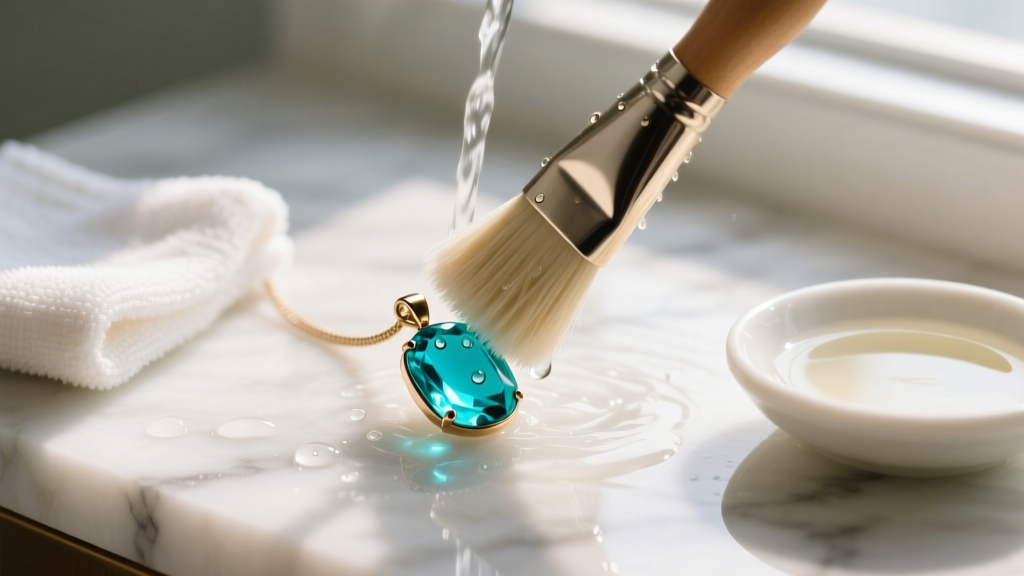
Follow these non-negotiable care rules to ensure your jewelry lasts a lifetime:
- Never Use Ultrasonic or Steam Cleaners: The high-frequency vibrations and intense heat can shatter the stone or melt the stabilization resins, causing the turquoise to turn white or crack.
- The 'Last On, First Off' Rule: Turquoise is highly reactive to cosmetics, perfumes, hairsprays, and lotions. Always put your turquoise jewelry on after applying your beauty products, and take it off before showering or swimming.
- Gentle Cleaning Only: To clean your piece, use a soft, damp microfiber cloth. If the stone is heavily soiled, use a drop of mild, phosphate-free dish soap and a soft-bristled baby toothbrush. Rinse quickly under lukewarm water and pat dry immediately.
- Store Separately: With a Mohs hardness of 5 to 6, turquoise will easily scratch if tossed into a jewelry box with metal chains or harder gems like quartz and topaz. Store each piece in a soft fabric pouch.
Where to Shop: Trusted Markers for Beginners
The key to successfully buying affordable turquoise jewelry is transparency. Reputable jewelers and lapidary artists will always disclose if a stone is stabilized, reconstituted, or dyed. When browsing online marketplaces like Etsy or specialized gem shows, look for sellers who use precise terminology.
Avoid listings that use vague terms like 'turquoise-colored,' 'simulated turquoise,' or 'faux turquoise,' as these are guaranteed synthetics. Conversely, if a seller claims a massive, flawless, deep-blue stone with perfect matrix is '100% natural and untreated' but is selling it for $40, walk away. By understanding the value of stabilization and knowing how to spot dyed howlite, you can confidently curate a stunning, authentic turquoise collection that fits perfectly within your budget.


