Kingman Turquoise & Jewelry Trends: 2026 Style Guide
Discover the latest Kingman turquoise & jewelry trends for 2026. Learn how to style, grade, and authenticate this iconic Arizona blue gemstone.

The Resurgence of Kingman Turquoise in Modern Jewelry
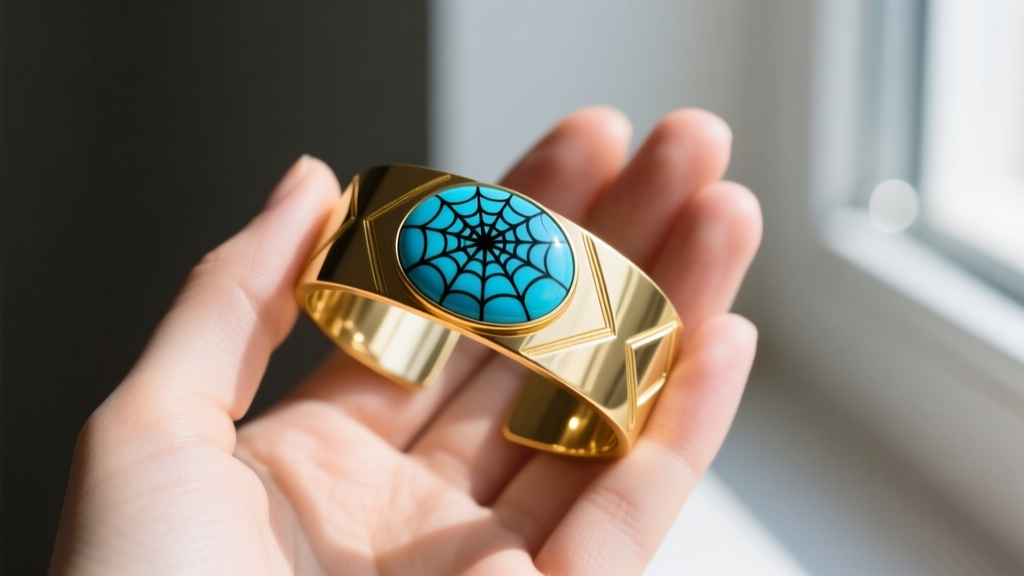
As we navigate the style landscape of 2026, the intersection of Kingman turquoise & jewelry design has undergone a radical transformation. Once heavily associated with traditional, weighty Southwestern tourist pieces, this iconic Arizona gemstone has been reclaimed by high-end contemporary jewelers and avant-garde designers. Mined in the Cerbat Mountains of northwestern Arizona, Kingman turquoise is celebrated for its brilliant, intense blue hue and striking matrix patterns. Today, the market is shifting away from ornate, heavy silver squash blossom necklaces toward sleek, architectural designs that let the stone's natural geometry take center stage.
The modern consumer demands transparency, origin-tracking, and unique material characteristics. Kingman turquoise, sourced from one of the oldest and largest producing mines in the United States (currently operated by the Colpean family), offers a distinctly American heritage that resonates with the 2026 'Desert Modernism' aesthetic. This trend blends raw, organic textures with ultra-refined metalwork, creating a juxtaposition that appeals to both fine jewelry collectors and fashion-forward minimalists.
Decoding the Matrix: Grading and Valuation
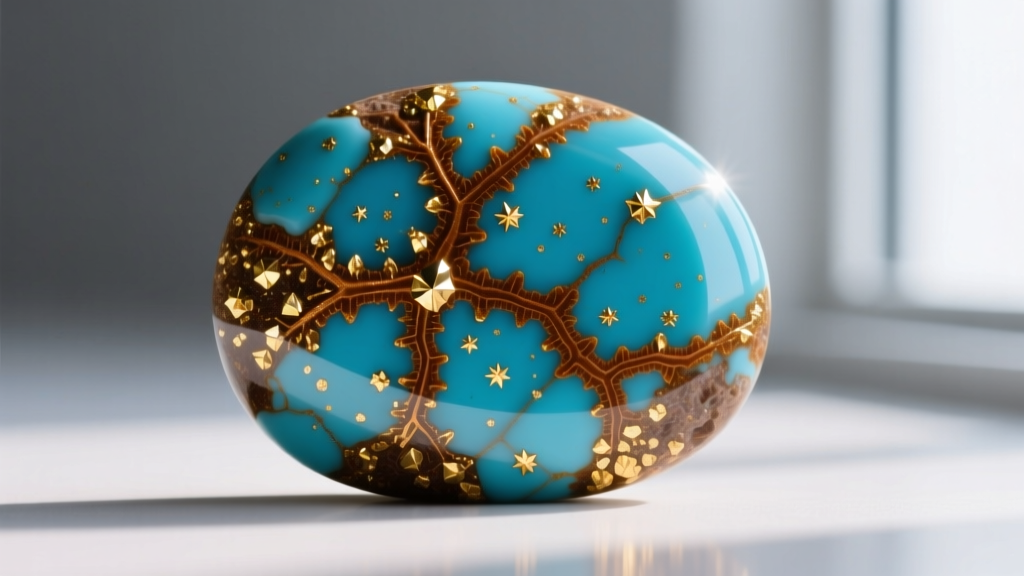
To understand the value of Kingman turquoise in today's market, one must look beyond the base color and examine the matrix—the host rock or mineral inclusions trapped within the gem. While Persian turquoise is often prized for its 'clear' blue lack of matrix, Kingman stones are frequently celebrated for their intricate webbing. The presence of golden pyrite (fool's gold) flecks or tight, black limonite spiderwebbing can exponentially increase a stone's desirability and price per carat.
According to mineralogical data from Mindat.org, turquoise is a hydrous phosphate of copper and aluminum, scoring between 5.5 and 6 on the Mohs hardness scale. Because of this relative softness and natural porosity, the vast majority of Kingman turquoise on the commercial market is stabilized. However, high-grade, naturally hard stones that require no treatment are exceptionally rare and command premium prices.
2026 Kingman Turquoise Pricing & Grading Chart
| Grade / Type | Treatment Status | Matrix Characteristics | Est. Price (Per Carat) |
|---|---|---|---|
| Gem Grade Natural | Untreated (Rare) | Brilliant blue, tight black/brown web or pyrite | $35 - $85+ |
| High-Grade Stabilized | Epoxy or Zachery | Enhanced color retention, distinct spiderweb | $10 - $25 |
| Commercial Stabilized | Polymer Resin | Uniform blue, faint or printed matrix | $3 - $8 |
| Reconstituted / Block | Chalk & Dye / Resin | Manufactured uniform color, no natural matrix | $0.50 - $2 |
2026 Style Trends: Moving Beyond Traditional Southwestern
The styling of Kingman turquoise & jewelry has evolved significantly. The heavy, oxidized sterling silver settings of the 1970s and 80s are being replaced by innovative metal combinations and precision setting techniques that protect the stone while maximizing its visual impact.
1. Mixed Metals and Architectural Bezels
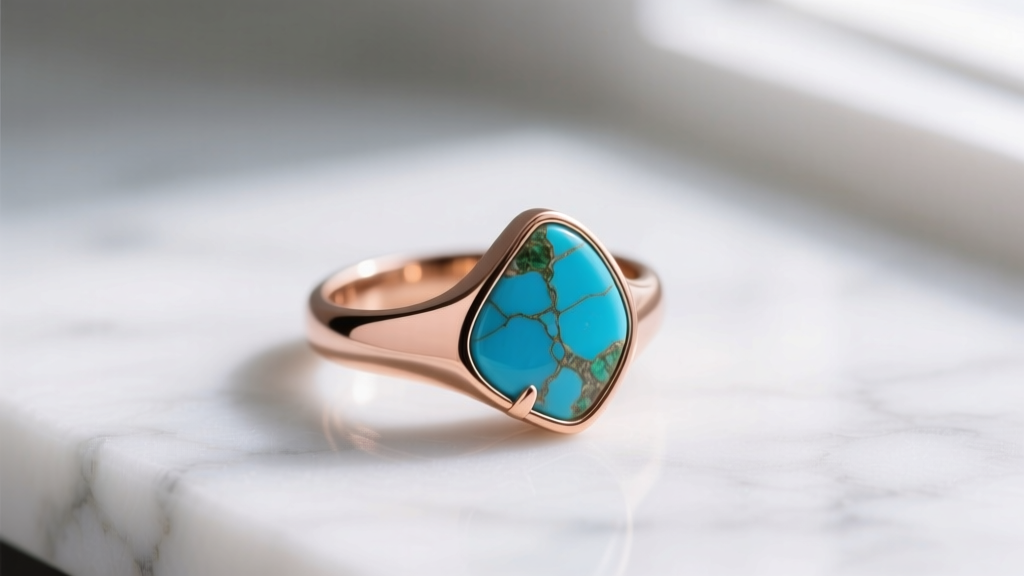
In 2026, mixed-metal settings are dominating the fine jewelry space. Artisans are pairing oxidized 18-gauge sterling silver bases with 14k rose gold bezels. The warmth of the rose gold subtly enhances the golden pyrite inclusions found in high-grade Kingman stones. Furthermore, bezel settings are being milled with architectural, knife-edge profiles rather than traditional rounded domes, giving the jewelry a sharp, contemporary silhouette that appeals to modern luxury buyers.
2. Asymmetric and Raw-Cut Statement Pieces
While perfectly domed cabochons remain a staple, there is a surging demand for 'rough' or asymmetrical cuts. Designers are utilizing flat-top, geometric slices of Kingman turquoise, setting them in tension or open-back mounts to allow light to interact with the stone's natural depth. For everyday wear rings, channel widths of 3mm to 5mm are trending, providing enough stone visibility while ensuring the metal shoulders protect the turquoise's edges from impact damage.
Authentication: Spotting Treated and Imitation Stones
As the demand for Kingman turquoise & jewelry rises, so does the prevalence of imitations. Dyed howlite and magnesite are frequently passed off as genuine turquoise. The Gemological Institute of America (GIA) notes that under magnification, dyed imitations will show color concentrated in the fissures and grain boundaries, whereas natural turquoise exhibits a more uniform distribution of color within the matrix.
Expert Authentication Tip: Avoid the destructive 'hot point' test, which involves touching a heated needle to the stone to smell for melting plastic (indicative of heavy polymer stabilization). Instead, use a 10x loupe to examine the matrix. Natural Kingman matrix will have sharp, distinct boundaries with the blue host stone. If the black webbing looks blurry, bleeds into the blue, or appears to sit only on the surface, you are likely looking at dyed howlite or reconstituted block turquoise.
It is also vital to understand the Zachery Treatment. Developed by electrical engineer James Zachery, this proprietary method hardens the turquoise and reduces its porosity without using dyes or traditional polymers. Zachery-treated Kingman turquoise is highly respected in the industry because it does not degrade or yellow over time like older epoxy treatments, and it polishes to a brilliant luster. Always ask jewelers for specific disclosure regarding the type of stabilization used.
Care & Maintenance for Longevity
Turquoise is a porous, delicate gemstone that requires specific care to maintain its vibrant color and structural integrity. Because Kingman turquoise can be slightly more porous than harder Persian varieties, proper maintenance is non-negotiable.
- Never Use Ultrasonic Cleaners: The high-frequency vibrations and heat can fracture the stone and break down stabilization resins, causing the turquoise to crack or cloud.
- Avoid Chemical Exposure: Turquoise is highly reactive to acids, cosmetics, perfumes, and household cleaners. Oils from the skin can actually enhance the stone's luster over time, but harsh chemicals will permanently alter its color, often turning it a sickly green.
- Proper Storage: Store Kingman turquoise jewelry in a soft, dry cloth pouch. Keep it away from direct, prolonged sunlight and extreme heat, which can dehydrate the stone and cause internal fracturing or 'crazing'.
- Gentle Cleaning: Use only a soft, damp microfiber cloth with a drop of mild, pH-neutral dish soap. Wipe gently and dry immediately.
Final Thoughts on Sourcing
The 2026 market for Kingman turquoise & jewelry rewards the educated buyer. By understanding the nuances of the matrix, the realities of stabilization, and the shift toward contemporary design, you can curate a collection that is both culturally significant and aesthetically cutting-edge. Whether you are investing in a gem-grade natural spiderweb cabochon or a sleek, stabilized geometric ring, Kingman turquoise remains a testament to the enduring beauty of the American Southwest, reimagined for the modern era.


