How to Make Shell Jewelry: Budget and Value Assessment
Learn how to make shell jewelry on a budget. We assess the true cost, sourcing high-grade organic gemstones, and maximizing DIY value.

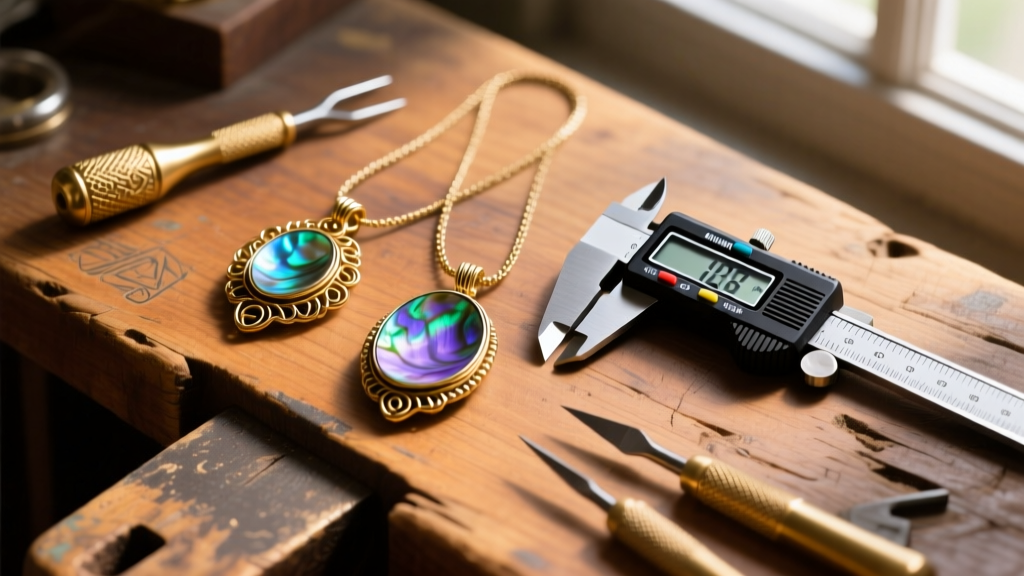
The True Cost of DIY Organic Gemstone Jewelry
When jewelers and hobbyists ask how to make shell jewelry, they often underestimate the material's classification and market value. In gemology, shells like abalone, mother-of-pearl (nacre), and conch are classified as organic gemstones, placing them in the same prestigious category as pearls, amber, and jet. According to the GIA Gem Encyclopedia, organic gemstones require specialized care and sourcing to maintain their structural integrity and market value. Understanding how to make shell jewelry from a budget perspective means recognizing the vast difference between mass-produced, dyed freshwater shell beads and high-grade, ethically sourced lapidary cabochons.
The budget-friendly appeal of shell jewelry is a double-edged sword. While you can purchase a strand of dyed shell beads for under $5, these materials offer virtually no resale value and fade quickly. Conversely, Grade A New Zealand Paua (abalone) or natural pink conch cabochons command wholesale prices of $15 to $45 per stone. Learning how to make shell jewelry that holds its value requires shifting your mindset from cheap craft supplies to investment-grade organic gemstones, utilizing precision fabrication techniques that protect the stone and elevate the final piece's perceived value.
Sourcing High-Value Shells Without Breaking the Bank
To maximize your budget, you must bypass retail craft stores and source directly from lapidary wholesalers or specialized gem shows. The value of shell jewelry hinges entirely on the grade of the nacre. Here is a breakdown of the most valuable organic shell materials and what to look for when sourcing:
- New Zealand Paua (Abalone): Grade A features deep, electric blue and green flash with minimal white calcite matrix. Wholesale cost: $18–$28 for a 30x20mm cabochon. Avoid Grade B, which is pale and heavily calcified.
- Mother-of-Pearl (Nacre): Sourced from pearl-producing oysters. High-value pieces exhibit a thick, mirror-like luster without chalky spots. Wholesale cost: $8–$15 for large, custom-cut geometric shapes.
- Pink Conch (Queen Conch): Highly prized for its natural pink hue and unique 'flame' structure. Due to CITES regulations, ensure your supplier provides proper documentation. Wholesale cost: $30–$60+ for small, high-quality cabochons.
By purchasing rough shell pieces and cutting them yourself with a diamond lapidary saw, you can reduce your per-carat cost by up to 70%, though this requires an initial equipment investment of roughly $250 for a basic trim saw and grinding wheels.
Material & Findings Budget Breakdown
Knowing how to make shell jewelry that looks expensive requires pairing your organic gemstones with the right metal findings. Below is a comparative budget assessment of common jewelry metals and their impact on the final retail value of your shell pieces in the current 2026 market.
| Material / Finding | Average Cost (per oz/unit) | Durability & Tarnish Resistance | Value Impact on Final Piece |
|---|---|---|---|
| 20ga Dead-Soft Brass | $4.50 / oz | Low (tarnishes quickly, requires sealing) | Low (perceived as costume jewelry) |
| 20ga Argentium Silver | $42.00 / oz | High (highly tarnish-resistant, hypoallergenic) | High (commands fine jewelry pricing) |
| 14k Gold-Filled Wire | $28.00 / 10ft spool | Medium-High (thick gold layer, durable) | Medium-High (excellent for premium bridge pieces) |
| 1mm Diamond Drill Bits | $12.00 / pack of 5 | N/A (consumable tooling) | Essential for clean, crack-free shell drilling |
Step-by-Step Value Maximization Techniques
Fabricating shell requires specific techniques to prevent catastrophic failure. Shell is an organic composite of calcium carbonate and conchiolin, giving it a Mohs hardness of just 2.5 to 4.0, as noted by mineralogical databases like Mindat.org. This relative softness means aggressive setting methods will shatter the stone.
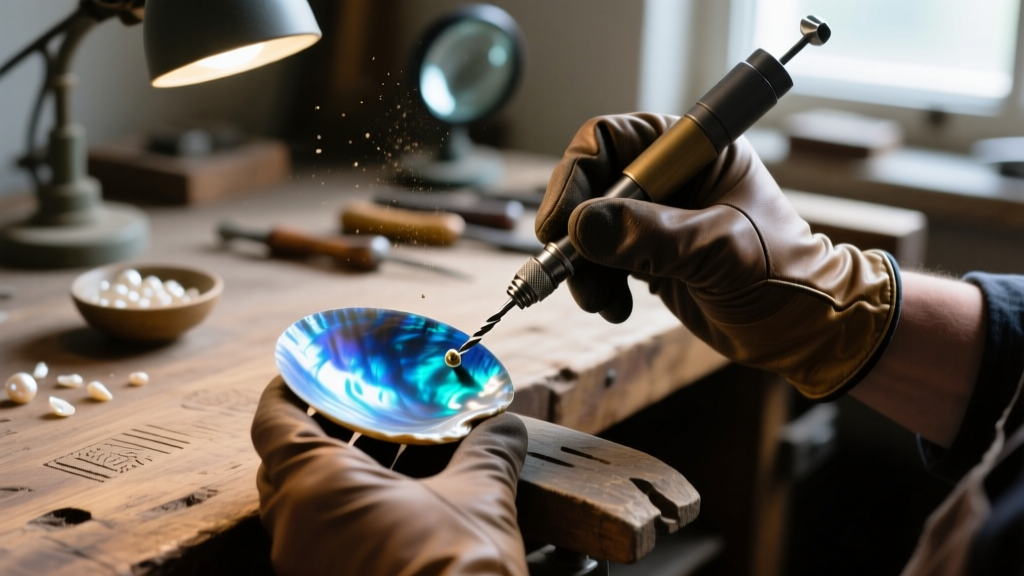
Precision Drilling for Pendants
If your design requires drilling through the shell, never use standard steel twist bits. You must use a 1mm diamond-coated core drill bit attached to a flex shaft. Crucially, you must drill under a continuous drip of water or submerged in a shallow water bath. This serves two purposes: it prevents thermal shock from fracturing the nacre layers, and it suppresses hazardous nacre dust, which can cause severe respiratory issues if inhaled. Always drill from the top down, stopping just before the bit breaks through, then flip the shell and drill from the back to prevent 'blowout' chipping on the exit hole.
Wire Wrapping vs. Bezel Setting
For budget-conscious makers, wire wrapping is the most accessible method. Use 20-gauge dead-soft Argentium silver for the structural frame and 24-gauge for weaving. Argentium is highly recommended over sterling silver because its germanium content makes it virtually tarnish-proof, saving you time on polishing and increasing the piece's longevity.
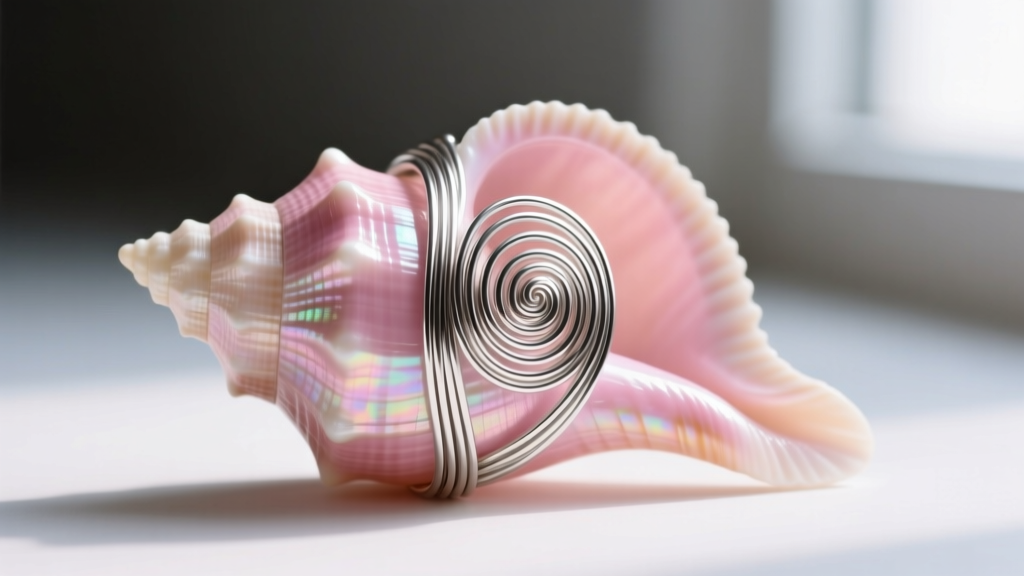
For higher-end pieces, consider fabricating a custom bezel. Because shell cabochons are often cut with slight domes or irregularities, a standard push-bezel can exert too much downward pressure and crack the stone. Instead, use a 'tabbed' bezel setting or a gallery wire bezel, which requires less downward force when burnishing the metal over the edge of the organic gemstone.
Assessing the ROI: DIY vs. Retail Pricing
Is the time and material investment worth it when you learn how to make shell jewelry at home? Let us assess the Return on Investment (ROI) for a standard Grade A Paua Abalone pendant.
The DIY Cost Breakdown:
Grade A Paua Cabochon (30x20mm): $22.00
Argentium Silver Wire (approx. 0.2 oz): $8.40
Consumables (drill bit wear, polishing compound): $2.00
Total Material Cost: $32.40
In the 2026 retail market, a wire-wrapped, high-grade abalone pendant set in tarnish-resistant silver easily retails for $110 to $160 in boutique galleries and online artisan markets. This represents a markup of roughly 3.5x to 5x your material cost. By contrast, buying a comparable retail piece outright would cost you the full $150. The budget value of DIY shell jewelry lies not just in the savings, but in the ability to control the quality of the organic gemstone, ensuring you are not paying premium prices for dyed, low-grade calcite masquerading as high-end nacre.
Care and Longevity of Organic Shell Jewelry
To protect the financial and aesthetic value of your creations, you must educate your end-users (or yourself) on proper organic gemstone care. Shell is highly reactive to acids and harsh chemicals.
- Never use ultrasonic cleaners: The high-frequency vibrations will delaminate the nacre layers, causing the shell to peel or shatter.
- Avoid chemical dips: Commercial silver polishing dips contain thiourea and acids that will instantly etch and dull the surface of the shell. Always mask the shell with tape if you must chemically clean the metal findings.
- Polishing: Use only a soft muslin wheel with a mild, non-abrasive plastic polishing compound to bring up the final luster of the shell without grinding away the delicate top layers of nacre.
By mastering these sourcing, fabrication, and care protocols, you transform the simple query of how to make shell jewelry into a profitable, value-driven lapidary practice that respects the organic origins of these beautiful gemstones.


