Beginner's Guide to Sleeping Beauty Turquoise Jewelry
Discover everything about Sleeping Beauty turquoise jewelry. Learn how to identify genuine stones, understand pricing, and care for your blue gems.

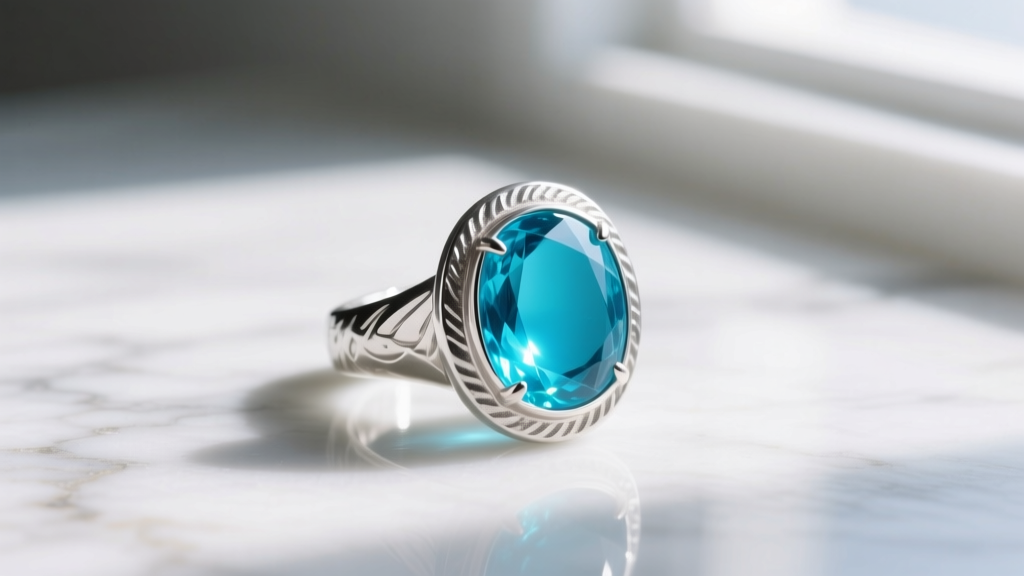
If you are stepping into the world of gemstone jewelry, few stones captivate the imagination quite like turquoise. However, not all turquoise is created equal. Among the myriad of varieties, Sleeping Beauty turquoise jewelry stands out as a pinnacle of purity and highly sought-after aesthetics. For beginners, navigating the market can be daunting due to the prevalence of imitations and confusing terminology. This guide will demystify this iconic gemstone, equipping you with the knowledge to buy, wear, and care for authentic pieces with confidence.
The Legacy of the Sleeping Beauty Mine
The story of this gem begins in Globe, Arizona, at the Sleeping Beauty mine. Named after the mountain range it was located in—which supposedly resembles a sleeping woman with her arms crossed—the mine was originally worked for copper and gold. It wasn't until the mid-20th century that the turquoise deposits were fully realized. What made this specific deposit legendary was its astonishing consistency. Unlike other mines that produce heavily varied stones, the Sleeping Beauty mine yielded massive quantities of uniform, vibrant blue turquoise.
Tragically for gem enthusiasts, the mine was permanently closed in 2012. The landowners opted to focus on copper mining and comply with strict environmental regulations, instantly freezing the global supply and elevating the stone to a highly collectible status. According to the Gemological Institute of America (GIA), the closure of major American mines has fundamentally shifted the turquoise market, making authentic American stones significantly more valuable and increasingly rare in newly manufactured jewelry.
Defining Characteristics: Color and Matrix
The primary hallmark of genuine Sleeping Beauty turquoise is its striking, uniform color. It ranges from a delicate sky blue to a rich, vibrant robin's egg blue. Equally important is what it lacks: matrix. Matrix refers to the brown, black, or golden host rock webbing that is common in other varieties, such as Kingman or Persian turquoise. While matrix is beautiful and desired by some collectors, the absence of it is the defining trait of the Sleeping Beauty variety.
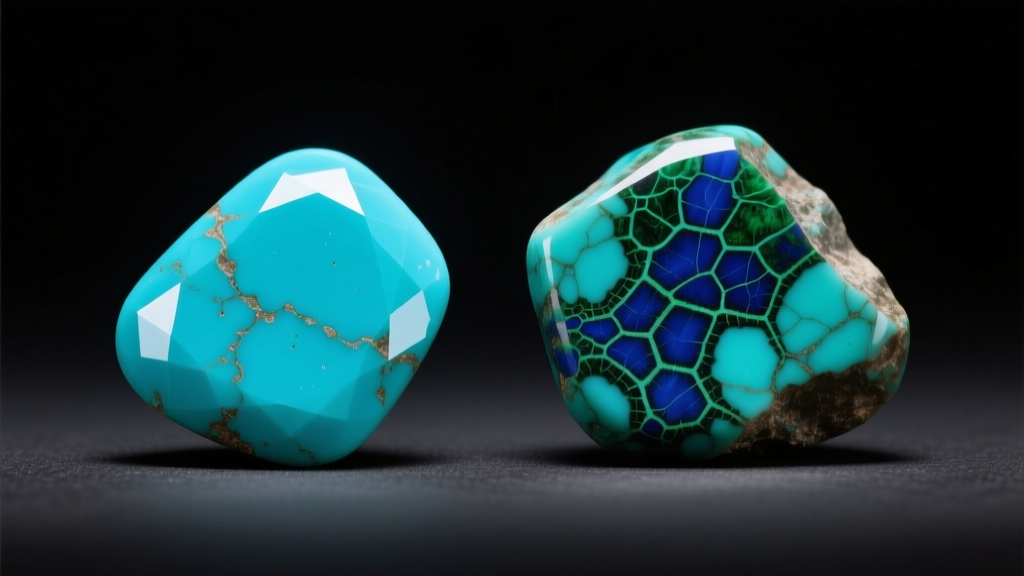
When examining a piece, you should expect a clean, unblemished surface. According to mineralogical data from Mindat.org, the chemical composition of turquoise is a hydrous phosphate of copper and aluminum, which dictates its blue hue. The specific geological conditions in Globe minimized the inclusion of iron and other host minerals, resulting in the famously pure blue cabochons that lapidaries love to cut.
Treatments: Stabilized vs. Natural vs. Dyed
As a beginner, understanding treatments is the most critical step in buying turquoise jewelry. Natural, untreated turquoise is incredibly porous and relatively soft, ranking between 5 and 6 on the Mohs hardness scale. Because of this, roughly 90% of the turquoise on the market undergoes some form of treatment.
Stabilization
Stabilization is an accepted and necessary industry practice. It involves subjecting the rough stone to pressure and introducing a clear epoxy or resin. This hardens the stone, making it durable enough for cutting, polishing, and daily wear, while locking in the color. Stabilized Sleeping Beauty turquoise is still considered genuine and is the standard for most high-quality jewelry. There is also the premium Zachery treatment, a proprietary method that uses a potassium-rich solution to harden the stone without introducing plastics, highly prized by high-end collectors.
Dyeing and Reconstitution
Dyeing, on the other hand, is a deceptive practice used to make low-grade or entirely different minerals (like howlite or magnesite) look like high-grade turquoise. Reconstituted turquoise involves grinding up turquoise dust, mixing it with resin and dye, and molding it into blocks. Always ask the jeweler if a stone is stabilized or dyed. If the color looks unnaturally neon, or if you see dark concentrations of color pooling in the cracks of the matrix, you are likely looking at a dyed imitation.
Pricing and Value Breakdown
The value of Sleeping Beauty turquoise jewelry is dictated by its origin, treatment, and the precision of the lapidary cut. Since the mine's closure, prices for natural, untreated stones have skyrocketed, while stabilized stones remain accessible but steadily appreciating.
| Category | Description | Estimated Price Range (Per Carat) | Durability for Daily Wear |
|---|---|---|---|
| Natural / Untreated | Pure, untreated stone. Rare, highly porous, requires extreme care. | $15.00 - $50.00+ | Low (Prone to scratching and color shift) |
| Stabilized | Genuine stone hardened with clear resin. Industry standard. | $3.00 - $12.00 | High (Excellent for rings and bracelets) |
| Dyed Howlite / Fake | White mineral dyed blue. Zero intrinsic turquoise value. | $0.10 - $0.50 | Medium (But lacks gemstone value) |
| Reconstituted | Turquoise dust mixed with resin and dye. Considered imitation. | $0.50 - $2.00 | High (But not genuine solid stone) |
Choosing the Right Jewelry Setting
When selecting a setting for your gemstone, the goal is to protect the stone while showcasing its pristine color. Bezel settings are the undisputed champion for turquoise. A bezel involves a thin strip of metal that wraps entirely around the perimeter of the cabochon. This protects the fragile edges from chipping—a common failure mode for prong-set turquoise where the stone is exposed to lateral impacts.
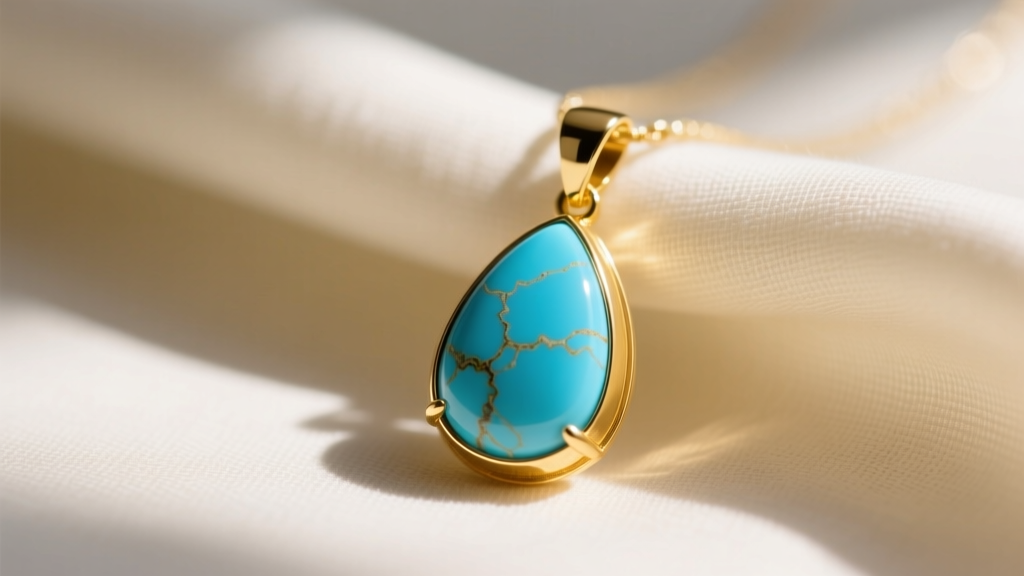
If you are purchasing a ring, pay close attention to the metal gauge and the shank thickness. Turquoise rings should feature a sturdy shank, ideally no thinner than 2.0mm, to prevent the band from bending and popping the stone out of its bezel cup. While sterling silver (925) is the traditional and most culturally significant pairing for American turquoise, 14k or 18k yellow gold provides a stunning, warm contrast that elevates the robin's egg blue to a luxurious, modern aesthetic. Avoid purchasing turquoise set in cheap brass or nickel alloys, as the metals can oxidize and stain the porous stone from underneath.
Daily Care and Maintenance
Proper maintenance is non-negotiable if you want your jewelry to retain its vibrant hue. Turquoise is highly sensitive to chemicals, oils, and sudden temperature changes. Follow these strict care protocols to ensure longevity:
- Avoid Ultrasonic Cleaners: The high-frequency vibrations can shatter stabilized stones or strip the polish from natural ones. Never put turquoise in an ultrasonic bath.
- The 'Last On, First Off' Rule: Always put your turquoise jewelry on after applying perfumes, lotions, and hairsprays. Remove it before washing your hands, swimming, or doing dishes.
- Managing Body Oils: While natural turquoise can change color (often turning greenish) over decades of absorbing skin oils, stabilized turquoise will resist this. However, excessive exposure to heavy oils can still degrade the resin over time.
- Proper Cleaning: Simply wipe the stone with a soft, slightly damp microfiber cloth after wearing it, and dry it immediately. When polishing a silver setting, use a treated silver polishing cloth only on the metal, being incredibly careful not to rub the polishing compounds onto the turquoise, as these contain harsh chemicals that will permanently etch the surface of the gem.
Building Your Collection
Investing in Sleeping Beauty turquoise jewelry is a rewarding endeavor that connects you to a rich slice of American geological history. By understanding the significance of the closed Globe mine, recognizing the visual cues of genuine matrix-free stones, and insisting on proper stabilization and protective bezel settings, you can confidently build a collection that will last a lifetime. Whether you choose a bold sterling silver cuff or a delicate gold pendant, this iconic blue gem remains a timeless staple in any jewelry wardrobe.


