14k Gold Filled Jewelry: 2026 Trend & Style Analysis
Discover the top 14k gold filled jewelry trends for 2026. Expert style analysis on layering, finishes, and how to spot high-quality demi-fine pieces.

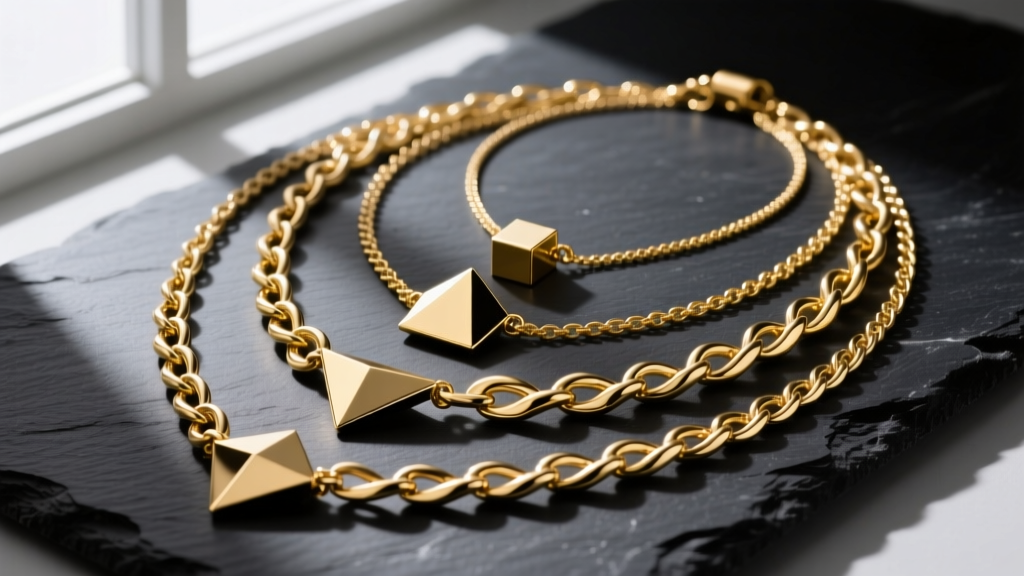
The jewelry market has undergone a massive structural shift over the last few years, and as we navigate 2026, the demi-fine category is no longer just a bridge between fast fashion and luxury—it is a dominant force in its own right. At the center of this revolution is 14k gold filled jewelry. Once relegated to basic hoop earrings and simple chain necklaces, gold filled metals are now the canvas for some of the most innovative, trend-setting designs on the market. For style enthusiasts and collectors alike, understanding the technical merits and aesthetic trajectories of this material is essential for building a modern, resilient jewelry wardrobe.
The Demi-Fine Revolution: Why 14k Gold Filled is Peaking
To understand the 2026 style landscape, we must first separate marketing fiction from metallurgical fact. According to the Federal Trade Commission (FTC), for a piece to be legally stamped and sold as "gold filled," the gold layer must constitute at least 1/20th (5%) of the total weight of the item. This is not a microscopic wash; it is a substantial, mechanically bonded layer of 14k gold that is fused to a brass or copper core using extreme heat and pressure.
Unlike electroplated jewelry, which typically boasts a gold thickness of 0.1 to 0.5 microns, high-quality 14k gold filled jewelry features a gold layer ranging from 2.5 to over 5 microns. This exponential difference in material volume means that gold filled pieces can withstand years of daily wear, friction, and environmental exposure without flaking or exposing the base metal beneath. In 2026, as consumers increasingly reject disposable fashion in favor of "buy-it-for-life" accessibility, gold filled has become the undisputed king of the accessible luxury tier.
2026 Aesthetic Trends in Gold Filled Designs
Designers are no longer treating gold filled wire and sheet metal as mere substitutes for solid gold. Instead, they are leveraging the material's unique structural properties to create pieces that define this year's aesthetics.
Liquid Metal and Molten Textures
The organic, asymmetrical "liquid metal" trend has fully matured in 2026. Because 14k gold filled sheet metal possesses a rigid brass core, it holds complex, sculptural shapes far better than soft, high-karat solid gold. Designers are utilizing this tensile strength to create molten-looking cuff bracelets, asymmetrical drop earrings, and free-form signet rings that appear to have been poured rather than cast. The result is an avant-garde, high-fashion look that remains lightweight and affordable.

The Two-Tone Resurgence
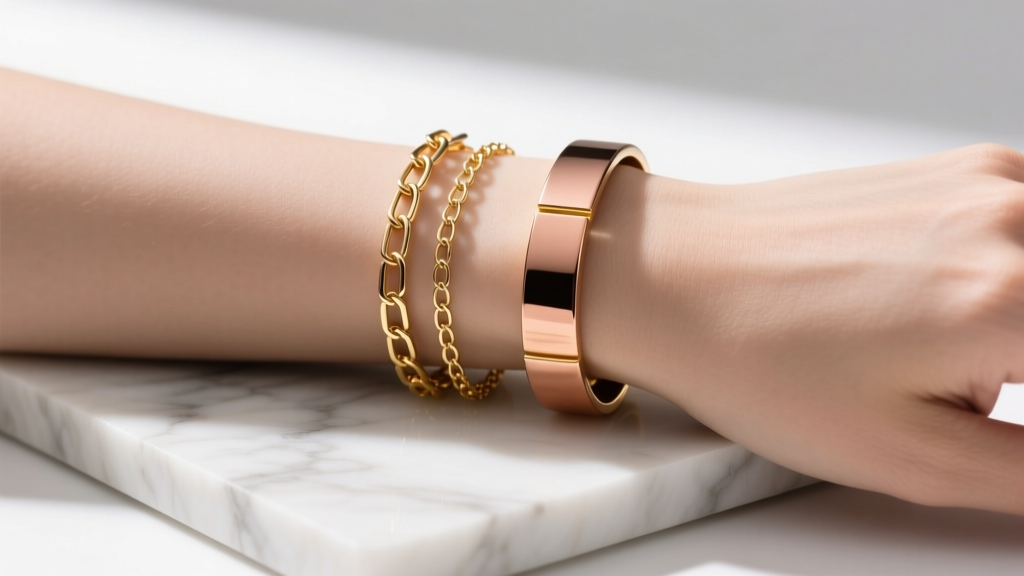
Mixed-metal styling is dominating 2026, and gold filled jewelry is playing a pivotal role. We are seeing a surge in "double-clad" gold filled materials being intentionally sanded or etched to reveal the warm, reddish hue of the copper or brass core beneath. This creates a striking, intentional two-tone effect within a single piece, allowing wearers to seamlessly bridge their silver and gold collections without purchasing separate items.
Technical Breakdown: What Separates 2026's Best from the Rest
Not all gold-alternative jewelry is created equal. When curating your collection, it is vital to understand where 14k gold filled sits in the hierarchy of gold finishes. Below is a comparative analysis of the current market standards.
| Metal Type | Gold Thickness | Core Material | Expected Lifespan (Daily Wear) | 2026 Avg. Price (18" Chain) |
|---|---|---|---|---|
| Flash Gold Plated | < 0.1 microns | Brass / Nickel | 1 - 6 Months | $15 - $35 |
| Gold Vermeil | 2.5+ microns | Sterling Silver | 1 - 3 Years | $60 - $120 |
| 14k Gold Filled | 2.5 - 5+ microns | Jeweler's Brass | 10 - 30+ Years | $45 - $95 |
| Solid 14k Gold | 100% (Solid) | Gold Alloy | Lifetime / Heirloom | $400 - $800+ |
"The brilliance of modern 14k gold filled manufacturing lies in the single-clad versus double-clad technique. Single-clad wire has gold on only one side, perfect for flat stamping, while double-clad ensures the gold wraps entirely around the brass core, making it ideal for seamless hoop earrings and wire-wrapped rings." — Industry Manufacturing Standards, JCK Online
Styling Frameworks: How to Wear Gold Filled This Year
Styling demi-fine jewelry requires an understanding of scale, gauge, and spatial distribution. Here is a practical framework for executing the top 2026 trends using 14k gold filled pieces.
The Curated Ear Curation
When building an ear stack with gold filled jewelry, pay strict attention to wire gauge. Most standard lobe piercings are 18g or 16g.
- 16-Gauge (1.2mm): Ideal for structural pieces like chunky gold filled huggies or heavy geometric drops. The thicker brass core provides necessary support without bending.
- 18-Gauge (1.0mm): Best for delicate seamless hoops, cartilage studs, and threaded flat-backs.
- 20-Gauge (0.8mm): Reserved for ultra-fine ear cuffs and wire-wrapping. Avoid using 20g gold filled wire for load-bearing rings, as the brass core at this thinness is prone to warping.
The Rule of Three for Necklaces
The maximalist layering trend of the early 2020s has evolved into a more deliberate, spaced-out approach. The 2026 standard for necklace layering relies on exact length differentials to prevent tangling and visual clutter:
- The Anchor (15-16 inches): A delicate 14k gold filled cable or box chain sitting at the collarbone.
- The Focal Point (18-20 inches): A medium-weight paperclip or rolo chain featuring a singular, textured pendant (like a molten gold drop or an uncut gemstone).
- The Terminator (24-26 inches): A heavy, long rope chain or lariat that draws the eye downward, elongating the torso.
Care & Longevity: Preserving the Demi-Fine Investment
While 14k gold filled jewelry is remarkably durable, it is not impervious to chemical degradation. The primary enemy of gold filled jewelry is galvanic corrosion and chemical stripping. According to gemological care guidelines outlined by the Gemological Institute of America (GIA), exposure to harsh chlorides can compromise metal alloys over time.
Actionable Care Protocol:
- Avoid Chlorine at All Costs: Swimming in chlorinated pools or hot tubs while wearing gold filled jewelry will cause the zinc and copper in the 14k gold alloy (and the brass core, if exposed) to react, leading to irreversible micro-pitting and dark tarnishing.
- Ditch the Thiourea: Many commercial silver and gold dip cleaners contain thiourea, a toxic chemical that strips metal layers. Never use liquid dips on gold filled items.
- The Polishing Cloth Rule: Use only a dry, untreated microfiber cloth or a specifically treated gold polishing cloth (like a Sunshine cloth) for routine maintenance. Wipe down your pieces after wear to remove sebum and acidic sweat, which can slowly dull the high-polish finish over months of continuous contact.
Final Verdict on the 2026 Gold Filled Market
14k gold filled jewelry has officially transcended its reputation as a mere "alternative" to solid gold. In 2026, it stands as a premier material for trend-focused, high-quality styling that doesn't demand a luxury budget. By understanding the mechanical bonding process, adhering to proper gauge specifications for piercings, and executing deliberate layering frameworks, you can build a demi-fine collection that looks indistinguishable from high-end luxury—and lasts for decades. Whether you are investing in molten-textured cuffs or mastering the mixed-metal ear stack, gold filled remains the smartest stylistic investment you can make this year.


