Restoring 90s Gold Jewelry: Expert Cleaning & Care Tips
Discover expert methods for cleaning and maintaining vintage 90s gold jewelry. Learn how to safely restore chunky chains, hoops, and vermeil pieces.

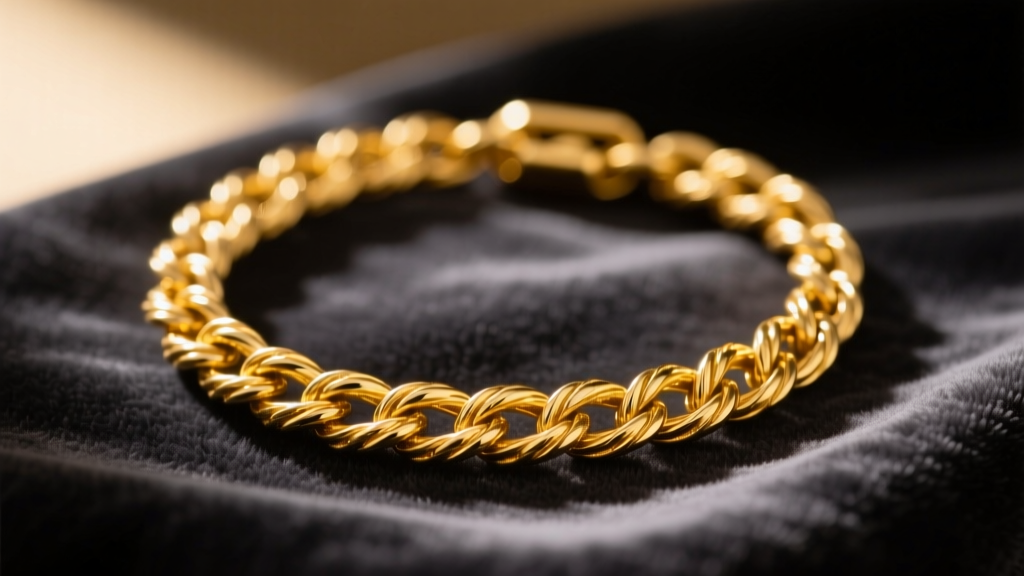
The Unique Anatomy of 90s Gold Jewelry
The 1990s was a transformative decade for gold jewelry, characterized by bold silhouettes, heavy carat weights, and the mainstream explosion of hip-hop culture's influence on fine jewelry. Today, authentic 90s gold jewelry is highly sought after as vintage collectibles. However, caring for these pieces requires an understanding of their specific construction and metallurgy. Unlike modern minimalist pieces, 90s staples—such as thick Cuban links, hollow rope chains, and oversized bamboo hoop earrings—present unique maintenance challenges.
During this era, 10k and 14k gold alloys were the industry standard for everyday streetwear and statement pieces due to their superior durability and lower price point compared to 18k or 24k gold. The addition of copper, silver, and zinc in these lower-karat alloys makes them more resistant to bending, but it also makes them slightly more susceptible to surface tarnish and environmental grime buildup over three decades of wear. Furthermore, the 90s saw a massive surge in gold vermeil (gold plated over sterling silver) and heavy gold electroplate, particularly in mall-brand jewelry and pop-culture accessories. Identifying whether your vintage piece is solid gold, hollow-core, or vermeil is the critical first step before applying any cleaning protocol.
Essential Cleaning Protocols for Solid 90s Gold
For solid 10k, 14k, and 18k gold pieces from the 90s, the goal is to lift decades of accumulated sebum, lotions, and environmental pollutants without scratching the metal or damaging the alloy mix. According to the Gemological Institute of America (GIA), gentle surfactants are the safest choice for gold alloys.
The Safe Soak and Agitate Method
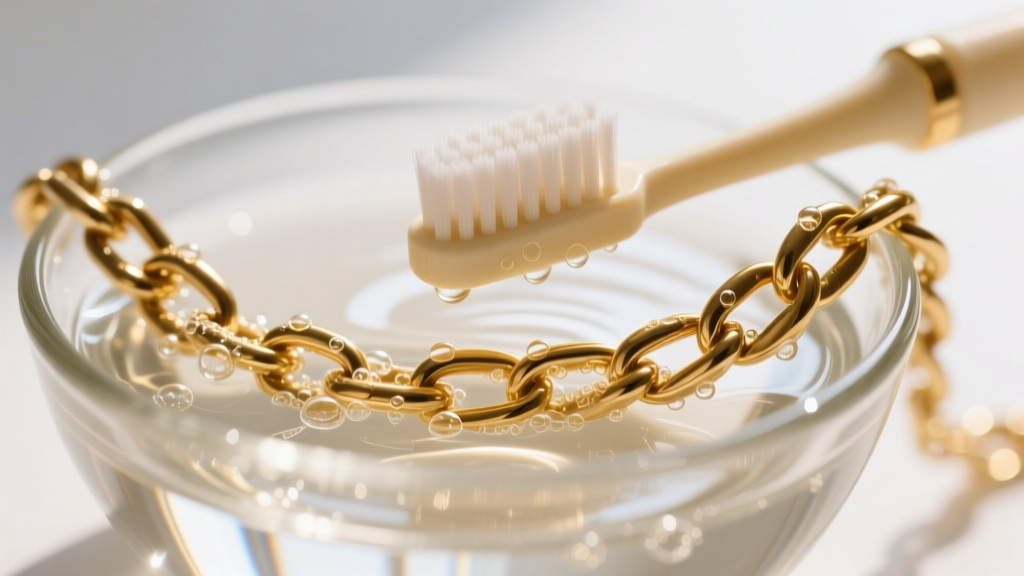
- Preparation: Mix three drops of mild, phosphate-free dish soap (like original Dawn) into a bowl of lukewarm distilled water. Avoid tap water, as heavy minerals and chlorine can leave micro-deposits on the gold.
- Soaking: Submerge your solid gold chains, rings, or bracelets for 10 to 15 minutes. This softens hardened grime trapped in the intricate links of Figaro or rope chains.
- Agitation: Use a brand-new, extra-soft baby toothbrush to gently sweep the bristles along the crevices of the links. Never use a standard adult toothbrush, as the stiff nylon bristles can create micro-scratches on high-polish 90s gold surfaces.
- Rinsing and Drying: Rinse thoroughly under a gentle stream of distilled water. Pat dry with a lint-free microfiber cloth, ensuring no moisture is trapped inside the clasps.
The Ultrasonic Cleaner Warning
While ultrasonic cleaners are excellent for diamond settings, they are highly dangerous for many 90s gold chains. The 90s popularized "hollow gold" manufacturing techniques, where gold tubing is used to create massive, chunky rope and Cuban chains that are lightweight and affordable. The high-frequency cavitation bubbles generated by an ultrasonic cleaner can easily collapse the thin walls of hollow vintage chains or shatter weakened, decades-old solder points. Always stick to manual cleaning for hollow vintage gold.
Handling 90s Gold Vermeil and Plated Pieces
Gold vermeil and heavy gold plate were ubiquitous in 90s fashion jewelry. Over 30 years, the top layer of gold on these pieces has likely thinned, revealing the sterling silver or brass base metal beneath. Cleaning these requires a drastically different approach to prevent stripping the remaining gold layer.
Expert Insight: Never use commercial liquid gold dips or chemical tarnish removers on 90s vermeil. These solutions rely on thiourea and harsh acids that will instantly strip the thin gold plating, leaving you with a raw silver or brass piece.
Instead, use a dry, untreated jeweler's polishing cloth to gently buff the surface. If the piece is heavily soiled, use a barely damp microfiber cloth with a single drop of dish soap, wiping gently without applying downward pressure. The Federal Trade Commission (FTC) guidelines note that gold plating is measured in microns; vintage 90s plating is often less than 2.5 microns thick, making it incredibly fragile to abrasion.
Cleaning Agents: What to Use and What to Avoid
To help you navigate the myriad of home remedies and commercial products, refer to this decision matrix before applying any substance to your vintage 90s gold jewelry.
| Cleaning Agent | Suitable for Solid 90s Gold? | Suitable for 90s Vermeil? | Expert Notes & Risks |
|---|---|---|---|
| Mild Dish Soap & Distilled Water | Yes (Highly Recommended) | Yes (Use Sparingly) | Safest method. Lifts oils without chemical reactions. |
| Baking Soda Paste | No | Absolutely Not | Highly abrasive. Will cause micro-scratches and dull the high-polish finish of 90s chains. |
| Whitening Toothpaste | No | No | Contains silica abrasives that will permanently haze the gold surface. |
| Commercial Liquid Dips | No | No | Strips alloyed metals and instantly removes gold plating/vermeil. |
| Ultrasonic Cleaners | Only for Solid Cast Pieces | No | Will shatter hollow 90s chains and vibrate loose any glued gemstones. |
Structural Maintenance: Clasps, Links, and Solder Points
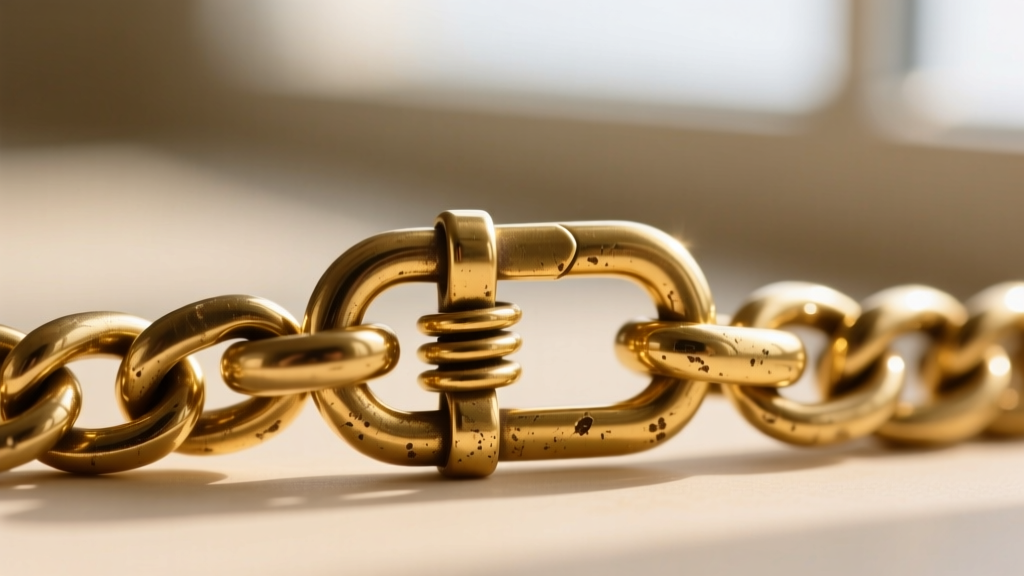
Cleaning is only half the battle; maintaining the structural integrity of 30-year-old jewelry is paramount. The 90s saw the transition from small spring-ring clasps to heavier lobster clasps to accommodate the era's chunky chain trends.
Inspecting the Lobster Clasp Mechanism
Lobster clasps from the 90s often suffer from spring fatigue. Over decades of use, the internal steel spring (which is rarely made of gold due to gold's lack of spring tension) can rust or lose its recoil. Test the lever: it should snap back instantly and flush against the clasp body. If it returns sluggishly or leaves a gap, the clasp is a major drop-risk for heavy gold chains. A professional jeweler can replace the internal spring or laser-weld a modern 14k lobster clasp onto the vintage chain without compromising the original links.
Checking Herringbone and Snake Chains
Herringbone chains were a massive 90s staple, prized for their liquid-like drape. However, their flat, interlocking links are notoriously prone to kinking. Never attempt to pull a kink out of a vintage herringbone chain with pliers; this will permanently stretch and snap the links. Instead, lay the chain flat on a glass surface and use two soft wooden toothpicks to gently massage the kink back into alignment. If a link is bent upward, it must be professionally flattened using a jeweler's rawhide mallet.
Proper Storage to Prevent Tarnish and Tangling
Because 10k and 14k gold contain higher percentages of copper and silver, they are prone to oxidation when exposed to humidity and sulfur in the air. Proper storage is critical for preserving the luster of your 90s collection.
- Anti-Tarnish Strips: Place 3M anti-tarnish strips inside your jewelry box. These strips absorb airborne sulfur compounds before they can react with the copper alloys in your 10k and 14k pieces.
- Individual Poly Bags: Store each chain in its own sealed, acid-free polyethylene bag. This prevents the links of different chains from grinding against each other, which causes premature wear on the friction points.
- Never Hang Herringbone or Snake Chains: Gravity will pull on the flat links, causing them to stretch and separate over time. Always lay these specific 90s styles completely flat in a lined drawer.
When to Seek Professional Restoration
While home maintenance is excellent for surface cleaning, certain issues require a master jeweler. If your 90s gold vermeil pieces have completely worn down to the base metal, a professional can polish the piece and perform electroplating to restore the gold layer. For solid gold chains with micro-fractures or blown-out solder points (common in vintage Cuban links), seek out a jeweler who specializes in laser soldering. Traditional torch soldering requires heating a large area of the chain, which can melt the intricate 90s link patterns or cause fire-scale on the gold. Laser soldering uses a highly focused beam to fuse the gold at a microscopic level, preserving the vintage integrity and surrounding links without heat damage.
By understanding the specific metallurgical and structural nuances of 90s gold jewelry, you can ensure these iconic pieces remain in pristine condition for decades to come. For more foundational knowledge on precious metal care, consult the American Gem Society's comprehensive care guides.


