How to Polish Gold Jewelry: Budget DIY vs Professional Costs
Discover how to polish gold jewelry safely. Compare DIY budget methods vs professional costs, and learn how over-polishing impacts resale value.

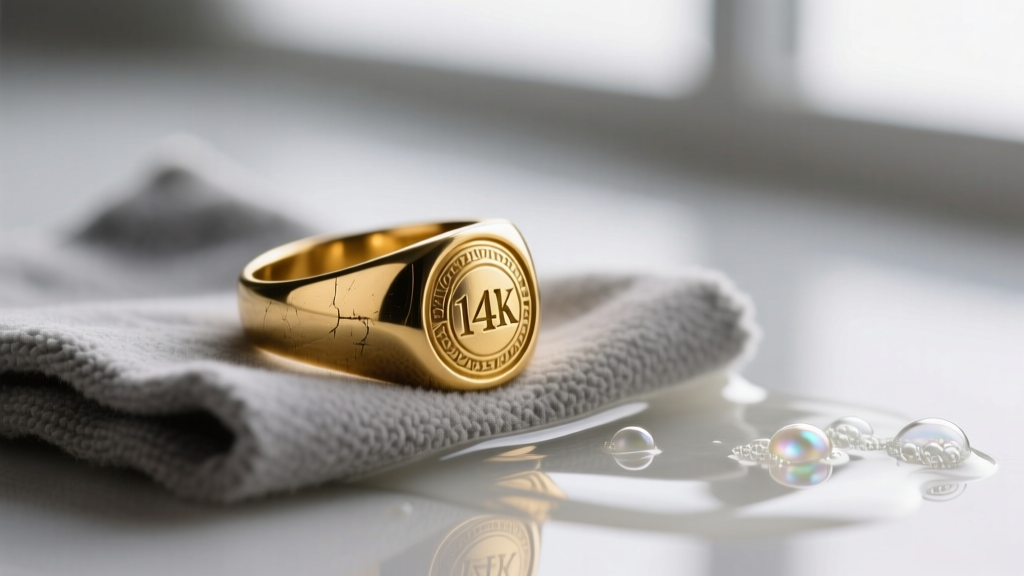
Gold jewelry is both a wearable art form and a tangible financial asset. Whether you are holding onto a family heirloom, a 14k daily-wear chain, or an 18k investment piece, maintaining its luster is essential. However, when researching how to polish gold jewelry, most guides ignore the financial and metallurgical realities of the process. Polishing is inherently abrasive; it removes microscopic layers of metal to reveal the shine beneath. Done incorrectly, or done too often, you risk destroying intricate details, stripping valuable hallmarks, and ultimately reducing the resale value of your piece.
From a budget and value assessment perspective, you must weigh the low upfront cost of DIY methods against the long-term value preservation offered by professional jewelers. This guide breaks down the exact costs, material risks, and strategic frameworks for polishing your gold jewelry without compromising your investment.
The True Cost of Polishing: DIY vs. Professional Services
Before you reach for a polishing cloth or book an appointment, it is crucial to understand the financial landscape of gold maintenance. Professional jewelry polishing is not a monolithic service; it ranges from a basic ultrasonic clean to a full mechanical buff and re-plating. Conversely, DIY methods require minimal capital but demand strict discipline to avoid catastrophic surface damage.
| Polishing Method | Estimated Cost | Best For | Value Impact / Risk |
|---|---|---|---|
| DIY Soap & Microfiber | $3 - $10 | Routine maintenance, light oils | Zero metal loss; preserves value |
| DIY Treated Cloth (e.g., Sunshine) | $8 - $15 | Mild tarnish on 10k/14k gold | Minimal metal loss; safe if used quarterly |
| Pro Ultrasonic & Steam Clean | $15 - $35 | Diamond/gemstone settings | No metal loss; restores brilliance |
| Pro Light Machine Polish | $45 - $85 | Scratched 14k/18k bands | Micron-level metal loss; restores shine |
| Pro Heavy Buff & Rhodium (White Gold) | $85 - $150+ | Deep scratches, white gold | Significant metal loss; required for white gold color |
As the Jewelers of America notes, professional cleaning is recommended at least once a year to check prong integrity, which often includes a complimentary light steam clean. However, actual mechanical polishing (using a buffing wheel and rouge compound) should be budgeted for only when scratches actively detract from the piece's aesthetic or resale value.
How to Polish Gold Jewelry at Home (The Budget Way)
If your goal is to remove daily oils, lotion buildup, and light environmental dullness without spending money at a jeweler, a wet wash is your safest, most budget-friendly route. This method does not remove gold; it simply clears the debris masking the metal's natural reflectivity.
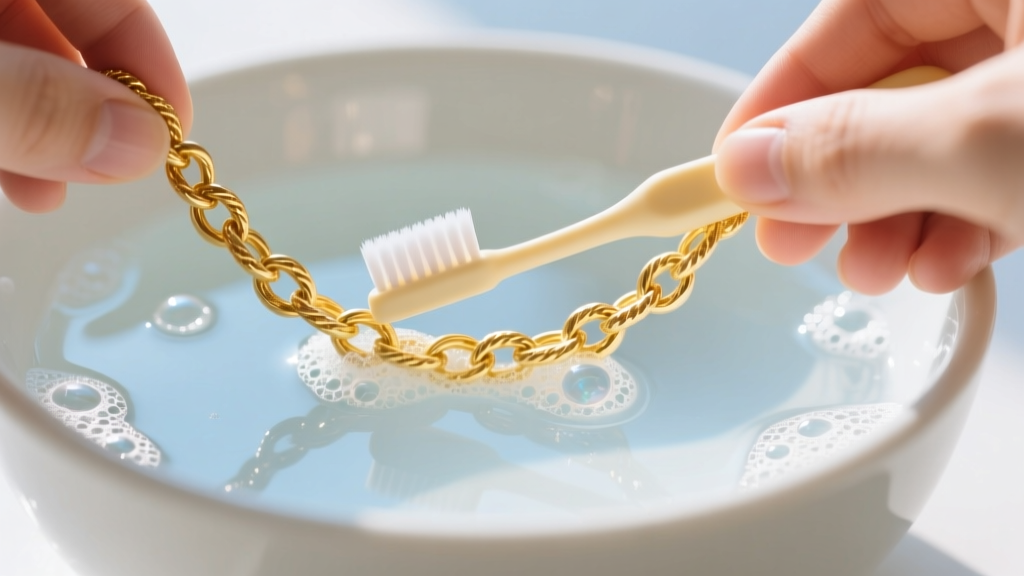
The 4-Step Budget Wash Protocol
- The Solution: Mix 3 drops of mild, phosphate-free dish soap (like Dawn) into a bowl of lukewarm water. Avoid hot water, which can shock certain gemstone inclusions.
- The Soak: Submerge your solid gold jewelry for 15 to 20 minutes. This softens hardened sebum and cosmetic residues trapped in chain links or under gallery wires.
- The Agitation: Use an extra-soft baby toothbrush. Gently brush the gold, paying special attention to the backs of settings and chain clasps. Never use a standard adult toothbrush; the bristles are stiff enough to micro-scratch high-karat gold (18k and above).
- The Dry: Rinse under lukewarm running water and pat dry with a lint-free microfiber cloth. Air-drying leaves hard water spots that mimic tarnish.
For slightly more stubborn dullness on 10k or 14k gold, invest in a high-quality jeweler's treated cloth (costing around $8). These cloths are impregnated with micro-abrasives and anti-tarnish agents. They are highly cost-effective, lasting for dozens of uses, but must be used gently to avoid wearing down sharp edges over time.
The Hidden Value Killer: Over-Polishing and Metal Loss
The most common mistake consumers make when trying to save money on jewelry care is using aggressive household abrasives. The internet is rife with "budget hacks" suggesting toothpaste, baking soda pastes, or aluminum foil baths. From a value assessment standpoint, these are disastrous.
"Gold is a remarkably soft metal. When a client brings in a vintage ring with rounded, soft edges, it is almost always because they spent years scrubbing it with baking soda or toothpaste. They saved $50 on a professional polish but destroyed $500 worth of antique detailing and metal weight." — Master Bench Jeweler
The Metallurgy of Abrasives
To understand why household items ruin gold, we must look at hardness scales. Toothpaste contains silica or calcium carbonate designed to scrub enamel (Mohs hardness of 5). Pure 24k gold sits at a Mohs hardness of 2.5 to 3. Even alloyed 14k gold only reaches about 3.5 to 4. Scrubbing gold with toothpaste is akin to sanding a hardwood floor with gravel. You will rapidly remove microns of gold, dulling the surface and leaving a matte, scratched finish that requires professional re-polishing to fix.
Furthermore, different karats react differently to polishing friction:
- 10k Gold (41.7% pure): High Vickers Hardness (HV). Highly resistant to scratching, but if scratched, requires aggressive compounds to level the surface.
- 14k Gold (58.3% pure): The sweet spot for durability and workability. Takes a standard jeweler's rouge polish beautifully.
- 18k Gold (75% pure): Softer and more prone to micro-scratches. Requires a very fine polishing compound; heavy buffing will quickly round off sharp milgrain or engraving.
- 22k / 24k Gold (91% - 99% pure): Extremely soft. Mechanical polishing often causes the metal to "smear" rather than cut. Professionals usually rely on chemical brightening or extremely light hand-burnishing for high-karat pieces.
For a deeper understanding of how alloy compositions affect durability and care, the Gemological Institute of America (GIA) provides comprehensive data on gold quality factors and structural vulnerabilities.
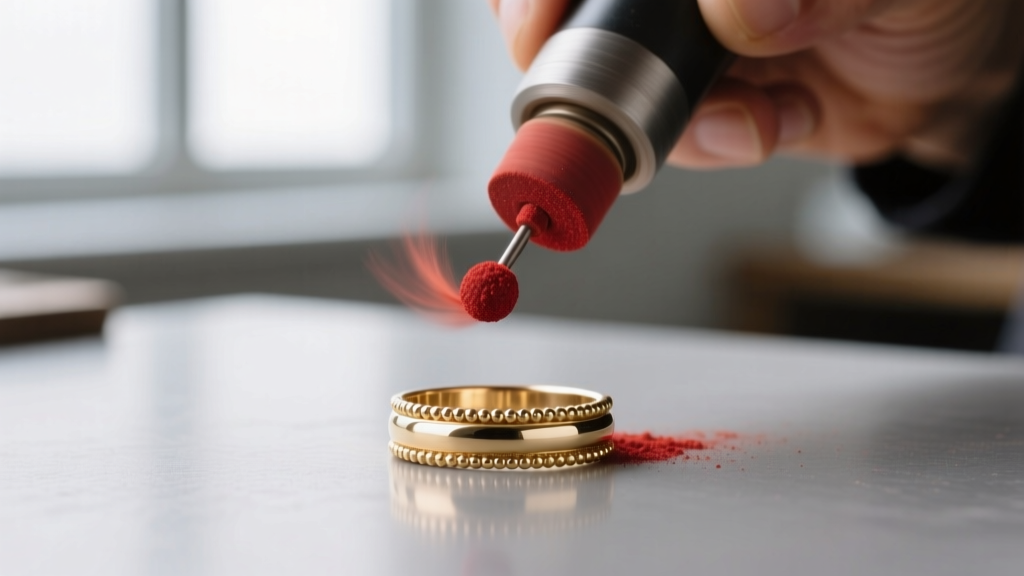
When to Skip DIY and Pay a Professional
While the budget-conscious approach favors DIY cleaning, there are specific scenarios where attempting to polish gold jewelry at home will result in a net financial loss. In these cases, paying a professional is an investment in asset protection.
1. White Gold Jewelry
White gold is naturally a pale, slightly yellowish-gray alloy. It achieves its brilliant, mirror-like silver color through a microscopic plating of rhodium (a platinum-group metal). DIY polishing cloths and mild abrasives will eventually wear through this rhodium layer, exposing the dull alloy beneath. You cannot polish white gold back to a bright white at home. A professional must strip, polish, and re-plate the piece (electroplating), a service that typically costs between $60 and $120 depending on the ring's surface area.
2. Antique and Estate Pieces
In the antique jewelry market, "patina"—the soft, oxidized wear in the crevices of a piece—is a marker of authenticity and age. Aggressive DIY polishing strips this patina, flattening the visual contrast of engravings and instantly reducing the piece's value to estate buyers and auction houses by 15% to 30%. Always leave antique gold polishing to professionals who understand how to polish the high points while preserving the recessed patina.
3. Gold Plated and Vermeil
If your piece is gold-plated or gold vermeil (gold over sterling silver), the gold layer is measured in mere microns (often less than 2.5 microns for vermeil). Any mechanical polishing, even with a soft treated cloth, will eventually wear through the gold layer, exposing the base metal underneath. For these budget-friendly jewelry types, stick strictly to the soap-and-water soak method; never apply friction.
Budget Maintenance: Preserving the Shine Between Polishes
The most effective way to manage your jewelry maintenance budget is to reduce the frequency of required polishes. By mitigating environmental and physical damage, you extend the time between professional bench visits.
- Strategic Storage: Store gold pieces individually in soft flannel pouches or a lined jewelry box. Tossing multiple chains into a single drawer guarantees friction scratches, as the clasps and links of one chain will act as an abrasive against the links of another.
- Chemical Avoidance: Chlorine is the enemy of gold alloys. It causes a metallurgical reaction called "stress corrosion cracking," which weakens the prongs and can cause the gold to become brittle and fracture. Always remove gold rings before entering a pool or using harsh household bleach cleaners.
- The "Last On, First Off" Rule: Apply perfumes, hairsprays, and lotions before putting on your gold jewelry. The alcohols and emollients in cosmetics create a filmy buildup that severely dulls gold's reflectivity, prompting unnecessary polishing attempts.
Ultimately, knowing how to polish gold jewelry is less about scrubbing and more about strategic preservation. By reserving your budget for professional mechanical polishing only when absolutely necessary, and relying on gentle, zero-cost soap soaks for weekly maintenance, you protect both the physical integrity and the long-term financial value of your gold collection.


