How Do You Clean Gold Jewelry at Home? A Safe Step-by-Step Guide
Learn how do you clean gold jewelry at home safely. Discover expert methods for 10k, 14k, and 18k solid gold, plus what to avoid.

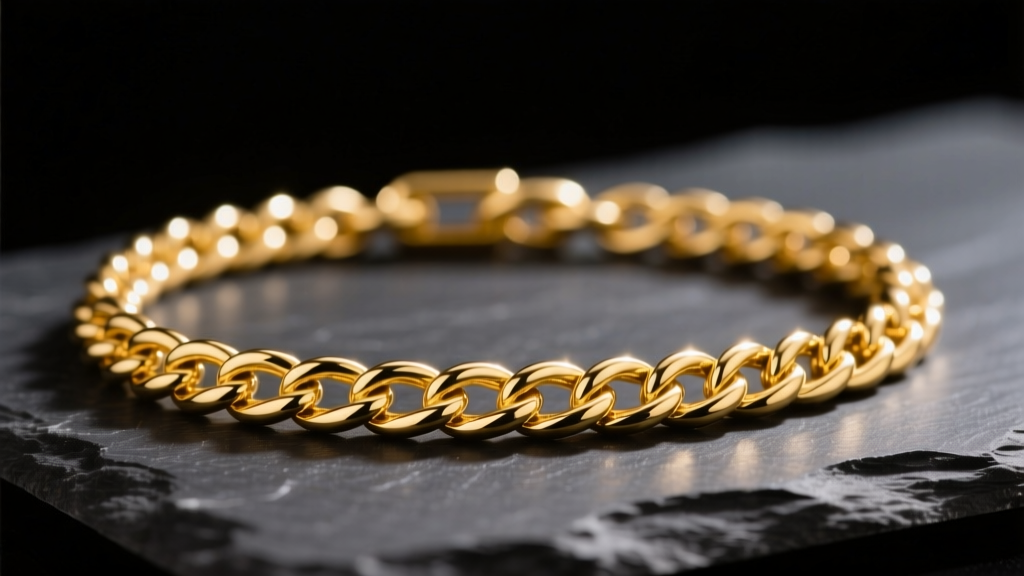
Gold jewelry is a timeless investment, but daily wear exposes it to body oils, cosmetics, and environmental pollutants that dull its natural luster. If you have ever found yourself asking, how do you clean gold jewelry at home without causing micro-scratches or chemical damage, you are not alone. Many well-intentioned DIY cleaning methods actually degrade the metal or ruin delicate gemstone settings. As a jewelry care specialist, I have seen countless pieces damaged by harsh household chemicals and abrasive pastes. This comprehensive guide will walk you through the exact, professional-grade methods for safely restoring your solid gold pieces to their original brilliance using simple household items.
The Science of Gold Tarnish and Dirt Buildup
Pure 24-karat gold is a noble metal, meaning it does not react with oxygen or moisture and will never tarnish. However, pure gold is far too soft for everyday jewelry. To create durable pieces, gold is alloyed with metals like copper, silver, zinc, and nickel. It is these alloy metals that are susceptible to tarnishing. When copper and silver react with sulfur compounds in the air, or with the acids in your sweat, they form a dark layer of tarnish on the surface. Furthermore, lotions, sunscreens, and dead skin cells create a sticky film that traps dirt in the intricate crevices of chains and beneath gemstone prongs, blocking light reflection and making the jewelry look cloudy and lifeless.
What You Need: The Ultimate Home Cleaning Kit
Before you begin, gather the correct tools. Using the wrong materials is the primary cause of home-cleaning disasters.
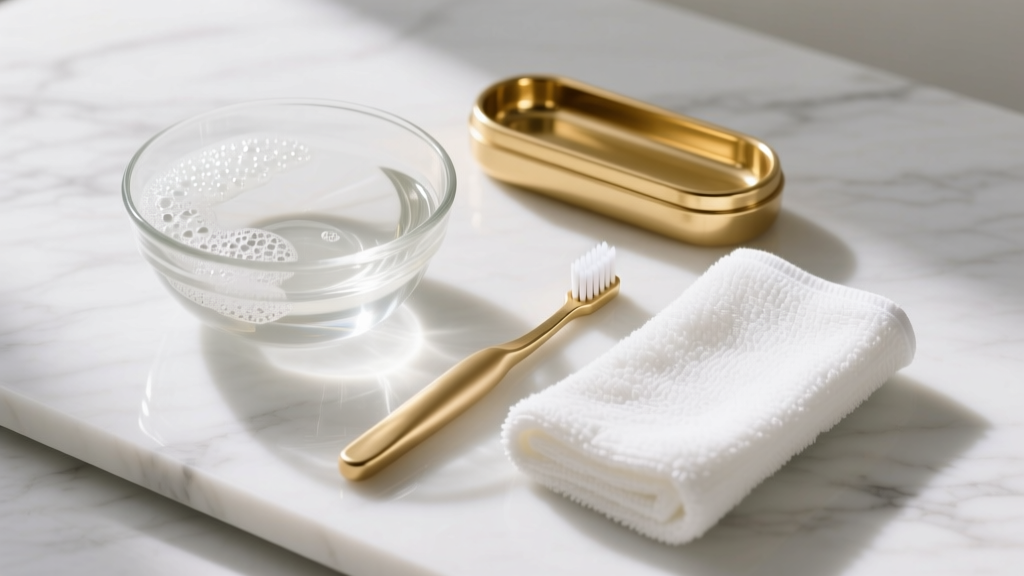
- Mild, Phosphate-Free Dish Soap: Opt for a clear, unscented dish soap (like Dawn Free & Clear). Avoid moisturizing soaps, body washes, or shampoos, as they contain emollients and waxes that leave a cloudy film on the gold.
- Lukewarm Distilled Water: Tap water contains chlorine and hard minerals (calcium and magnesium) that can leave stubborn water spots. Distilled water ensures a streak-free rinse. The temperature should be lukewarm (around 85°F to 95°F). Hot water can cause thermal shock to certain gemstones.
- Extra-Soft Baby Toothbrush: Standard toothbrushes have bristles that are too stiff and can scratch high-karat gold or loosen delicate pavé diamonds. A baby toothbrush features ultra-fine, flexible bristles (under 0.1mm thick) that safely dislodge dirt from under prongs.
- 100% Cotton or Microfiber Cloth: Never use paper towels or tissues. They are made from wood pulp and contain microscopic fibers that act like sandpaper, leaving tiny, cumulative scratches on the gold's surface.
Step-by-Step: How Do You Clean Gold Jewelry at Home?
Follow this exact protocol recommended by the Jewelers of America for routine maintenance of solid gold chains, bands, and simple gemstone rings.
Step 1: The Warm Soap Soak
In a small glass or ceramic bowl (avoid metal bowls that can scratch your jewelry), mix a few drops of your mild dish soap with one cup of lukewarm distilled water. Submerge your gold jewelry completely. Allow it to soak for 15 to 20 minutes. This soaking period is crucial; it softens hardened lotions, oils, and debris, reducing the amount of mechanical friction needed later. Note: Never soak jewelry containing pearls, opals, emeralds, or turquoise, as these porous or oil-treated stones can be permanently damaged by water and soap.
Step 2: Gentle Agitation
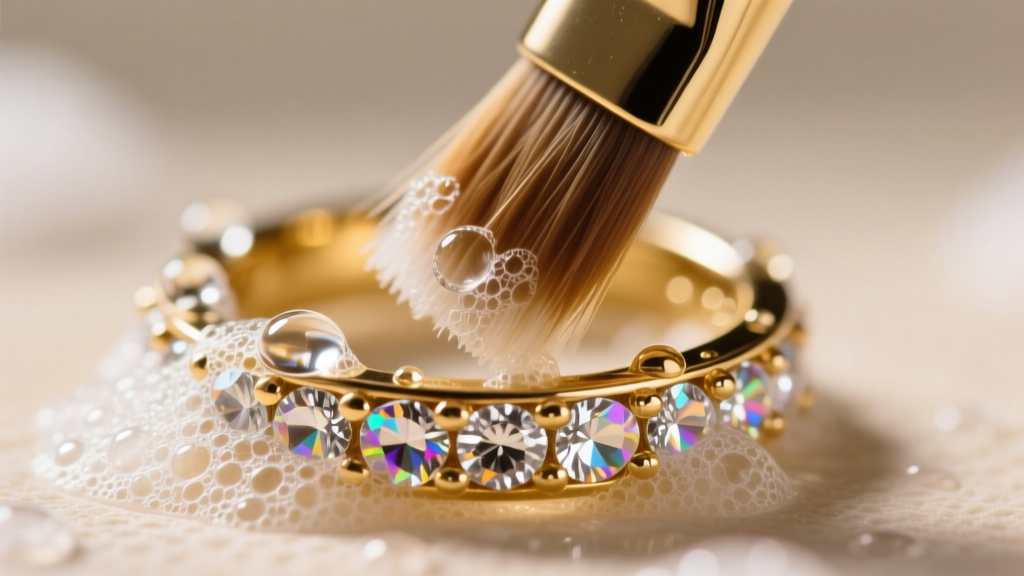
Remove the jewelry from the bowl. Dip your extra-soft baby toothbrush into the soapy solution. Gently brush the gold using light, circular motions. Pay special attention to the undersides of rings, the links of chains, and the backs of gemstone settings where grease accumulates. Apply zero downward pressure; let the bristles do the work. If you are cleaning a chain, lay it flat on a clean microfiber cloth while brushing to prevent it from stretching or tangling.
Step 3: Rinsing and Drying
Rinse the jewelry thoroughly under a gentle stream of lukewarm distilled water. Ensure the drain is securely plugged or use a small mesh strainer over the sink to prevent accidental loss. Once rinsed, gently pat the piece dry with your lint-free microfiber or 100% cotton cloth. For chains, gently squeeze the cloth along the length of the metal. Allow the piece to air dry completely in a well-ventilated area before storing it in a jewelry box to prevent trapped moisture.
Karat-Specific Cleaning Considerations
The karat weight of your gold dictates its hardness (measured on the Mohs scale) and its susceptibility to tarnish. Understanding these differences helps you tailor your cleaning frequency and handling.
| Gold Karat | Purity & Alloy Mix | Durability & Scratch Risk | Tarnish Risk & Cleaning Frequency |
|---|---|---|---|
| 10k Gold | 41.7% Gold, 58.3% Alloys | Highly durable; lowest scratch risk. | Highest tarnish risk due to high copper/zinc content. Clean monthly. |
| 14k Gold | 58.3% Gold, 41.7% Alloys | Excellent balance of strength and wearability. | Moderate tarnish risk. Clean every 2-3 months for daily wear items. |
| 18k Gold | 75% Gold, 25% Alloys | Softer metal; prone to micro-scratches and scuffs. | Low tarnish risk. Clean gently every 3-4 months; polish sparingly. |
| 24k Gold | 99.9% Pure Gold | Extremely soft; bends and dents easily. | Zero tarnish risk. Wipe with a dry cloth; rarely needs wet cleaning. |
Dangerous DIY Hacks You Must Avoid
The internet is full of viral cleaning hacks that will permanently ruin your gold jewelry. According to the Gemological Institute of America (GIA), you should strictly avoid the following household items:
- Toothpaste and Baking Soda: Both are highly abrasive. Toothpaste has a high Relative Dentin Abrasivity (RDA) value, and baking soda acts like liquid sandpaper. They will strip the high-polish finish off your gold, leaving a dull, matte, and heavily scratched surface.
- Bleach and Chlorine: Chlorine is the ultimate enemy of gold alloys. It causes a chemical reaction known as 'stress corrosion cracking,' which literally breaks down the molecular bonds of the alloy metals. This makes the prongs holding your diamonds brittle, leading to catastrophic gemstone loss.
- Boiling Water: While boiling water might seem like a good way to sanitize and melt away grease, the extreme heat can fracture thermal-shock-sensitive gemstones (like emeralds and tanzanite) and melt the specialized jeweler's epoxy used in some modern settings.
When to Skip Home Cleaning and See a Professional
While home cleaning is excellent for routine maintenance, it cannot replace professional servicing. You should take your jewelry to a certified bench jeweler if you notice any loose prongs, rattling gemstones, or deep scratches that require repolishing. Furthermore, if your gold piece features fracture-filled diamonds, oil-treated emeralds, or delicate organic gems like pearls and coral, skip the home soak entirely. A professional ultrasonic cleaning—when performed by an expert who knows which stones can withstand the high-frequency vibrations—is the safest route for complex, high-value pieces.
Conclusion
Knowing how do you clean gold jewelry at home safely is an essential skill for any jewelry collector. By sticking to mild dish soap, lukewarm distilled water, and ultra-soft brushes, you can maintain the radiant shine of your 10k, 14k, and 18k pieces without risking chemical or abrasive damage. Establish a regular cleaning routine based on your jewelry's karat weight and wear frequency, and your gold will continue to captivate for generations to come.


