Mixing Silver and Gold Jewelry: 2026 Buying Guide
Master the art of mixing silver and gold jewelry. Our 2026 buying guide covers two-tone metals, stacking hardness, and curated layering tips.

The Evolution of Mixed Metals: From Faux Pas to 2026 Staple
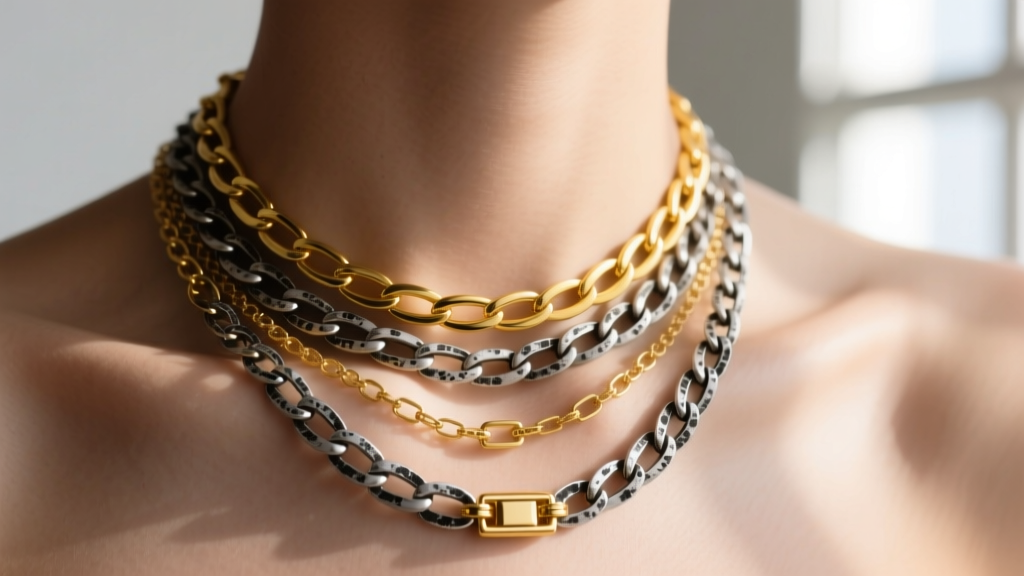
For decades, the fashion industry enforced a rigid sartorial rule: never mix your metals. Gold was for warm undertones and evening wear; silver was for cool undertones and casual days. However, as we navigate the jewelry landscape of 2026, mixing silver and gold jewelry has transitioned from a rebellious styling hack to a hallmark of sophisticated, intentional curation. Modern collectors are no longer accidentally wearing a silver watch with a gold wedding band; they are actively seeking out mixed-metal capsule collections, two-tone architectural pieces, and intentionally mismatched hardware.
But buying mixed metals requires more than just an eye for aesthetics. When you combine different alloys, you introduce complex metallurgical interactions, varying wear rates, and specific maintenance requirements. Whether you are investing in a solid two-tone signet ring or curating a layered stack of silver and gold chains, understanding the material science behind your jewelry is critical. This comprehensive buying guide will walk you through exactly what to look for when purchasing and mixing silver and gold jewelry.
Buying Two-Tone Jewelry: Construction Methods Matter
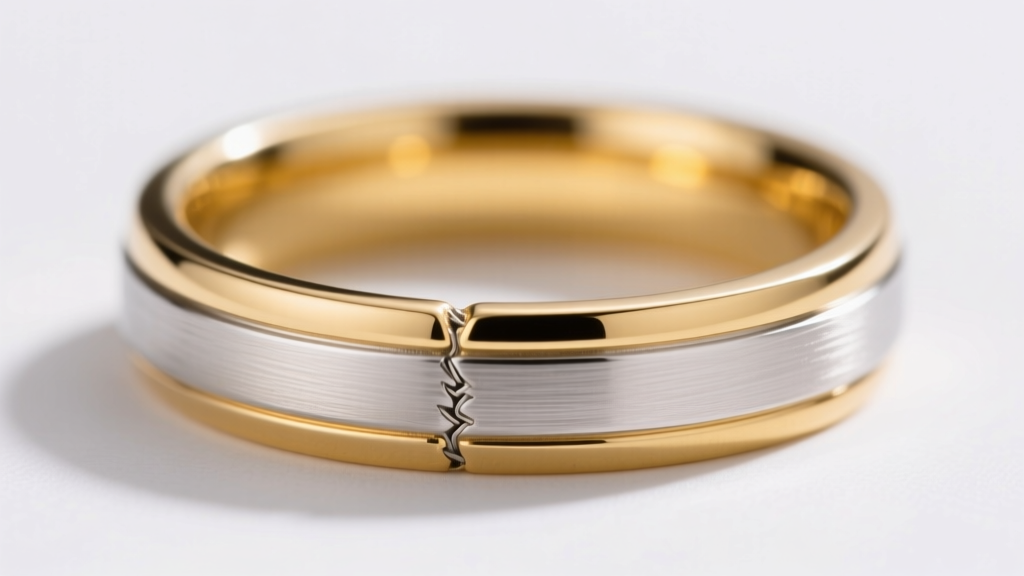
When shopping for a single piece that inherently mixes silver and gold (often marketed as "two-tone" jewelry), the manufacturing method dictates the piece's longevity, price, and value retention. Many buyers mistakenly assume all two-tone jewelry is created equal, leading to severe disappointment when the "gold" wears off after a few months. According to the Gemological Institute of America (GIA), understanding the base metal and the application method is the first step in making an informed purchase.
The Durability Matrix: What to Look For
Use this comparison chart to evaluate two-tone jewelry before purchasing. Always ask the jeweler which of these four methods was used to combine the metals.
| Construction Method | Process Description | Durability & Wear | Price Range | Best For |
|---|---|---|---|---|
| Soldered / Laser Welded | Solid gold and solid silver components are physically joined using heat or lasers. | Exceptional. Will never peel or flake. Can be polished and resized. | $$$ - $$$$ | Heirloom rings, luxury watches, everyday staples. |
| Gold Vermeil | A thick layer of gold (min 2.5 microns) electroplated over a sterling silver base. | Moderate. Will eventually wear down to silver on high-friction areas. | $$ - $$$ | Statement earrings, pendants, low-impact rings. |
| PVD Coating | Physical Vapor Deposition bonds gold molecules to a silver or steel base in a vacuum. | High. Highly resistant to scratching and tarnish, but cannot be easily resized. | $$ - $$$ | Modern architectural rings, mixed-metal chain links. |
| Flash Plated / Dipped | A microscopic layer of gold (under 0.5 microns) applied to silver. | Poor. Wears off in weeks with daily use, revealing the silver beneath. | $ | Trend-driven seasonal pieces, fast fashion. |
Buying Advice: If you are buying a two-tone ring or bracelet that will experience high friction, insist on soldered/laser-welded construction or PVD coating. Avoid vermeil or flash plating for rings, as the friction against your skin and adjacent fingers will strip the gold layer rapidly.
The Science of Stacking: Hardness and Metal Transfer
One of the most popular ways to embrace the mixed-metal trend is by stacking solid gold and solid silver rings or bracelets. However, mixing these metals on the same finger or wrist introduces a metallurgical challenge: disparate hardness levels.
Metals are measured on the Vickers Hardness (HV) scale. Sterling silver (925) typically sits between 60 and 125 HV, depending on how it has been work-hardened or annealed. 14k yellow gold, alloyed with copper and zinc for strength, is significantly harder, ranging from 135 to 160 HV.
The Failure Mode: When you stack a 14k gold ring next to a sterling silver ring, the harder gold acts as an abrasive. Over months of daily wear, the gold ring will slowly file away the silver ring, leading to premature thinning, loss of detail, and eventual structural failure of the silver piece.
How to Stack Safely
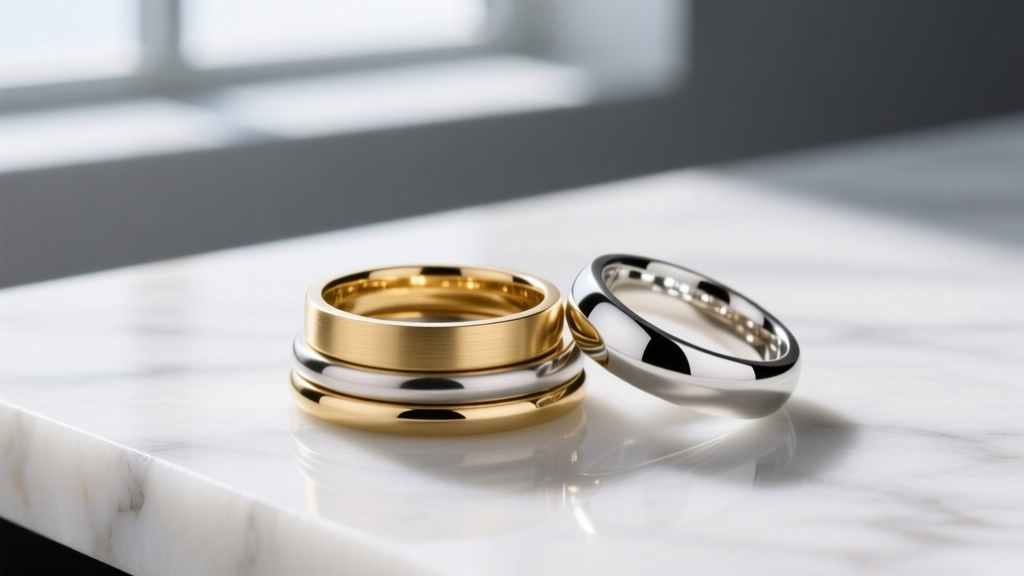
- Match the Hardness: If you want to stack gold and silver, purchase 18k gold instead of 14k. 18k gold has a higher pure gold content, dropping its hardness to roughly 125 HV—perfectly matching sterling silver. They will wear down at an equal, much slower rate.
- Use Physical Spacers: If you already own 14k gold and sterling silver, separate them on your stack using a non-metallic spacer. Enamel bands, leather cords, or woven silk wraps prevent the metals from grinding against one another.
- Beware of Tarnish Transfer: Sterling silver tarnishes due to sulfur compounds in the air, forming silver sulfide. When stacked tightly against gold, this dark tarnish can transfer to the copper and silver alloys present in 10k or 14k gold, leaving a dull, grayish film on your gold jewelry. Regular polishing with a microfiber cloth prevents this cross-contamination.
Curating Your Mixed-Metal Capsule Collection
Successfully mixing silver and gold jewelry in 2026 relies on intentionality. The goal is to make the combination look like a curated collection rather than a morning rush mistake. Here is a practical framework for buying and styling mixed metals.
1. Invest in a "Bridge Piece"
A bridge piece is an item of jewelry that inherently contains both metals, serving as the visual anchor for your entire look. This could be a two-tone luxury watch, a mixed-metal Cuban link chain (where alternating links are gold and silver), or a signet ring with a gold face and silver band. When wearing a bridge piece, you are given "permission" to wear any other gold or silver jewelry, as the bridge piece ties the aesthetic together.
2. Play with Texture and Finish
When mixing metals, high-polish finishes can sometimes look chaotic or overly flashy. To ground the look, buy pieces with contrasting textures. Pair a brushed or matte-finished 14k gold band with a highly polished, oxidized sterling silver ring. The oxidation (intentional darkening of the silver's crevices) provides a moody, vintage contrast that makes the warm tones of the gold pop without looking gaudy. Hammered finishes and satin brushing are excellent ways to diffuse light and make mixed metals look cohesive.
3. Match the Hardware and Motifs
If you are layering necklaces or stacking bracelets, ensure the hardware (clasps, jump rings, and end caps) shares a similar design language. A delicate, minimalist gold paperclip chain will clash with a heavy, ornate silver gothic cross pendant. Instead, buy pieces that share geometric similarities—such as mixing a gold snake chain with a silver snake chain, or pairing gold and silver hoop earrings that share the exact same millimeter thickness.
Care and Maintenance for Mixed Metals
Maintaining a mixed-metal collection requires a nuanced approach to cleaning. The chemicals used to clean one metal can sometimes damage the other. The Jewelers of America recommends gentle, non-abrasive cleaning methods, especially when dealing with pieces that feature both metals or delicate plating.
- Ultrasonic Cleaners: While generally safe for solid gold and solid silver, ultrasonic cleaners can completely strip gold vermeil or flash-plated two-tone jewelry. Only use ultrasonic cleaners if you are 100% certain the piece is soldered solid metal.
- Chemical Dips: Never use harsh silver dip solutions (which contain thiourea and strong acids) on two-tone jewelry. These chemicals can strip the patina from oxidized silver details and can leave a cloudy, irreversible film on the gold components.
- The Safe Method: For日常 cleaning of mixed-metal stacks, use a few drops of phosphate-free dish soap in warm water. Soak the jewelry for five minutes, gently agitate with a baby-soft toothbrush, and dry immediately with a lint-free microfiber cloth. This removes body oils and environmental sulfur without risking chemical reactions between the alloys.
Final Verdict: Investing in the Mix
Mixing silver and gold jewelry is no longer a passing trend; it is a fundamental shift in how we approach personal adornment. By understanding the Vickers hardness scale, demanding soldered construction for two-tone pieces, and utilizing bridge items to anchor your stacks, you can build a mixed-metal collection that is both visually striking and metallurgically sound. When shopping in 2026, look past the initial color contrast and examine the craftsmanship, the alloys, and the finishes. The most enduring mixed-metal pieces are those where the combination of gold and silver is treated not as a compromise, but as a deliberate, masterful design choice.


