Is Gold Plated Jewelry Worth Anything? A Value Assessment
Discover if gold plated jewelry holds resale value. We break down scrap prices, base metals, and when gold-plated pieces are actually worth buying.

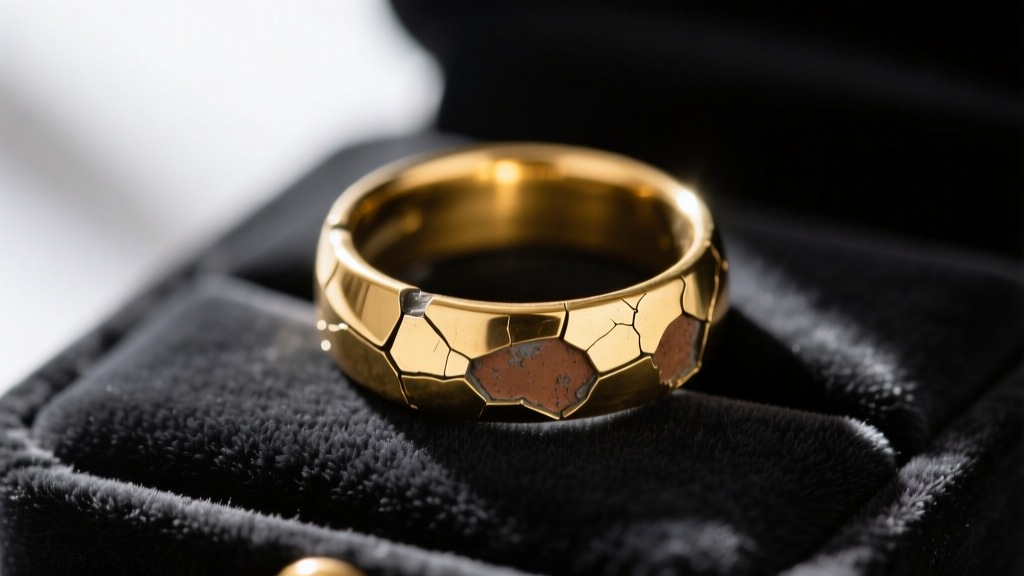
The Short Answer: Scrap Value vs. Sentimental Worth
When consumers ask, "is gold plated jewelry worth anything", they are usually standing at a pawn shop counter, browsing an estate sale, or looking at a resale listing, hoping for a return on their investment. The unvarnished truth from a metallurgical and economic standpoint is stark: from a pure scrap and melt perspective, standard gold-plated jewelry has virtually zero intrinsic financial value. However, dismissing it entirely ignores the nuances of base metal composition, historical craftsmanship, and the modern landscape of accessible luxury. To truly understand the value of these pieces, we must separate the microscopic layer of gold from the structural core beneath it.
The Anatomy of Gold Plating: Why Resale Value is Near Zero
To understand why gold-plated items fail to hold melt value, you must understand the sheer scale of the plating process. According to the Federal Trade Commission (FTC) Jewelry Guides, the terminology used to describe gold layers is strictly regulated based on thickness and karat purity. A human hair is approximately 70 microns thick. By comparison, the gold layer on most commercial jewelry is a fraction of that size.
Flash Plating vs. Heavy Gold Electroplate (HGE)
"Flash plating" or standard gold electroplating typically deposits a layer of gold that is merely 0.1 to 0.5 microns thick. At this thickness, the gold content is so infinitesimally small that it cannot be accurately weighed on standard jeweler's scales. Heavy Gold Electroplate (HGE) requires a minimum thickness of 2.5 microns. While HGE is vastly superior for longevity and wear-resistance, even 2.5 microns of 14k or 18k gold yields less than $0.05 in recoverable precious metal on an average-sized ring.
Physical Vapor Deposition (PVD)
In 2026, many modern fashion brands utilize PVD coating rather than traditional electroplating. PVD involves vaporizing gold in a vacuum chamber so it condenses onto the base metal. While PVD creates an incredibly durable, tarnish-resistant finish that can survive years of daily wear, the actual gold particles used are measured in atoms, not microns. Consequently, PVD jewelry holds absolutely zero melt value.
The Base Metal Factor: Where the Hidden Value Lies
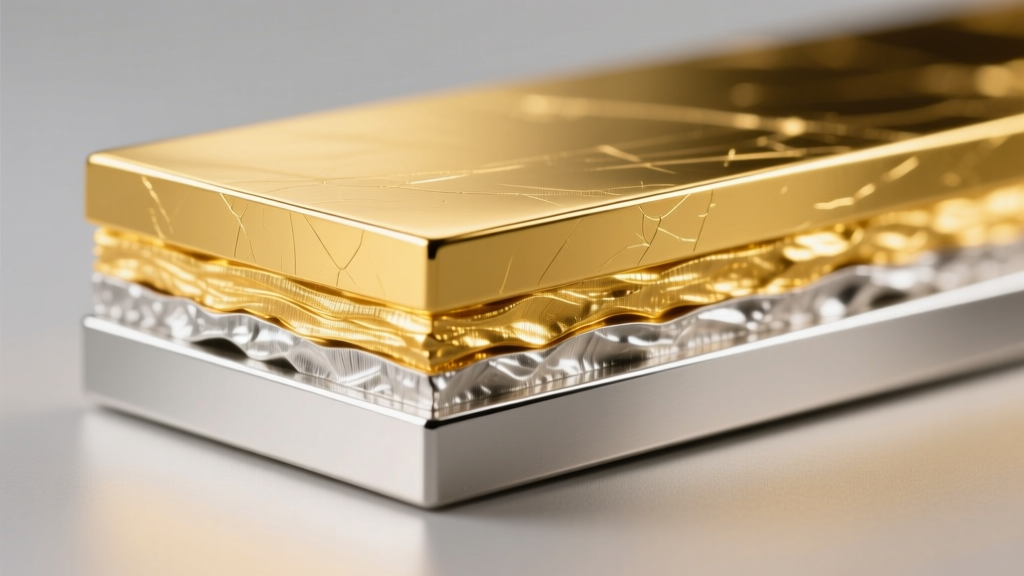
If the gold on the surface is financially negligible, the true "melt" value of the piece is dictated entirely by the base metal underneath. This is where a keen eye can spot hidden value. While brass and copper are virtually worthless in small quantities, precious base metals tell a different story.
| Base Material | Common Plating Type | Approximate Scrap Value (Per Troy Ounce) | Resale Viability |
|---|---|---|---|
| Brass / Copper | Flash Plating (0.1 - 0.5µm) | $0.20 - $0.35 | Zero (Melt) |
| Stainless Steel | PVD Gold Coating | $0.05 - $0.10 | Zero (Melt) |
| Sterling Silver (925) | Gold Vermeil (2.5µm+) | $25.00 - $32.00 (Silver Melt) | Moderate to High |
As noted by Kitco Precious Metals, the spot price of silver remains a significant factor in jewelry assessment. If your gold-plated piece is actually "Gold Vermeil" (a regulated term requiring a sterling silver base and at least 2.5 microns of 10k+ gold plating), the piece holds intrinsic value based on its silver weight. A heavy vermeil chain weighing 50 grams contains roughly 46 grams of pure silver, granting it a baseline melt value of $40 to $50, regardless of the gold finish.
The Refining Reality: Why Pawn Shops Say No
Many consumers are frustrated when pawn shops or local jewelers refuse to buy their gold-plated items. This is not a scam; it is simple chemistry and economics. To extract gold from a plated item, a refiner must use hazardous chemical processes, such as aqua regia or electrolytic stripping. These processes require expensive reagents, specialized ventilation, and significant labor. The cost to chemically strip and recover 0.5 microns of gold from a brass chain far exceeds the three cents worth of gold dust recovered. Most commercial refineries require a minimum threshold of 10% to 15% total gold content by weight to even consider processing a batch, a threshold that plated jewelry mathematically cannot meet.
How to Test Your Base Metal at Home
Before discarding a gold-plated piece, determine what lies beneath the surface. You can perform a few non-destructive and minimally destructive tests:
- The Magnet Test: Gold, silver, brass, and copper are non-magnetic. If a gold-plated chain or clasp is strongly attracted to a rare-earth magnet, the core is likely steel or iron, confirming zero precious metal value.
- The Hallmark Hunt: Use a 10x jeweler's loupe to inspect the clasp or inner band. Look for stamps like "925", "Sterling", or "Vermeil". Conversely, stamps like "HGE", "GEP", or "1/20 14k GF" (gold filled) indicate surface treatments over non-precious bases.
- The File and Acid Test: Find a discreet area (like the inside of a ring shank) and gently file away the top layer of gold. Apply a drop of silver testing acid to the exposed metal. If it turns dark red or brown, you have exposed copper or brass. If it turns milky or stays relatively clear, you may have struck sterling silver.
The Vintage Exception: When Design Trumps Melt Value
There is one major caveat to the "zero value" rule: vintage and designer costume jewelry. Mid-century pieces from renowned fashion houses like Trifari, Miriam Haskell, or Christian Dior were heavily gold-plated over base metals. Today, collectors do not buy these pieces for their gold content; they buy them for their historical significance, design patents, and craftsmanship. A heavily worn, gold-plated Trifari "Alfred" crown brooch might contain less than a dollar in raw materials, but it can easily command $150 to $300 on the secondary market. If you are assessing estate jewelry, always research the maker's mark before tossing a piece into the scrap bin.
Preserving Your Investment: Care for Plated Pieces
If you purchase gold-plated or vermeil jewelry for its aesthetic value rather than its investment potential, proper care is essential to maximize its lifespan. The Gemological Institute of America (GIA) notes that the primary enemy of gold plating is friction and chemical exposure. Never use ultrasonic cleaners on plated jewelry; the high-frequency cavitation will literally blast the microscopic gold layer off the base metal. Instead, clean your pieces using warm water, a drop of mild dish soap, and a microfiber cloth. Store them individually in soft pouches to prevent harder metals or gemstones from scratching the delicate gold surface.
Final Verdict: Budgeting for Plated vs. Solid
So, is gold plated jewelry worth anything? Financially, standard gold-plated brass or copper is a sunk cost. It is an expense, not an asset. You are paying for the manufacturing, the brand, and the aesthetic, not the raw materials. However, if you pivot to Gold Vermeil (sterling silver base), you retain a safety net of silver melt value. For budget-conscious buyers in 2026, high-quality vermeil or PVD-coated stainless steel offers the best ratio of visual luxury to everyday durability, provided you enter the transaction understanding that you are buying art, not bullion.