How Do You Clean Gold Jewelry to Preserve Resale Value
Learn how do you clean gold jewelry safely on a budget. Compare DIY vs professional costs and protect your gold's resale value from damage.

The Hidden Cost of Dirty Gold: Why Cleaning Impacts Resale Value
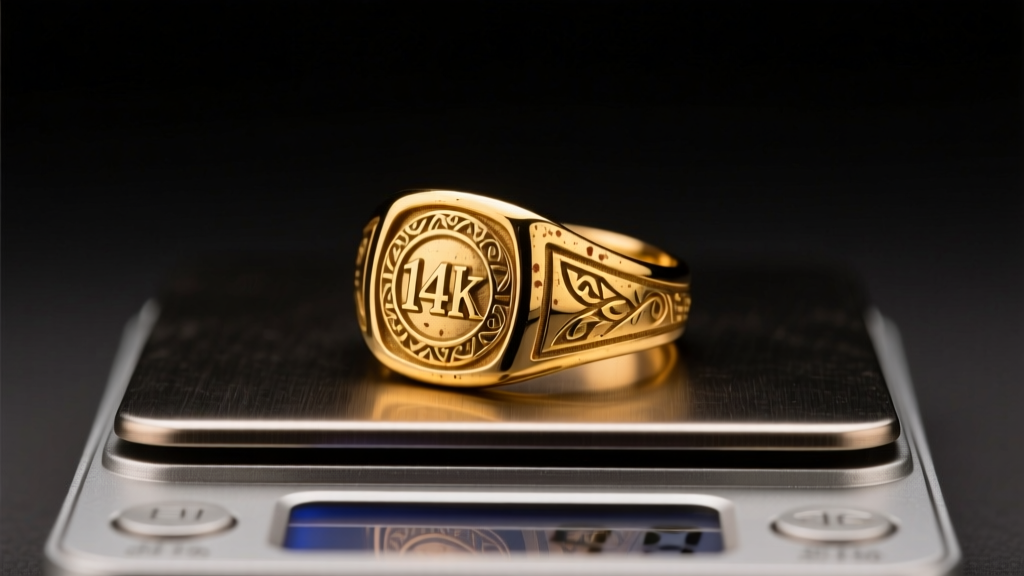
When assessing the budget and value of your precious metals, maintenance is often overlooked. If you are wondering how do you clean gold jewelry without inadvertently destroying its appraisal value, you are already ahead of most collectors. Pure 24k gold does not tarnish, but the alloy metals mixed into 10k, 14k, and 18k gold—such as copper, zinc, and silver—are highly reactive. Over time, these alloys oxidize, creating a dull, darkened film that masks the true karat color.
From a value assessment perspective, a grime-encrusted 14k gold chain will often receive lowball offers from gold buyers who assume the piece is heavily degraded or lower karat than stamped. Conversely, using abrasive DIY hacks like baking soda or toothpaste introduces micro-scratches. According to the Gemological Institute of America (GIA), surface abrasion is a primary factor appraisers use to deduct 10% to 15% from the resale value of estate and vintage gold jewelry. Protecting your investment requires understanding the metallurgy of your pieces and choosing cleaning methods that preserve, rather than strip, the metal.
DIY vs. Professional Cleaning: A Cost-Benefit Analysis
When managing a jewelry budget, it is tempting to either rely on harsh $5 commercial dips or pay a premium for professional services. Below is a value-driven breakdown of cleaning methods, analyzing their true cost against the risk they pose to your gold's structural integrity and resale price.
| Cleaning Method | Estimated Cost | Risk to Resale Value | Best Use Case |
|---|---|---|---|
| Dawn Dish Soap + Distilled Water | $0.10 per wash | Zero (Safest) | Routine weekly maintenance for all karats |
| Commercial Liquid Gold Dip | $8 - $15 per bottle | High (Strips alloys, causes pitting) | Desperation only; avoid on 10k/14k |
| Baking Soda & Aluminum Foil | $0.05 per wash | Severe (Micro-scratches, dulls finish) | Never use on gold; reserved for silver |
| Professional Ultrasonic Service | $15 - $35 per piece | Low (If no pre-existing fractures) | Intricate filigree, heavy diamond settings |
| At-Home Jewelry Steam Cleaner | $40 - $60 (One-time) | Medium (Heat can fracture included gems) | Solid gold pieces without porous stones |
For the budget-conscious investor, the DIY soap method offers the highest return on investment, reserving professional ultrasonic cleaning for high-value, intricate pieces where trapped grime cannot be reached manually.
The $5 DIY Gold Cleaning Protocol (Step-by-Step)
To clean your gold jewelry safely while preserving its mirror finish and structural value, follow this exact protocol. This method is endorsed by the Jewelers of America for routine maintenance of solid gold pieces.
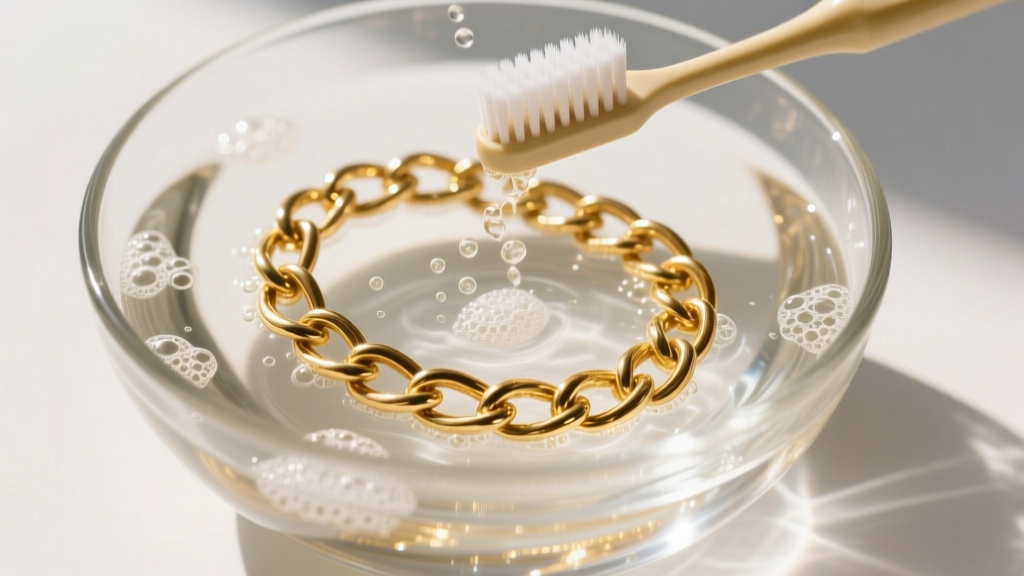
- Step 1: The Distilled Water Base. Never use tap water. Municipal tap water contains chlorine and fluoride, which react with the copper and zinc in 14k and 18k gold alloys. Fill a glass bowl with warm, distilled water.
- Step 2: The Surfactant. Add three drops of a mild, phosphate-free dish soap (like Dawn Platinum). Avoid soaps with added moisturizers or citrus extracts, as the citric acid can slowly etch lower-karat alloys over time.
- Step 3: The Soak. Submerge the jewelry for exactly 15 to 20 minutes. This loosens sebum, lotion, and environmental dust without requiring aggressive mechanical scrubbing.
- Step 4: The Agitation. Use a brand-new, ultra-soft baby toothbrush. Gently sweep the bristles across the gold, paying special attention to the back of settings and chain links where dead skin cells accumulate.
- Step 5: The Drying Phase. Rinse under a gentle stream of distilled water. Pat dry with a clean, lint-free microfiber cloth. Never use paper towels; they contain wood pulp fibers that act like sandpaper on soft 22k and 24k gold, creating visible swirl marks that degrade appraisal value.
What to Avoid: Chemicals That Destroy Gold Value
The fastest way to obliterate the value of a gold asset is through chemical exposure. Chlorine is the ultimate enemy of gold alloys. When 14k gold is exposed to chlorine (in swimming pools, hot tubs, or household bleach), it triggers a metallurgical reaction known as stress corrosion cracking. This literally dissolves the alloy metals at the microscopic level, causing prongs to snap and chains to shatter under minimal tension. Once a piece suffers from chlorine damage, it cannot be polished out; it must be melted down and recast, resulting in a total loss of its original craftsmanship value.
Assessing Your Gold Type: Solid, Filled, or Plated?
Your cleaning budget and technique must adapt to the construction of your jewelry. Not all gold is created equal, and treating gold-plated items like solid gold will ruin them.
Solid Gold (10k, 14k, 18k, 24k): Can withstand the full DIY soaking protocol and occasional professional ultrasonic cleaning. The value here lies in the melt weight and craftsmanship, both of which are protected by gentle surfactant cleaning.
Gold Filled (1/20 14k GF): Features a thick mechanical bond of gold over a brass core. While durable, aggressive scrubbing with stiff brushes can eventually wear through the gold layer at high-friction points (like clasp edges), exposing the brass and rendering the piece virtually worthless to a gold buyer.
Gold Plated / Vermeil: These pieces have a microscopic layer of gold (often less than 0.5 microns) electroplated over silver or base metal. Never soak plated jewelry. Simply wipe it gently with a damp microfiber cloth after wear to remove acidic sweat. If the plating wears off, you will face a $30 to $50 re-plating fee just to restore its aesthetic value, entirely wiping out any budget advantage of buying plated jewelry in the first place.
When to Pay for Professional Ultrasonic Cleaning
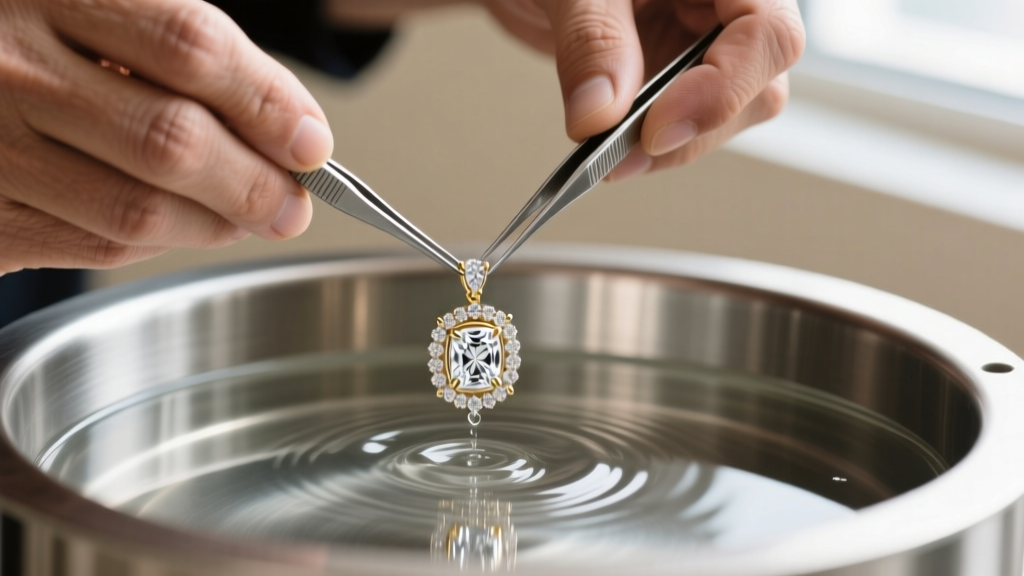
While the DIY method is superior for 90% of your collection, there are specific scenarios where paying $15 to $35 for a professional ultrasonic cleaning is a sound financial decision. If you own high-value estate pieces with intricate milgrain detailing, pavé diamond settings, or heavy filigree work, manual brushing simply cannot reach the impacted grime.
Trapped dirt in these crevices holds moisture against the metal, accelerating localized alloy oxidation. A professional jeweler will use high-frequency sound waves in a specialized chemical bath to cavitate the dirt away. However, you must always have the jeweler inspect the piece for loose stones or micro-fractures first; ultrasonic vibrations can shake loose diamonds that are already sitting in worn prongs, turning a routine cleaning into an expensive repair bill.
Value Preservation Rule of Thumb: Always remove your gold jewelry before applying cosmetics, hairspray, or lotions. The cost of preventative care is zero, while the cost of professional polishing to remove chemical etching removes microscopic layers of gold, permanently reducing the item's melt weight and overall value.
Final Verdict: Maximizing Your Gold Investment
Understanding how do you clean gold jewelry is fundamentally about asset protection. By abandoning abrasive internet hacks and relying on a strict distilled-water and mild-surfactant protocol, you preserve the exact metallurgical surface the appraiser will evaluate. Reserve your budget for professional ultrasonic services only when dealing with complex, high-karat settings, and always respect the chemical vulnerabilities of your specific gold alloys. Treat your gold like the financial asset it is, and it will retain its brilliance—and its market value—for generations.


