What Does a Duck Mean on Antique Gold Jewelry? Expert Guide
Discover what a duck mark means on antique gold jewelry. Learn to identify French hallmarks, maker's marks, and the common owl vs. duck confusion.

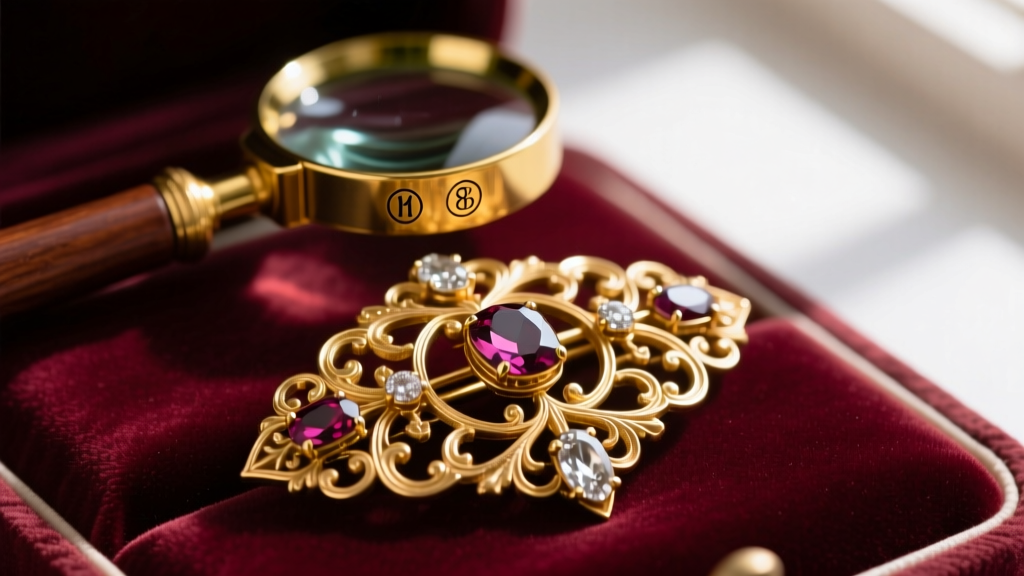
The Short Answer: Is It Really a Duck?
When you inherit or purchase antique gold jewelry, discovering tiny, cryptic stamps on the metal is part of the thrill. These stamps, known as hallmarks or maker's marks, are the DNA of your piece, revealing its origin, purity, and creator. But what happens when you peer through a jeweler's loupe and see what looks unmistakably like a duck?
The short answer is that a "duck" mark on antique gold jewelry usually falls into one of three categories: it is either a misidentified French owl hallmark (the hibou), a rare historical French duty mark (the canard), or a specific jeweler's registered maker's mark. Understanding the difference requires a bit of historical context and a keen eye for metallurgical assay traditions. In this beginner-friendly guide, we will decode the waterfowl of antique jewelry and give you actionable steps to verify your gold.
The Great Bird Mix-Up: The French "Hibou" (Owl)
Before we dive into actual ducks, we must address the most common case of mistaken identity in antique jewelry appraisal. In roughly 90% of cases where a beginner asks, "What does this duck mean?", the bird in question is actually an owl.
Since 1893, the French government has used the hibou (owl) as an official assay hallmark. However, unlike the famous eagle's head (tête d'aigle) which is stamped on newly manufactured 18k gold, the owl is specifically reserved for second-hand, antique, or imported gold jewelry being sold in France.
When a piece of antique gold jewelry of unknown or foreign origin is brought to a French assay office, the metal is tested. If it meets the minimum 18-karat (75% pure gold) standard, it is stamped with the owl. Because these stamps are incredibly small—often measuring less than 2 millimeters—and are frequently worn down by decades of friction and polishing, the distinct ear tufts of the owl can easily wear away. What remains is a rounded, beaked silhouette that looks exactly like a duck in profile.
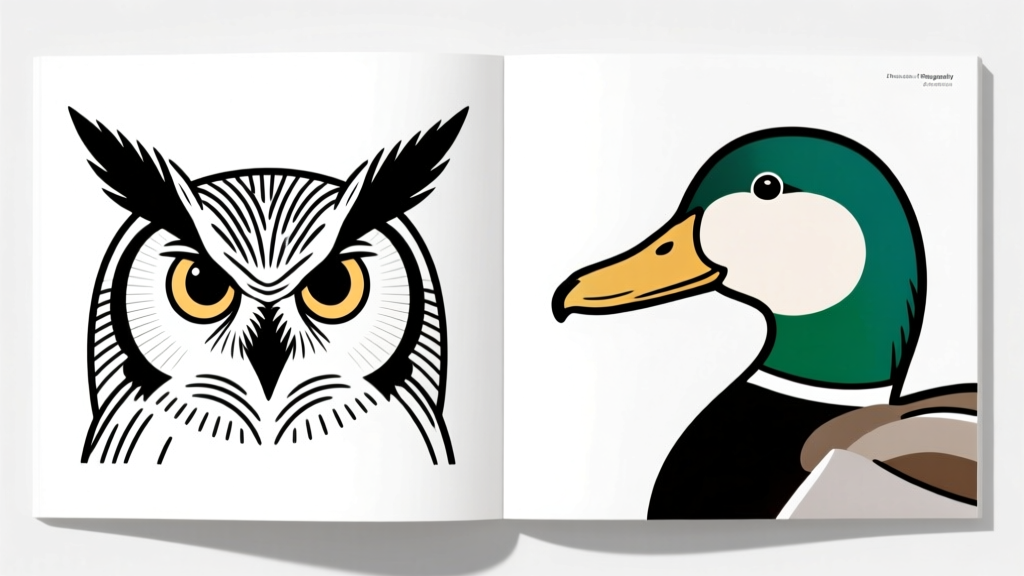
Why the Owl Matters for Valuation
Finding an owl hallmark is actually excellent news for collectors. It provides a guaranteed baseline of authenticity. According to the Lang Antiques University, the French owl mark assures buyers that the piece was rigorously tested by a state assay office and confirmed to be at least 18k gold, even if the original maker's marks have been lost to time or resizing.
The True "Canard": Historical French Duck Hallmarks
While the owl is the usual suspect, actual duck hallmarks do exist in the annals of jewelry history. If your piece dates back to the late 18th or early 19th century, you might be looking at a genuine canard (duck) mark.
During the French Directoire and First Empire periods (specifically from 1798 to 1809), the French government utilized a complex system of poinçons (hallmarks) to track precious metals and collect taxes. The duck was used as a poinçon de décharge (discharge mark).
Expert Insight: A "charge" mark was applied when the jeweler first submitted the raw item to the assay office, indicating that the tax duty was pending. Once the tax was paid, a "discharge" mark (like the duck) was stamped to prove the item was legally cleared for sale. Finding a matching pair of charge and discharge marks from the 1798-1809 era drastically increases the historical and monetary value of an antique gold piece.
Because jewelry from the Napoleonic era is exceptionally rare, a verified duck discharge mark is a museum-level find. You can verify the current and historical French guarantee marks directly through the French Customs (Douane) official hallmark registry.
Maker's Marks: When the Duck is a Signature
If the bird stamp on your gold jewelry is not an owl and the piece is not from the early 1800s, the duck is almost certainly a maker's mark. A maker's mark is the registered trademark or signature of the jeweler, designer, or manufacturing house that created the piece.
To determine if the duck is a maker's mark, look at the shape of the border surrounding the bird:
- The Diamond Lozenge: In France and many European countries, a maker's mark for gold must be stamped inside a diamond-shaped lozenge. If your duck is inside a diamond, it is a creator's signature, not a government purity guarantee.
- Rectangular or Oval Shields: In the UK and US, maker's marks often appear in rectangular, oval, or shield-shaped cartouches.
- No Border: If the duck has no border and is stamped alongside other symbols (like a crown or a number), it may be part of a foreign import mark or a specific brand's logo (such as vintage American or British novelty jewelry makers who used animal motifs).

Notable Duck Maker's Marks
While not as ubiquitous as the Cartier panther or the Boucheron serpent, the duck motif has been used by various regional artisans and mid-century novelty jewelry brands. In some cases, a duck stamp indicates a piece of "duck hunting" or sporting jewelry, which was highly popular in the US and UK during the 1920s and 1930s. These pieces were often crafted in 14k or 18k gold and featured detailed enamel work.
Decoding the Birds: A Quick Reference Table
To help you quickly identify the bird on your antique gold jewelry, refer to this comparison chart of common avian hallmarks:
| Bird Motif | Official Name | Country of Origin | Meaning & Era |
|---|---|---|---|
| Owl (Often mistaken for duck) | Hibou | France | Guarantees 18k gold for second-hand, antique, or imported items (1893–Present). |
| Duck | Canard | France | Historical discharge mark indicating taxes were paid on gold/silver (1798–1809). |
| Eagle (Head) | Tête d'Aigle | France | Standard guarantee mark for newly manufactured 18k gold (1838–Present). |
| Swan | Cygne | France | Used for silver, but occasionally for gold items exempt from standard taxes or specific imports. |
How to Verify Your Antique Gold Piece at Home
Identifying the hallmark is only the first step. To truly understand your antique gold jewelry, you must verify the metal's authenticity. Here is a professional, step-by-step framework for evaluating your piece:
1. The 10x Loupe Inspection
Do not rely on the naked eye or a standard magnifying glass. Purchase a jeweler's 10x triplet loupe. Examine the stamp under bright, direct LED light. Look for the border shape (lozenge vs. shield) and try to spot the ear tufts that differentiate an owl from a duck. Check for "ghost stamps"—faint secondary marks that indicate the piece was resized or polished heavily.
2. The Magnet Slide Test
Gold is diamagnetic, meaning it is not attracted to magnets. However, a simple "pick-up" test is not enough, as brass and copper are also non-magnetic. Instead, use the slide test. Place a strong neodymium magnet on the piece and tilt it at a 45-degree angle. If the gold is solid, the magnet will slide down slowly due to the Lenz effect (magnetic drag). If it slides instantly or sticks, the piece is gold-plated over a ferrous base metal.
3. Electronic and XRF Testing
For a definitive answer without damaging the antique patina, take the piece to a certified gemologist or appraiser. They will use an XRF (X-ray Fluorescence) spectrometer. This machine shoots X-rays into the metal and reads the exact elemental composition, telling you if the piece is 14k (58.5% gold), 18k (75% gold), or merely gold-filled, all within seconds and without leaving a scratch.
Final Thoughts on Antique Bird Hallmarks
Whether your piece features a misidentified French owl, a rare Napoleonic duck, or a bespoke maker's mallard, these tiny stamps are the fingerprints of history. They connect your jewelry to the artisans, assay offices, and tax collectors of centuries past. Never attempt to polish or buff the hallmarks on antique gold; the wear and tear on a 200-year-old duck stamp is exactly what proves its authenticity and preserves its historical premium. Grab your 10x loupe, examine the borders, and let the metal tell its story.