Cash for Gold and Jewelry Repair: A Troubleshooting Guide
Deciding between scrapping or fixing broken gold? Our expert guide troubleshoots cash for gold and jewelry repair dilemmas with 2026 data.

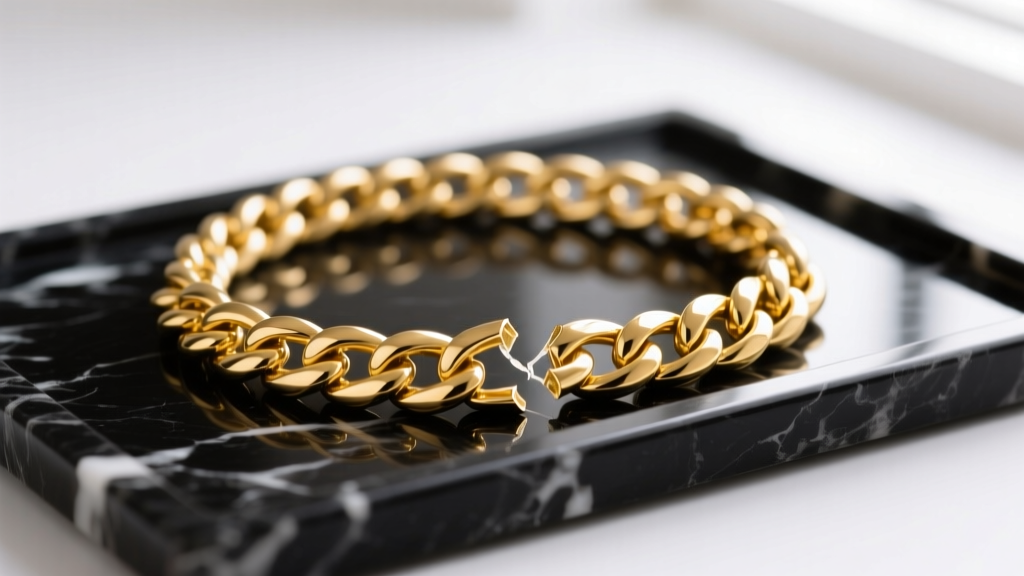
When your favorite gold necklace snaps or a cherished ring loses a prong, you are immediately faced with a modern jewelry dilemma: should you invest in professional restoration, or take it to a local kiosk for immediate payout? The intersection of cash for gold and jewelry repair is fraught with metallurgical complexities, hidden fees, and potential scams. In 2026, with gold spot prices hovering near historic highs, the financial calculus between scrapping and fixing has shifted dramatically.
This troubleshooting guide cuts through the industry jargon. We will analyze the structural failure points of different gold karats, break down the exact costs of laser welding versus traditional torch soldering, and help you identify botched repairs. Whether you are holding a shattered 18k heirloom or a tangled 10k chain, this framework will help you make a mathematically and structurally sound decision.
The Broken Gold Conundrum: Assessing the Damage
Before deciding between the scrap melt pot and the jeweler's bench, you must diagnose the failure. Gold is a highly malleable metal, and its durability is entirely dependent on its alloy composition. According to the Gemological Institute of America (GIA), pure 24k gold is far too soft for daily wear, which is why it is alloyed with metals like copper, silver, and zinc.
- 10k Gold (41.7% Pure): Highly durable but prone to stress fractures and brittle snapping under extreme tension due to higher base-metal content.
- 14k Gold (58.5% Pure): The industry standard. Fails most commonly at the solder points (like chain links or ring clasps) due to metal fatigue and work hardening over time.
- 18k Gold (75.0% Pure): Softer and more luxurious. Prone to bending, prong wear, and shank thinning rather than sudden, catastrophic snapping.
Troubleshooting Tip: If a 14k chain has snapped in the middle of a link (not at the solder joint), the metal has suffered from severe work hardening. Repairing this single link is a temporary fix; the adjacent links are likely compromised and will snap within months. In this scenario, exploring cash for gold options is the more pragmatic choice.
Cash for Gold vs. Professional Repair: The Financial Breakdown
To make an informed decision, you need to weigh the intrinsic melt value of your piece against the labor cost of restoration. Below is a 2026 market analysis comparing average scrap payouts against standard bench repair fees.
| Item Type & Weight | Karat | Est. Melt Value (2026) | Kiosk Cash Offer (approx. 60%) | Professional Repair Cost | Verdict |
|---|---|---|---|---|---|
| Thin Box Chain (4g) | 14k | $180 | $108 | $45 - $65 (Laser) | Repair (Retains design value) |
| Heavy Curb Chain (45g) | 10k | $1,012 | $607 | $150+ (Multiple solders) | Scrap (If heavily fatigued) |
| Engagement Ring Shank (6g) | 18k | $337 | $202 | $180 - $250 (Shank rebuild) | Repair (Sentimental/Stone value) |
Note: Melt values are calculated based on a hypothetical $2,400/oz spot price. Kiosk buyers typically offer 50% to 70% of melt value to account for refining losses and overhead.
Troubleshooting Botched Jewelry Repairs
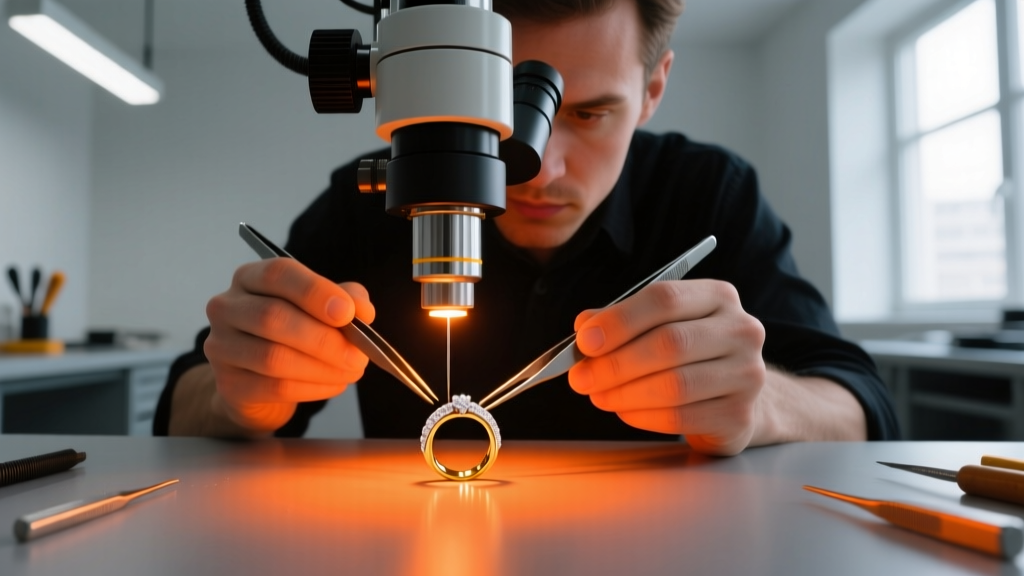
Not all jewelry repairs are created equal. If you have previously taken a piece to a discount repair shop and it broke again in the exact same spot, you are likely the victim of poor metallurgical practices. Here is how to troubleshoot and identify subpar bench work.
Porosity and Pitted Solder Seams
Look closely at the repair joint under a 10x jeweler's loupe. If you see tiny black pinholes or a spongy texture along the seam, the jeweler introduced porosity. This happens when traditional torch soldering traps gases or flux residue inside the molten solder. A porous joint is structurally weak and will inevitably snap under minimal tension. The Fix: A master jeweler will cut out the porous section entirely and use a laser welder to fuse the parent metal back together without introducing soft solder.
Fire Scale and Discoloration
When heating gold alloys, the copper content can react with oxygen to form cuprous oxide, known as fire scale. This appears as a stubborn dark purple or gray shadow beneath the surface of the gold. Discount repair shops often skip the proper pickling and polishing steps, leaving fire scale trapped under a fresh rhodium plating (on white gold). Over time, the plating wears off, revealing the ugly oxidation. Proper troubleshooting requires the jeweler to use an alumina-based heating paste to prevent oxidation during the torch process.
Laser Welding vs. Traditional Soldering
For high-karat gold (18k and above) or pieces with heat-sensitive gemstones (like emeralds, opals, or tanzanite), traditional torch soldering is a massive risk. The ambient heat can easily shatter a stone or alter its color. According to the Jewelers of America, modern laser welding is the superior troubleshooting method for these delicate items. Laser welders use a concentrated, argon-shielded beam to melt the gold locally, leaving the surrounding metal and stones completely cool to the touch.
Red Flags at the Cash for Gold and Jewelry Repair Counter
Shops that advertise both 'cash for gold' and 'jewelry repair' under one roof can be convenient, but they also present unique consumer risks. The Federal Trade Commission (FTC) strictly regulates precious metal transactions, yet predatory tactics remain common in unregulated kiosks.
Expert Warning: Never allow a buyer to test your gold with a destructive acid scratch test before they have weighed it and provided a written estimate. Unscrupulous buyers may use coarse files to remove grams of gold dust under the guise of 'testing the core,' significantly dropping the final payout weight.
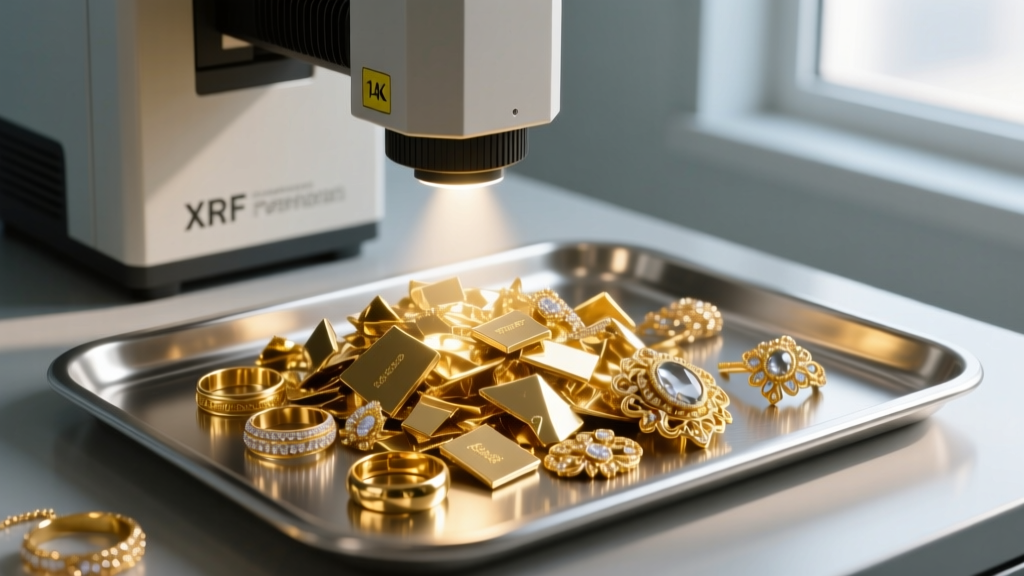
Demand Non-Destructive XRF Testing
Acid testing is an archaic method that only tests the surface layer of a piece, making it useless for identifying gold-filled or heavily plated counterfeit items. Reputable buyers and high-end repair shops use X-Ray Fluorescence (XRF) spectrometers. XRF machines shoot safe, low-level X-rays into the metal and read the exact elemental composition (e.g., 58.3% Gold, 20% Silver, 21.7% Copper) in seconds. If a shop refuses to use an XRF machine or relies solely on a magnet and a file, take your jewelry elsewhere.
The 'Bait-and-Switch' Repair Scam
A common troubleshooting nightmare occurs when a customer drops off a heavy 18k gold chain for a simple clasp repair, only to receive a lighter, 14k chain back. To prevent this, always demand a detailed intake receipt that includes:
- Exact gram weight measured on a certified digital scale in front of you.
- Specific karat stamp verification.
- Measurements in millimeters (length and width).
- High-resolution macro photos of unique wear marks or hallmarks.
Action Plan: What to Do With Your Broken Gold
Use this rapid decision matrix to determine your next steps when dealing with broken gold jewelry:
- Inspect the Break: Is it a clean snap at a solder joint (Repairable), or a jagged tear in the middle of a work-hardened link (Scrap it)?
- Check for Sentimental/Historical Value: If the piece is an antique or holds deep sentimental value, the math of 'cash for gold' is irrelevant. Seek a certified master jeweler for laser restoration.
- Calculate the Spread: Get a written repair estimate and compare it to a cash-for-gold quote. If the repair costs more than 60% of the item's total melt value, and the piece has no sentimental attachment, liquidating the gold is the financially superior move.
- Repurpose the Metal: Many custom jewelers will allow you to 'trade in' your broken, unrepairable gold scrap toward the cost of melting it down and casting a brand-new, modern piece. This bridges the gap between scrapping and repairing, keeping your gold in the family while solving the structural failure.
Ultimately, navigating the cash for gold and jewelry repair landscape requires a blend of metallurgical knowledge and financial pragmatism. By understanding the specific failure modes of your gold's karat and demanding modern, non-destructive testing and repair methods, you ensure your precious metals are treated with the respect and expertise they deserve.


